
-
×
 TrimTabs Investing with Charles Biderman & David Santschi
1 × $6.00
TrimTabs Investing with Charles Biderman & David Santschi
1 × $6.00 -
×
 Get Rich with Dividends
1 × $6.00
Get Rich with Dividends
1 × $6.00 -
×
 Range Trading with D.Singleton
1 × $6.00
Range Trading with D.Singleton
1 × $6.00 -
×
 The Futures Edge with Joshua Martinez
1 × $155.00
The Futures Edge with Joshua Martinez
1 × $155.00 -
×
 Adx Mastery Complete Course
1 × $6.00
Adx Mastery Complete Course
1 × $6.00 -
×
 Trading Economic Data System with CopperChips
1 × $6.00
Trading Economic Data System with CopperChips
1 × $6.00 -
×
 Foundations Of Stocks And Options (2015) with TradeSmart University
1 × $5.00
Foundations Of Stocks And Options (2015) with TradeSmart University
1 × $5.00 -
×
 The Orderflows Trade Opportunities Encyclopedia with Michael Valtos
1 × $8.00
The Orderflows Trade Opportunities Encyclopedia with Michael Valtos
1 × $8.00 -
×
 Emini Day Trading Boot Camp - Base Camp Trading
1 × $6.00
Emini Day Trading Boot Camp - Base Camp Trading
1 × $6.00 -
×
 Price action profits formula v2
1 × $31.00
Price action profits formula v2
1 × $31.00 -
×
 Forex Income Engine Course 2008 - 6 CDs + Manual
1 × $6.00
Forex Income Engine Course 2008 - 6 CDs + Manual
1 × $6.00 -
×
 AdjustMax
1 × $31.00
AdjustMax
1 × $31.00 -
×
 DNA Wealth Blueprint 3 (Complete)
1 × $54.00
DNA Wealth Blueprint 3 (Complete)
1 × $54.00 -
×
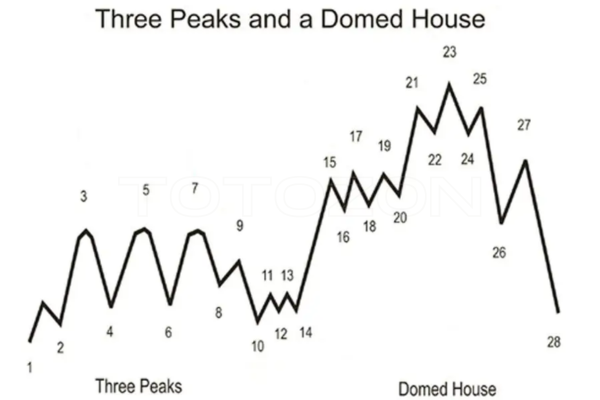 George Lindays. 3 Peaks and the Domed House Revised with Barclay T.Leib
1 × $6.00
George Lindays. 3 Peaks and the Domed House Revised with Barclay T.Leib
1 × $6.00 -
×
 Short Skirt Trading, the Most Bang for the Buck with Linda Raschke
1 × $6.00
Short Skirt Trading, the Most Bang for the Buck with Linda Raschke
1 × $6.00 -
×
 Main Online Course with MadCharts
1 × $5.00
Main Online Course with MadCharts
1 × $5.00 -
×
 The Handbook of Technical Analysis: A Comprehensive Guide to Analytical Methods, Trading Systems and Technical Indicators with Darrell R. Jobman
1 × $6.00
The Handbook of Technical Analysis: A Comprehensive Guide to Analytical Methods, Trading Systems and Technical Indicators with Darrell R. Jobman
1 × $6.00 -
×
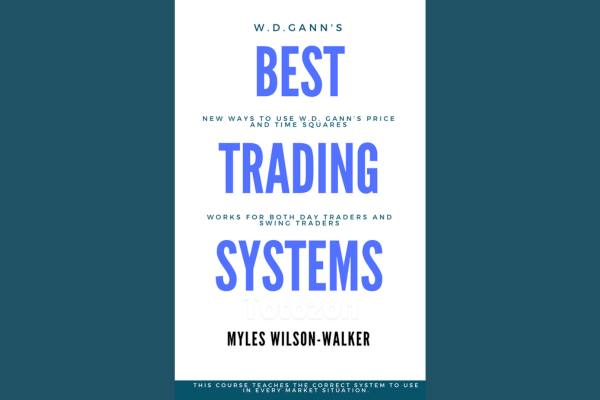 W.D. Gann’s Best Trading Systems with Myles Wilson-Walker
1 × $27.00
W.D. Gann’s Best Trading Systems with Myles Wilson-Walker
1 × $27.00 -
×
 Compound Stock Earnings Advanced Charting (Video 1.19 GB)
1 × $15.00
Compound Stock Earnings Advanced Charting (Video 1.19 GB)
1 × $15.00 -
×
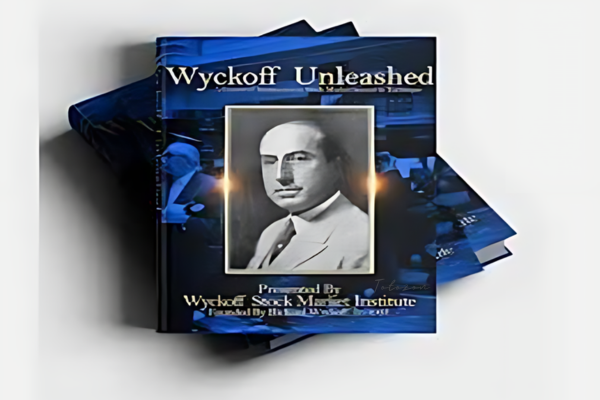 Wyckoff Unleashed Official Online Course (2018) with Wyckoffsmi
1 × $23.00
Wyckoff Unleashed Official Online Course (2018) with Wyckoffsmi
1 × $23.00 -
×
 $20 – 52k 20 pips a day challange with Rafał Zuchowicz - TopMasterTrader
1 × $5.00
$20 – 52k 20 pips a day challange with Rafał Zuchowicz - TopMasterTrader
1 × $5.00 -
×
 SO FX Educational Course with SO FX
1 × $5.00
SO FX Educational Course with SO FX
1 × $5.00 -
×
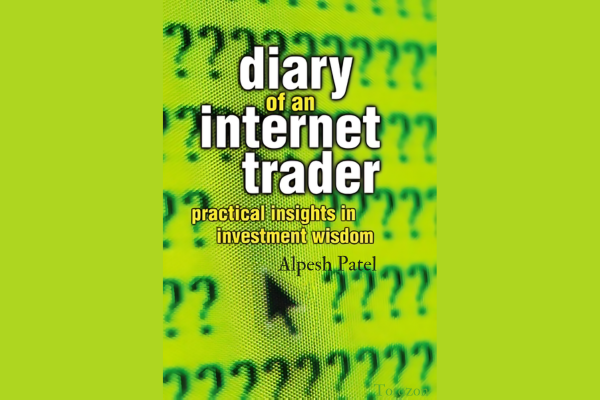 Diary of an Internet Trader with Alpesh Patel
1 × $6.00
Diary of an Internet Trader with Alpesh Patel
1 × $6.00 -
×
 Profit Trading VIX Options Course with Don Kaufman
1 × $6.00
Profit Trading VIX Options Course with Don Kaufman
1 × $6.00 -
×
 Rockwell Trading - Can You Make A Living Day Trading - 2 DVD
1 × $6.00
Rockwell Trading - Can You Make A Living Day Trading - 2 DVD
1 × $6.00 -
×
 The Indices Orderflow Masterclass with The Forex Scalpers
1 × $23.00
The Indices Orderflow Masterclass with The Forex Scalpers
1 × $23.00 -
×
 The Orderflow Masterclass with PrimeTrading
1 × $17.00
The Orderflow Masterclass with PrimeTrading
1 × $17.00 -
×
 Astro Gann Charting Software Wave59 V 3.6
1 × $6.00
Astro Gann Charting Software Wave59 V 3.6
1 × $6.00 -
×
 Chaos. The New Map for Traders
1 × $15.00
Chaos. The New Map for Traders
1 × $15.00 -
×
 Ask the RiskDoctor Q and A [18 Videos (MP4) + 17 Documents (PDF)] with Charles Cottle (The Risk Doctor)
1 × $6.00
Ask the RiskDoctor Q and A [18 Videos (MP4) + 17 Documents (PDF)] with Charles Cottle (The Risk Doctor)
1 × $6.00 -
×
 A Non-Random Walk Down Wall Street with Andrew W.Lo
1 × $6.00
A Non-Random Walk Down Wall Street with Andrew W.Lo
1 × $6.00 -
×
 The Vital Few vs. the Trivial Many: Invest with the Insiders, Not the Masses with George Muzea
1 × $6.00
The Vital Few vs. the Trivial Many: Invest with the Insiders, Not the Masses with George Muzea
1 × $6.00 -
×
 Practical Elliott Wave Trading Strategies with Robert Miner
1 × $6.00
Practical Elliott Wave Trading Strategies with Robert Miner
1 × $6.00 -
×
 Self-Study Day Trading Course
1 × $39.00
Self-Study Day Trading Course
1 × $39.00 -
×
 VSTOPS ProTrader Strategy (Nov 2013)
1 × $6.00
VSTOPS ProTrader Strategy (Nov 2013)
1 × $6.00 -
×
 Market Energy Trader with Top Trade Tools
1 × $5.00
Market Energy Trader with Top Trade Tools
1 × $5.00 -
×
 Linda Raschke Short Term Trading Strategies with David Vomund
1 × $6.00
Linda Raschke Short Term Trading Strategies with David Vomund
1 × $6.00 -
×
 Advanced Spread Trading with Guy Bower - MasterClass Trader
1 × $15.00
Advanced Spread Trading with Guy Bower - MasterClass Trader
1 × $15.00
Portfolio Management using Machine Learning: Hierarchical Risk Parity
Original price was: $599.00.$39.00Current price is: $39.00.
File Size: 161 MB
Delivery Time: 1–12 hours
Media Type: Online Course
Content Proof: Watch Here!
You may check content proof of “Portfolio Management using Machine Learning: Hierarchical Risk Parity” below:
Portfolio Management using Machine Learning: Hierarchical Risk Parity
In the realm of finance, where every decision holds weighty consequences, the integration of machine learning has revolutionized portfolio management. Among the innovative techniques, one stands out for its efficacy: Hierarchical Risk Parity (HRP). This method not only addresses traditional portfolio management challenges but also enhances risk management through the utilization of machine learning algorithms.
Understanding Portfolio Management
Defining Portfolio Management
Portfolio management involves the art and science of making decisions about investment mix and policy, matching investments to objectives, asset allocation, and balancing risk against performance.
Challenges in Traditional Portfolio Management
Traditional portfolio management faces challenges like lack of diversification, inefficient risk allocation, and difficulties in rebalancing portfolios.
The Emergence of Machine Learning in Finance
Integration of Machine Learning
Machine learning algorithms analyze vast amounts of data to identify patterns and make predictions, providing insights that enhance decision-making processes.
Advantages of Machine Learning in Portfolio Management
- Improved Decision Making: Machine learning algorithms can process data at a speed and scale that surpasses human capabilities, enabling more informed investment decisions.
- Enhanced Risk Management: Machine learning models can identify and assess risks more accurately, leading to better risk mitigation strategies.
- Increased Efficiency: Automation of repetitive tasks frees up time for portfolio managers to focus on strategic decision-making.
Hierarchical Risk Parity (HRP)
Understanding HRP
Hierarchical Risk Parity is a portfolio optimization technique that allocates risk across assets in a hierarchical structure. It aims to achieve better diversification and risk management by considering the covariance structure of assets.
Key Components of HRP
- Clustering: Assets are grouped into clusters based on their correlation.
- Hierarchical Structure: Clusters are arranged hierarchically, with higher-level clusters representing broader asset categories.
- Risk Parity Optimization: Risk is allocated within and across clusters to achieve parity, ensuring each asset contributes equally to the portfolio’s overall risk.
Benefits of HRP
- Improved Diversification: HRP allocates risk more evenly across assets, reducing concentration risk.
- Enhanced Risk Management: By considering the covariance structure, HRP identifies and mitigates systemic risks effectively.
- Adaptability: HRP can accommodate various asset classes and market conditions, making it a versatile tool for portfolio managers.
Implementing HRP with Machine Learning
Data Collection and Preprocessing
- Data Collection: Historical financial data for relevant assets is collected from various sources.
- Data Preprocessing: The data is cleaned, normalized, and transformed to make it suitable for analysis.
Model Training
- Feature Selection: Relevant features that influence asset returns and risk are identified.
- Algorithm Selection: Machine learning algorithms such as clustering algorithms and optimization techniques are chosen based on the nature of the problem.
- Model Training: The model is trained using historical data to learn patterns and relationships between assets.
Portfolio Construction and Optimization
- Asset Allocation: HRP is applied to allocate assets based on risk contributions.
- Portfolio Optimization: The portfolio is optimized to achieve desired risk-return characteristics while adhering to constraints such as investment objectives and regulatory requirements.
Conclusion
In conclusion, the integration of machine learning, particularly Hierarchical Risk Parity, has transformed portfolio management by enhancing diversification, risk management, and decision-making processes. By leveraging data-driven insights and advanced algorithms, portfolio managers can navigate complex market dynamics more effectively, ultimately maximizing returns while mitigating risks.
FAQs
1. What is the role of machine learning in portfolio management? Machine learning algorithms analyze data to identify patterns and make predictions, improving decision-making processes and risk management in portfolio management.
2. How does Hierarchical Risk Parity differ from traditional portfolio optimization techniques? Hierarchical Risk Parity considers the covariance structure of assets and allocates risk across clusters, resulting in better diversification and risk management compared to traditional techniques.
3. Can Hierarchical Risk Parity accommodate different types of assets? Yes, Hierarchical Risk Parity can accommodate various asset classes and market conditions, making it a versatile tool for portfolio managers.
4. What are the key benefits of implementing Hierarchical Risk Parity with machine learning? The benefits include improved diversification, enhanced risk management, and adaptability to different market conditions.
5. How does data preprocessing contribute to the effectiveness of HRP? Data preprocessing ensures that the input data is clean, normalized, and transformed, enabling accurate analysis and model training for Hierarchical Risk Parity.
Be the first to review “Portfolio Management using Machine Learning: Hierarchical Risk Parity”
You must be logged in to post a review.
Related products

Forex Trading
Original price was: $397.00.$31.00Current price is: $31.00.

Forex Trading
Original price was: $239.00.$8.00Current price is: $8.00.

Original price was: $695.00.$41.00Current price is: $41.00.
Original price was: $895.00.$15.00Current price is: $15.00.

Original price was: $497.00.$31.00Current price is: $31.00.

Original price was: $1,849.00.$15.00Current price is: $15.00.

Original price was: $310.00.$23.00Current price is: $23.00.

Forex Trading
Original price was: $797.00.$10.00Current price is: $10.00.

Original price was: $997.00.$8.00Current price is: $8.00.

Original price was: $799.00.$15.00Current price is: $15.00.

Original price was: $999.00.$5.00Current price is: $5.00.

Forex Trading
Original price was: $999.00.$15.00Current price is: $15.00.

Forex Trading
The Complete Guide to Multiple Time Frame Analysis & Reading Price Action with Aiman Almansoori
Original price was: $1,399.00.$13.00Current price is: $13.00.

Forex Trading
Original price was: $1,098.00.$39.00Current price is: $39.00.

Forex Trading
Original price was: $2,995.00.$31.00Current price is: $31.00.

Original price was: $4,995.00.$15.00Current price is: $15.00.

Original price was: $1,200.00.$23.00Current price is: $23.00.

Forex Trading
Original price was: $697.00.$5.00Current price is: $5.00.

Original price was: $997.00.$13.00Current price is: $13.00.

Original price was: $497.00.$11.00Current price is: $11.00.

Reviews
There are no reviews yet.