
-
×
 Dividend Key Home Study Course with Hubb Financial
1 × $6.00
Dividend Key Home Study Course with Hubb Financial
1 × $6.00 -
×
 Learn To Day-Trade the E-Mini S&P 500. Simple-as-123 with Marshall Jones
1 × $6.00
Learn To Day-Trade the E-Mini S&P 500. Simple-as-123 with Marshall Jones
1 × $6.00 -
×
 Mao, Marx & the Market: Capitalist Adventures in Russia and China with Dean LeBaro
1 × $6.00
Mao, Marx & the Market: Capitalist Adventures in Russia and China with Dean LeBaro
1 × $6.00 -
×
 Forex Trading For Beginners with John Jagerson - Investopedia Academy
1 × $6.00
Forex Trading For Beginners with John Jagerson - Investopedia Academy
1 × $6.00 -
×
 QuickBooks 2003 Official Guide
1 × $6.00
QuickBooks 2003 Official Guide
1 × $6.00 -
×
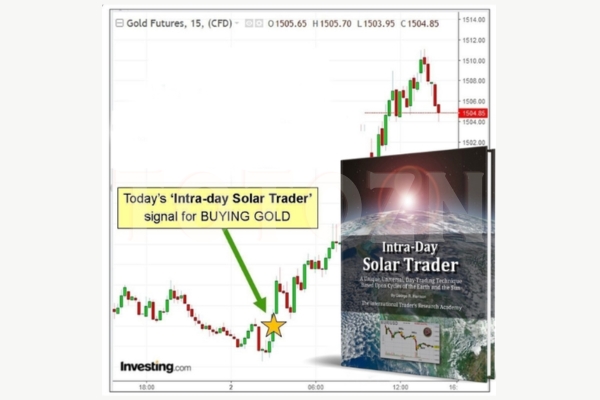 Intra-day Solar Trader with George Harrison
1 × $17.00
Intra-day Solar Trader with George Harrison
1 × $17.00 -
×
 Profiletraders - Market Profile Day Trading
1 × $15.00
Profiletraders - Market Profile Day Trading
1 × $15.00 -
×
 Mastering Fundamental Analysis with Michael Thomsett
1 × $6.00
Mastering Fundamental Analysis with Michael Thomsett
1 × $6.00 -
×
 The 1st Leveraged ETF Trading Strategies Workshop
1 × $54.00
The 1st Leveraged ETF Trading Strategies Workshop
1 × $54.00 -
×
 Part I Basic and Part II Beyond the Basic with Strategic Trading
1 × $6.00
Part I Basic and Part II Beyond the Basic with Strategic Trading
1 × $6.00 -
×
 Optionetics 2007 - Home Study Course, MP3
1 × $6.00
Optionetics 2007 - Home Study Course, MP3
1 × $6.00 -
×
 AstroScan Regulus 4.1E newastro.net
1 × $6.00
AstroScan Regulus 4.1E newastro.net
1 × $6.00 -
×
 Road Map to Riches with Steve Wirrick
1 × $6.00
Road Map to Riches with Steve Wirrick
1 × $6.00 -
×
 Simpler Options - Insider’s Guide to Generating Income using Options Strategies Course (Oct 2014)
1 × $6.00
Simpler Options - Insider’s Guide to Generating Income using Options Strategies Course (Oct 2014)
1 × $6.00 -
×
 Masterclass 5.0 with RockzFX
1 × $5.00
Masterclass 5.0 with RockzFX
1 × $5.00 -
×
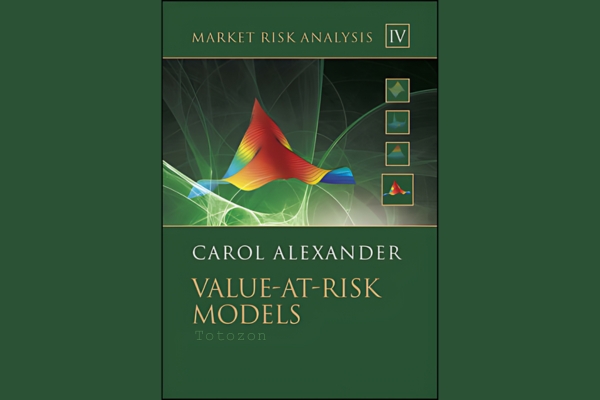 Market Risk Analysis, Volume IV, Value at Risk Models with Carol Alexander
1 × $6.00
Market Risk Analysis, Volume IV, Value at Risk Models with Carol Alexander
1 × $6.00 -
×
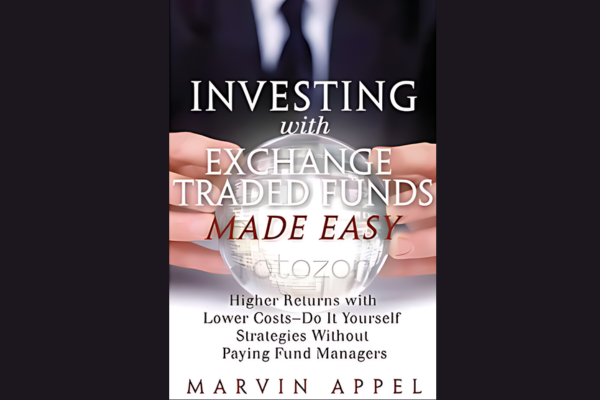 Investing with Exchange Traded Funds Made Easy with Marvin Appel
1 × $6.00
Investing with Exchange Traded Funds Made Easy with Marvin Appel
1 × $6.00 -
×
 Market Maker Strategy Video Course with Fractal Flow Pro
1 × $6.00
Market Maker Strategy Video Course with Fractal Flow Pro
1 × $6.00 -
×
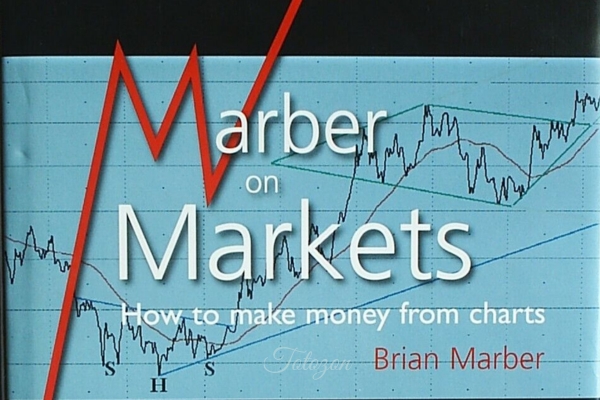 Marber on Markets – How to Make Money from Charts with Brian Marber
1 × $6.00
Marber on Markets – How to Make Money from Charts with Brian Marber
1 × $6.00 -
×
 ICT Prodigy Trading Course – $650K in Payouts with Alex Solignani
1 × $15.00
ICT Prodigy Trading Course – $650K in Payouts with Alex Solignani
1 × $15.00 -
×
 Pro Trading Blueprint with Limitless Forex Academy
1 × $5.00
Pro Trading Blueprint with Limitless Forex Academy
1 × $5.00 -
×
 PFAZoneSuite [Trading Indicator] 2017
1 × $109.00
PFAZoneSuite [Trading Indicator] 2017
1 × $109.00 -
×
 The Connors Research Volatility Trading Strategy Summit
1 × $85.00
The Connors Research Volatility Trading Strategy Summit
1 × $85.00 -
×
 Preparing for the Worst: Incorporating Downside Risk in Stock Market Investments with Hrishikesh Vinod & Derrick Reagle
1 × $6.00
Preparing for the Worst: Incorporating Downside Risk in Stock Market Investments with Hrishikesh Vinod & Derrick Reagle
1 × $6.00 -
×
 The Best of the Professional Traders Journal. Market Timing with Larry Connors
1 × $6.00
The Best of the Professional Traders Journal. Market Timing with Larry Connors
1 × $6.00 -
×
 Profit in the Futures Markets! with Jack Bernstein
1 × $6.00
Profit in the Futures Markets! with Jack Bernstein
1 × $6.00 -
×
 Growth Traders Toolbox Course with Julian Komar
1 × $5.00
Growth Traders Toolbox Course with Julian Komar
1 × $5.00 -
×
 KP Trading Room w/ Paladin and JadeCapFX
1 × $5.00
KP Trading Room w/ Paladin and JadeCapFX
1 × $5.00 -
×
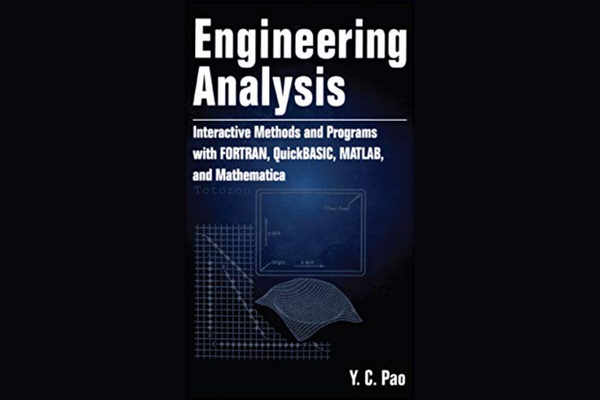 Engineering Analysis: Interactive Methods and Programs with FORTRAN, QuickBASIC, MATLAB, and Mathematica with Yen-Ching Pao
1 × $6.00
Engineering Analysis: Interactive Methods and Programs with FORTRAN, QuickBASIC, MATLAB, and Mathematica with Yen-Ching Pao
1 × $6.00 -
×
 Rich in America: Secrets to Creating and Preserving Wealth with Jeffrey Maurer
1 × $6.00
Rich in America: Secrets to Creating and Preserving Wealth with Jeffrey Maurer
1 × $6.00 -
×
 Sample Item Sets 2003 - CFA Level 3
1 × $6.00
Sample Item Sets 2003 - CFA Level 3
1 × $6.00 -
×
 Rhythm of the Moon with Jack Gillen
1 × $4.00
Rhythm of the Moon with Jack Gillen
1 × $4.00 -
×
 Harmonic Vibrations with Larry Pesavento
1 × $6.00
Harmonic Vibrations with Larry Pesavento
1 × $6.00 -
×
 WondaFX Signature Strategy with WondaFX
1 × $5.00
WondaFX Signature Strategy with WondaFX
1 × $5.00
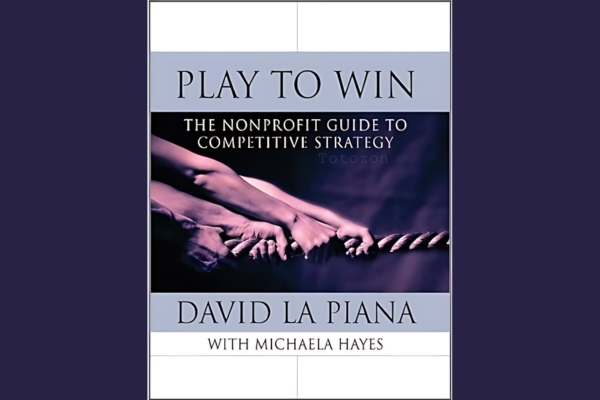
Play to Win with David La Piana & Michaela Hayes
$6.00
File Size: Coming soon!
Delivery Time: 1–12 hours
Media Type: Online Course
Content Proof: Watch Here!
You may check content proof of “Play to Win with David La Piana & Michaela Hayes” below:

Play to Win with David La Piana & Michaela Hayes
Introduction
In the dynamic world of business, success often hinges on strategic thinking and decisive action. “Play to Win” by David La Piana and Michaela Hayes offers a roadmap for organizations aiming to achieve sustainable growth and competitive advantage. This article explores the key concepts and strategies from their book, providing actionable insights for leaders and managers.
Understanding Strategic Thinking
Strategic thinking involves anticipating future trends, identifying opportunities, and making informed decisions. La Piana and Hayes emphasize the importance of strategic thinking in navigating the complexities of modern business environments.
Why Strategic Thinking Matters
Strategic thinking enables organizations to:
- Adapt to Change: Stay ahead of market shifts.
- Seize Opportunities: Capitalize on emerging trends.
- Mitigate Risks: Identify and address potential threats.
Components of Strategic Thinking
- Vision: Defining a clear and compelling future state.
- Analysis: Assessing the internal and external environment.
- Planning: Developing actionable strategies to achieve goals.
The “Play to Win” Framework
La Piana and Hayes introduce a comprehensive framework to guide organizations toward success. The “Play to Win” framework consists of several key elements designed to foster strategic alignment and operational excellence.
Defining Winning Aspirations
Winning aspirations articulate what success looks like for the organization. They provide direction and motivation for the entire team.
Crafting Winning Aspirations
- Be Specific: Clearly define the desired outcomes.
- Be Inspirational: Motivate and engage stakeholders.
- Be Achievable: Set realistic and attainable goals.
Choosing Where to Play
Deciding where to compete is critical for focusing resources and efforts. This involves selecting target markets, customer segments, and product lines.
Evaluating Market Opportunities
- Market Size: Assess the potential market size and growth rate.
- Competitive Landscape: Analyze competitors and their strengths.
- Customer Needs: Understand the needs and preferences of target customers.
Deciding How to Win
Determining how to win involves crafting strategies that differentiate the organization and create value for customers.
Key Strategic Choices
- Value Proposition: Define the unique value offered to customers.
- Core Capabilities: Leverage the organization’s strengths and competencies.
- Operational Efficiency: Optimize processes to deliver value effectively.
Implementing the Strategy
Successful implementation requires aligning the organization’s resources, processes, and culture with the strategic plan.
Aligning Resources
Ensure that resources, including people, technology, and finances, are allocated to support strategic initiatives.
Resource Allocation
- Budgeting: Allocate financial resources to priority areas.
- Talent Management: Recruit and develop the right talent.
- Technology: Invest in technology that enhances capabilities.
Optimizing Processes
Streamline processes to improve efficiency and effectiveness.
Process Improvement
- Lean Methodologies: Apply lean principles to eliminate waste.
- Automation: Use technology to automate routine tasks.
- Continuous Improvement: Foster a culture of ongoing enhancement.
Cultivating a Winning Culture
A strong organizational culture supports strategy implementation and drives performance.
Building a Winning Culture
- Leadership: Model and reinforce desired behaviors.
- Communication: Ensure clear and consistent messaging.
- Engagement: Foster a sense of ownership and accountability.
Measuring Success
Tracking progress and measuring success are essential for ensuring strategic goals are met.
Key Performance Indicators (KPIs)
Identify and monitor KPIs that align with strategic objectives.
Examples of KPIs
- Revenue Growth: Track increases in sales and market share.
- Customer Satisfaction: Measure customer feedback and loyalty.
- Operational Efficiency: Monitor cost savings and productivity improvements.
Continuous Evaluation
Regularly review and adjust strategies based on performance data and changing market conditions.
Evaluation Techniques
- Performance Reviews: Conduct regular performance assessments.
- Benchmarking: Compare performance against industry standards.
- Feedback Loops: Use feedback to refine and improve strategies.
Conclusion
“Play to Win” by David La Piana and Michaela Hayes provides a valuable framework for strategic success. By defining winning aspirations, choosing where to play, deciding how to win, and effectively implementing strategies, organizations can achieve their goals and sustain competitive advantage. Embracing strategic thinking and fostering a winning culture are key to long-term success.
FAQs
1. What is strategic thinking?
Strategic thinking involves anticipating future trends, identifying opportunities, and making informed decisions to achieve long-term goals.
2. How can organizations define winning aspirations?
Winning aspirations should be specific, inspirational, and achievable, providing clear direction and motivation for the team.
3. What are the key elements of the “Play to Win” framework?
The framework includes defining winning aspirations, choosing where to play, deciding how to win, and implementing strategies effectively.
4. How can organizations ensure successful strategy implementation?
Successful implementation involves aligning resources, optimizing processes, and cultivating a winning culture that supports strategic goals.
5. Why is measuring success important?
Measuring success through KPIs and continuous evaluation helps ensure that strategic objectives are met and allows for adjustments based on performance data.
Be the first to review “Play to Win with David La Piana & Michaela Hayes”
You must be logged in to post a review.
Related products

Forex Trading
Original price was: $2,997.00.$23.00Current price is: $23.00.
Forex Trading
Original price was: $550.00.$5.00Current price is: $5.00.

Forex Trading
Original price was: $500.00.$5.00Current price is: $5.00.

Original price was: $310.00.$23.00Current price is: $23.00.

Original price was: $1,200.00.$23.00Current price is: $23.00.

Forex Trading
Original price was: $697.00.$5.00Current price is: $5.00.

Forex Trading
Original price was: $125.00.$17.00Current price is: $17.00.

Original price was: $497.00.$31.00Current price is: $31.00.

Forex Trading
Original price was: $797.00.$10.00Current price is: $10.00.

Forex Trading
Original price was: $397.00.$31.00Current price is: $31.00.

Forex Trading
Original price was: $999.00.$15.00Current price is: $15.00.

Forex Trading
Original price was: $850.00.$23.00Current price is: $23.00.

Original price was: $695.00.$41.00Current price is: $41.00.

Original price was: $497.00.$11.00Current price is: $11.00.

Forex Trading
Original price was: $799.00.$15.00Current price is: $15.00.

Forex Trading
Original price was: $499.00.$15.00Current price is: $15.00.

Original price was: $649.00.$20.00Current price is: $20.00.

Forex Trading
Original price was: $1,898.00.$10.00Current price is: $10.00.

Original price was: $700.00.$39.00Current price is: $39.00.

Original price was: $997.00.$13.00Current price is: $13.00.

Reviews
There are no reviews yet.