
-
×
 Advanced Day Trading Course with Doyle Exchange
1 × $8.00
Advanced Day Trading Course with Doyle Exchange
1 × $8.00 -
×
 Quantifiable Edges - 3 Course Bundle
1 × $31.00
Quantifiable Edges - 3 Course Bundle
1 × $31.00 -
×
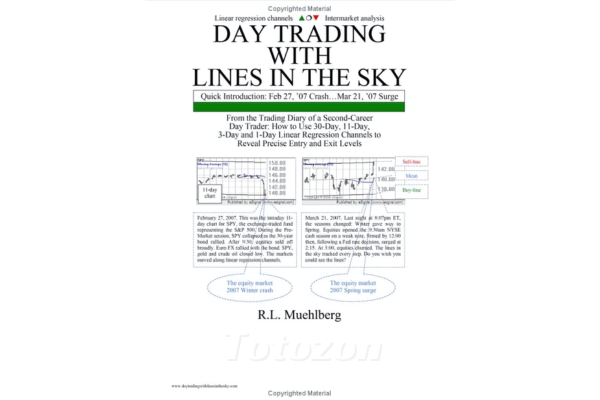 Day Trading with Lines in the Sky By R.L.Muehlberg
1 × $6.00
Day Trading with Lines in the Sky By R.L.Muehlberg
1 × $6.00 -
×
 The Key to Profits in Tough Times
1 × $6.00
The Key to Profits in Tough Times
1 × $6.00 -
×
 Sun Tzu and the Art of War for Traders with Dean Lundell
1 × $6.00
Sun Tzu and the Art of War for Traders with Dean Lundell
1 × $6.00 -
×
 Campaign Trading with John Sweeney
1 × $6.00
Campaign Trading with John Sweeney
1 × $6.00 -
×
 Optionetics 2007 - Home Study Course, MP3
1 × $6.00
Optionetics 2007 - Home Study Course, MP3
1 × $6.00 -
×
 Bubbleology: The New Science of Stock Market Winners and Losers with Kevin Hassett
1 × $6.00
Bubbleology: The New Science of Stock Market Winners and Losers with Kevin Hassett
1 × $6.00 -
×
 Base Camp Trading – Bundle 5 Courses
1 × $5.00
Base Camp Trading – Bundle 5 Courses
1 × $5.00 -
×
 Getting Started in Technical Analysis with Jack Schwager
1 × $6.00
Getting Started in Technical Analysis with Jack Schwager
1 × $6.00 -
×
 Support Resistance
1 × $23.00
Support Resistance
1 × $23.00 -
×
 Surplus Trader Secrets Masterclass Coaching Program
1 × $6.00
Surplus Trader Secrets Masterclass Coaching Program
1 × $6.00 -
×
 eASCTrend Traning CD. Hybrid Trading Method with Ablesys
1 × $6.00
eASCTrend Traning CD. Hybrid Trading Method with Ablesys
1 × $6.00 -
×
 Sami Abusaad Elite Mentorship
1 × $31.00
Sami Abusaad Elite Mentorship
1 × $31.00 -
×
 AstuceFX Mentorship 2023
1 × $27.00
AstuceFX Mentorship 2023
1 × $27.00 -
×
 Vertex Investing Course
1 × $6.00
Vertex Investing Course
1 × $6.00 -
×
 Crypto Momentum Trading System with Pollinate Trading
1 × $34.00
Crypto Momentum Trading System with Pollinate Trading
1 × $34.00 -
×
 Art of Yen Course (Feb 2014)
1 × $23.00
Art of Yen Course (Feb 2014)
1 × $23.00 -
×
 Fibonacci Swing Trader 2.0 with Frank Paul - Forexmentor
1 × $6.00
Fibonacci Swing Trader 2.0 with Frank Paul - Forexmentor
1 × $6.00 -
×
 Hedges on Hedge Funds: How to Successfully Analyze and Select an Investment with James Hedges
1 × $6.00
Hedges on Hedge Funds: How to Successfully Analyze and Select an Investment with James Hedges
1 × $6.00 -
×
 Market Consistency: Model Calibration in Imperfect Markets with Malcolm Kemp
1 × $6.00
Market Consistency: Model Calibration in Imperfect Markets with Malcolm Kemp
1 × $6.00 -
×
 Staying Out of Trouble Trading Currency with Channels - Barbara Rockefeller
1 × $6.00
Staying Out of Trouble Trading Currency with Channels - Barbara Rockefeller
1 × $6.00 -
×
 Theotrade - Essential Skills for Consistency in Trading Class
1 × $15.00
Theotrade - Essential Skills for Consistency in Trading Class
1 × $15.00 -
×
 Applications of Abstract Algebra with Maple - Richard E.Kline, Neil Sigmon, Ernst Stitzinger
1 × $6.00
Applications of Abstract Algebra with Maple - Richard E.Kline, Neil Sigmon, Ernst Stitzinger
1 × $6.00 -
×
 Bear Trap Indicator with Markay Latimer
1 × $5.00
Bear Trap Indicator with Markay Latimer
1 × $5.00 -
×
 Index Funds with Mark Hebner
1 × $6.00
Index Funds with Mark Hebner
1 × $6.00 -
×
 How I Trade Options with Jon Najarian
1 × $4.00
How I Trade Options with Jon Najarian
1 × $4.00 -
×
 CFA Level 1 - Schweser Study Notes 2006 (schweser.com)
1 × $6.00
CFA Level 1 - Schweser Study Notes 2006 (schweser.com)
1 × $6.00 -
×
 AnkhFX Academy Course
1 × $17.00
AnkhFX Academy Course
1 × $17.00 -
×
 Century Capital Group Course with Dylan Forexia
1 × $6.00
Century Capital Group Course with Dylan Forexia
1 × $6.00 -
×
 AstroFX Course
1 × $6.00
AstroFX Course
1 × $6.00 -
×
 Trading Systems Explained with Martin Pring
1 × $6.00
Trading Systems Explained with Martin Pring
1 × $6.00 -
×
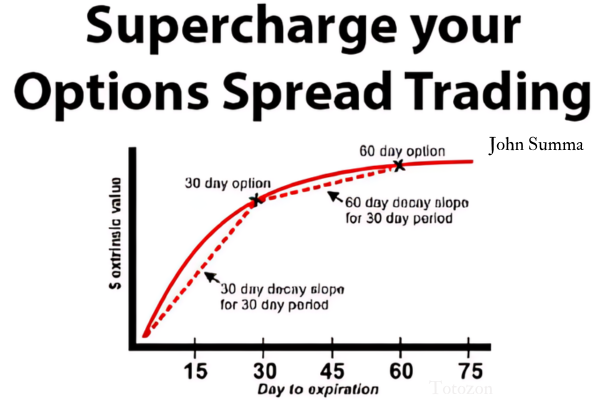 Supercharge your Options Spread Trading with John Summa
1 × $6.00
Supercharge your Options Spread Trading with John Summa
1 × $6.00 -
×
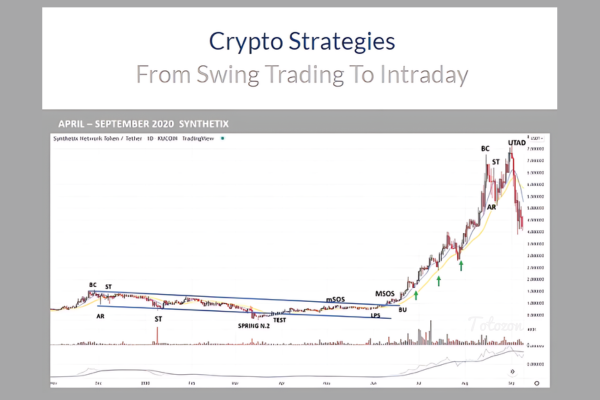 Crypto Strategies From Swing Trading To Intraday with Alessio Rutigliano & Roman Bogomazov
1 × $17.00
Crypto Strategies From Swing Trading To Intraday with Alessio Rutigliano & Roman Bogomazov
1 × $17.00 -
×
 How To Read The Market Professionally with TradeSmart
1 × $27.00
How To Read The Market Professionally with TradeSmart
1 × $27.00 -
×
 The Online Investing Book with Harry Domash
1 × $6.00
The Online Investing Book with Harry Domash
1 × $6.00 -
×
 Alternative Assets and Strategic Allocation with John Abbink
1 × $6.00
Alternative Assets and Strategic Allocation with John Abbink
1 × $6.00 -
×
 The Oil Money (open code) (Nov 2013)
1 × $6.00
The Oil Money (open code) (Nov 2013)
1 × $6.00 -
×
 Complete Trading Course with Sean Dekmar
1 × $5.00
Complete Trading Course with Sean Dekmar
1 × $5.00 -
×
 Trading Short TermSame Day Trades Sep 2023 with Dan Sheridan & Mark Fenton - Sheridan Options Mentoring
1 × $31.00
Trading Short TermSame Day Trades Sep 2023 with Dan Sheridan & Mark Fenton - Sheridan Options Mentoring
1 × $31.00 -
×
 Wall Street Training
1 × $6.00
Wall Street Training
1 × $6.00 -
×
 Reading & Understanding Charts with Andrew Baxter
1 × $6.00
Reading & Understanding Charts with Andrew Baxter
1 × $6.00 -
×
 Stupid Trader – Play Safe!
1 × $6.00
Stupid Trader – Play Safe!
1 × $6.00 -
×
 Trading System Building Blocks with John Hill
1 × $6.00
Trading System Building Blocks with John Hill
1 × $6.00 -
×
 Building Winning Trading Systems
1 × $6.00
Building Winning Trading Systems
1 × $6.00 -
×
 Base Camp Trading - Swing Trade Success
1 × $23.00
Base Camp Trading - Swing Trade Success
1 × $23.00 -
×
 A Complete Guide to the Futures Markets: Fundamental Analysis, Technical Analysis, Trading, Spreads, and Options (1st Edition) - Jack Schwager
1 × $6.00
A Complete Guide to the Futures Markets: Fundamental Analysis, Technical Analysis, Trading, Spreads, and Options (1st Edition) - Jack Schwager
1 × $6.00 -
×
 A Day In The Life Of A Forex Trader with Vic Noble & Shirley Hudson
1 × $23.00
A Day In The Life Of A Forex Trader with Vic Noble & Shirley Hudson
1 × $23.00 -
×
 Wall Street Stories with Edwin Lefevre
1 × $6.00
Wall Street Stories with Edwin Lefevre
1 × $6.00 -
×
 The LP Trading Course
1 × $13.00
The LP Trading Course
1 × $13.00 -
×
 Carter FX 2.0 with CFX University
1 × $5.00
Carter FX 2.0 with CFX University
1 × $5.00 -
×
 Ultimate Trading Course with Dodgy's Dungeon
1 × $8.00
Ultimate Trading Course with Dodgy's Dungeon
1 × $8.00 -
×
 Order flow self-study training program with iMFtracker
1 × $10.00
Order flow self-study training program with iMFtracker
1 × $10.00 -
×
 Money Management
1 × $6.00
Money Management
1 × $6.00 -
×
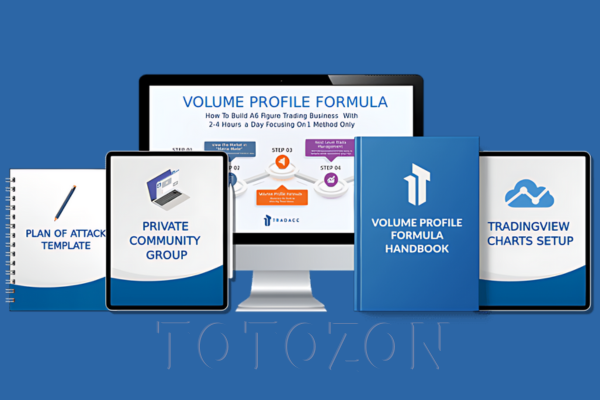 Volume Profile Formula with Aaron Korbs
1 × $5.00
Volume Profile Formula with Aaron Korbs
1 × $5.00 -
×
 Speculating with Futures and Traditional Commodities Part II (Liverpool Group) - Noble DraKoln
1 × $6.00
Speculating with Futures and Traditional Commodities Part II (Liverpool Group) - Noble DraKoln
1 × $6.00 -
×
 TradeCraft: Your Path to Peak Performance Trading By Adam Grimes
1 × $15.00
TradeCraft: Your Path to Peak Performance Trading By Adam Grimes
1 × $15.00 -
×
 The Stock Selector System with Michael Sheimo
1 × $6.00
The Stock Selector System with Michael Sheimo
1 × $6.00 -
×
 Forex Strategies Guide for Day and Swing Traders with Cory Mitchell - Vantage Point Trading
1 × $4.00
Forex Strategies Guide for Day and Swing Traders with Cory Mitchell - Vantage Point Trading
1 × $4.00 -
×
 Deep Dive Butterfly Trading Strategy Class with SJG Trades
1 × $41.00
Deep Dive Butterfly Trading Strategy Class with SJG Trades
1 × $41.00 -
×
 ASFX Beginner Training Course & VIP Chat with ASFX Day Trading
1 × $31.00
ASFX Beginner Training Course & VIP Chat with ASFX Day Trading
1 × $31.00 -
×
 Quantifiable Edges VIX Trading Course with Amibroker Code - Quantifiable Edges
1 × $15.00
Quantifiable Edges VIX Trading Course with Amibroker Code - Quantifiable Edges
1 × $15.00 -
×
 Trend Harmony with Murray Ruggiero
1 × $15.00
Trend Harmony with Murray Ruggiero
1 × $15.00 -
×
 Best of the Best: Collars with Amy Meissner & Scott Ruble
1 × $15.00
Best of the Best: Collars with Amy Meissner & Scott Ruble
1 × $15.00
The Best (Public) Trading Methods I’ve Found for Futures & Equities with Perry J.Kaufman
$6.00
File Size: Cooming soon!
Delivery Time: 1–12 hours
Media Type: Online Course
Content Proof: Watch Here!
You may check content proof of “The Best (Public) Trading Methods I’ve Found for Futures & Equities with Perry J.Kaufman” below:
The Best (Public) Trading Methods I’ve Found for Futures & Equities with Perry J.Kaufman
Introduction
In the vast world of financial trading, the quest for effective and reliable trading methods is unending. Among the plethora of strategies, the methods developed by Perry J. Kaufman stand out, particularly for futures and equities. This article delves into some of the best public trading strategies that Kaufman has offered to traders seeking to maximize their potential in these markets.
Understanding Kaufman’s Approach
Who is Perry J. Kaufman?
Perry J. Kaufman is a renowned expert in the trading world, known for his quantitative and algorithmic trading strategies. With a career spanning several decades, Kaufman has contributed significantly to the development of trading systems that adapt to changing market conditions.
The Philosophy Behind Kaufman’s Strategies
Kaufman’s methods are built on the foundation of adaptability and efficiency. His strategies often incorporate dynamic trading algorithms that adjust based on volatility and market trends, making them particularly useful for futures and equities.
Key Trading Methods
Adaptive Moving Averages
One of Kaufman’s most notable contributions is the Adaptive Moving Average (AMA). This technique adjusts more quickly to market data when the price fluctuations are significant and slows down during less volatile periods.
How AMA Works
- Identify the market trend: AMA filters out the market noise by adjusting its sensitivity.
- Application in real trading: Traders use AMA to refine their entry and exit points, enhancing their trading precision.
Kaufman’s Adaptive Moving Convergence Divergence (KAMA)
Building on the concept of adaptive indicators, Kaufman’s version of the MACD—KAMA—is another tool designed to offer better market entries and exits by accounting for price volatility and market noise.
Benefits of KAMA
- Reduces likelihood of false signals: By adapting to volatility, KAMA helps in filtering out less probable trading signals.
- Enhances strategy performance: Traders often combine KAMA with other indicators to improve decision-making.
Efficiency Ratio and Its Application
Kaufman’s Efficiency Ratio (ER) is a key metric used to measure the efficiency of price movement. A high ER suggests a strong trend, while a low ER indicates a choppy, directionless market.
Utilizing ER in Trading
- Strategy formulation: Traders can design strategies that trigger when the ER crosses certain thresholds, indicating a potential start or end of a trend.
Practical Applications of Kaufman’s Methods
Case Studies in Futures Trading
Using Kaufman’s methods, many traders have successfully navigated the futures markets, capitalizing on trends and adjusting to market reversals with greater agility.
Equity Market Strategies
In the equities market, Kaufman’s strategies have aided traders in managing portfolio volatility and improving trade timing based on adaptive indicators.
Advantages of Kaufman’s Trading Methods
- Flexibility in different market conditions
- Improved accuracy in trend detection
- Effective risk management
Challenges and Considerations
While Kaufman’s methods offer numerous benefits, they require a deep understanding of market mechanics and the ability to interpret complex indicators. Traders must also remain vigilant about over-optimization risks.
Conclusion
Perry J. Kaufman’s trading methods provide a robust framework for tackling the complexities of futures and equities markets. By embracing these adaptive strategies, traders can enhance their trading precision and manage risks more effectively.
FAQs
- What is the Adaptive Moving Average (AMA)?
- AMA is an indicator that adjusts its sensitivity based on market volatility to provide clearer trend signals.
- How does Kaufman’s Efficiency Ratio help in trading?
- It measures the efficiency of price movements, helping traders to identify strong trends and filter out market noise.
- Can Kaufman’s methods be applied to day trading?
- Yes, these methods are versatile and can be adapted for different trading styles, including day trading.
- What are the common pitfalls when using adaptive strategies?
- Overfitting and complexity in interpretation are common challenges faced by traders using these strategies.
- Are Kaufman’s strategies suitable for beginners?
- While effective, Kaufman’s methods often require a higher level of market understanding, making them more suitable for intermediate and advanced traders.
Be the first to review “The Best (Public) Trading Methods I’ve Found for Futures & Equities with Perry J.Kaufman”
You must be logged in to post a review.
Related products

Original price was: $999.00.$5.00Current price is: $5.00.
Original price was: $695.00.$41.00Current price is: $41.00.

Forex Trading
Original price was: $249.00.$15.00Current price is: $15.00.

Forex Trading
Original price was: $550.00.$5.00Current price is: $5.00.
Forex Trading
Original price was: $1,898.00.$10.00Current price is: $10.00.

Forex Trading
Original price was: $2,995.00.$31.00Current price is: $31.00.

Forex Trading
Original price was: $125.00.$17.00Current price is: $17.00.

Original price was: $1,849.00.$15.00Current price is: $15.00.

Forex Trading
Original price was: $499.00.$15.00Current price is: $15.00.
Forex Trading
Original price was: $397.00.$31.00Current price is: $31.00.

Original price was: $1,200.00.$23.00Current price is: $23.00.

Original price was: $649.00.$20.00Current price is: $20.00.

Original price was: $2,120.00.$15.00Current price is: $15.00.

Original price was: $139.00.$23.00Current price is: $23.00.

Forex Trading
Original price was: $697.00.$5.00Current price is: $5.00.

Original price was: $197.00.$5.00Current price is: $5.00.
Original price was: $4,995.00.$15.00Current price is: $15.00.

Forex Trading
Original price was: $799.00.$15.00Current price is: $15.00.

Forex Trading
Original price was: $999.00.$15.00Current price is: $15.00.

Forex Trading
Original price was: $850.00.$23.00Current price is: $23.00.
Reviews
There are no reviews yet.