
-
×
 The Introduction to the Magee System of Technical Analysis CD with John Magee
1 × $6.00
The Introduction to the Magee System of Technical Analysis CD with John Magee
1 × $6.00 -
×
 Trading Short TermSame Day Trades Sep 2023 with Dan Sheridan & Mark Fenton - Sheridan Options Mentoring
1 × $31.00
Trading Short TermSame Day Trades Sep 2023 with Dan Sheridan & Mark Fenton - Sheridan Options Mentoring
1 × $31.00 -
×
 iMF Tracker – Order Flow Program 2023
1 × $5.00
iMF Tracker – Order Flow Program 2023
1 × $5.00 -
×
 Small Account Growth Class – Strategies Course
1 × $23.00
Small Account Growth Class – Strategies Course
1 × $23.00 -
×
 Activedaytrader - Workshop Options For Income
1 × $15.00
Activedaytrader - Workshop Options For Income
1 × $15.00 -
×
 The Investors Guide to Active Asset Allocation with Martin Pring
1 × $6.00
The Investors Guide to Active Asset Allocation with Martin Pring
1 × $6.00 -
×
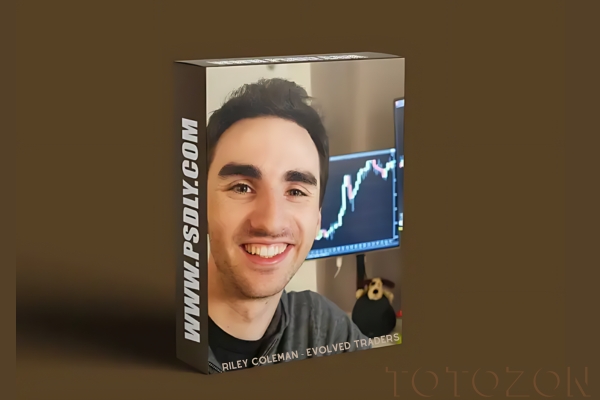 Evolved Traders with Riley Coleman
1 × $5.00
Evolved Traders with Riley Coleman
1 × $5.00 -
×
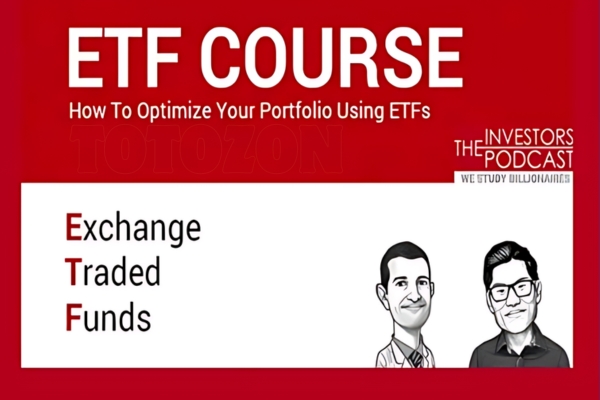 How to Invest in ETFs By The Investors Podcast
1 × $6.00
How to Invest in ETFs By The Investors Podcast
1 × $6.00 -
×
 The Complete Guide to Spread Trading
1 × $6.00
The Complete Guide to Spread Trading
1 × $6.00 -
×
 Home Run Options Trading Course with Dave Aquino - Base Camp Trading
1 × $11.00
Home Run Options Trading Course with Dave Aquino - Base Camp Trading
1 × $11.00 -
×
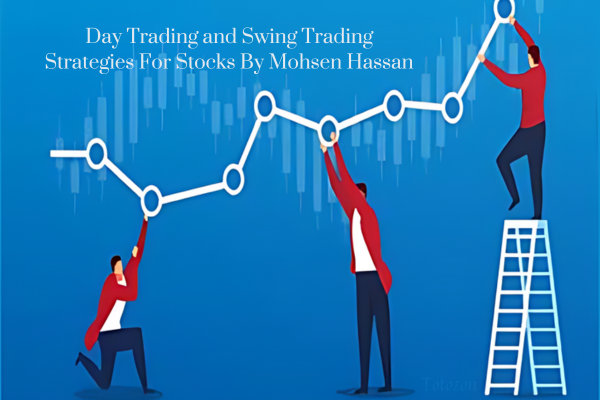 Day Trading and Swing Trading Strategies For Stocks By Mohsen Hassan
1 × $6.00
Day Trading and Swing Trading Strategies For Stocks By Mohsen Hassan
1 × $6.00 -
×
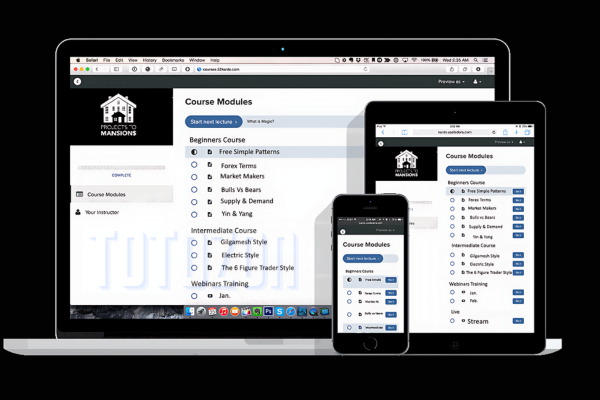 7 Figures Forex Course
1 × $15.00
7 Figures Forex Course
1 × $15.00 -
×
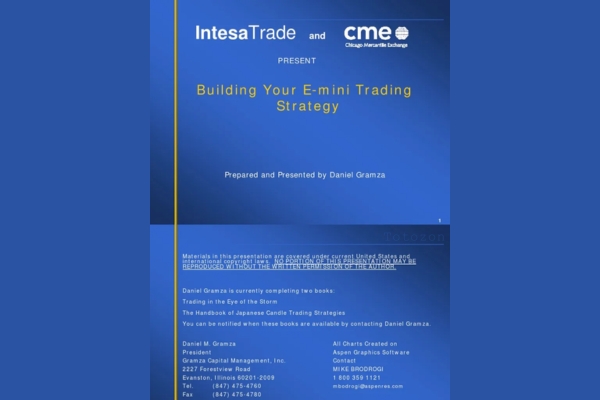 Building Your E-Mini Trading Strategy with Daniel Gramza
1 × $6.00
Building Your E-Mini Trading Strategy with Daniel Gramza
1 × $6.00 -
×
 The Indices Orderflow Masterclass with The Forex Scalpers
1 × $23.00
The Indices Orderflow Masterclass with The Forex Scalpers
1 × $23.00 -
×
 Trading Masterclass 2.0 with Irek Piekarski
1 × $5.00
Trading Masterclass 2.0 with Irek Piekarski
1 × $5.00 -
×
 Advanced Strategy Design Techniques Bundle with NinjaTrader
1 × $20.00
Advanced Strategy Design Techniques Bundle with NinjaTrader
1 × $20.00 -
×
 The Orderflows Trade Opportunities Encyclopedia with Michael Valtos
1 × $8.00
The Orderflows Trade Opportunities Encyclopedia with Michael Valtos
1 × $8.00 -
×
 Freak Forex Technicals with Ken FX Freak
1 × $6.00
Freak Forex Technicals with Ken FX Freak
1 × $6.00 -
×
 A Conservative Plan to Make $3K Monthly on $25K with Dan Sheridan – Sheridan Options Mentoring
1 × $23.00
A Conservative Plan to Make $3K Monthly on $25K with Dan Sheridan – Sheridan Options Mentoring
1 × $23.00 -
×
 Outperforming the Market with John Merrill
1 × $6.00
Outperforming the Market with John Merrill
1 × $6.00 -
×
 Build A Solid Foundation For Trading Options with Corey Halliday
1 × $6.00
Build A Solid Foundation For Trading Options with Corey Halliday
1 × $6.00 -
×
 How To Read The Market Professionally with TradeSmart
1 × $27.00
How To Read The Market Professionally with TradeSmart
1 × $27.00 -
×
 FX Cartel Online Course
1 × $31.00
FX Cartel Online Course
1 × $31.00 -
×
 The Best of the Professional Traders Journal: Options Trading and Volatility Trading with Larry Connors
1 × $6.00
The Best of the Professional Traders Journal: Options Trading and Volatility Trading with Larry Connors
1 × $6.00 -
×
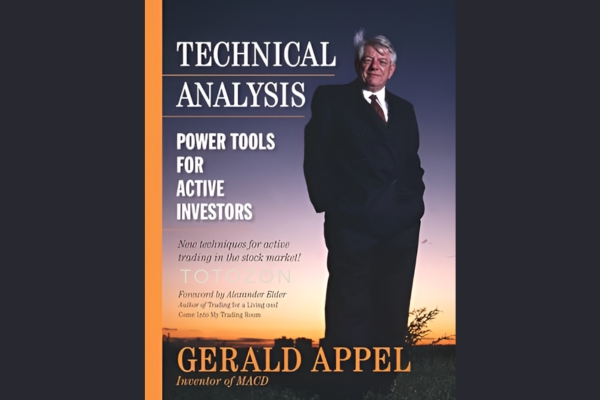 Technical Analysis: Power Tools for Active Investors with Gerald Appel
1 × $6.00
Technical Analysis: Power Tools for Active Investors with Gerald Appel
1 × $6.00 -
×
 Trading Pairs: Capturing Profits and Hedging Risk with Statistical Arbitrage Strategies - Mark Whistler
1 × $6.00
Trading Pairs: Capturing Profits and Hedging Risk with Statistical Arbitrage Strategies - Mark Whistler
1 × $6.00 -
×
 WITS Turbo Seminars with Brian James Sklenka
1 × $6.00
WITS Turbo Seminars with Brian James Sklenka
1 × $6.00 -
×
 Volatility and Timing with Jay Kaeppel – The Option Trader’s Guide to Probability
1 × $6.00
Volatility and Timing with Jay Kaeppel – The Option Trader’s Guide to Probability
1 × $6.00 -
×
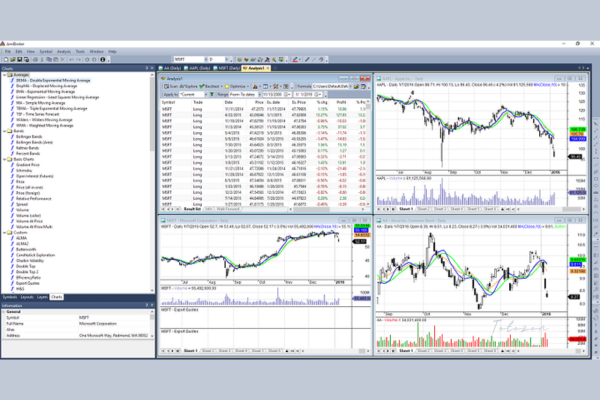 Build a Professional Trading System using Amibroker with Trading Tuitions - Marwood Research
1 × $23.00
Build a Professional Trading System using Amibroker with Trading Tuitions - Marwood Research
1 × $23.00 -
×
 Volume Profile Trading Strategy with Critical Trading
1 × $15.00
Volume Profile Trading Strategy with Critical Trading
1 × $15.00 -
×
 Stock Trading Strategies Technical Analysis MasterClass 2 with Jyoti Bansal
1 × $6.00
Stock Trading Strategies Technical Analysis MasterClass 2 with Jyoti Bansal
1 × $6.00 -
×
 Failure Rate Modelling for Reliabiliy & Risk with Maxim Finkelstein
1 × $6.00
Failure Rate Modelling for Reliabiliy & Risk with Maxim Finkelstein
1 × $6.00 -
×
 War Room Psychology Vol. 4 with Pat Mitchell – Trick Trades
1 × $23.00
War Room Psychology Vol. 4 with Pat Mitchell – Trick Trades
1 × $23.00 -
×
 Blueprint to Extreme Reversals with Aiman Almansoori - Trading Terminal
1 × $8.00
Blueprint to Extreme Reversals with Aiman Almansoori - Trading Terminal
1 × $8.00 -
×
 Imperial FX Academy
1 × $5.00
Imperial FX Academy
1 × $5.00 -
×
 Expert Option Trading Course with David Vallieres & Tim Warren
1 × $23.00
Expert Option Trading Course with David Vallieres & Tim Warren
1 × $23.00 -
×
 Trading Pivot Points with Andrew Peters
1 × $6.00
Trading Pivot Points with Andrew Peters
1 × $6.00 -
×
 Behavioral Trading with Woody Dorsey
1 × $6.00
Behavioral Trading with Woody Dorsey
1 × $6.00 -
×
 Commodities for Dummies with Amine Bouchentouf
1 × $6.00
Commodities for Dummies with Amine Bouchentouf
1 × $6.00 -
×
 The Tickmaster Indicator
1 × $54.00
The Tickmaster Indicator
1 × $54.00 -
×
 Daytraders Survival Guide with Christopher Farrell
1 × $6.00
Daytraders Survival Guide with Christopher Farrell
1 × $6.00 -
×
 Stock Patterns for Day Trading Home Study Course
1 × $23.00
Stock Patterns for Day Trading Home Study Course
1 × $23.00 -
×
 Zap Seminar - Ablesys
1 × $6.00
Zap Seminar - Ablesys
1 × $6.00 -
×
 Diary of an Internet Trader with Alpesh Patel
1 × $6.00
Diary of an Internet Trader with Alpesh Patel
1 × $6.00 -
×
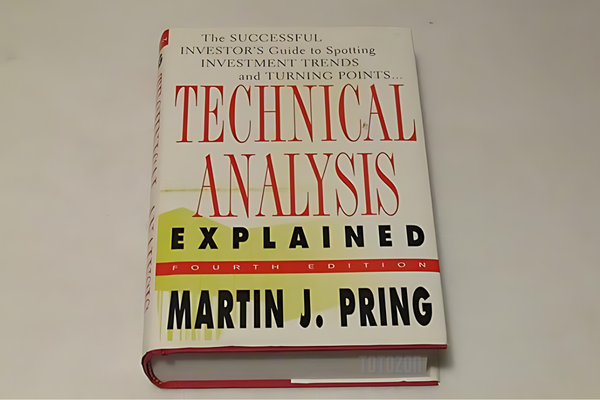 Technical Analysis Package with Martin Pring
1 × $4.00
Technical Analysis Package with Martin Pring
1 × $4.00 -
×
 The Orderflow Masterclass with PrimeTrading
1 × $17.00
The Orderflow Masterclass with PrimeTrading
1 × $17.00 -
×
 Beat The Binaries
1 × $15.00
Beat The Binaries
1 × $15.00 -
×
 The Insured Portfolio: Your Gateway to Stress-Free Global Investments with Erika Nolan, Marc-Andre Sola & Shannon Crouch
1 × $6.00
The Insured Portfolio: Your Gateway to Stress-Free Global Investments with Erika Nolan, Marc-Andre Sola & Shannon Crouch
1 × $6.00 -
×
 Volatility Master Class
1 × $62.00
Volatility Master Class
1 × $62.00 -
×
 War Room Technicals Vol. 3 with Trick Trades
1 × $6.00
War Room Technicals Vol. 3 with Trick Trades
1 × $6.00 -
×
 Forecast 2024 Clarification with Larry Williams
1 × $15.00
Forecast 2024 Clarification with Larry Williams
1 × $15.00 -
×
 Set & Forget Complete 2021
1 × $13.00
Set & Forget Complete 2021
1 × $13.00 -
×
 Back to the Future – Schabacker’s Principles with Linda Raschke
1 × $6.00
Back to the Future – Schabacker’s Principles with Linda Raschke
1 × $6.00 -
×
 YouAreTheIndicator Online Course 1.0
1 × $6.00
YouAreTheIndicator Online Course 1.0
1 × $6.00 -
×
 Trading in the Bluff with John Templeton
1 × $6.00
Trading in the Bluff with John Templeton
1 × $6.00 -
×
 What Products to Watch and Why Class with Don Kaufman
1 × $6.00
What Products to Watch and Why Class with Don Kaufman
1 × $6.00 -
×
 War Room Psychology Package (Volume 1-4) with Pat Mitchell – Trick Trades
1 × $112.00
War Room Psychology Package (Volume 1-4) with Pat Mitchell – Trick Trades
1 × $112.00 -
×
 RadioActive Trading Home Study Kit with Power Options
1 × $31.00
RadioActive Trading Home Study Kit with Power Options
1 × $31.00 -
×
 Psychology of the Stock Market (1912) with G.C.Selden
1 × $6.00
Psychology of the Stock Market (1912) with G.C.Selden
1 × $6.00 -
×
 Ichimokutrade - Elliot Wave 101
1 × $15.00
Ichimokutrade - Elliot Wave 101
1 × $15.00 -
×
 Elliott Wave Forex Course
1 × $6.00
Elliott Wave Forex Course
1 × $6.00 -
×
 Quantamentals - The Next Great Forefront Of Trading and Investing with Trading Markets
1 × $8.00
Quantamentals - The Next Great Forefront Of Trading and Investing with Trading Markets
1 × $8.00
The Best (Public) Trading Methods I’ve Found for Futures & Equities with Perry J.Kaufman
$6.00
File Size: Cooming soon!
Delivery Time: 1–12 hours
Media Type: Online Course
Content Proof: Watch Here!
You may check content proof of “The Best (Public) Trading Methods I’ve Found for Futures & Equities with Perry J.Kaufman” below:
The Best (Public) Trading Methods I’ve Found for Futures & Equities with Perry J.Kaufman
Introduction
In the vast world of financial trading, the quest for effective and reliable trading methods is unending. Among the plethora of strategies, the methods developed by Perry J. Kaufman stand out, particularly for futures and equities. This article delves into some of the best public trading strategies that Kaufman has offered to traders seeking to maximize their potential in these markets.
Understanding Kaufman’s Approach
Who is Perry J. Kaufman?
Perry J. Kaufman is a renowned expert in the trading world, known for his quantitative and algorithmic trading strategies. With a career spanning several decades, Kaufman has contributed significantly to the development of trading systems that adapt to changing market conditions.
The Philosophy Behind Kaufman’s Strategies
Kaufman’s methods are built on the foundation of adaptability and efficiency. His strategies often incorporate dynamic trading algorithms that adjust based on volatility and market trends, making them particularly useful for futures and equities.
Key Trading Methods
Adaptive Moving Averages
One of Kaufman’s most notable contributions is the Adaptive Moving Average (AMA). This technique adjusts more quickly to market data when the price fluctuations are significant and slows down during less volatile periods.
How AMA Works
- Identify the market trend: AMA filters out the market noise by adjusting its sensitivity.
- Application in real trading: Traders use AMA to refine their entry and exit points, enhancing their trading precision.
Kaufman’s Adaptive Moving Convergence Divergence (KAMA)
Building on the concept of adaptive indicators, Kaufman’s version of the MACD—KAMA—is another tool designed to offer better market entries and exits by accounting for price volatility and market noise.
Benefits of KAMA
- Reduces likelihood of false signals: By adapting to volatility, KAMA helps in filtering out less probable trading signals.
- Enhances strategy performance: Traders often combine KAMA with other indicators to improve decision-making.
Efficiency Ratio and Its Application
Kaufman’s Efficiency Ratio (ER) is a key metric used to measure the efficiency of price movement. A high ER suggests a strong trend, while a low ER indicates a choppy, directionless market.
Utilizing ER in Trading
- Strategy formulation: Traders can design strategies that trigger when the ER crosses certain thresholds, indicating a potential start or end of a trend.
Practical Applications of Kaufman’s Methods
Case Studies in Futures Trading
Using Kaufman’s methods, many traders have successfully navigated the futures markets, capitalizing on trends and adjusting to market reversals with greater agility.
Equity Market Strategies
In the equities market, Kaufman’s strategies have aided traders in managing portfolio volatility and improving trade timing based on adaptive indicators.
Advantages of Kaufman’s Trading Methods
- Flexibility in different market conditions
- Improved accuracy in trend detection
- Effective risk management
Challenges and Considerations
While Kaufman’s methods offer numerous benefits, they require a deep understanding of market mechanics and the ability to interpret complex indicators. Traders must also remain vigilant about over-optimization risks.
Conclusion
Perry J. Kaufman’s trading methods provide a robust framework for tackling the complexities of futures and equities markets. By embracing these adaptive strategies, traders can enhance their trading precision and manage risks more effectively.
FAQs
- What is the Adaptive Moving Average (AMA)?
- AMA is an indicator that adjusts its sensitivity based on market volatility to provide clearer trend signals.
- How does Kaufman’s Efficiency Ratio help in trading?
- It measures the efficiency of price movements, helping traders to identify strong trends and filter out market noise.
- Can Kaufman’s methods be applied to day trading?
- Yes, these methods are versatile and can be adapted for different trading styles, including day trading.
- What are the common pitfalls when using adaptive strategies?
- Overfitting and complexity in interpretation are common challenges faced by traders using these strategies.
- Are Kaufman’s strategies suitable for beginners?
- While effective, Kaufman’s methods often require a higher level of market understanding, making them more suitable for intermediate and advanced traders.
Be the first to review “The Best (Public) Trading Methods I’ve Found for Futures & Equities with Perry J.Kaufman”
You must be logged in to post a review.
Related products

Original price was: $1,200.00.$23.00Current price is: $23.00.

Original price was: $310.00.$23.00Current price is: $23.00.

Original price was: $4,995.00.$15.00Current price is: $15.00.

Forex Trading
Original price was: $239.00.$8.00Current price is: $8.00.

Original price was: $799.00.$15.00Current price is: $15.00.
Original price was: $299.00.$8.00Current price is: $8.00.

Original price was: $695.00.$41.00Current price is: $41.00.
Original price was: $450.00.$23.00Current price is: $23.00.

Original price was: $649.00.$20.00Current price is: $20.00.

Original price was: $497.00.$31.00Current price is: $31.00.

Original price was: $2,120.00.$15.00Current price is: $15.00.
Original price was: $497.00.$11.00Current price is: $11.00.

Forex Trading
Original price was: $797.00.$10.00Current price is: $10.00.

Original price was: $1,800.00.$54.00Current price is: $54.00.

Forex Trading
Original price was: $850.00.$23.00Current price is: $23.00.

Original price was: $139.00.$23.00Current price is: $23.00.

Forex Trading
Original price was: $2,995.00.$31.00Current price is: $31.00.

Original price was: $997.00.$13.00Current price is: $13.00.

Original price was: $895.00.$15.00Current price is: $15.00.
Forex Trading
Original price was: $397.00.$31.00Current price is: $31.00.
Reviews
There are no reviews yet.