
-
×
 The Newsbeat Bandit Program with Mark Melnick - T3 Live
1 × $6.00
The Newsbeat Bandit Program with Mark Melnick - T3 Live
1 × $6.00 -
×
 Crypto Trading Academy with Cheeky Investor - Aussie Day Trader
1 × $13.00
Crypto Trading Academy with Cheeky Investor - Aussie Day Trader
1 × $13.00 -
×
 One-way Formula for Trading in Stocks and Commodities with William Dunnigan
1 × $6.00
One-way Formula for Trading in Stocks and Commodities with William Dunnigan
1 × $6.00 -
×
 The Orderflows Trade Opportunities Encyclopedia with Michael Valtos
1 × $8.00
The Orderflows Trade Opportunities Encyclopedia with Michael Valtos
1 × $8.00 -
×
 Order flow self-study training program with iMFtracker
1 × $10.00
Order flow self-study training program with iMFtracker
1 × $10.00 -
×
 LIVE TRADERS - TECHNICAL STOCK TRADING
1 × $23.00
LIVE TRADERS - TECHNICAL STOCK TRADING
1 × $23.00 -
×
 Trading in the Bluff with John Templeton
1 × $6.00
Trading in the Bluff with John Templeton
1 × $6.00 -
×
 ICT Prodigy Trading Course – $650K in Payouts with Alex Solignani
1 × $15.00
ICT Prodigy Trading Course – $650K in Payouts with Alex Solignani
1 × $15.00 -
×
 How To Day-Trade Micro Eminis with Dr. Stoxx
1 × $5.00
How To Day-Trade Micro Eminis with Dr. Stoxx
1 × $5.00 -
×
 The Best Option Trading Course with David Jaffee - Best Stock Strategy
1 × $15.00
The Best Option Trading Course with David Jaffee - Best Stock Strategy
1 × $15.00 -
×
 The Complete Guide to Multiple Time Frame Analysis & Reading Price Action with Aiman Almansoori
1 × $13.00
The Complete Guide to Multiple Time Frame Analysis & Reading Price Action with Aiman Almansoori
1 × $13.00 -
×
 The A14 Weekly Option Strategy Workshop with Amy Meissner
1 × $23.00
The A14 Weekly Option Strategy Workshop with Amy Meissner
1 × $23.00 -
×
 WondaFX Signature Strategy with WondaFX
1 × $5.00
WondaFX Signature Strategy with WondaFX
1 × $5.00 -
×
 Chaos. The New Map for Traders
1 × $15.00
Chaos. The New Map for Traders
1 × $15.00 -
×
 Market Geometry Mentoring Sessions with Timothy Morge
1 × $69.00
Market Geometry Mentoring Sessions with Timothy Morge
1 × $69.00 -
×
 Newsbeat Bandits Program July 2019
1 × $23.00
Newsbeat Bandits Program July 2019
1 × $23.00 -
×
 Security Analysis Sixth Edition, Foreword by Warren Buffett with Benjamin Graham, David Dodd
1 × $6.00
Security Analysis Sixth Edition, Foreword by Warren Buffett with Benjamin Graham, David Dodd
1 × $6.00 -
×
 STREAM ALERTS
1 × $6.00
STREAM ALERTS
1 × $6.00 -
×
 The Trading Blueprint with Brad Goh - The Trading Geek
1 × $5.00
The Trading Blueprint with Brad Goh - The Trading Geek
1 × $5.00 -
×
 Elliott Wave DNA with Nicola Delic
1 × $31.00
Elliott Wave DNA with Nicola Delic
1 × $31.00 -
×
 AI For Traders with Trading Markets
1 × $31.00
AI For Traders with Trading Markets
1 × $31.00 -
×
 Inner Circle Trader ICT Mentorship 2021 with Michael Huddleston
1 × $5.00
Inner Circle Trader ICT Mentorship 2021 with Michael Huddleston
1 × $5.00 -
×
 Foreign Exchange Option Pricing: A Practitioner's Guide with Iain Clark
1 × $6.00
Foreign Exchange Option Pricing: A Practitioner's Guide with Iain Clark
1 × $6.00 -
×
 Jigsaw Orderflow Training Course with Jigsaw Trading
1 × $6.00
Jigsaw Orderflow Training Course with Jigsaw Trading
1 × $6.00 -
×
 Essentials in Quantitative Trading QT01 By HangukQuant's
1 × $23.00
Essentials in Quantitative Trading QT01 By HangukQuant's
1 × $23.00 -
×
 Rich in America: Secrets to Creating and Preserving Wealth with Jeffrey Maurer
1 × $6.00
Rich in America: Secrets to Creating and Preserving Wealth with Jeffrey Maurer
1 × $6.00 -
×
 Advanced Seminar
1 × $31.00
Advanced Seminar
1 × $31.00 -
×
 $20 – 52k 20 pips a day challange with Rafał Zuchowicz - TopMasterTrader
1 × $5.00
$20 – 52k 20 pips a day challange with Rafał Zuchowicz - TopMasterTrader
1 × $5.00 -
×
 Live Video Revolution
1 × $15.00
Live Video Revolution
1 × $15.00 -
×
 How To Predict The Future DVD with Robert Kiyosaki
1 × $6.00
How To Predict The Future DVD with Robert Kiyosaki
1 × $6.00 -
×
 Quantamentals - The Next Great Forefront Of Trading and Investing with Trading Markets
1 × $8.00
Quantamentals - The Next Great Forefront Of Trading and Investing with Trading Markets
1 × $8.00 -
×
 Options Trading & Ultimate MasterClass With Tyrone Abela - FX Evolution
1 × $54.00
Options Trading & Ultimate MasterClass With Tyrone Abela - FX Evolution
1 × $54.00 -
×
 Ichimoku 101 Cloud Trading Secrets
1 × $24.00
Ichimoku 101 Cloud Trading Secrets
1 × $24.00 -
×
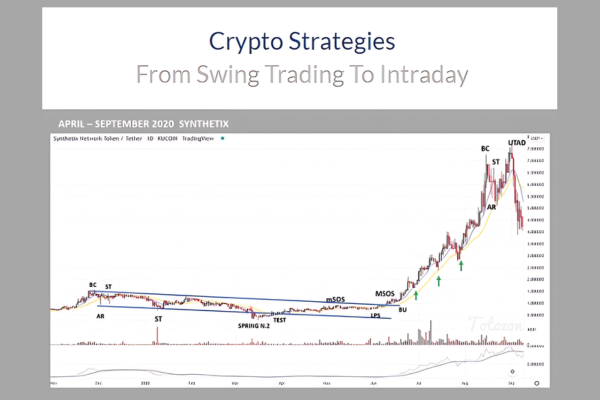 Cloud9Nine Trading Course
1 × $5.00
Cloud9Nine Trading Course
1 × $5.00 -
×
 Ultimate Trading Course with Dodgy's Dungeon
1 × $8.00
Ultimate Trading Course with Dodgy's Dungeon
1 × $8.00 -
×
 Toast FX Course
1 × $5.00
Toast FX Course
1 × $5.00 -
×
 WyseTrade Trading Masterclass Course
1 × $5.00
WyseTrade Trading Masterclass Course
1 × $5.00 -
×
 Andrew Keene's Most Confident Trade Yet
1 × $54.00
Andrew Keene's Most Confident Trade Yet
1 × $54.00 -
×
 The Indices Orderflow Masterclass with The Forex Scalpers
1 × $23.00
The Indices Orderflow Masterclass with The Forex Scalpers
1 × $23.00 -
×
 Options University - FX Options Trading Course 2008
1 × $6.00
Options University - FX Options Trading Course 2008
1 × $6.00 -
×
 Day Trading With Short Term Price Patterns and Opening Range Breakout
1 × $6.00
Day Trading With Short Term Price Patterns and Opening Range Breakout
1 × $6.00 -
×
 Momentum Explained. Vol.2 with Martin Pring
1 × $4.00
Momentum Explained. Vol.2 with Martin Pring
1 × $4.00 -
×
 High Probability Trading Using Elliott Wave And Fibonacci Analysis withVic Patel - Forex Training Group
1 × $10.00
High Probability Trading Using Elliott Wave And Fibonacci Analysis withVic Patel - Forex Training Group
1 × $10.00 -
×
 Joshua ICT ChartLab 2023
1 × $5.00
Joshua ICT ChartLab 2023
1 × $5.00 -
×
 Lifetime Membership
1 × $840.00
Lifetime Membership
1 × $840.00 -
×
 The BFI Trading Course
1 × $6.00
The BFI Trading Course
1 × $6.00 -
×
 Introduction to Amibroker with Howard B.Bandy
1 × $6.00
Introduction to Amibroker with Howard B.Bandy
1 × $6.00 -
×
 Selling Options For A Living Class with Don Kaufman
1 × $6.00
Selling Options For A Living Class with Don Kaufman
1 × $6.00 -
×
 MTI - Scalping Course
1 × $15.00
MTI - Scalping Course
1 × $15.00 -
×
 MTPredictor RT build 45 for Tradestation, eSignal, NinjaTrader (mtpredictor.com)
1 × $6.00
MTPredictor RT build 45 for Tradestation, eSignal, NinjaTrader (mtpredictor.com)
1 × $6.00 -
×
 Options University - Ron Ianieri – The Option Pricing Model
1 × $6.00
Options University - Ron Ianieri – The Option Pricing Model
1 × $6.00 -
×
 Zen in the Markets with Edward Allen Toppel
1 × $6.00
Zen in the Markets with Edward Allen Toppel
1 × $6.00 -
×
 Targeting Profitable Entry & Exit Points with Alan Farley
1 × $6.00
Targeting Profitable Entry & Exit Points with Alan Farley
1 × $6.00 -
×
 Winning System For Trading High-Performance Stocks with Tim Cho
1 × $6.00
Winning System For Trading High-Performance Stocks with Tim Cho
1 × $6.00 -
×
 Quantum Swing Trader
1 × $6.00
Quantum Swing Trader
1 × $6.00 -
×
 Flux Trigger Pack - Back To The Future Trading
1 × $15.00
Flux Trigger Pack - Back To The Future Trading
1 × $15.00

Slapped by the Invisible Hand: The Panic of 2007 with Gary Gorton
$6.00
File Size: Coming soon!
Delivery Time: 1–12 hours
Media Type: Online Course
Content Proof: Watch Here!
You may check content proof of “Slapped by the Invisible Hand: The Panic of 2007 with Gary Gorton” below:

Slapped by the Invisible Hand: The Panic of 2007 with Gary Gorton
The Panic of 2007 marked the beginning of the most severe financial crisis since the Great Depression. In his book “Slapped by the Invisible Hand,” Gary Gorton, a renowned economist, provides a comprehensive analysis of the events leading up to the crisis, its causes, and its implications. This article explores Gorton’s insights and offers a detailed examination of the factors that contributed to the Panic of 2007.
Introduction to the Panic of 2007
What Was the Panic of 2007?
The Panic of 2007 was a financial crisis triggered by the collapse of the housing bubble in the United States, leading to a severe liquidity crisis in the banking system.
Who is Gary Gorton?
Gary Gorton is a professor of economics and a leading expert in financial crises. His book, “Slapped by the Invisible Hand,” provides an in-depth analysis of the 2007 financial panic.
Root Causes of the Crisis
1. Housing Bubble
Rapid Increase in Home Prices
The housing bubble was characterized by a rapid increase in home prices, driven by speculative investments and easy credit.
Subprime Mortgages
Lenders issued subprime mortgages to borrowers with poor credit, contributing to the unsustainable growth in the housing market.
2. Securitization of Mortgages
Mortgage-Backed Securities (MBS)
Mortgages were bundled into securities and sold to investors, spreading the risk across the financial system.
Complex Financial Products
The creation of complex financial products, such as collateralized debt obligations (CDOs), further exacerbated the risk.
3. Lack of Regulation
Inadequate Oversight
Regulatory bodies failed to adequately oversee the financial practices that led to the crisis.
Shadow Banking System
The growth of the shadow banking system, which operated outside traditional regulatory frameworks, increased systemic risk.
The Crisis Unfolds
1. Initial Signs of Trouble
Rising Mortgage Defaults
As home prices began to decline, mortgage defaults increased, signaling the start of the crisis.
Liquidity Shortages
Banks faced liquidity shortages as the value of mortgage-backed securities plummeted.
2. Bank Failures
Collapse of Major Institutions
Several major financial institutions, including Lehman Brothers, collapsed under the weight of toxic assets.
Government Bailouts
The government intervened with bailouts to prevent a complete collapse of the financial system.
Gorton’s Analysis of the Panic
1. Role of Information Asymmetry
Market Uncertainty
Gorton argues that information asymmetry, where market participants lacked knowledge about the true value of mortgage-backed securities, played a critical role in the panic.
2. Bank Runs on the Shadow Banking System
Modern-Day Bank Runs
The crisis saw modern-day bank runs on the shadow banking system, where investors rapidly withdrew their funds.
3. Importance of Repo Markets
Repo Market Dynamics
Gorton highlights the significance of the repurchase agreement (repo) market in the crisis, where banks borrowed short-term funds against collateral.
Impacts of the Panic
1. Economic Recession
Global Recession
The financial panic led to a global recession, with widespread economic downturns and job losses.
Impact on GDP
Global GDP contracted significantly, highlighting the severe economic impact of the crisis.
2. Policy Responses
Monetary Policy
Central banks implemented aggressive monetary policies, including lowering interest rates and quantitative easing, to stabilize the economy.
Regulatory Reforms
Regulatory reforms, such as the Dodd-Frank Act, were introduced to prevent future crises.
Lessons Learned
1. Need for Better Regulation
Strengthening Oversight
The crisis underscored the need for stronger regulatory oversight of the financial system.
2. Importance of Transparency
Reducing Information Asymmetry
Increasing transparency in financial markets is crucial to reducing information asymmetry and preventing future crises.
3. Role of Central Banks
Stabilizing the Financial System
Central banks play a vital role in stabilizing the financial system during periods of crisis.
Gorton’s Recommendations
1. Reforming the Repo Market
Improving Repo Market Stability
Gorton suggests reforms to improve the stability and transparency of the repo market.
2. Enhancing Financial Regulations
Comprehensive Oversight
Implementing comprehensive oversight of all financial institutions, including those in the shadow banking system, is essential.
3. Strengthening Crisis Management
Preparedness for Future Crises
Developing robust crisis management frameworks can help mitigate the impact of future financial panics.
Conclusion
Gary Gorton’s “Slapped by the Invisible Hand” provides a profound analysis of the Panic of 2007, shedding light on the underlying causes and offering valuable lessons for preventing future crises. By understanding the complexities of the financial system and implementing effective regulatory measures, we can work towards a more stable and resilient economy.
FAQs
1. What caused the Panic of 2007?
The Panic of 2007 was caused by the collapse of the housing bubble, the securitization of mortgages, and inadequate financial regulation.
2. How did Gary Gorton explain the role of information asymmetry in the crisis?
Gorton highlighted that information asymmetry, where market participants lacked knowledge about the true value of mortgage-backed securities, played a critical role in the panic.
3. What were the impacts of the Panic of 2007?
The crisis led to a global recession, significant job losses, and widespread economic downturns.
4. What lessons were learned from the Panic of 2007?
Key lessons include the need for better regulation, increased transparency, and the critical role of central banks in stabilizing the financial system.
5. What are Gary Gorton’s recommendations for preventing future crises?
Gorton recommends reforming the repo market, enhancing financial regulations, and strengthening crisis management frameworks.
Be the first to review “Slapped by the Invisible Hand: The Panic of 2007 with Gary Gorton”
You must be logged in to post a review.
Related products

Forex Trading
Original price was: $2,997.00.$23.00Current price is: $23.00.

Original price was: $700.00.$39.00Current price is: $39.00.

Forex Trading
Original price was: $999.00.$15.00Current price is: $15.00.

Forex Trading
Original price was: $397.00.$31.00Current price is: $31.00.

Original price was: $799.00.$15.00Current price is: $15.00.

Forex Trading
Original price was: $500.00.$5.00Current price is: $5.00.
Forex Trading
Original price was: $2,995.00.$31.00Current price is: $31.00.
Original price was: $310.00.$23.00Current price is: $23.00.
Original price was: $997.00.$13.00Current price is: $13.00.
Original price was: $1,849.00.$15.00Current price is: $15.00.

Original price was: $497.00.$11.00Current price is: $11.00.

Original price was: $497.00.$31.00Current price is: $31.00.
Original price was: $450.00.$23.00Current price is: $23.00.
Forex Trading
Original price was: $239.00.$8.00Current price is: $8.00.

Original price was: $997.00.$8.00Current price is: $8.00.
Forex Trading
Original price was: $797.00.$10.00Current price is: $10.00.

Forex Trading
Original price was: $125.00.$17.00Current price is: $17.00.

Forex Trading
Original price was: $4,997.00.$27.00Current price is: $27.00.
Original price was: $2,120.00.$15.00Current price is: $15.00.
Forex Trading
Original price was: $550.00.$5.00Current price is: $5.00.

Reviews
There are no reviews yet.