
-
×
 TradeCraft: Your Path to Peak Performance Trading By Adam Grimes
1 × $15.00
TradeCraft: Your Path to Peak Performance Trading By Adam Grimes
1 × $15.00 -
×
 FuturesTrader71 - webinar series (4 webinars)
1 × $6.00
FuturesTrader71 - webinar series (4 webinars)
1 × $6.00 -
×
 Sure Thing Stock Investing with Larry Williams
1 × $6.00
Sure Thing Stock Investing with Larry Williams
1 × $6.00 -
×
 Dow Theory for the 21st Century: Technical Indicators for Improving Your Investment Results with Jack Schannep
1 × $6.00
Dow Theory for the 21st Century: Technical Indicators for Improving Your Investment Results with Jack Schannep
1 × $6.00 -
×
 Learn Plan Profit 2.0 with Ricky Gutierrez
1 × $39.00
Learn Plan Profit 2.0 with Ricky Gutierrez
1 × $39.00 -
×
 Learn Before you Loose
1 × $6.00
Learn Before you Loose
1 × $6.00 -
×
 The Prop Trading Code with Brannigan Barrett - Axia Futures
1 × $23.00
The Prop Trading Code with Brannigan Barrett - Axia Futures
1 × $23.00 -
×
 Romeo’s University of Turtle Soup with Romeo
1 × $6.00
Romeo’s University of Turtle Soup with Romeo
1 × $6.00 -
×
 Mao, Marx & the Market: Capitalist Adventures in Russia and China with Dean LeBaro
1 × $6.00
Mao, Marx & the Market: Capitalist Adventures in Russia and China with Dean LeBaro
1 × $6.00 -
×
 Market Neutral Strategies with Bruce I.Jacobs & Kenneth N.Levy
1 × $6.00
Market Neutral Strategies with Bruce I.Jacobs & Kenneth N.Levy
1 × $6.00 -
×
 Futures Trading Blueprint with Day Trader Next Door
1 × $5.00
Futures Trading Blueprint with Day Trader Next Door
1 × $5.00 -
×
 Forex Fortune Factory with Nehemiah Douglass & Cottrell Phillip
1 × $5.00
Forex Fortune Factory with Nehemiah Douglass & Cottrell Phillip
1 × $5.00 -
×
 Option Alpha Signals
1 × $15.00
Option Alpha Signals
1 × $15.00 -
×
 E-mini Weekly Options Income with Peter Titus
1 × $15.00
E-mini Weekly Options Income with Peter Titus
1 × $15.00 -
×
 Algo Trading Masterclass with Ali Casey - StatOasis
1 × $23.00
Algo Trading Masterclass with Ali Casey - StatOasis
1 × $23.00 -
×
 Master Stock Course
1 × $6.00
Master Stock Course
1 × $6.00 -
×
 Scanning for Gold with Doug Sutton
1 × $31.00
Scanning for Gold with Doug Sutton
1 × $31.00 -
×
 Executive Mentoring Elliot Wave Course (Video & Manuals)
1 × $6.00
Executive Mentoring Elliot Wave Course (Video & Manuals)
1 × $6.00 -
×
 The Aime Workshop with Clay Marafiote
1 × $6.00
The Aime Workshop with Clay Marafiote
1 × $6.00 -
×
 How to Make Money with Real State Options with Thomas Lucier
1 × $6.00
How to Make Money with Real State Options with Thomas Lucier
1 × $6.00 -
×
 Futures Spreads Crash Course with Base Camp Trading
1 × $54.00
Futures Spreads Crash Course with Base Camp Trading
1 × $54.00 -
×
 Forex Eye
1 × $5.00
Forex Eye
1 × $5.00 -
×
 Scientific Forex with Cristina Ciurea
1 × $6.00
Scientific Forex with Cristina Ciurea
1 × $6.00 -
×
 The Beginners Guide to Commodities Investing with Brian & Gayle Rice
1 × $6.00
The Beginners Guide to Commodities Investing with Brian & Gayle Rice
1 × $6.00 -
×
 MTA - Technically Speaking Newsletters
1 × $6.00
MTA - Technically Speaking Newsletters
1 × $6.00 -
×
 Market Magic: Riding the Greatest Bull Market of the Century with Louise Yamada
1 × $6.00
Market Magic: Riding the Greatest Bull Market of the Century with Louise Yamada
1 × $6.00 -
×
 CyberTrading University – Advanced Stock Course
1 × $31.00
CyberTrading University – Advanced Stock Course
1 × $31.00 -
×
 Mastering Daily Option Trading with Option Pit
1 × $93.00
Mastering Daily Option Trading with Option Pit
1 × $93.00 -
×
 Onyx Platinum Trading Accelerator 2.0 with Nick Deflorio
1 × $6.00
Onyx Platinum Trading Accelerator 2.0 with Nick Deflorio
1 × $6.00 -
×
 Active Trading Course Notes with Alan Hull
1 × $6.00
Active Trading Course Notes with Alan Hull
1 × $6.00 -
×
 Frank Kern Courses Collection (23+ Courses)
1 × $20.00
Frank Kern Courses Collection (23+ Courses)
1 × $20.00 -
×
 Mechanical Timing Systems. The Key to Consistent Profits & Sharper Trading with Nelson Freeburg
1 × $6.00
Mechanical Timing Systems. The Key to Consistent Profits & Sharper Trading with Nelson Freeburg
1 × $6.00 -
×
 London Super Conference 2018
1 × $54.00
London Super Conference 2018
1 × $54.00 -
×
 Bond Market Course with The Macro Compass
1 × $15.00
Bond Market Course with The Macro Compass
1 × $15.00 -
×
 ETF Trading Strategies Revealed with David Vomund
1 × $6.00
ETF Trading Strategies Revealed with David Vomund
1 × $6.00 -
×
 Classic Indicators Back to the Future with Linda Raschke
1 × $4.00
Classic Indicators Back to the Future with Linda Raschke
1 × $4.00 -
×
 Trading Option Greeks with Dan Passarelli
1 × $6.00
Trading Option Greeks with Dan Passarelli
1 × $6.00 -
×
 Pete Fader VSA Course
1 × $6.00
Pete Fader VSA Course
1 × $6.00 -
×
 How to Trade in Stocks
1 × $6.00
How to Trade in Stocks
1 × $6.00 -
×
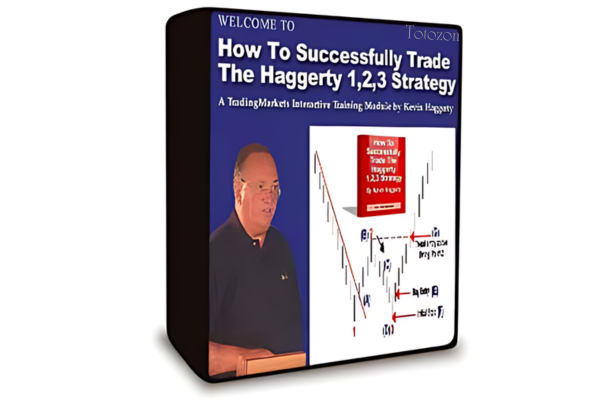 How To Successfully Trade The Haggerty 1,2,3 Strategy Home Study Trading Course with Kevin Haggerty
1 × $6.00
How To Successfully Trade The Haggerty 1,2,3 Strategy Home Study Trading Course with Kevin Haggerty
1 × $6.00 -
×
 TRAING IRON CONDORS IN ANY ENVIRONMENT with Sheridan Options Mentoring
1 × $15.00
TRAING IRON CONDORS IN ANY ENVIRONMENT with Sheridan Options Mentoring
1 × $15.00 -
×
 Options Trading & Ultimate MasterClass With Tyrone Abela - FX Evolution
1 × $54.00
Options Trading & Ultimate MasterClass With Tyrone Abela - FX Evolution
1 × $54.00 -
×
 Main Online Course with MadCharts
1 × $5.00
Main Online Course with MadCharts
1 × $5.00 -
×
 MTA Master Trader Academy with Junior Charles
1 × $5.00
MTA Master Trader Academy with Junior Charles
1 × $5.00 -
×
 Butterfly and Condor Workshop with Aeromir
1 × $15.00
Butterfly and Condor Workshop with Aeromir
1 × $15.00 -
×
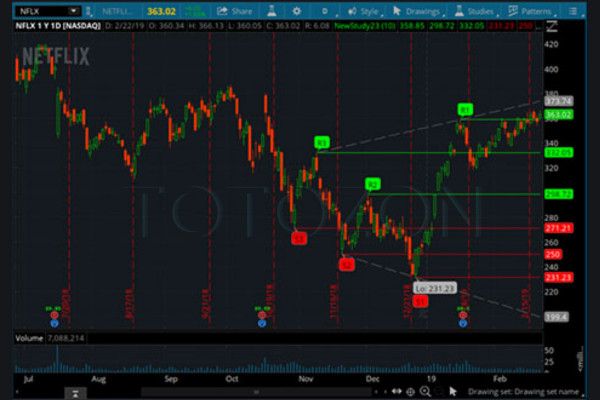 MQ Gravity Lines with Base Camp Trading
1 × $54.00
MQ Gravity Lines with Base Camp Trading
1 × $54.00 -
×
 SnD SMC Course
1 × $10.00
SnD SMC Course
1 × $10.00 -
×
 Essentials in Quantitative Trading QT01 By HangukQuant's
1 × $23.00
Essentials in Quantitative Trading QT01 By HangukQuant's
1 × $23.00 -
×
 Ultimate Trading Course with Dodgy's Dungeon
1 × $8.00
Ultimate Trading Course with Dodgy's Dungeon
1 × $8.00 -
×
 The Orderflow Masterclass with PrimeTrading
1 × $17.00
The Orderflow Masterclass with PrimeTrading
1 × $17.00 -
×
 Investing for the Long Term with Peter Bernstein
1 × $6.00
Investing for the Long Term with Peter Bernstein
1 × $6.00 -
×
 The Complete Guide to Multiple Time Frame Analysis & Reading Price Action with Aiman Almansoori
1 × $13.00
The Complete Guide to Multiple Time Frame Analysis & Reading Price Action with Aiman Almansoori
1 × $13.00 -
×
 Trading Short TermSame Day Trades Sep 2023 with Dan Sheridan & Mark Fenton - Sheridan Options Mentoring
1 × $31.00
Trading Short TermSame Day Trades Sep 2023 with Dan Sheridan & Mark Fenton - Sheridan Options Mentoring
1 × $31.00 -
×
 Picking the Best Stocks & Strategies for every Option Trade with James Bittman
1 × $6.00
Picking the Best Stocks & Strategies for every Option Trade with James Bittman
1 × $6.00 -
×
 How To Read The Market Professionally with TradeSmart
1 × $27.00
How To Read The Market Professionally with TradeSmart
1 × $27.00 -
×
 Matrix Spread Options Trading Course with Base Camp Trading
1 × $31.00
Matrix Spread Options Trading Course with Base Camp Trading
1 × $31.00 -
×
 PayTrading with Eric Shawn
1 × $6.00
PayTrading with Eric Shawn
1 × $6.00 -
×
 Forex 800k Workshop with Spartan Trader
1 × $23.00
Forex 800k Workshop with Spartan Trader
1 × $23.00 -
×
 ICT Prodigy Trading Course – $650K in Payouts with Alex Solignani
1 × $15.00
ICT Prodigy Trading Course – $650K in Payouts with Alex Solignani
1 × $15.00 -
×
 SQX Mentorship with Tip Toe Hippo
1 × $23.00
SQX Mentorship with Tip Toe Hippo
1 × $23.00 -
×
 0 DTE Options Trading Workshop with Aeromir Corporation
1 × $15.00
0 DTE Options Trading Workshop with Aeromir Corporation
1 × $15.00 -
×
 ICT Charter 2020 with Inner Circle Trader
1 × $13.00
ICT Charter 2020 with Inner Circle Trader
1 × $13.00 -
×
 Self-Managed Trading with Stochastics By George Lane
1 × $4.00
Self-Managed Trading with Stochastics By George Lane
1 × $4.00 -
×
 The Naked Eye: Raw Data Analytics with Edgar Torres - Raw Data Analytics
1 × $8.00
The Naked Eye: Raw Data Analytics with Edgar Torres - Raw Data Analytics
1 × $8.00 -
×
 TRADING NFX Course with Andrew NFX
1 × $5.00
TRADING NFX Course with Andrew NFX
1 × $5.00 -
×
 Crypto Trading Academy with Cheeky Investor - Aussie Day Trader
1 × $13.00
Crypto Trading Academy with Cheeky Investor - Aussie Day Trader
1 × $13.00 -
×
 Market Structure Masterclass with Braveheart Trading
1 × $5.00
Market Structure Masterclass with Braveheart Trading
1 × $5.00 -
×
 How to Make Money in the Futures Market … and Lots of It with Charles Drummond
1 × $6.00
How to Make Money in the Futures Market … and Lots of It with Charles Drummond
1 × $6.00 -
×
 Seasonal Charts for Future Traders with Courtney Smith
1 × $4.00
Seasonal Charts for Future Traders with Courtney Smith
1 × $4.00 -
×
 Forex Millionaire Course with Willis University
1 × $6.00
Forex Millionaire Course with Willis University
1 × $6.00 -
×
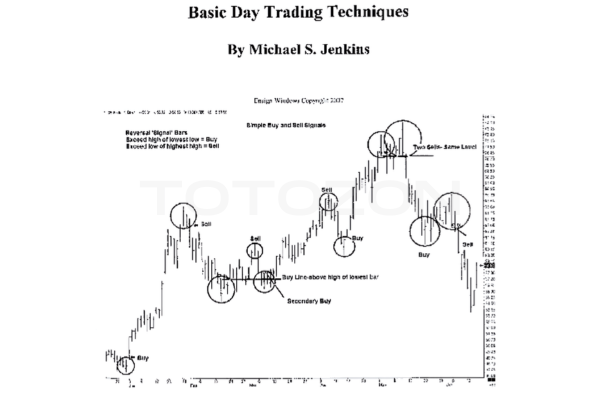 Basic Day Trading Techniques with Michael Jenkins
1 × $6.00
Basic Day Trading Techniques with Michael Jenkins
1 × $6.00 -
×
 Forex Trading Systems Elearning Course - Busted Breakout System with Van Tharp
1 × $6.00
Forex Trading Systems Elearning Course - Busted Breakout System with Van Tharp
1 × $6.00 -
×
 Forecast 2024 Clarification with Larry Williams
1 × $15.00
Forecast 2024 Clarification with Larry Williams
1 × $15.00 -
×
 Best of the Best: Collars with Amy Meissner & Scott Ruble
1 × $15.00
Best of the Best: Collars with Amy Meissner & Scott Ruble
1 × $15.00 -
×
 The A14 Weekly Option Strategy Workshop with Amy Meissner
1 × $23.00
The A14 Weekly Option Strategy Workshop with Amy Meissner
1 × $23.00 -
×
 Fund of Funds Investing: A Roadmap to Portfolio Diversification with David Strachman & Richard Bookbinder
1 × $6.00
Fund of Funds Investing: A Roadmap to Portfolio Diversification with David Strachman & Richard Bookbinder
1 × $6.00 -
×
 Deep Dive Butterfly Trading Strategy Class with SJG Trades
1 × $41.00
Deep Dive Butterfly Trading Strategy Class with SJG Trades
1 × $41.00 -
×
 W. D Gann 's Square Of 9 Applied To Modern Markets with Sean Avidar - Hexatrade350
1 × $23.00
W. D Gann 's Square Of 9 Applied To Modern Markets with Sean Avidar - Hexatrade350
1 × $23.00

Pairs Trading: Quantitative Methods and Analysis with Ganapathy Vidyamurthy
Original price was: $82.00.$6.00Current price is: $6.00.
File Size: Coming soon!
Delivery Time: 1–12 hours
Media Type: Online Course
Content Proof: Watch Here!
You may check content proof of “Pairs Trading: Quantitative Methods and Analysis with Ganapathy Vidyamurthy” below:

Pairs Trading: Quantitative Methods and Analysis with Ganapathy Vidyamurthy
Pairs trading is a market-neutral strategy that involves trading two correlated securities to exploit price discrepancies. Ganapathy Vidyamurthy, a renowned expert in quantitative finance, provides an in-depth analysis of this strategy in his work. In this article, we will explore the fundamentals of pairs trading, the quantitative methods involved, and practical applications based on Vidyamurthy’s insights.
Introduction to Pairs Trading
What is Pairs Trading?
Pairs trading is a statistical arbitrage strategy where two correlated securities are traded simultaneously. Traders buy the undervalued security and sell the overvalued one, aiming to profit from the convergence of their prices.
Who is Ganapathy Vidyamurthy?
Ganapathy Vidyamurthy is a leading expert in quantitative finance, known for his contributions to pairs trading strategies and quantitative analysis. His methodologies provide a robust framework for implementing pairs trading effectively.
Fundamental Concepts of Pairs Trading
1. Market Neutrality
Definition
Pairs trading is market-neutral, meaning it is designed to profit regardless of market direction. This reduces exposure to market risk.
2. Correlation and Cointegration
Correlation
Correlation measures the degree to which two securities move in relation to each other. High correlation is essential for pairs trading.
Cointegration
Cointegration indicates a long-term equilibrium relationship between two securities, suggesting that price deviations are temporary and will revert to the mean.
Quantitative Methods in Pairs Trading
1. Identifying Pairs
Statistical Techniques
Use statistical methods such as Pearson’s correlation coefficient and Johansen’s cointegration test to identify suitable pairs for trading.
2. Spread Calculation
Price Spread
The price spread is the difference between the prices of the two securities. Monitoring the spread helps identify trading opportunities.
Z-Score Calculation
The Z-score measures the number of standard deviations the current spread is from the mean. A high absolute Z-score indicates a potential trading signal.
3. Trading Signals
Entry and Exit Points
Enter a trade when the Z-score exceeds a certain threshold (e.g., ±2). Exit the trade when the spread reverts to the mean.
Stop-Loss and Take-Profit Levels
Set stop-loss and take-profit levels to manage risk and lock in profits.
Implementing Pairs Trading Strategies
1. Data Collection and Analysis
Historical Data
Collect historical price data for the selected pairs. Use this data to analyze correlation and cointegration.
2. Backtesting
Simulating Trades
Backtest the strategy using historical data to evaluate its performance. This helps identify potential issues and refine the strategy.
3. Execution
Automated Trading Systems
Implement the strategy using automated trading systems to execute trades quickly and efficiently.
4. Monitoring and Adjusting
Real-Time Analysis
Continuously monitor the performance of the strategy and make adjustments as needed based on real-time data.
Advantages of Pairs Trading
1. Reduced Market Risk
Hedging
Pairs trading hedges against market risk by taking long and short positions simultaneously.
2. Consistent Returns
Exploiting Inefficiencies
The strategy can generate consistent returns by exploiting temporary price inefficiencies between correlated securities.
Challenges in Pairs Trading
1. Identifying Suitable Pairs
Data-Intensive
Finding pairs that are both highly correlated and cointegrated requires extensive data analysis.
2. Transaction Costs
Impact on Profits
High transaction costs can erode profits, especially for frequent trades. Efficient execution and cost management are crucial.
3. Model Risk
Assumptions and Limitations
Quantitative models rely on historical data and assumptions that may not always hold true in the future.
Case Study: Applying Vidyamurthy’s Methods
1. Selecting Pairs
Example
Consider a pair of stocks from the same industry, such as Coca-Cola and PepsiCo. These companies are likely to be correlated due to their similar business models.
2. Analyzing Data
Statistical Tests
Perform statistical tests to confirm correlation and cointegration. Calculate the spread and Z-score to identify trading signals.
3. Executing Trades
Entry and Exit
Enter trades based on Z-score thresholds and monitor the positions. Exit when the spread reverts to the mean or reaches the stop-loss/take-profit levels.
Risk Management in Pairs Trading
1. Diversification
Multiple Pairs
Trade multiple pairs to diversify risk and reduce the impact of any single pair’s performance.
2. Capital Allocation
Risk Limits
Allocate capital based on risk limits and ensure no single trade can significantly impact the overall portfolio.
3. Regular Review
Performance Evaluation
Regularly review the performance of the strategy and adjust parameters as needed to optimize returns.
Conclusion
Pairs trading, as explained by Ganapathy Vidyamurthy, offers a robust and market-neutral strategy for exploiting price inefficiencies. By understanding and applying quantitative methods, traders can enhance their ability to identify profitable pairs, manage risk, and achieve consistent returns. Continuous monitoring and adaptation are key to maintaining the effectiveness of this strategy in changing market conditions.
FAQs
1. What is pairs trading?
Pairs trading is a market-neutral strategy involving the simultaneous buying and selling of two correlated securities to profit from price discrepancies.
2. How does pairs trading reduce market risk?
Pairs trading reduces market risk by taking both long and short positions, hedging against overall market movements.
3. What are the key quantitative methods in pairs trading?
Key methods include identifying correlated and cointegrated pairs, calculating the spread and Z-score, and backtesting the strategy.
4. Why is cointegration important in pairs trading?
Cointegration indicates a long-term equilibrium relationship between two securities, suggesting that price deviations are temporary and will revert to the mean.
5. What are common challenges in pairs trading?
Challenges include identifying suitable pairs, managing transaction costs, and addressing model risk due to assumptions and data limitations.
Be the first to review “Pairs Trading: Quantitative Methods and Analysis with Ganapathy Vidyamurthy”
You must be logged in to post a review.
Related products

Original price was: $999.00.$5.00Current price is: $5.00.
Original price was: $4,995.00.$15.00Current price is: $15.00.

Forex Trading
Original price was: $697.00.$5.00Current price is: $5.00.
Forex Trading
Original price was: $850.00.$23.00Current price is: $23.00.
Forex Trading
Original price was: $999.00.$15.00Current price is: $15.00.
Forex Trading
The Complete Guide to Multiple Time Frame Analysis & Reading Price Action with Aiman Almansoori
Original price was: $1,399.00.$13.00Current price is: $13.00.

Original price was: $649.00.$20.00Current price is: $20.00.

Original price was: $1,849.00.$15.00Current price is: $15.00.
Original price was: $2,120.00.$15.00Current price is: $15.00.
Original price was: $1,200.00.$23.00Current price is: $23.00.
Original price was: $139.00.$23.00Current price is: $23.00.

Forex Trading
Quantamentals – The Next Great Forefront Of Trading and Investing with Trading Markets
Original price was: $1,495.00.$8.00Current price is: $8.00.

Original price was: $497.00.$11.00Current price is: $11.00.
Forex Trading
Original price was: $249.00.$15.00Current price is: $15.00.
Forex Trading
Original price was: $4,997.00.$27.00Current price is: $27.00.
Original price was: $695.00.$41.00Current price is: $41.00.
Original price was: $310.00.$23.00Current price is: $23.00.
Original price was: $997.00.$13.00Current price is: $13.00.
Forex Trading
Original price was: $799.00.$15.00Current price is: $15.00.

Original price was: $450.00.$23.00Current price is: $23.00.

Reviews
There are no reviews yet.