
-
×
 Master Commodities Course
1 × $6.00
Master Commodities Course
1 × $6.00 -
×
 Elliott Wave Street Course with Juan Maldonado
1 × $17.00
Elliott Wave Street Course with Juan Maldonado
1 × $17.00 -
×
![Strike Zone Trading - Forex Course [81 Videos (MP4) + 96 Software files (EXEEX4MQ4CHRWNDTPL) + 17 DOCS (TXTCSVXLSXPDF) + Images (PNGJPGGIF)]](https://www.totozon.com/wp-content/uploads/2024/05/Strike-Zone-Trading-Forex-Course-81-Videos-MP4-96-Software-files-EXEEX4MQ4CHRWNDTPL-17-DOCS-TXTCSVXLSXPDF-Images-PNGJPGGIF.jpg) Strike Zone Trading - Forex Course [81 Videos (MP4) + 96 Software files (EXE/EX4/MQ4/CHR/WND/TPL) + 17 DOCS (TXT/CSV/XLSX/PDF) + Images (PNG/JPG/GIF)]
1 × $6.00
Strike Zone Trading - Forex Course [81 Videos (MP4) + 96 Software files (EXE/EX4/MQ4/CHR/WND/TPL) + 17 DOCS (TXT/CSV/XLSX/PDF) + Images (PNG/JPG/GIF)]
1 × $6.00 -
×
 ETFMax
1 × $31.00
ETFMax
1 × $31.00 -
×
 CNBC 24-7 Trading with Barbara Rockefeller
1 × $6.00
CNBC 24-7 Trading with Barbara Rockefeller
1 × $6.00 -
×
 A Traders Astrological Almanac (2001 – 2006) with Jeanne Long
1 × $6.00
A Traders Astrological Almanac (2001 – 2006) with Jeanne Long
1 × $6.00 -
×
 The Loyalty Effect with Frederick Reichheld
1 × $6.00
The Loyalty Effect with Frederick Reichheld
1 × $6.00 -
×
 ENG Renko Mastery with International Scalpers
1 × $10.00
ENG Renko Mastery with International Scalpers
1 × $10.00 -
×
 The Master Indicator 2023 with Lance Ippolito
1 × $101.00
The Master Indicator 2023 with Lance Ippolito
1 × $101.00 -
×
 Construct & Trade a High Probability Trading System with John L.Person
1 × $6.00
Construct & Trade a High Probability Trading System with John L.Person
1 × $6.00 -
×
 Analysis Of Entry Signals Part Two (Fundamentals) with Joe Marwood
1 × $23.00
Analysis Of Entry Signals Part Two (Fundamentals) with Joe Marwood
1 × $23.00 -
×
 No Bull Investing with Jack Bernstein
1 × $6.00
No Bull Investing with Jack Bernstein
1 × $6.00 -
×
 CFA Level 3 - Examination Morning Session – Essay (2002)
1 × $6.00
CFA Level 3 - Examination Morning Session – Essay (2002)
1 × $6.00 -
×
 Smashing False Breakouts with Better System Trader
1 × $5.00
Smashing False Breakouts with Better System Trader
1 × $5.00 -
×
 Trading in the Bluff with John Templeton
1 × $6.00
Trading in the Bluff with John Templeton
1 × $6.00 -
×
 Trading Psychology - How to Think Like a Professional Trader - 4 DVD
1 × $6.00
Trading Psychology - How to Think Like a Professional Trader - 4 DVD
1 × $6.00 -
×
 Wheels of Gann. Top Secret Forecast Guide with Pat Reda
1 × $6.00
Wheels of Gann. Top Secret Forecast Guide with Pat Reda
1 × $6.00 -
×
 Symmetry Wave Theory with Michael Gur
1 × $6.00
Symmetry Wave Theory with Michael Gur
1 × $6.00 -
×
 Fig Combo Course
1 × $5.00
Fig Combo Course
1 × $5.00 -
×
 Commodity Options: Trading and Hedging Volatility in the World’s Most Lucrative Market with Carley Garner & Paul Brittain
1 × $6.00
Commodity Options: Trading and Hedging Volatility in the World’s Most Lucrative Market with Carley Garner & Paul Brittain
1 × $6.00 -
×
 AI For Traders with Trading Markets
1 × $31.00
AI For Traders with Trading Markets
1 × $31.00 -
×
 Forex Fortune Factory with Nehemiah Douglass & Cottrell Phillip
1 × $5.00
Forex Fortune Factory with Nehemiah Douglass & Cottrell Phillip
1 × $5.00 -
×
 Developing the Psychological Trader’s Edge with Robin Dayne
1 × $6.00
Developing the Psychological Trader’s Edge with Robin Dayne
1 × $6.00 -
×
 Dynamic Time Cycles with Peter Eliades
1 × $6.00
Dynamic Time Cycles with Peter Eliades
1 × $6.00 -
×
 My Favorite Trades – Trading Mastery
1 × $6.00
My Favorite Trades – Trading Mastery
1 × $6.00 -
×
 Design for Six Sigma with Subir Chowdhury
1 × $6.00
Design for Six Sigma with Subir Chowdhury
1 × $6.00 -
×
 Stock Market Rules (3rd Ed.) with Michael Sheimo
1 × $6.00
Stock Market Rules (3rd Ed.) with Michael Sheimo
1 × $6.00 -
×
 Alternative Assets and Strategic Allocation with John Abbink
1 × $6.00
Alternative Assets and Strategic Allocation with John Abbink
1 × $6.00 -
×
 Collection of Articles and Webinars with Sunil Mangwani [9 Videos (FLVs) + 14 eBooks
1 × $6.00
Collection of Articles and Webinars with Sunil Mangwani [9 Videos (FLVs) + 14 eBooks
1 × $6.00 -
×
 Affinity Foundation Option Course with Affinitytrading
1 × $6.00
Affinity Foundation Option Course with Affinitytrading
1 × $6.00 -
×
 Crypto Trading Cyber Security for Bitcoin & Altcoin Holders with Zlatin Georgiev
1 × $5.00
Crypto Trading Cyber Security for Bitcoin & Altcoin Holders with Zlatin Georgiev
1 × $5.00 -
×
 Trading for a Living with Alexander Elder
1 × $6.00
Trading for a Living with Alexander Elder
1 × $6.00 -
×
 4×4 Course with Gregoire Dupont
1 × $6.00
4×4 Course with Gregoire Dupont
1 × $6.00 -
×
 Timing the Market with Curtis Arnold
1 × $6.00
Timing the Market with Curtis Arnold
1 × $6.00 -
×
 Forex Income Engine Course 2008 - 6 CDs + Manual
1 × $6.00
Forex Income Engine Course 2008 - 6 CDs + Manual
1 × $6.00 -
×
 Day Trade Online (2nd Ed.) with Christopher Farrell
1 × $6.00
Day Trade Online (2nd Ed.) with Christopher Farrell
1 × $6.00 -
×
 7 Days Options Masters Course with John Carter
1 × $54.00
7 Days Options Masters Course with John Carter
1 × $54.00 -
×
 Forecast for 2010 with Larry Williams
1 × $6.00
Forecast for 2010 with Larry Williams
1 × $6.00 -
×
 Vertex Investing Course
1 × $6.00
Vertex Investing Course
1 × $6.00 -
×
 The Trading Blueprint with Brad Goh - The Trading Geek
1 × $5.00
The Trading Blueprint with Brad Goh - The Trading Geek
1 × $5.00 -
×
 How To Invest By Instinct: Instinctively Self Guided Investments with Lin Eldridge
1 × $6.00
How To Invest By Instinct: Instinctively Self Guided Investments with Lin Eldridge
1 × $6.00 -
×
 Trading with Price Ladder and Order Flow Strategies with Alex Haywood - Axia Futures
1 × $6.00
Trading with Price Ladder and Order Flow Strategies with Alex Haywood - Axia Futures
1 × $6.00 -
×
 The Best Way to Trade Fibonacci On Demand
1 × $15.00
The Best Way to Trade Fibonacci On Demand
1 × $15.00 -
×
 Become A Quant Trader Bundle with Lachezar Haralampiev & Radoslav Haralampiev - Quant Factory
1 × $17.00
Become A Quant Trader Bundle with Lachezar Haralampiev & Radoslav Haralampiev - Quant Factory
1 × $17.00 -
×
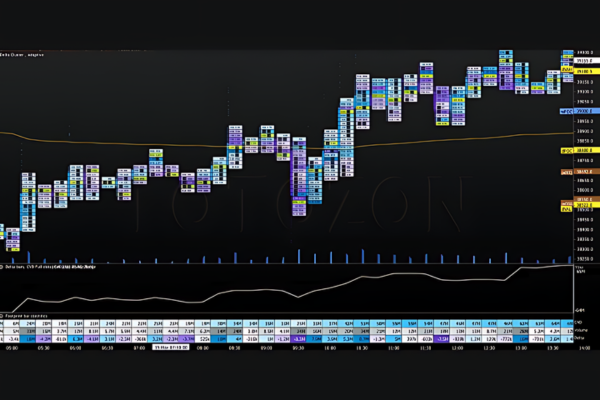 Advanced Trading Course - Footprint Charts, Market Profile & TPO with Jayson Casper
1 × $31.00
Advanced Trading Course - Footprint Charts, Market Profile & TPO with Jayson Casper
1 × $31.00 -
×
 Theotrade - Essential Skills for Consistency in Trading Class
1 × $15.00
Theotrade - Essential Skills for Consistency in Trading Class
1 × $15.00 -
×
 ACB Forex Trading Suite with ACB Forex Trading Solutions
1 × $6.00
ACB Forex Trading Suite with ACB Forex Trading Solutions
1 × $6.00 -
×
 Trading Analysis Crash Course
1 × $23.00
Trading Analysis Crash Course
1 × $23.00 -
×
 The Zurich Axioms with Max Gunther
1 × $6.00
The Zurich Axioms with Max Gunther
1 × $6.00 -
×
 Analysis of Equity Investments: Valuation with John Stowe, Thomas Robinson, Jerald Pinto & Dennis McLeavey
1 × $6.00
Analysis of Equity Investments: Valuation with John Stowe, Thomas Robinson, Jerald Pinto & Dennis McLeavey
1 × $6.00 -
×
 Investing Classroom 2022 with Danny Devan
1 × $15.00
Investing Classroom 2022 with Danny Devan
1 × $15.00 -
×
 Trading With Venus
1 × $31.00
Trading With Venus
1 × $31.00 -
×
 Tornado Trend Trading System with John Bartlett
1 × $6.00
Tornado Trend Trading System with John Bartlett
1 × $6.00 -
×
 Tharp Think Essentials Video Workshop with Van Tharp
1 × $5.00
Tharp Think Essentials Video Workshop with Van Tharp
1 × $5.00 -
×
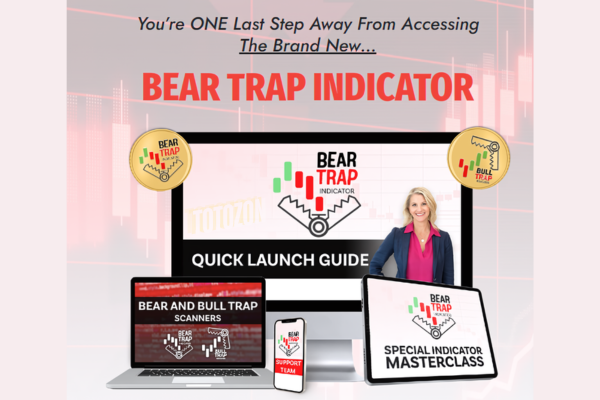 Bear Trap Indicator with Markay Latimer
1 × $5.00
Bear Trap Indicator with Markay Latimer
1 × $5.00 -
×
 Trading Strategies with Larry Sanders
1 × $6.00
Trading Strategies with Larry Sanders
1 × $6.00 -
×
 Original Curriculum with Home Options Trading Course
1 × $6.00
Original Curriculum with Home Options Trading Course
1 × $6.00 -
×
 B.O.S.S. SPY Sniper with Pat Mitchell – Trick Trades
1 × $39.00
B.O.S.S. SPY Sniper with Pat Mitchell – Trick Trades
1 × $39.00 -
×
 Pristine - Trading the Pristine Method 2
1 × $6.00
Pristine - Trading the Pristine Method 2
1 × $6.00 -
×
 Confidence to Hypnotize
1 × $6.00
Confidence to Hypnotize
1 × $6.00 -
×
 Cycle Hunter Book 4 with Brian James Sklenka
1 × $6.00
Cycle Hunter Book 4 with Brian James Sklenka
1 × $6.00 -
×
 SQX Mentorship with Tip Toe Hippo
1 × $23.00
SQX Mentorship with Tip Toe Hippo
1 × $23.00 -
×
 Follow the Fed to Investment Success with Douglas Roberts
1 × $6.00
Follow the Fed to Investment Success with Douglas Roberts
1 × $6.00 -
×
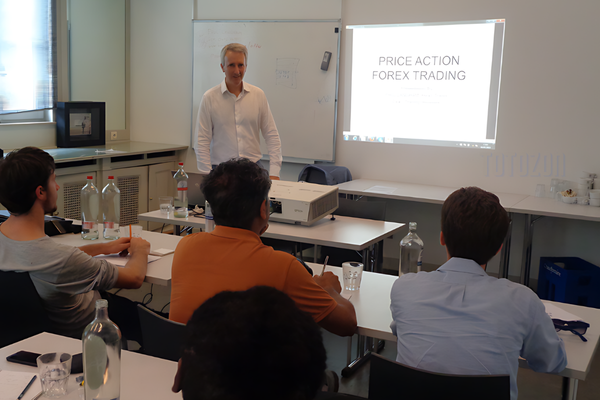 Exacttrading - Price Action Trader Course
1 × $15.00
Exacttrading - Price Action Trader Course
1 × $15.00 -
×
 Forex Trading Using Fibonacci & Elliott Wave with Todd Gordon
1 × $6.00
Forex Trading Using Fibonacci & Elliott Wave with Todd Gordon
1 × $6.00 -
×
 Qualitative - Financial Statement Analysis with Sandesh Banger
1 × $5.00
Qualitative - Financial Statement Analysis with Sandesh Banger
1 × $5.00 -
×
 CBOT Seminar on Market Profile (101 & 102) with Alex Benjamin
1 × $6.00
CBOT Seminar on Market Profile (101 & 102) with Alex Benjamin
1 × $6.00 -
×
 AbleTrend with John Wang & Grace Wang
1 × $6.00
AbleTrend with John Wang & Grace Wang
1 × $6.00 -
×
 Complete Forex Training Series with 4 x Made Easy
1 × $6.00
Complete Forex Training Series with 4 x Made Easy
1 × $6.00 -
×
 Ask the RiskDoctor Q and A [18 Videos (MP4) + 17 Documents (PDF)] with Charles Cottle (The Risk Doctor)
1 × $6.00
Ask the RiskDoctor Q and A [18 Videos (MP4) + 17 Documents (PDF)] with Charles Cottle (The Risk Doctor)
1 × $6.00 -
×
 Tick By Tick By Alphonso Esposito - TradeSmart
1 × $6.00
Tick By Tick By Alphonso Esposito - TradeSmart
1 × $6.00 -
×
 The PPS Trading System with Curtis Arnold
1 × $6.00
The PPS Trading System with Curtis Arnold
1 × $6.00 -
×
 The Indices Orderflow Masterclass with The Forex Scalpers
1 × $23.00
The Indices Orderflow Masterclass with The Forex Scalpers
1 × $23.00

Pairs Trading: Quantitative Methods and Analysis with Ganapathy Vidyamurthy
Original price was: $82.00.$6.00Current price is: $6.00.
File Size: Coming soon!
Delivery Time: 1–12 hours
Media Type: Online Course
Content Proof: Watch Here!
You may check content proof of “Pairs Trading: Quantitative Methods and Analysis with Ganapathy Vidyamurthy” below:

Pairs Trading: Quantitative Methods and Analysis with Ganapathy Vidyamurthy
Pairs trading is a market-neutral strategy that involves trading two correlated securities to exploit price discrepancies. Ganapathy Vidyamurthy, a renowned expert in quantitative finance, provides an in-depth analysis of this strategy in his work. In this article, we will explore the fundamentals of pairs trading, the quantitative methods involved, and practical applications based on Vidyamurthy’s insights.
Introduction to Pairs Trading
What is Pairs Trading?
Pairs trading is a statistical arbitrage strategy where two correlated securities are traded simultaneously. Traders buy the undervalued security and sell the overvalued one, aiming to profit from the convergence of their prices.
Who is Ganapathy Vidyamurthy?
Ganapathy Vidyamurthy is a leading expert in quantitative finance, known for his contributions to pairs trading strategies and quantitative analysis. His methodologies provide a robust framework for implementing pairs trading effectively.
Fundamental Concepts of Pairs Trading
1. Market Neutrality
Definition
Pairs trading is market-neutral, meaning it is designed to profit regardless of market direction. This reduces exposure to market risk.
2. Correlation and Cointegration
Correlation
Correlation measures the degree to which two securities move in relation to each other. High correlation is essential for pairs trading.
Cointegration
Cointegration indicates a long-term equilibrium relationship between two securities, suggesting that price deviations are temporary and will revert to the mean.
Quantitative Methods in Pairs Trading
1. Identifying Pairs
Statistical Techniques
Use statistical methods such as Pearson’s correlation coefficient and Johansen’s cointegration test to identify suitable pairs for trading.
2. Spread Calculation
Price Spread
The price spread is the difference between the prices of the two securities. Monitoring the spread helps identify trading opportunities.
Z-Score Calculation
The Z-score measures the number of standard deviations the current spread is from the mean. A high absolute Z-score indicates a potential trading signal.
3. Trading Signals
Entry and Exit Points
Enter a trade when the Z-score exceeds a certain threshold (e.g., ±2). Exit the trade when the spread reverts to the mean.
Stop-Loss and Take-Profit Levels
Set stop-loss and take-profit levels to manage risk and lock in profits.
Implementing Pairs Trading Strategies
1. Data Collection and Analysis
Historical Data
Collect historical price data for the selected pairs. Use this data to analyze correlation and cointegration.
2. Backtesting
Simulating Trades
Backtest the strategy using historical data to evaluate its performance. This helps identify potential issues and refine the strategy.
3. Execution
Automated Trading Systems
Implement the strategy using automated trading systems to execute trades quickly and efficiently.
4. Monitoring and Adjusting
Real-Time Analysis
Continuously monitor the performance of the strategy and make adjustments as needed based on real-time data.
Advantages of Pairs Trading
1. Reduced Market Risk
Hedging
Pairs trading hedges against market risk by taking long and short positions simultaneously.
2. Consistent Returns
Exploiting Inefficiencies
The strategy can generate consistent returns by exploiting temporary price inefficiencies between correlated securities.
Challenges in Pairs Trading
1. Identifying Suitable Pairs
Data-Intensive
Finding pairs that are both highly correlated and cointegrated requires extensive data analysis.
2. Transaction Costs
Impact on Profits
High transaction costs can erode profits, especially for frequent trades. Efficient execution and cost management are crucial.
3. Model Risk
Assumptions and Limitations
Quantitative models rely on historical data and assumptions that may not always hold true in the future.
Case Study: Applying Vidyamurthy’s Methods
1. Selecting Pairs
Example
Consider a pair of stocks from the same industry, such as Coca-Cola and PepsiCo. These companies are likely to be correlated due to their similar business models.
2. Analyzing Data
Statistical Tests
Perform statistical tests to confirm correlation and cointegration. Calculate the spread and Z-score to identify trading signals.
3. Executing Trades
Entry and Exit
Enter trades based on Z-score thresholds and monitor the positions. Exit when the spread reverts to the mean or reaches the stop-loss/take-profit levels.
Risk Management in Pairs Trading
1. Diversification
Multiple Pairs
Trade multiple pairs to diversify risk and reduce the impact of any single pair’s performance.
2. Capital Allocation
Risk Limits
Allocate capital based on risk limits and ensure no single trade can significantly impact the overall portfolio.
3. Regular Review
Performance Evaluation
Regularly review the performance of the strategy and adjust parameters as needed to optimize returns.
Conclusion
Pairs trading, as explained by Ganapathy Vidyamurthy, offers a robust and market-neutral strategy for exploiting price inefficiencies. By understanding and applying quantitative methods, traders can enhance their ability to identify profitable pairs, manage risk, and achieve consistent returns. Continuous monitoring and adaptation are key to maintaining the effectiveness of this strategy in changing market conditions.
FAQs
1. What is pairs trading?
Pairs trading is a market-neutral strategy involving the simultaneous buying and selling of two correlated securities to profit from price discrepancies.
2. How does pairs trading reduce market risk?
Pairs trading reduces market risk by taking both long and short positions, hedging against overall market movements.
3. What are the key quantitative methods in pairs trading?
Key methods include identifying correlated and cointegrated pairs, calculating the spread and Z-score, and backtesting the strategy.
4. Why is cointegration important in pairs trading?
Cointegration indicates a long-term equilibrium relationship between two securities, suggesting that price deviations are temporary and will revert to the mean.
5. What are common challenges in pairs trading?
Challenges include identifying suitable pairs, managing transaction costs, and addressing model risk due to assumptions and data limitations.
Be the first to review “Pairs Trading: Quantitative Methods and Analysis with Ganapathy Vidyamurthy”
You must be logged in to post a review.
Related products

Original price was: $1,200.00.$23.00Current price is: $23.00.

Forex Trading
Quantamentals – The Next Great Forefront Of Trading and Investing with Trading Markets
Original price was: $1,495.00.$8.00Current price is: $8.00.

Forex Trading
Original price was: $249.00.$15.00Current price is: $15.00.

Original price was: $299.00.$8.00Current price is: $8.00.

Original price was: $197.00.$5.00Current price is: $5.00.

Original price was: $497.00.$11.00Current price is: $11.00.

Forex Trading
Original price was: $499.00.$15.00Current price is: $15.00.

Forex Trading
Original price was: $550.00.$5.00Current price is: $5.00.
Original price was: $450.00.$23.00Current price is: $23.00.

Original price was: $1,800.00.$54.00Current price is: $54.00.

Original price was: $497.00.$31.00Current price is: $31.00.

Original price was: $139.00.$23.00Current price is: $23.00.

Original price was: $895.00.$15.00Current price is: $15.00.

Original price was: $695.00.$41.00Current price is: $41.00.

Original price was: $997.00.$13.00Current price is: $13.00.

Forex Trading
Original price was: $799.00.$15.00Current price is: $15.00.

Forex Trading
Original price was: $239.00.$8.00Current price is: $8.00.

Original price was: $649.00.$20.00Current price is: $20.00.

Forex Trading
Original price was: $999.00.$15.00Current price is: $15.00.

Forex Trading
Original price was: $125.00.$17.00Current price is: $17.00.

Reviews
There are no reviews yet.