
-
×
 Trading NQ At The US Open with TradeSmart
1 × $10.00
Trading NQ At The US Open with TradeSmart
1 × $10.00 -
×
 Scalp Strategy and Flipping Small Accounts with Opes Trading Group
1 × $5.00
Scalp Strategy and Flipping Small Accounts with Opes Trading Group
1 × $5.00 -
×
 Home Run Options Trading Course with Dave Aquino - Base Camp Trading
1 × $11.00
Home Run Options Trading Course with Dave Aquino - Base Camp Trading
1 × $11.00 -
×
 WYCKOFF TRADING COURSE (WTC) PART I – ANALYSIS (Fall 2021) with Roman Bogomazov
1 × $209.00
WYCKOFF TRADING COURSE (WTC) PART I – ANALYSIS (Fall 2021) with Roman Bogomazov
1 × $209.00 -
×
 $20 – 52k 20 pips a day challange with Rafał Zuchowicz - TopMasterTrader
1 × $5.00
$20 – 52k 20 pips a day challange with Rafał Zuchowicz - TopMasterTrader
1 × $5.00 -
×
 Double Top Trader Trading System with Anthony Gibson
1 × $6.00
Double Top Trader Trading System with Anthony Gibson
1 × $6.00 -
×
 Tradingconceptsinc - Calendar Spreads
1 × $23.00
Tradingconceptsinc - Calendar Spreads
1 × $23.00 -
×
 Trading Short TermSame Day Trades Sep 2023 with Dan Sheridan & Mark Fenton - Sheridan Options Mentoring
1 × $31.00
Trading Short TermSame Day Trades Sep 2023 with Dan Sheridan & Mark Fenton - Sheridan Options Mentoring
1 × $31.00 -
×
 Patterns to Profits with Ryan Mallory - Share Planner
1 × $6.00
Patterns to Profits with Ryan Mallory - Share Planner
1 × $6.00 -
×
 Trading Strategies for Capital Markets with Joseph Benning
1 × $6.00
Trading Strategies for Capital Markets with Joseph Benning
1 × $6.00 -
×
 Workshop Earnings Powerplay with Base Camp Trading
1 × $17.00
Workshop Earnings Powerplay with Base Camp Trading
1 × $17.00 -
×
 CFA Level 3 - Examination Morning Session – Essay (2002)
1 × $6.00
CFA Level 3 - Examination Morning Session – Essay (2002)
1 × $6.00 -
×
 Trading Blox Builder 4.3.2.1
1 × $31.00
Trading Blox Builder 4.3.2.1
1 × $31.00 -
×
 High Probability Trading Using Elliott Wave And Fibonacci Analysis withVic Patel - Forex Training Group
1 × $10.00
High Probability Trading Using Elliott Wave And Fibonacci Analysis withVic Patel - Forex Training Group
1 × $10.00 -
×
 Mastering Intraday Trend Days with Corey Rosenbloom
1 × $6.00
Mastering Intraday Trend Days with Corey Rosenbloom
1 × $6.00 -
×
 A New Look at Exit Strategies with Charles LeBeau
1 × $6.00
A New Look at Exit Strategies with Charles LeBeau
1 × $6.00 -
×
 Tail Hedging - Learn to Insure Stocks Against Large Declines with James Marsh
1 × $15.00
Tail Hedging - Learn to Insure Stocks Against Large Declines with James Marsh
1 × $15.00 -
×
 Divergence Super BluePrint with Bill Poulos
1 × $6.00
Divergence Super BluePrint with Bill Poulos
1 × $6.00 -
×
 The Introduction to the Magee System of Technical Analysis CD with John Magee
1 × $6.00
The Introduction to the Magee System of Technical Analysis CD with John Magee
1 × $6.00 -
×
 The House Always Wins with jasonbondpicks
1 × $6.00
The House Always Wins with jasonbondpicks
1 × $6.00 -
×
 VXX Made Easy By Option Pit
1 × $62.00
VXX Made Easy By Option Pit
1 × $62.00 -
×
 Trading the Post with Ron Friedman
1 × $5.00
Trading the Post with Ron Friedman
1 × $5.00 -
×
 Inside the Mind of Trader Stewie - Art of Trading
1 × $23.00
Inside the Mind of Trader Stewie - Art of Trading
1 × $23.00 -
×
 Cashing in on Covered Calls Cash DVD
1 × $6.00
Cashing in on Covered Calls Cash DVD
1 × $6.00 -
×
 Beginners Guide to Swing Trading Growth Stocks with Brandon Chapman
1 × $5.00
Beginners Guide to Swing Trading Growth Stocks with Brandon Chapman
1 × $5.00 -
×
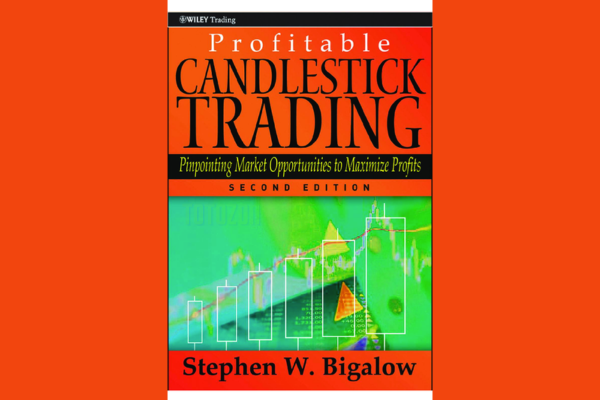 Candlestick Trading Forum Trading Seminar with Stephen W.Bigalow
1 × $4.00
Candlestick Trading Forum Trading Seminar with Stephen W.Bigalow
1 × $4.00 -
×
 Bulletproof Butterflies 2.0 2022 (PREMIUM) with Bruce Marshall
1 × $23.00
Bulletproof Butterflies 2.0 2022 (PREMIUM) with Bruce Marshall
1 × $23.00 -
×
 Come Into My Trading Room: A Complete Guide to Trading with Alexander Elder
1 × $6.00
Come Into My Trading Room: A Complete Guide to Trading with Alexander Elder
1 × $6.00 -
×
 Forex Project Advanced Course with Tyler Crowell
1 × $5.00
Forex Project Advanced Course with Tyler Crowell
1 × $5.00 -
×
 Warrior Trading: Inside the Mind of an Elite Currency Trader with Clifford Bennett
1 × $6.00
Warrior Trading: Inside the Mind of an Elite Currency Trader with Clifford Bennett
1 × $6.00 -
×
 Power Cycle Trading The Ultimate Option Guide: When & How to Use Which Option Strategy For the Best Results - Powercycletrading
1 × $69.00
Power Cycle Trading The Ultimate Option Guide: When & How to Use Which Option Strategy For the Best Results - Powercycletrading
1 × $69.00 -
×
 Complete Stockmarket Trading and Forecasting Course
1 × $6.00
Complete Stockmarket Trading and Forecasting Course
1 × $6.00 -
×
 Market Evolution
1 × $6.00
Market Evolution
1 × $6.00 -
×
 WondaFX Signature Strategy with WondaFX
1 × $5.00
WondaFX Signature Strategy with WondaFX
1 × $5.00 -
×
 CANDLESTICKS APPLIED with Steve Nison & Syl Desaulniers - Candle Charts
1 × $15.00
CANDLESTICKS APPLIED with Steve Nison & Syl Desaulniers - Candle Charts
1 × $15.00 -
×
 NetPicks - Universal Market Trader Course
1 × $6.00
NetPicks - Universal Market Trader Course
1 × $6.00 -
×
 The Hindenburg Strategy with Todd Mitchell
1 × $23.00
The Hindenburg Strategy with Todd Mitchell
1 × $23.00 -
×
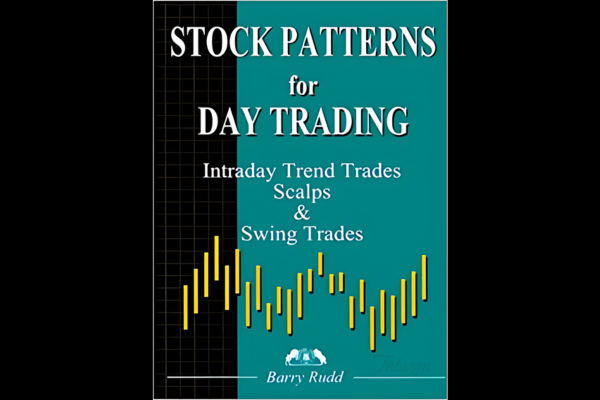 Stock Patterns for DayTrading. Home Study Course
1 × $6.00
Stock Patterns for DayTrading. Home Study Course
1 × $6.00 -
×
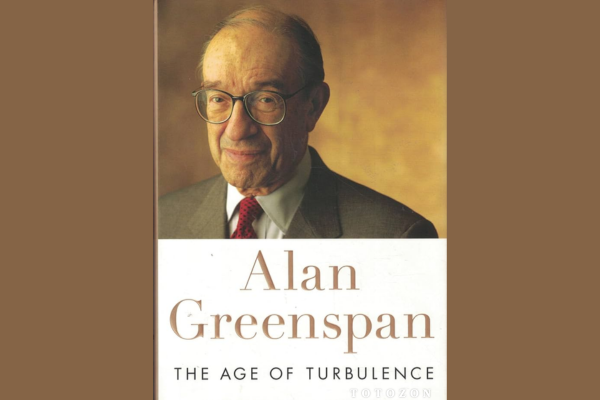 The Age of Turbulence with Alan Greenspan
1 × $6.00
The Age of Turbulence with Alan Greenspan
1 × $6.00 -
×
 Advanced Nasdaq Trading Techniques with Alan Rich
1 × $6.00
Advanced Nasdaq Trading Techniques with Alan Rich
1 × $6.00 -
×
 The Market Geometry Basic Seminar DVD with Market Geometry
1 × $31.00
The Market Geometry Basic Seminar DVD with Market Geometry
1 × $31.00 -
×
 Cyber Trading University - Power Trading 7 CD
1 × $8.00
Cyber Trading University - Power Trading 7 CD
1 × $8.00 -
×
 The Noise Trader Approach to Finance (Article) with Andrei Schleifer, Laurence H.Summers
1 × $6.00
The Noise Trader Approach to Finance (Article) with Andrei Schleifer, Laurence H.Summers
1 × $6.00 -
×
 The Jupiter Effect with John Gribbin & Stephen Plagemann
1 × $6.00
The Jupiter Effect with John Gribbin & Stephen Plagemann
1 × $6.00 -
×
 A Grand Supercycle Top Webinar with Steven Hochberg
1 × $6.00
A Grand Supercycle Top Webinar with Steven Hochberg
1 × $6.00 -
×
 The Day Traders Fast Track Program
1 × $23.00
The Day Traders Fast Track Program
1 × $23.00 -
×
 The Ultimate Investor with Dean LeBaron
1 × $4.00
The Ultimate Investor with Dean LeBaron
1 × $4.00 -
×
 The Prop Trading Code with Brannigan Barrett - Axia Futures
1 × $23.00
The Prop Trading Code with Brannigan Barrett - Axia Futures
1 × $23.00 -
×
 Tradacc – The Volume Profile Formula + Futures Masterclass and Rapid Setups Pack + S&P 500 Secrets Bundle - Aaron Korbs
1 × $5.00
Tradacc – The Volume Profile Formula + Futures Masterclass and Rapid Setups Pack + S&P 500 Secrets Bundle - Aaron Korbs
1 × $5.00 -
×
 War Room Psychology Vol. 1 with Pat Mitchell – Trick Trades
1 × $23.00
War Room Psychology Vol. 1 with Pat Mitchell – Trick Trades
1 × $23.00 -
×
 A Momentum Based Approach to Swing Trading with Dave Landry
1 × $6.00
A Momentum Based Approach to Swing Trading with Dave Landry
1 × $6.00 -
×
 WEBINAR series 5 – EXECUTION: A DETAILED PROCESS with FuturesTrader71
1 × $4.00
WEBINAR series 5 – EXECUTION: A DETAILED PROCESS with FuturesTrader71
1 × $4.00 -
×
 Original Curriculum with Home Options Trading Course
1 × $6.00
Original Curriculum with Home Options Trading Course
1 × $6.00 -
×
 TC Top & Bottom Finder with Trader Confident
1 × $93.00
TC Top & Bottom Finder with Trader Confident
1 × $93.00 -
×
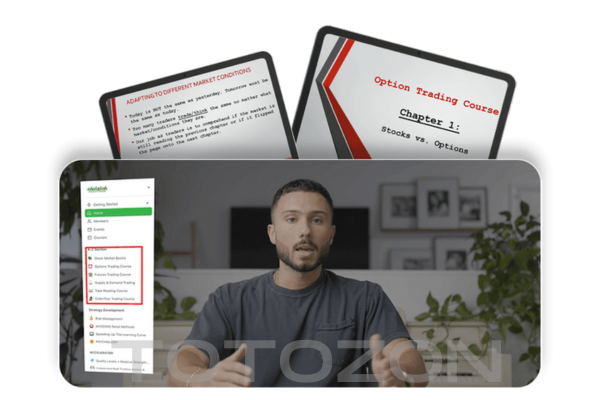 A- Z Educational Trading Course with InvestiTrade
1 × $39.00
A- Z Educational Trading Course with InvestiTrade
1 × $39.00 -
×
 Ultimate Trading Course with Dodgy's Dungeon
1 × $8.00
Ultimate Trading Course with Dodgy's Dungeon
1 × $8.00 -
×
 Intro To Short Selling with Madaz Money
1 × $31.00
Intro To Short Selling with Madaz Money
1 × $31.00 -
×
 The Mathematics of Technical Analysis with Clifford Sherry
1 × $6.00
The Mathematics of Technical Analysis with Clifford Sherry
1 × $6.00 -
×
 MTA Master Trader Academy with Junior Charles
1 × $5.00
MTA Master Trader Academy with Junior Charles
1 × $5.00 -
×
 The Complete Guide to Multiple Time Frame Analysis & Reading Price Action with Aiman Almansoori
1 × $13.00
The Complete Guide to Multiple Time Frame Analysis & Reading Price Action with Aiman Almansoori
1 × $13.00 -
×
 White Phoenix’s The Smart (Money) Approach to Trading with Jayson Casper
1 × $39.00
White Phoenix’s The Smart (Money) Approach to Trading with Jayson Casper
1 × $39.00 -
×
 Wyckoff Analysis Series. Module 2. Wyckoff Candle Volume Analysis
1 × $6.00
Wyckoff Analysis Series. Module 2. Wyckoff Candle Volume Analysis
1 × $6.00 -
×
 The Triple Bottom Line
1 × $6.00
The Triple Bottom Line
1 × $6.00 -
×
 The Orderflow Masterclass with PrimeTrading
1 × $17.00
The Orderflow Masterclass with PrimeTrading
1 × $17.00 -
×
 CarterFX Membership with Duran Carter
1 × $23.00
CarterFX Membership with Duran Carter
1 × $23.00 -
×
 Quantamentals - The Next Great Forefront Of Trading and Investing with Trading Markets
1 × $8.00
Quantamentals - The Next Great Forefront Of Trading and Investing with Trading Markets
1 × $8.00 -
×
 NY 6 - Jason McDonald – Why Shorts are Hard to Find and How You Can Find Great Shorts
1 × $6.00
NY 6 - Jason McDonald – Why Shorts are Hard to Find and How You Can Find Great Shorts
1 × $6.00 -
×
 Trading The Nasdaq Seminar with Alan Rich
1 × $6.00
Trading The Nasdaq Seminar with Alan Rich
1 × $6.00 -
×
 30 Days to Market Mastery: A Step-by-Step Guide to Profitable Trading with Jack Bernstein
1 × $6.00
30 Days to Market Mastery: A Step-by-Step Guide to Profitable Trading with Jack Bernstein
1 × $6.00 -
×
 AstroFX Course
1 × $6.00
AstroFX Course
1 × $6.00 -
×
 A Process for Prudential Institutional Investment with Bancroft, Caldwell, McSweeny
1 × $6.00
A Process for Prudential Institutional Investment with Bancroft, Caldwell, McSweeny
1 × $6.00 -
×
 Micro Bull Run Mentorship Program (Autumn 2023) with Brendan Viehman
1 × $23.00
Micro Bull Run Mentorship Program (Autumn 2023) with Brendan Viehman
1 × $23.00 -
×
 Trading Masterclass POTM + PFTM + PTMI with Anton Kreil
1 × $6.00
Trading Masterclass POTM + PFTM + PTMI with Anton Kreil
1 × $6.00 -
×
 TradingWithBilz Course
1 × $10.00
TradingWithBilz Course
1 × $10.00 -
×
 PDFT (Price Driven Forex Trading) Course with Avi Frister
1 × $6.00
PDFT (Price Driven Forex Trading) Course with Avi Frister
1 × $6.00 -
×
 Knowing Where the Energy is Coming From with Charles Drummond
1 × $6.00
Knowing Where the Energy is Coming From with Charles Drummond
1 × $6.00 -
×
 Currency Trading Seminar with Peter Bain
1 × $6.00
Currency Trading Seminar with Peter Bain
1 × $6.00 -
×
 Investment Intelligence from Insider Trading with H.N.Seyhun
1 × $6.00
Investment Intelligence from Insider Trading with H.N.Seyhun
1 × $6.00 -
×
 The Tyler Method For Successful Triangle Trading with Chris Tyler
1 × $6.00
The Tyler Method For Successful Triangle Trading with Chris Tyler
1 × $6.00 -
×
 Bulk REO 2.0
1 × $23.00
Bulk REO 2.0
1 × $23.00 -
×
 Options Trading & Ultimate MasterClass With Tyrone Abela - FX Evolution
1 × $54.00
Options Trading & Ultimate MasterClass With Tyrone Abela - FX Evolution
1 × $54.00 -
×
 Butterfly and Condor Workshop with Aeromir
1 × $15.00
Butterfly and Condor Workshop with Aeromir
1 × $15.00 -
×
 The 3 Dimensional Trading Breakthrough with Brian Schad
1 × $6.00
The 3 Dimensional Trading Breakthrough with Brian Schad
1 × $6.00 -
×
 Beginners Guide To Technical Analysis with Henry Gambell
1 × $15.00
Beginners Guide To Technical Analysis with Henry Gambell
1 × $15.00 -
×
 How To Read The Market Professionally with TradeSmart
1 × $27.00
How To Read The Market Professionally with TradeSmart
1 × $27.00 -
×
 Trading Systems Explained with Martin Pring
1 × $6.00
Trading Systems Explained with Martin Pring
1 × $6.00 -
×
 Beginner Boot Camp with Optionpit
1 × $62.00
Beginner Boot Camp with Optionpit
1 × $62.00 -
×
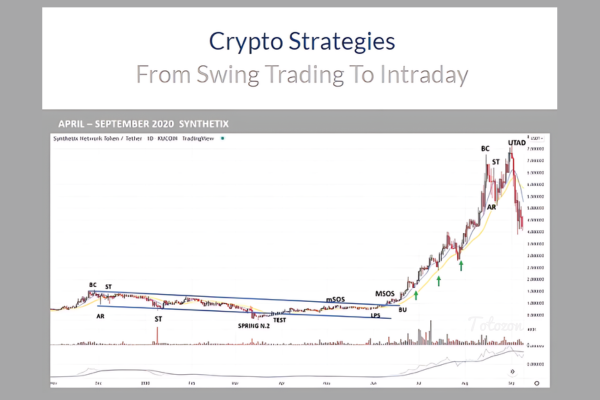 Crypto Strategies From Swing Trading To Intraday with Alessio Rutigliano & Roman Bogomazov
1 × $17.00
Crypto Strategies From Swing Trading To Intraday with Alessio Rutigliano & Roman Bogomazov
1 × $17.00 -
×
 Algo Trading Masterclass with Ali Casey - StatOasis
1 × $23.00
Algo Trading Masterclass with Ali Casey - StatOasis
1 × $23.00 -
×
 Trade Execution with Yuri Shramenko
1 × $6.00
Trade Execution with Yuri Shramenko
1 × $6.00 -
×
 ActiveBeta Indexes. Capturing Systematic Sources of Active Equity Returns (HTML) with Andrew Lo
1 × $6.00
ActiveBeta Indexes. Capturing Systematic Sources of Active Equity Returns (HTML) with Andrew Lo
1 × $6.00 -
×
 Mastering Risk Modeling with Excel by Alastair Day
1 × $6.00
Mastering Risk Modeling with Excel by Alastair Day
1 × $6.00 -
×
 Investing in the stock market
1 × $6.00
Investing in the stock market
1 × $6.00 -
×
 Trading to Win (Seminar WorkBook 2003) with Bruce Gilmore
1 × $6.00
Trading to Win (Seminar WorkBook 2003) with Bruce Gilmore
1 × $6.00 -
×
 Earnings Power Play with Dave Aquino
1 × $15.00
Earnings Power Play with Dave Aquino
1 × $15.00 -
×
 Andy’s EMini Bar – 40 Min System with Joe Ross
1 × $6.00
Andy’s EMini Bar – 40 Min System with Joe Ross
1 × $6.00 -
×
 VIP - One on One Coursework with Talkin Options
1 × $15.00
VIP - One on One Coursework with Talkin Options
1 × $15.00 -
×
 Beginner Options Trading Class with Bill Johnson
1 × $6.00
Beginner Options Trading Class with Bill Johnson
1 × $6.00 -
×
 The Psychology of Investing with John Nofsinger
1 × $6.00
The Psychology of Investing with John Nofsinger
1 × $6.00 -
×
 A Day Trading Guide
1 × $54.00
A Day Trading Guide
1 × $54.00 -
×
 The Nature of Risk with Justin Mamis
1 × $6.00
The Nature of Risk with Justin Mamis
1 × $6.00 -
×
 The Stock Market Trading Secrets of the Late (1940, scaned)
1 × $6.00
The Stock Market Trading Secrets of the Late (1940, scaned)
1 × $6.00 -
×
Professional Approaches to Directional Option Trading with Option Pit
1 × $23.00
-
×
 Ron Wagner - Creating a Profitable Trading & Investing Plan + Techniques to Perfect Your Intraday GAP
1 × $6.00
Ron Wagner - Creating a Profitable Trading & Investing Plan + Techniques to Perfect Your Intraday GAP
1 × $6.00

Pairs Trading: Quantitative Methods and Analysis with Ganapathy Vidyamurthy
Original price was: $82.00.$6.00Current price is: $6.00.
File Size: Coming soon!
Delivery Time: 1–12 hours
Media Type: Online Course
Content Proof: Watch Here!
You may check content proof of “Pairs Trading: Quantitative Methods and Analysis with Ganapathy Vidyamurthy” below:

Pairs Trading: Quantitative Methods and Analysis with Ganapathy Vidyamurthy
Pairs trading is a market-neutral strategy that involves trading two correlated securities to exploit price discrepancies. Ganapathy Vidyamurthy, a renowned expert in quantitative finance, provides an in-depth analysis of this strategy in his work. In this article, we will explore the fundamentals of pairs trading, the quantitative methods involved, and practical applications based on Vidyamurthy’s insights.
Introduction to Pairs Trading
What is Pairs Trading?
Pairs trading is a statistical arbitrage strategy where two correlated securities are traded simultaneously. Traders buy the undervalued security and sell the overvalued one, aiming to profit from the convergence of their prices.
Who is Ganapathy Vidyamurthy?
Ganapathy Vidyamurthy is a leading expert in quantitative finance, known for his contributions to pairs trading strategies and quantitative analysis. His methodologies provide a robust framework for implementing pairs trading effectively.
Fundamental Concepts of Pairs Trading
1. Market Neutrality
Definition
Pairs trading is market-neutral, meaning it is designed to profit regardless of market direction. This reduces exposure to market risk.
2. Correlation and Cointegration
Correlation
Correlation measures the degree to which two securities move in relation to each other. High correlation is essential for pairs trading.
Cointegration
Cointegration indicates a long-term equilibrium relationship between two securities, suggesting that price deviations are temporary and will revert to the mean.
Quantitative Methods in Pairs Trading
1. Identifying Pairs
Statistical Techniques
Use statistical methods such as Pearson’s correlation coefficient and Johansen’s cointegration test to identify suitable pairs for trading.
2. Spread Calculation
Price Spread
The price spread is the difference between the prices of the two securities. Monitoring the spread helps identify trading opportunities.
Z-Score Calculation
The Z-score measures the number of standard deviations the current spread is from the mean. A high absolute Z-score indicates a potential trading signal.
3. Trading Signals
Entry and Exit Points
Enter a trade when the Z-score exceeds a certain threshold (e.g., ±2). Exit the trade when the spread reverts to the mean.
Stop-Loss and Take-Profit Levels
Set stop-loss and take-profit levels to manage risk and lock in profits.
Implementing Pairs Trading Strategies
1. Data Collection and Analysis
Historical Data
Collect historical price data for the selected pairs. Use this data to analyze correlation and cointegration.
2. Backtesting
Simulating Trades
Backtest the strategy using historical data to evaluate its performance. This helps identify potential issues and refine the strategy.
3. Execution
Automated Trading Systems
Implement the strategy using automated trading systems to execute trades quickly and efficiently.
4. Monitoring and Adjusting
Real-Time Analysis
Continuously monitor the performance of the strategy and make adjustments as needed based on real-time data.
Advantages of Pairs Trading
1. Reduced Market Risk
Hedging
Pairs trading hedges against market risk by taking long and short positions simultaneously.
2. Consistent Returns
Exploiting Inefficiencies
The strategy can generate consistent returns by exploiting temporary price inefficiencies between correlated securities.
Challenges in Pairs Trading
1. Identifying Suitable Pairs
Data-Intensive
Finding pairs that are both highly correlated and cointegrated requires extensive data analysis.
2. Transaction Costs
Impact on Profits
High transaction costs can erode profits, especially for frequent trades. Efficient execution and cost management are crucial.
3. Model Risk
Assumptions and Limitations
Quantitative models rely on historical data and assumptions that may not always hold true in the future.
Case Study: Applying Vidyamurthy’s Methods
1. Selecting Pairs
Example
Consider a pair of stocks from the same industry, such as Coca-Cola and PepsiCo. These companies are likely to be correlated due to their similar business models.
2. Analyzing Data
Statistical Tests
Perform statistical tests to confirm correlation and cointegration. Calculate the spread and Z-score to identify trading signals.
3. Executing Trades
Entry and Exit
Enter trades based on Z-score thresholds and monitor the positions. Exit when the spread reverts to the mean or reaches the stop-loss/take-profit levels.
Risk Management in Pairs Trading
1. Diversification
Multiple Pairs
Trade multiple pairs to diversify risk and reduce the impact of any single pair’s performance.
2. Capital Allocation
Risk Limits
Allocate capital based on risk limits and ensure no single trade can significantly impact the overall portfolio.
3. Regular Review
Performance Evaluation
Regularly review the performance of the strategy and adjust parameters as needed to optimize returns.
Conclusion
Pairs trading, as explained by Ganapathy Vidyamurthy, offers a robust and market-neutral strategy for exploiting price inefficiencies. By understanding and applying quantitative methods, traders can enhance their ability to identify profitable pairs, manage risk, and achieve consistent returns. Continuous monitoring and adaptation are key to maintaining the effectiveness of this strategy in changing market conditions.
FAQs
1. What is pairs trading?
Pairs trading is a market-neutral strategy involving the simultaneous buying and selling of two correlated securities to profit from price discrepancies.
2. How does pairs trading reduce market risk?
Pairs trading reduces market risk by taking both long and short positions, hedging against overall market movements.
3. What are the key quantitative methods in pairs trading?
Key methods include identifying correlated and cointegrated pairs, calculating the spread and Z-score, and backtesting the strategy.
4. Why is cointegration important in pairs trading?
Cointegration indicates a long-term equilibrium relationship between two securities, suggesting that price deviations are temporary and will revert to the mean.
5. What are common challenges in pairs trading?
Challenges include identifying suitable pairs, managing transaction costs, and addressing model risk due to assumptions and data limitations.
Be the first to review “Pairs Trading: Quantitative Methods and Analysis with Ganapathy Vidyamurthy”
You must be logged in to post a review.
Related products
Forex Trading
Original price was: $239.00.$8.00Current price is: $8.00.

Forex Trading
Original price was: $499.00.$15.00Current price is: $15.00.

Original price was: $139.00.$23.00Current price is: $23.00.

Original price was: $310.00.$23.00Current price is: $23.00.
Forex Trading
Original price was: $2,000.00.$23.00Current price is: $23.00.

Forex Trading
Original price was: $1,098.00.$39.00Current price is: $39.00.

Forex Trading
Original price was: $1,898.00.$10.00Current price is: $10.00.

Original price was: $1,849.00.$15.00Current price is: $15.00.
Original price was: $700.00.$39.00Current price is: $39.00.

Forex Trading
Original price was: $697.00.$5.00Current price is: $5.00.

Original price was: $497.00.$31.00Current price is: $31.00.

Original price was: $895.00.$15.00Current price is: $15.00.

Original price was: $450.00.$23.00Current price is: $23.00.
Original price was: $197.00.$5.00Current price is: $5.00.
Forex Trading
Original price was: $397.00.$31.00Current price is: $31.00.

Original price was: $299.00.$8.00Current price is: $8.00.
Original price was: $999.00.$5.00Current price is: $5.00.

Forex Trading
Original price was: $249.00.$15.00Current price is: $15.00.

Forex Trading
Original price was: $500.00.$5.00Current price is: $5.00.

Forex Trading
Original price was: $999.00.$15.00Current price is: $15.00.

Reviews
There are no reviews yet.