
-
×
 Options Academy Elevate with Simon Ree - Tao of Trading
1 × $109.00
Options Academy Elevate with Simon Ree - Tao of Trading
1 × $109.00 -
×
 Forex Breakthrough Academy
1 × $31.00
Forex Breakthrough Academy
1 × $31.00 -
×
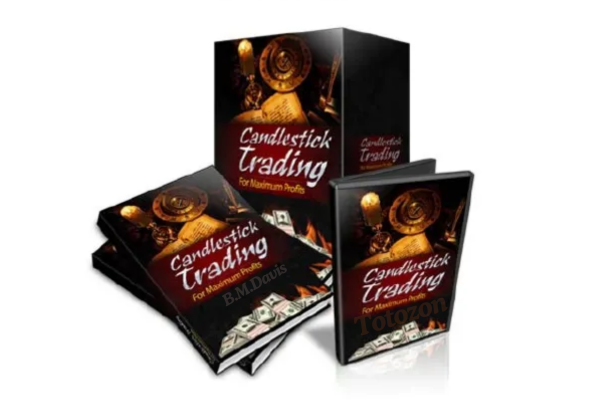 Candlestick Trading for Maximum Profitsn with B.M.Davis
1 × $6.00
Candlestick Trading for Maximum Profitsn with B.M.Davis
1 × $6.00 -
×
 Volume Profile Video Course with Trader Dale
1 × $8.00
Volume Profile Video Course with Trader Dale
1 × $8.00 -
×
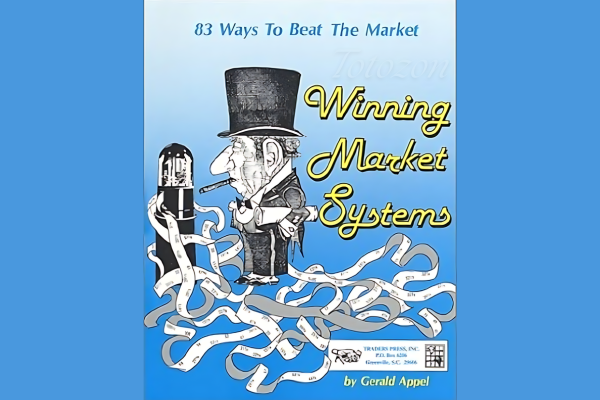 Winning Market Systems. 83 Ways to Beat the Market
1 × $6.00
Winning Market Systems. 83 Ways to Beat the Market
1 × $6.00 -
×
 Small and Mighty Association with Ryan Lee
1 × $6.00
Small and Mighty Association with Ryan Lee
1 × $6.00 -
×
 The Random Character of Interest Rates with Joseph Murphy
1 × $6.00
The Random Character of Interest Rates with Joseph Murphy
1 × $6.00 -
×
 SRC (Smart Raja Concepts) with Forex 101
1 × $5.00
SRC (Smart Raja Concepts) with Forex 101
1 × $5.00 -
×
 Unlocking the Mysteries of Trend Analysis - Rick Bensignor
1 × $6.00
Unlocking the Mysteries of Trend Analysis - Rick Bensignor
1 × $6.00 -
×
 Timing is Everything with Robert M.Barnes
1 × $6.00
Timing is Everything with Robert M.Barnes
1 × $6.00 -
×
 Option Strategies with Courtney Smith
1 × $6.00
Option Strategies with Courtney Smith
1 × $6.00 -
×
 Short Term Trading. Integrated Pithfork Analysis with Dr. Mircea Dologa
1 × $6.00
Short Term Trading. Integrated Pithfork Analysis with Dr. Mircea Dologa
1 × $6.00 -
×
 Algorithmic Trading Systems: Advanced Gap Strategies for the Futures Markets with David Bean
1 × $5.00
Algorithmic Trading Systems: Advanced Gap Strategies for the Futures Markets with David Bean
1 × $5.00 -
×
 Professional Trader Training Course (Complete)
1 × $23.00
Professional Trader Training Course (Complete)
1 × $23.00 -
×
 Developing Mindfulness: The Observer of Thought with Traders State Of Mind
1 × $6.00
Developing Mindfulness: The Observer of Thought with Traders State Of Mind
1 × $6.00 -
×
 Level II Profit System with Sammy Chua
1 × $6.00
Level II Profit System with Sammy Chua
1 × $6.00 -
×
 Master Trader with InvestingSimple
1 × $15.00
Master Trader with InvestingSimple
1 × $15.00 -
×
 QuantZilla
1 × $39.00
QuantZilla
1 × $39.00 -
×
 Building a Better Trader with Glenn Ring
1 × $6.00
Building a Better Trader with Glenn Ring
1 × $6.00 -
×
 Inner Cicle Trader - ICT Methods with Michael Huddleston
1 × $5.00
Inner Cicle Trader - ICT Methods with Michael Huddleston
1 × $5.00 -
×
 Introduction to Probability with Charles M.Grinstead, J.Laurie Snell
1 × $6.00
Introduction to Probability with Charles M.Grinstead, J.Laurie Snell
1 × $6.00 -
×
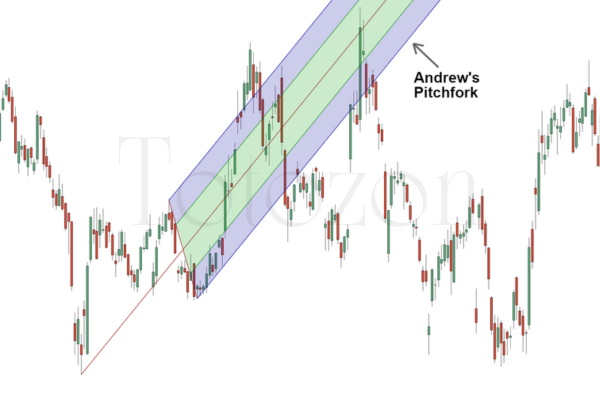 Andrews Pitchfork Basic
1 × $6.00
Andrews Pitchfork Basic
1 × $6.00 -
×
 Astro Gann Charting Software Wave59 V 3.6
1 × $6.00
Astro Gann Charting Software Wave59 V 3.6
1 × $6.00 -
×
 Forex Courses Collection
1 × $55.00
Forex Courses Collection
1 × $55.00 -
×
 Forex Strategy Master with Russ Horn
1 × $6.00
Forex Strategy Master with Russ Horn
1 × $6.00 -
×
 The Trap Trade Workshop with Doc Severson
1 × $6.00
The Trap Trade Workshop with Doc Severson
1 × $6.00 -
×
 The Orderflows Trade Opportunities Encyclopedia with Michael Valtos
1 × $8.00
The Orderflows Trade Opportunities Encyclopedia with Michael Valtos
1 × $8.00 -
×
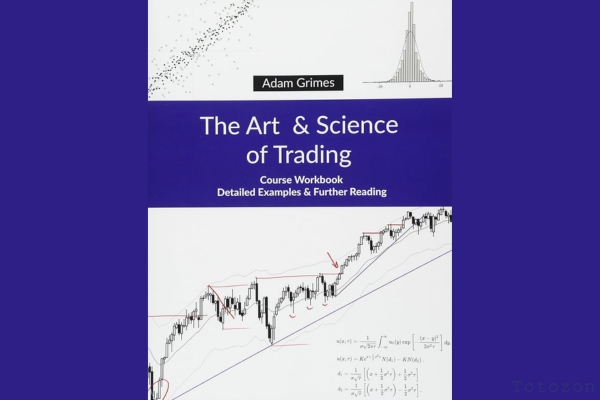 The Art And Science Of Trading with Adam Grimes
1 × $6.00
The Art And Science Of Trading with Adam Grimes
1 × $6.00 -
×
 Stock Trading Simplified - 3 DVD + PDF Workbook with John Person
1 × $6.00
Stock Trading Simplified - 3 DVD + PDF Workbook with John Person
1 × $6.00 -
×
 Andy’s EMini Bar – 60 Min System
1 × $6.00
Andy’s EMini Bar – 60 Min System
1 × $6.00 -
×
 Price Action Trader Training
1 × $6.00
Price Action Trader Training
1 × $6.00 -
×
 Introduction to Technical Analysis with Jake Bernstein
1 × $6.00
Introduction to Technical Analysis with Jake Bernstein
1 × $6.00 -
×
 Options For Gold, Oil and Other Commodities
1 × $6.00
Options For Gold, Oil and Other Commodities
1 × $6.00 -
×
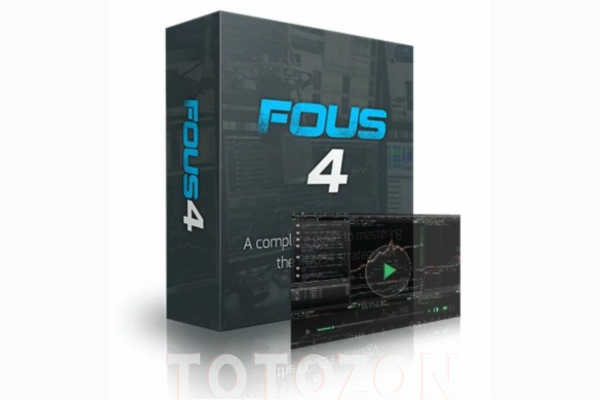 FOUS4 with Cameron Fous
1 × $5.00
FOUS4 with Cameron Fous
1 × $5.00 -
×
 High Probability Trading Using Elliott Wave And Fibonacci Analysis withVic Patel - Forex Training Group
1 × $10.00
High Probability Trading Using Elliott Wave And Fibonacci Analysis withVic Patel - Forex Training Group
1 × $10.00 -
×
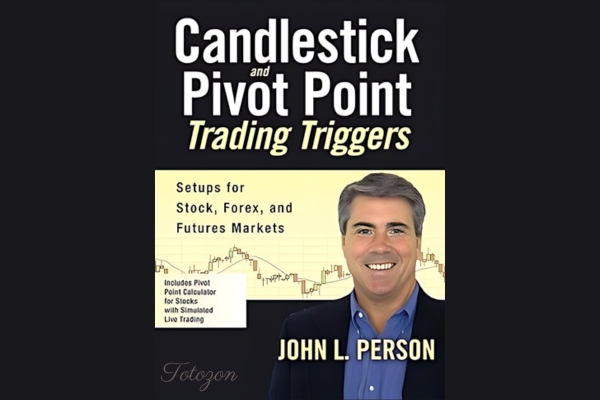 Candlestick and Pivot Point Trading Triggers with John Person
1 × $6.00
Candlestick and Pivot Point Trading Triggers with John Person
1 × $6.00 -
×
 Newtonian Trading Strategy Video Course with Fractal Flow Pro
1 × $6.00
Newtonian Trading Strategy Video Course with Fractal Flow Pro
1 × $6.00 -
×
 ICT Prodigy Trading Course – $650K in Payouts with Alex Solignani
1 × $15.00
ICT Prodigy Trading Course – $650K in Payouts with Alex Solignani
1 × $15.00 -
×
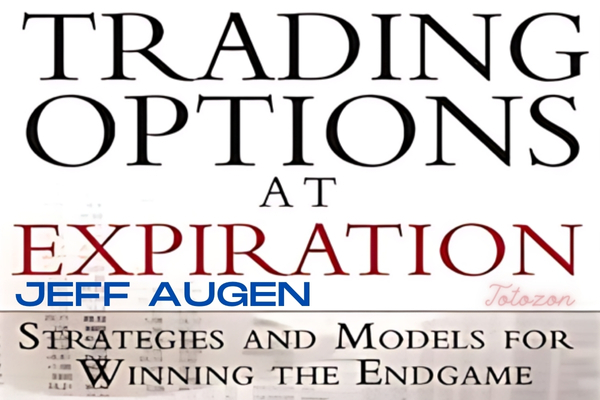 Trading Options at Expiration: Strategies and Models for Winning the Endgame with Jeff Augen
1 × $6.00
Trading Options at Expiration: Strategies and Models for Winning the Endgame with Jeff Augen
1 × $6.00 -
×
 Vertical Spreads. Strategy Intensive
1 × $4.00
Vertical Spreads. Strategy Intensive
1 × $4.00 -
×
 TradingWithBilz Course
1 × $10.00
TradingWithBilz Course
1 × $10.00 -
×
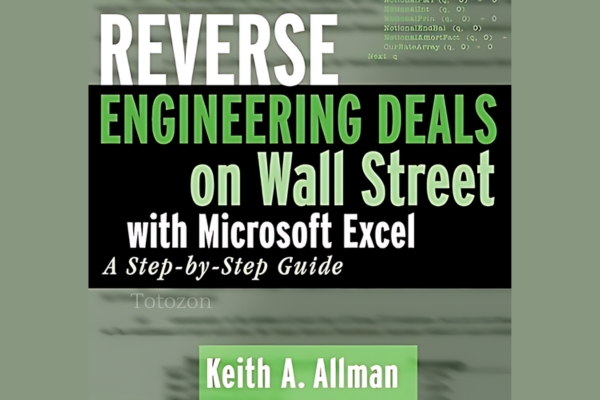 Reverse Engineering Deals on Wall Street with Microsoft Excel with Keith Allman
1 × $6.00
Reverse Engineering Deals on Wall Street with Microsoft Excel with Keith Allman
1 × $6.00 -
×
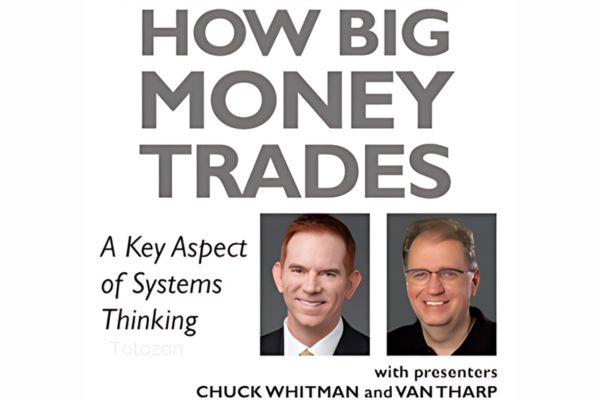 How Big Money Trades A Key Aspect of Systems Thinking - Van Tharp and Chuck Whitman – Van Tharp
1 × $46.00
How Big Money Trades A Key Aspect of Systems Thinking - Van Tharp and Chuck Whitman – Van Tharp
1 × $46.00 -
×
 Value Based Power Trading
1 × $6.00
Value Based Power Trading
1 × $6.00 -
×
 Precision Timing Your Options Trades Using Fibonacci with Trading Analysis
1 × $15.00
Precision Timing Your Options Trades Using Fibonacci with Trading Analysis
1 × $15.00 -
×
 Mean Reversion Strategy with The Chartist
1 × $78.00
Mean Reversion Strategy with The Chartist
1 × $78.00 -
×
 Crystal Ball Pack PLUS bonus Live Trade By Pat Mitchell - Trick Trades
1 × $20.00
Crystal Ball Pack PLUS bonus Live Trade By Pat Mitchell - Trick Trades
1 × $20.00 -
×
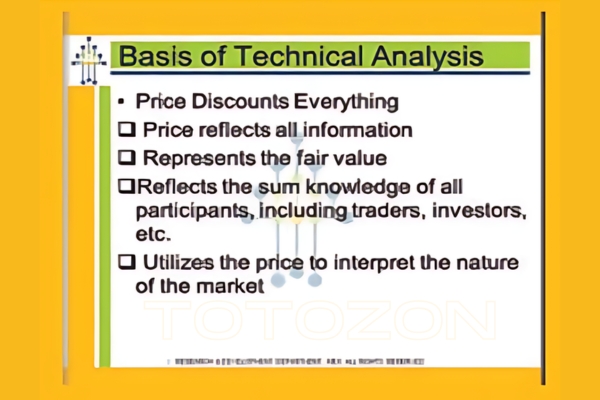 Technical Analysis. The Basis with Glenn Ring
1 × $6.00
Technical Analysis. The Basis with Glenn Ring
1 × $6.00 -
×
 BookMap Advanced v6.1
1 × $6.00
BookMap Advanced v6.1
1 × $6.00 -
×
 Contrarian Trading Class with Jeff Bierman
1 × $6.00
Contrarian Trading Class with Jeff Bierman
1 × $6.00 -
×
 International Assignments with Linda K.Stroh
1 × $6.00
International Assignments with Linda K.Stroh
1 × $6.00 -
×
 THE BUNDLE (MAIN COURSE) with Daniel Savage - Forex Savages
1 × $6.00
THE BUNDLE (MAIN COURSE) with Daniel Savage - Forex Savages
1 × $6.00 -
×
 Pattern Recognition & Trading Decisions with Chris Satchwell
1 × $6.00
Pattern Recognition & Trading Decisions with Chris Satchwell
1 × $6.00 -
×
 Beginner To Winner Boot Camp with Pips2Profit
1 × $41.00
Beginner To Winner Boot Camp with Pips2Profit
1 × $41.00 -
×
 Matrix Spread Options Trading Course with Base Camp Trading
1 × $31.00
Matrix Spread Options Trading Course with Base Camp Trading
1 × $31.00 -
×
 Advanced Day Trading Course with Doyle Exchange
1 × $8.00
Advanced Day Trading Course with Doyle Exchange
1 × $8.00 -
×
 Double Your Capital In 30 Days(2016) with GFA Flips
1 × $5.00
Double Your Capital In 30 Days(2016) with GFA Flips
1 × $5.00 -
×
 The Late-Start Investor with John Wasik
1 × $6.00
The Late-Start Investor with John Wasik
1 × $6.00 -
×
 Confidence to Hypnotize
1 × $6.00
Confidence to Hypnotize
1 × $6.00 -
×
 How To Build An Automated Trading Robot In Excel with Peter Titus - Marwood Research
1 × $15.00
How To Build An Automated Trading Robot In Excel with Peter Titus - Marwood Research
1 × $15.00 -
×
 JeaFx 2023 with James Allen
1 × $5.00
JeaFx 2023 with James Allen
1 × $5.00 -
×
 Traders Secret Library
1 × $6.00
Traders Secret Library
1 × $6.00 -
×
 John Bollinger on Bollinger Bands
1 × $6.00
John Bollinger on Bollinger Bands
1 × $6.00 -
×
 Advanced Trading Course with John Person
1 × $6.00
Advanced Trading Course with John Person
1 × $6.00 -
×
 FOREX CRASH COURSE - IYF - ONLINE SEMINAR
1 × $5.00
FOREX CRASH COURSE - IYF - ONLINE SEMINAR
1 × $5.00 -
×
 Advanced Strategy Design Techniques Bundle with NinjaTrader
1 × $20.00
Advanced Strategy Design Techniques Bundle with NinjaTrader
1 × $20.00 -
×
 Spike 35 Traders Manual with J.D.Hamon
1 × $6.00
Spike 35 Traders Manual with J.D.Hamon
1 × $6.00 -
×
 Private Seminar with Alan Andrew
1 × $6.00
Private Seminar with Alan Andrew
1 × $6.00 -
×
 Active Trader Program (Smarter Starter Pack + the Number One Trading Plan)
1 × $15.00
Active Trader Program (Smarter Starter Pack + the Number One Trading Plan)
1 × $15.00 -
×
 ASFX Advanced Divergence Training Course & VIP Chat
1 × $39.00
ASFX Advanced Divergence Training Course & VIP Chat
1 × $39.00 -
×
 Just What I Said: Bloomberg Economics Columnist Takes on Bonds, Banks, Budgets, and Bubbles with Caroline Baum
1 × $6.00
Just What I Said: Bloomberg Economics Columnist Takes on Bonds, Banks, Budgets, and Bubbles with Caroline Baum
1 × $6.00 -
×
 The Naked Eye: Raw Data Analytics with Edgar Torres - Raw Data Analytics
1 × $8.00
The Naked Eye: Raw Data Analytics with Edgar Torres - Raw Data Analytics
1 × $8.00 -
×
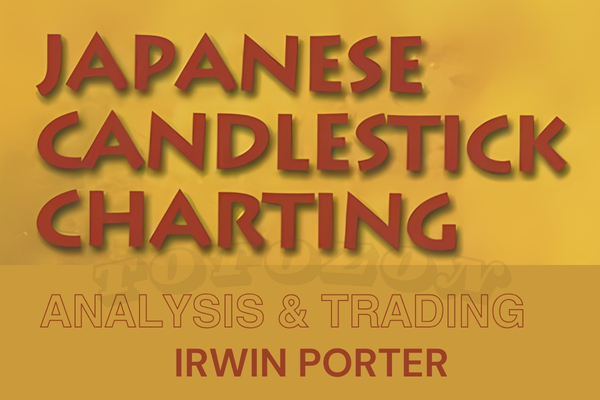 Japenese Candlesticks Charting, Analysis & Trading with Irwin Porter
1 × $6.00
Japenese Candlesticks Charting, Analysis & Trading with Irwin Porter
1 × $6.00 -
×
 The Inve$tment A$trology Articles with Alan Richter
1 × $6.00
The Inve$tment A$trology Articles with Alan Richter
1 × $6.00 -
×
 The Whale Trade Workshop Plus One Week of Live Trading with Doc Severson
1 × $6.00
The Whale Trade Workshop Plus One Week of Live Trading with Doc Severson
1 × $6.00 -
×
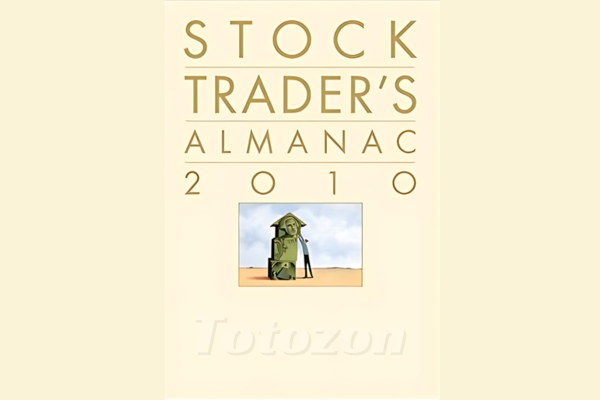 Stock Traders Almanac 2010 with Jeffrey Hirsch & Yale Hirsch
1 × $6.00
Stock Traders Almanac 2010 with Jeffrey Hirsch & Yale Hirsch
1 × $6.00 -
×
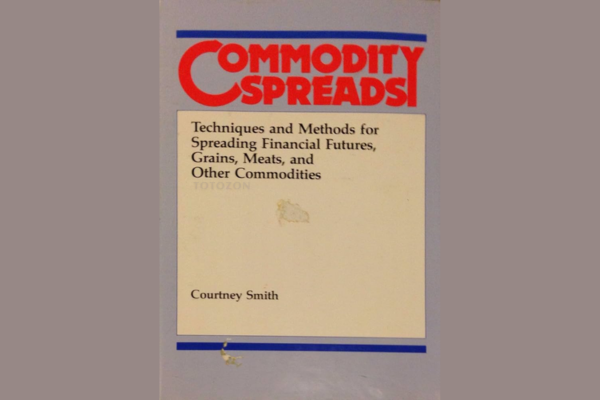 Commodity Spreads: Techniques and Methods for Spreading Financial Futures, Grains, Meats & Other Commodities with Courtney Smith
1 × $6.00
Commodity Spreads: Techniques and Methods for Spreading Financial Futures, Grains, Meats & Other Commodities with Courtney Smith
1 × $6.00 -
×
 Freak Forex Fundamentals with Ken FX Freak
1 × $6.00
Freak Forex Fundamentals with Ken FX Freak
1 × $6.00 -
×
 How to Trade Forex & Cryptocurrency with Bitraged
1 × $5.00
How to Trade Forex & Cryptocurrency with Bitraged
1 × $5.00 -
×
 FX Money Mentor Academy with KobenFX
1 × $6.00
FX Money Mentor Academy with KobenFX
1 × $6.00 -
×
 Attracting Abundance with EFT by Carol Look
1 × $6.00
Attracting Abundance with EFT by Carol Look
1 × $6.00 -
×
 Climate Behaviour with Feibel Trading
1 × $6.00
Climate Behaviour with Feibel Trading
1 × $6.00 -
×
 Pristine - Tom Willard – Creating The Ultimate Trading Psychology Using 3 Key Concepts
1 × $6.00
Pristine - Tom Willard – Creating The Ultimate Trading Psychology Using 3 Key Concepts
1 × $6.00 -
×
 Vajex Trading Mentorship Program
1 × $13.00
Vajex Trading Mentorship Program
1 × $13.00 -
×
 Tradingmarkets - Introduction to AmiBroker Programming
1 × $15.00
Tradingmarkets - Introduction to AmiBroker Programming
1 × $15.00 -
×
 Dan Dowd Trading
1 × $5.00
Dan Dowd Trading
1 × $5.00 -
×
 The 1% Club with Trader Mike
1 × $5.00
The 1% Club with Trader Mike
1 × $5.00 -
×
 Bond Market Course with The Macro Compass
1 × $15.00
Bond Market Course with The Macro Compass
1 × $15.00
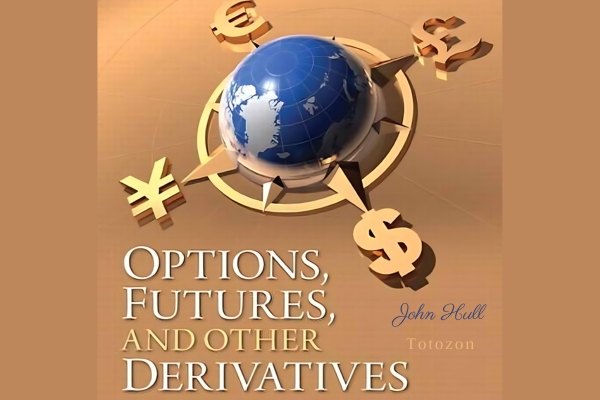
Options, Futures, and Other Derivative Securities
$6.00
File Size: Coming soon!
Delivery Time: 1–12 hours
Media Type: Online Course
Content Proof: Watch Here!
You may check content proof of “Options, Futures, and Other Derivative Securities” below:

Options, Futures, and Other Derivative Securities
In the intricate world of finance, derivative securities such as options and futures play a crucial role. These instruments allow investors to hedge risks, speculate on market movements, and enhance portfolio performance. This article delves into the essentials of options, futures, and other derivative securities, providing a comprehensive guide to understanding and utilizing these financial tools effectively.
Understanding Derivative Securities
What are Derivative Securities?
Derivative securities are financial instruments whose value is derived from the performance of underlying assets, such as stocks, bonds, commodities, or currencies.
Importance of Derivatives
Derivatives are vital for risk management, providing ways to hedge against potential losses. They also offer opportunities for speculation and leverage, allowing traders to gain significant exposure with minimal capital.
Exploring Options
What are Options?
Options are contracts that give the buyer the right, but not the obligation, to buy or sell an asset at a predetermined price within a specified time frame.
Types of Options
Call Options
Call options give the holder the right to purchase the underlying asset at a set price before the expiration date.
Put Options
Put options give the holder the right to sell the underlying asset at a set price before the expiration date.
How Options Work
Options are priced based on various factors, including the underlying asset’s price, strike price, time to expiration, volatility, and interest rates. The most commonly used model for pricing options is the Black-Scholes model.
Utilizing Futures
What are Futures?
Futures are standardized contracts obligating the buyer to purchase, or the seller to sell, an asset at a predetermined price on a specified future date.
Types of Futures
Futures contracts are available for various assets, including commodities (like oil and gold), financial instruments (like bonds and currencies), and indices (like the S&P 500).
How Futures Work
Futures trading involves margin requirements, where traders must deposit a portion of the contract’s value as collateral. Futures can be used for hedging risks or speculating on price movements.
Other Derivative Securities
Swaps
Swaps are contracts where two parties exchange cash flows or other financial instruments. The most common type is the interest rate swap.
Forwards
Forwards are customized contracts between two parties to buy or sell an asset at a specified price on a future date. Unlike futures, forwards are not traded on exchanges and are more flexible.
Practical Applications of Derivatives
Hedging
Hedging involves using derivatives to protect against potential losses in an underlying asset. For example, a farmer might use futures contracts to lock in the price of a crop, mitigating the risk of price fluctuations.
Speculation
Speculators use derivatives to bet on the future direction of market prices. This approach can yield high returns but also carries significant risk.
Arbitrage
Arbitrage involves exploiting price differences between markets or instruments to earn risk-free profits. Derivatives can be used to facilitate arbitrage strategies.
Advantages of Using Derivatives
Risk Management
Derivatives provide powerful tools for managing various types of financial risk, including market, credit, and interest rate risks.
Leverage
Derivatives allow traders to gain substantial exposure with a relatively small investment, magnifying potential returns.
Market Efficiency
Derivatives contribute to market efficiency by enabling price discovery and improving liquidity.
Challenges and Risks
Complexity
Derivatives can be complex and require a deep understanding of the underlying assets and market dynamics.
Leverage Risk
While leverage can amplify gains, it can also magnify losses, leading to significant financial risk.
Counterparty Risk
In over-the-counter (OTC) derivatives, there is a risk that the counterparty may default on the contract.
Regulatory Environment
Dodd-Frank Act
The Dodd-Frank Act, enacted after the 2008 financial crisis, introduced significant reforms to increase transparency and reduce risk in the derivatives market.
International Regulations
Regulations such as the European Market Infrastructure Regulation (EMIR) and the Basel III framework also play crucial roles in the global derivatives market.
Conclusion
Options, futures, and other derivative securities are essential tools in modern finance. They offer numerous benefits, including risk management, leverage, and market efficiency. However, they also come with significant risks and complexities. By understanding these instruments and their applications, investors can make more informed decisions and better navigate the financial markets.
FAQs
1. What are the main types of derivative securities?
The main types include options, futures, swaps, and forwards.
2. How do options differ from futures?
Options give the holder the right but not the obligation to buy or sell an asset, while futures obligate the buyer or seller to complete the transaction.
3. What is the primary use of derivatives?
Derivatives are primarily used for hedging risks, speculation, and arbitrage.
4. What are the risks associated with derivatives?
Risks include complexity, leverage risk, and counterparty risk.
5. How are derivatives regulated?
Regulations such as the Dodd-Frank Act and international frameworks like EMIR govern the derivatives market to ensure transparency and reduce risk.
Be the first to review “Options, Futures, and Other Derivative Securities”
You must be logged in to post a review.
Related products

Original price was: $497.00.$11.00Current price is: $11.00.

Original price was: $799.00.$15.00Current price is: $15.00.

Original price was: $695.00.$41.00Current price is: $41.00.

Original price was: $139.00.$23.00Current price is: $23.00.

Forex Trading
Original price was: $799.00.$15.00Current price is: $15.00.

Forex Trading
Original price was: $4,997.00.$27.00Current price is: $27.00.

Forex Trading
The Complete Guide to Multiple Time Frame Analysis & Reading Price Action with Aiman Almansoori
Original price was: $1,399.00.$13.00Current price is: $13.00.

Original price was: $197.00.$5.00Current price is: $5.00.
Original price was: $649.00.$20.00Current price is: $20.00.

Forex Trading
Original price was: $239.00.$8.00Current price is: $8.00.

Forex Trading
Original price was: $999.00.$15.00Current price is: $15.00.

Forex Trading
Original price was: $125.00.$17.00Current price is: $17.00.

Forex Trading
Original price was: $1,898.00.$10.00Current price is: $10.00.

Original price was: $1,200.00.$23.00Current price is: $23.00.
Original price was: $299.00.$8.00Current price is: $8.00.

Forex Trading
Original price was: $2,995.00.$31.00Current price is: $31.00.
Original price was: $997.00.$8.00Current price is: $8.00.

Original price was: $310.00.$23.00Current price is: $23.00.

Forex Trading
Original price was: $397.00.$31.00Current price is: $31.00.

Original price was: $700.00.$39.00Current price is: $39.00.
Reviews
There are no reviews yet.