
-
×
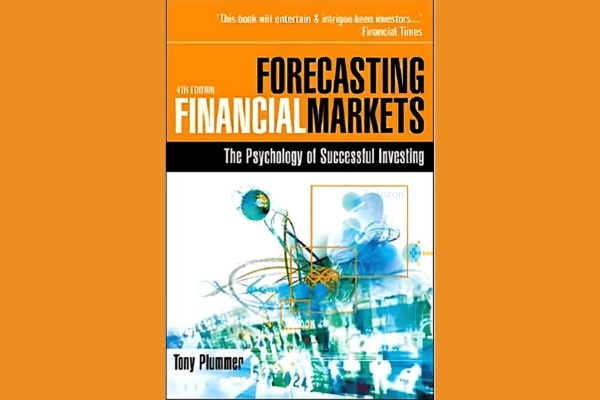 Forecasting Financial Markets (2nd Ed.)
1 × $6.00
Forecasting Financial Markets (2nd Ed.)
1 × $6.00 -
×
 After Hour Trading Made Easy with Joe Duarte & Roland Burke
1 × $6.00
After Hour Trading Made Easy with Joe Duarte & Roland Burke
1 × $6.00 -
×
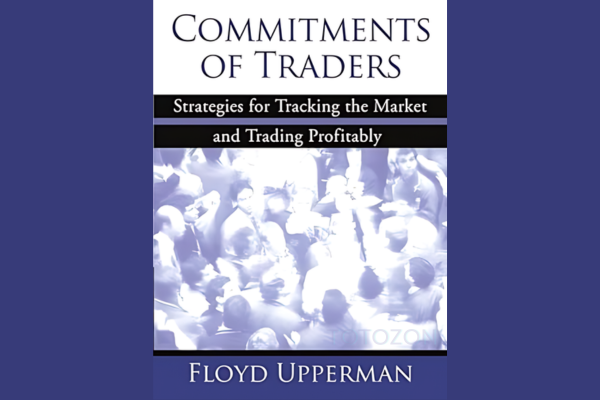 Commitments of Traders : Strategies for Tracking the Market and Trading Profitably with Floyd Upperman
1 × $6.00
Commitments of Traders : Strategies for Tracking the Market and Trading Profitably with Floyd Upperman
1 × $6.00 -
×
 The Complete Guide to Multiple Time Frame Analysis & Reading Price Action with Aiman Almansoori
1 × $13.00
The Complete Guide to Multiple Time Frame Analysis & Reading Price Action with Aiman Almansoori
1 × $13.00 -
×
 Master Trader with InvestingSimple
1 × $15.00
Master Trader with InvestingSimple
1 × $15.00 -
×
 Trading Short TermSame Day Trades Sep 2023 with Dan Sheridan & Mark Fenton - Sheridan Options Mentoring
1 × $31.00
Trading Short TermSame Day Trades Sep 2023 with Dan Sheridan & Mark Fenton - Sheridan Options Mentoring
1 × $31.00 -
×
 CBOT Seminar on Market Profile (101 & 102) with Alex Benjamin
1 × $6.00
CBOT Seminar on Market Profile (101 & 102) with Alex Benjamin
1 × $6.00 -
×
 Speculating with Futures and Traditional Commodities Part II (Liverpool Group) - Noble DraKoln
1 × $6.00
Speculating with Futures and Traditional Commodities Part II (Liverpool Group) - Noble DraKoln
1 × $6.00 -
×
 Toni’s Market Club with Toni Turner
1 × $6.00
Toni’s Market Club with Toni Turner
1 × $6.00 -
×
 Greatest Trading Tools with Michael Parsons
1 × $6.00
Greatest Trading Tools with Michael Parsons
1 × $6.00 -
×
 How To Read The Market Professionally with TradeSmart
1 × $27.00
How To Read The Market Professionally with TradeSmart
1 × $27.00 -
×
 Future DayTrading (German)
1 × $6.00
Future DayTrading (German)
1 × $6.00 -
×
 SOT Advanced Course (May 2014)
1 × $23.00
SOT Advanced Course (May 2014)
1 × $23.00 -
×
 Simple Methods for Detecting Buying and Selling Points in Securities with James Liveright
1 × $6.00
Simple Methods for Detecting Buying and Selling Points in Securities with James Liveright
1 × $6.00 -
×
 Deep Dive Butterfly Trading Strategy Class with SJG Trades
1 × $41.00
Deep Dive Butterfly Trading Strategy Class with SJG Trades
1 × $41.00 -
×
 Fibonnacci Trader WorkShop (Video 2.38 GB) with Dennis Bolze, Thom Hartle
1 × $6.00
Fibonnacci Trader WorkShop (Video 2.38 GB) with Dennis Bolze, Thom Hartle
1 × $6.00 -
×
 Trading Natural Resources in a Volatile Market with Kevin Kerr
1 × $6.00
Trading Natural Resources in a Volatile Market with Kevin Kerr
1 × $6.00 -
×
 Dynamic Gann Levels with Don Fisher
1 × $6.00
Dynamic Gann Levels with Don Fisher
1 × $6.00 -
×
 Advent Forex Course with Cecil Robles
1 × $6.00
Advent Forex Course with Cecil Robles
1 × $6.00 -
×
 The Best Option Trading Course with David Jaffee - Best Stock Strategy
1 × $15.00
The Best Option Trading Course with David Jaffee - Best Stock Strategy
1 × $15.00 -
×
 AI For Traders with Trading Markets
1 × $31.00
AI For Traders with Trading Markets
1 × $31.00 -
×
 Fierce 10 with Mandi Rafsendjani
1 × $5.00
Fierce 10 with Mandi Rafsendjani
1 × $5.00 -
×
 Trading Hub 4.0 with Mr. Khan
1 × $27.00
Trading Hub 4.0 with Mr. Khan
1 × $27.00 -
×
 Forecast, Filings, & News with Jtrader
1 × $6.00
Forecast, Filings, & News with Jtrader
1 × $6.00 -
×
 The Naked Eye: Raw Data Analytics with Edgar Torres - Raw Data Analytics
1 × $8.00
The Naked Eye: Raw Data Analytics with Edgar Torres - Raw Data Analytics
1 × $8.00 -
×
 Financial Astrology Course with Brian James Sklenka
1 × $6.00
Financial Astrology Course with Brian James Sklenka
1 × $6.00 -
×
 Geometry of Markets I with Bruce Gilmore
1 × $6.00
Geometry of Markets I with Bruce Gilmore
1 × $6.00 -
×
 $20 – 52k 20 pips a day challange with Rafał Zuchowicz - TopMasterTrader
1 × $5.00
$20 – 52k 20 pips a day challange with Rafał Zuchowicz - TopMasterTrader
1 × $5.00 -
×
 NodeTrader (+ open code) (Nov 2014)
1 × $6.00
NodeTrader (+ open code) (Nov 2014)
1 × $6.00 -
×
 Advanced Fibonacci Trading with Neal Hughes
1 × $6.00
Advanced Fibonacci Trading with Neal Hughes
1 × $6.00 -
×
 Activedaytrader - Mastering Technicals
1 × $15.00
Activedaytrader - Mastering Technicals
1 × $15.00 -
×
 Best of the Best: Collars with Amy Meissner & Scott Ruble
1 × $15.00
Best of the Best: Collars with Amy Meissner & Scott Ruble
1 × $15.00 -
×
 Spartan Renko 2.0 Workshop 2017
1 × $23.00
Spartan Renko 2.0 Workshop 2017
1 × $23.00 -
×
 Candle Charting Essentials & Beyond Volume 1 & 2 with Steve Nison - Candle Charts
1 × $15.00
Candle Charting Essentials & Beyond Volume 1 & 2 with Steve Nison - Candle Charts
1 × $15.00 -
×
 Steady Compounding Investing Academy Course with Steady Compounding
1 × $55.00
Steady Compounding Investing Academy Course with Steady Compounding
1 × $55.00 -
×
 Evolution Course with Kevin Trades
1 × $15.00
Evolution Course with Kevin Trades
1 × $15.00 -
×
 Commodity Options: Trading and Hedging Volatility in the World’s Most Lucrative Market with Carley Garner & Paul Brittain
1 × $6.00
Commodity Options: Trading and Hedging Volatility in the World’s Most Lucrative Market with Carley Garner & Paul Brittain
1 × $6.00 -
×
 Profitable Patterns for Stock Trading with Larry Pesavento
1 × $6.00
Profitable Patterns for Stock Trading with Larry Pesavento
1 × $6.00 -
×
 Tornado Trend Trading System with John Bartlett
1 × $6.00
Tornado Trend Trading System with John Bartlett
1 × $6.00 -
×
 Secrets of a Winning Trader with Gareth Soloway
1 × $871.00
Secrets of a Winning Trader with Gareth Soloway
1 × $871.00 -
×
 WondaFX Signature Strategy with WondaFX
1 × $5.00
WondaFX Signature Strategy with WondaFX
1 × $5.00 -
×
 Financial Fortress with TradeSmart University
1 × $6.00
Financial Fortress with TradeSmart University
1 × $6.00 -
×
 Portfolio Management in Practice with Christine Brentani
1 × $6.00
Portfolio Management in Practice with Christine Brentani
1 × $6.00 -
×
 TRADING NFX Course with Andrew NFX
1 × $5.00
TRADING NFX Course with Andrew NFX
1 × $5.00 -
×
 CrewFX Group Course Package with Language Of The Markets
1 × $6.00
CrewFX Group Course Package with Language Of The Markets
1 × $6.00 -
×
 The Instagram DM Automation Playbook with Natasha Takahashi
1 × $6.00
The Instagram DM Automation Playbook with Natasha Takahashi
1 × $6.00 -
×
 Orderflows Gems 2-Private Sessions with Mike Valtos
1 × $20.00
Orderflows Gems 2-Private Sessions with Mike Valtos
1 × $20.00 -
×
 Advances in International Investments: Traditional and Alternative Approaches with Hung-Gay Fung, Xiaoqing Eleanor Xu & Jot Yau
1 × $6.00
Advances in International Investments: Traditional and Alternative Approaches with Hung-Gay Fung, Xiaoqing Eleanor Xu & Jot Yau
1 × $6.00 -
×
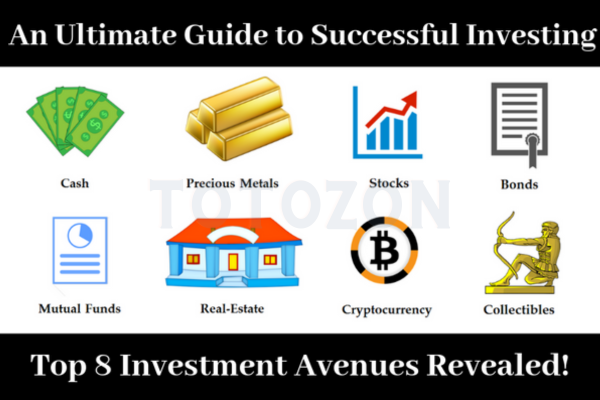 An Ultimate Guide to Successful Investing with Trading Tuitions
1 × $23.00
An Ultimate Guide to Successful Investing with Trading Tuitions
1 × $23.00 -
×
 Commodity Speculation for Beginners with Charles Huff, Barbara Marinacci
1 × $6.00
Commodity Speculation for Beginners with Charles Huff, Barbara Marinacci
1 × $6.00 -
×
 Generating Consistent Profits On Smaller Accounts
1 × $23.00
Generating Consistent Profits On Smaller Accounts
1 × $23.00 -
×
 Confessions of a Street Addict with James Cramer
1 × $6.00
Confessions of a Street Addict with James Cramer
1 × $6.00 -
×
 Butterfly and Condor Workshop with Aeromir
1 × $15.00
Butterfly and Condor Workshop with Aeromir
1 × $15.00 -
×
 Sample Item Sets 2003 - CFA Level 3
1 × $6.00
Sample Item Sets 2003 - CFA Level 3
1 × $6.00 -
×
 The Hedge Bundle - SpotGamma Academy with Imran Lakha
1 × $8.00
The Hedge Bundle - SpotGamma Academy with Imran Lakha
1 × $8.00 -
×
 Steve Jobs. The Greatest Second Act in the History of Business with Young Simon
1 × $6.00
Steve Jobs. The Greatest Second Act in the History of Business with Young Simon
1 × $6.00 -
×
 Power Cycle Trading The Ultimate Option Guide: When & How to Use Which Option Strategy For the Best Results - Powercycletrading
1 × $69.00
Power Cycle Trading The Ultimate Option Guide: When & How to Use Which Option Strategy For the Best Results - Powercycletrading
1 × $69.00 -
×
 Advanced Spread Trading with Guy Bower - MasterClass Trader
1 × $15.00
Advanced Spread Trading with Guy Bower - MasterClass Trader
1 × $15.00 -
×
 Sun Tzu and the Art of War for Traders with Dean Lundell
1 × $6.00
Sun Tzu and the Art of War for Traders with Dean Lundell
1 × $6.00 -
×
 TradeCraft: Your Path to Peak Performance Trading By Adam Grimes
1 × $15.00
TradeCraft: Your Path to Peak Performance Trading By Adam Grimes
1 × $15.00 -
×
 DayTrading the S&P 500 & TS Code with Afshin Taghechian
1 × $6.00
DayTrading the S&P 500 & TS Code with Afshin Taghechian
1 × $6.00 -
×
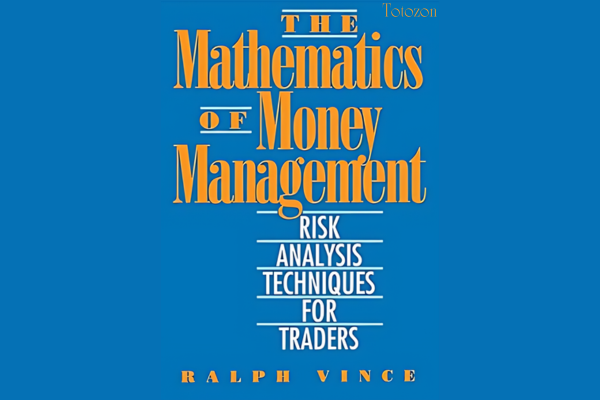 The Mathematics of Money Management. Risk Analysis Techniques for Traders
1 × $6.00
The Mathematics of Money Management. Risk Analysis Techniques for Traders
1 × $6.00 -
×
 The Prop Trading Code with Brannigan Barrett - Axia Futures
1 × $23.00
The Prop Trading Code with Brannigan Barrett - Axia Futures
1 × $23.00 -
×
 SNR Trader Course with Ariff T
1 × $6.00
SNR Trader Course with Ariff T
1 × $6.00 -
×
 5 Week Live Web Seminar (Video & WorkBook ) with Larry Connors
1 × $6.00
5 Week Live Web Seminar (Video & WorkBook ) with Larry Connors
1 × $6.00 -
×
 ICT Prodigy Trading Course – $650K in Payouts with Alex Solignani
1 × $15.00
ICT Prodigy Trading Course – $650K in Payouts with Alex Solignani
1 × $15.00 -
×
 Hands On Training Bundle with Talkin Options
1 × $23.00
Hands On Training Bundle with Talkin Options
1 × $23.00 -
×
 Essentials Course & Day Trading Strategies with Bear Bull Traders
1 × $13.00
Essentials Course & Day Trading Strategies with Bear Bull Traders
1 × $13.00 -
×
 Combo 4 New Courses From AmiBroker
1 × $54.00
Combo 4 New Courses From AmiBroker
1 × $54.00 -
×
 KP Trading Room w/ Paladin and JadeCapFX
1 × $5.00
KP Trading Room w/ Paladin and JadeCapFX
1 × $5.00 -
×
 Compound Stock Earnings Master Class 2009 Ft Worth Tx September 12 13 DVD set
1 × $6.00
Compound Stock Earnings Master Class 2009 Ft Worth Tx September 12 13 DVD set
1 × $6.00 -
×
 Forex Trading Course with Zack Kolundzic
1 × $6.00
Forex Trading Course with Zack Kolundzic
1 × $6.00 -
×
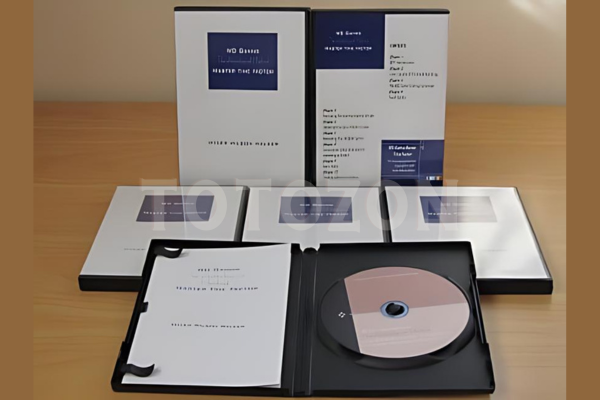 WD Gann’s Master Time Factor DVD With Miles Wilson Walker
1 × $6.00
WD Gann’s Master Time Factor DVD With Miles Wilson Walker
1 × $6.00
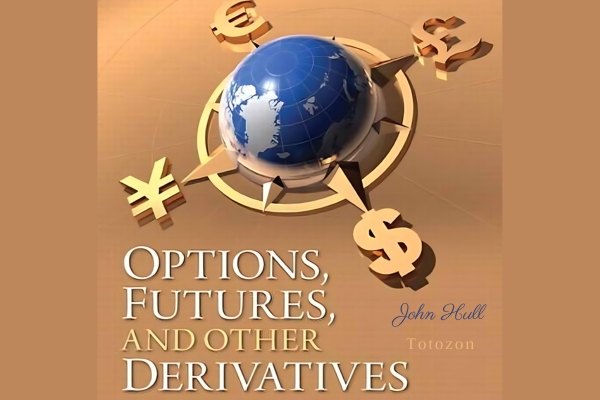
Options, Futures, and Other Derivative Securities
$6.00
File Size: Coming soon!
Delivery Time: 1–12 hours
Media Type: Online Course
Content Proof: Watch Here!
You may check content proof of “Options, Futures, and Other Derivative Securities” below:

Options, Futures, and Other Derivative Securities
In the intricate world of finance, derivative securities such as options and futures play a crucial role. These instruments allow investors to hedge risks, speculate on market movements, and enhance portfolio performance. This article delves into the essentials of options, futures, and other derivative securities, providing a comprehensive guide to understanding and utilizing these financial tools effectively.
Understanding Derivative Securities
What are Derivative Securities?
Derivative securities are financial instruments whose value is derived from the performance of underlying assets, such as stocks, bonds, commodities, or currencies.
Importance of Derivatives
Derivatives are vital for risk management, providing ways to hedge against potential losses. They also offer opportunities for speculation and leverage, allowing traders to gain significant exposure with minimal capital.
Exploring Options
What are Options?
Options are contracts that give the buyer the right, but not the obligation, to buy or sell an asset at a predetermined price within a specified time frame.
Types of Options
Call Options
Call options give the holder the right to purchase the underlying asset at a set price before the expiration date.
Put Options
Put options give the holder the right to sell the underlying asset at a set price before the expiration date.
How Options Work
Options are priced based on various factors, including the underlying asset’s price, strike price, time to expiration, volatility, and interest rates. The most commonly used model for pricing options is the Black-Scholes model.
Utilizing Futures
What are Futures?
Futures are standardized contracts obligating the buyer to purchase, or the seller to sell, an asset at a predetermined price on a specified future date.
Types of Futures
Futures contracts are available for various assets, including commodities (like oil and gold), financial instruments (like bonds and currencies), and indices (like the S&P 500).
How Futures Work
Futures trading involves margin requirements, where traders must deposit a portion of the contract’s value as collateral. Futures can be used for hedging risks or speculating on price movements.
Other Derivative Securities
Swaps
Swaps are contracts where two parties exchange cash flows or other financial instruments. The most common type is the interest rate swap.
Forwards
Forwards are customized contracts between two parties to buy or sell an asset at a specified price on a future date. Unlike futures, forwards are not traded on exchanges and are more flexible.
Practical Applications of Derivatives
Hedging
Hedging involves using derivatives to protect against potential losses in an underlying asset. For example, a farmer might use futures contracts to lock in the price of a crop, mitigating the risk of price fluctuations.
Speculation
Speculators use derivatives to bet on the future direction of market prices. This approach can yield high returns but also carries significant risk.
Arbitrage
Arbitrage involves exploiting price differences between markets or instruments to earn risk-free profits. Derivatives can be used to facilitate arbitrage strategies.
Advantages of Using Derivatives
Risk Management
Derivatives provide powerful tools for managing various types of financial risk, including market, credit, and interest rate risks.
Leverage
Derivatives allow traders to gain substantial exposure with a relatively small investment, magnifying potential returns.
Market Efficiency
Derivatives contribute to market efficiency by enabling price discovery and improving liquidity.
Challenges and Risks
Complexity
Derivatives can be complex and require a deep understanding of the underlying assets and market dynamics.
Leverage Risk
While leverage can amplify gains, it can also magnify losses, leading to significant financial risk.
Counterparty Risk
In over-the-counter (OTC) derivatives, there is a risk that the counterparty may default on the contract.
Regulatory Environment
Dodd-Frank Act
The Dodd-Frank Act, enacted after the 2008 financial crisis, introduced significant reforms to increase transparency and reduce risk in the derivatives market.
International Regulations
Regulations such as the European Market Infrastructure Regulation (EMIR) and the Basel III framework also play crucial roles in the global derivatives market.
Conclusion
Options, futures, and other derivative securities are essential tools in modern finance. They offer numerous benefits, including risk management, leverage, and market efficiency. However, they also come with significant risks and complexities. By understanding these instruments and their applications, investors can make more informed decisions and better navigate the financial markets.
FAQs
1. What are the main types of derivative securities?
The main types include options, futures, swaps, and forwards.
2. How do options differ from futures?
Options give the holder the right but not the obligation to buy or sell an asset, while futures obligate the buyer or seller to complete the transaction.
3. What is the primary use of derivatives?
Derivatives are primarily used for hedging risks, speculation, and arbitrage.
4. What are the risks associated with derivatives?
Risks include complexity, leverage risk, and counterparty risk.
5. How are derivatives regulated?
Regulations such as the Dodd-Frank Act and international frameworks like EMIR govern the derivatives market to ensure transparency and reduce risk.
Be the first to review “Options, Futures, and Other Derivative Securities”
You must be logged in to post a review.
Related products
Forex Trading
Original price was: $550.00.$5.00Current price is: $5.00.
Forex Trading
Original price was: $397.00.$31.00Current price is: $31.00.

Original price was: $139.00.$23.00Current price is: $23.00.

Original price was: $700.00.$39.00Current price is: $39.00.

Forex Trading
Original price was: $1,898.00.$10.00Current price is: $10.00.
Original price was: $895.00.$15.00Current price is: $15.00.

Original price was: $649.00.$20.00Current price is: $20.00.
Original price was: $997.00.$8.00Current price is: $8.00.
Forex Trading
The Complete Guide to Multiple Time Frame Analysis & Reading Price Action with Aiman Almansoori
Original price was: $1,399.00.$13.00Current price is: $13.00.
Forex Trading
Original price was: $4,997.00.$27.00Current price is: $27.00.

Forex Trading
Original price was: $239.00.$8.00Current price is: $8.00.

Forex Trading
Original price was: $797.00.$10.00Current price is: $10.00.

Forex Trading
Original price was: $999.00.$15.00Current price is: $15.00.

Original price was: $310.00.$23.00Current price is: $23.00.
Original price was: $2,120.00.$15.00Current price is: $15.00.

Original price was: $299.00.$8.00Current price is: $8.00.

Original price was: $997.00.$13.00Current price is: $13.00.

Forex Trading
Original price was: $2,000.00.$23.00Current price is: $23.00.
Original price was: $799.00.$15.00Current price is: $15.00.
Original price was: $1,849.00.$15.00Current price is: $15.00.
Reviews
There are no reviews yet.