
-
×
 High Probability Continuation and Reversal Patterns
1 × $23.00
High Probability Continuation and Reversal Patterns
1 × $23.00 -
×
 Bird Watching in Lion Country. Retail Forex Explained with Dirk Du Toit
1 × $4.00
Bird Watching in Lion Country. Retail Forex Explained with Dirk Du Toit
1 × $4.00 -
×
 Pro9Trader 2016 Ultimate Suite v3.7
1 × $62.00
Pro9Trader 2016 Ultimate Suite v3.7
1 × $62.00 -
×
 WD Gann’s Master Time Factor DVD With Miles Wilson Walker
1 × $6.00
WD Gann’s Master Time Factor DVD With Miles Wilson Walker
1 × $6.00 -
×
 BookMap Advanced v6.1
1 × $6.00
BookMap Advanced v6.1
1 × $6.00 -
×
 Options, Futures & Other Derivatives (5th Ed.)
1 × $6.00
Options, Futures & Other Derivatives (5th Ed.)
1 × $6.00 -
×
 Quantamentals - The Next Great Forefront Of Trading and Investing with Trading Markets
1 × $8.00
Quantamentals - The Next Great Forefront Of Trading and Investing with Trading Markets
1 × $8.00 -
×
 Beating the Financial Futures Market
1 × $6.00
Beating the Financial Futures Market
1 × $6.00 -
×
 Revolutionary Proven 3 Step with NFTs Cracked
1 × $6.00
Revolutionary Proven 3 Step with NFTs Cracked
1 × $6.00 -
×
 Forex 360 Complete Course
1 × $6.00
Forex 360 Complete Course
1 × $6.00 -
×
 Order flow self-study training program with iMFtracker
1 × $10.00
Order flow self-study training program with iMFtracker
1 × $10.00 -
×
 Mastering the Stock Market with Andrew Baxter
1 × $6.00
Mastering the Stock Market with Andrew Baxter
1 × $6.00 -
×
 Set & Forget Complete 2021
1 × $13.00
Set & Forget Complete 2021
1 × $13.00 -
×
 Toolkit For Thinkorswim with Bigtrends
1 × $54.00
Toolkit For Thinkorswim with Bigtrends
1 × $54.00 -
×
 Trading the Moves - Consistent Gains in All Markets with Ed Downs
1 × $6.00
Trading the Moves - Consistent Gains in All Markets with Ed Downs
1 × $6.00 -
×
 Trading Without Gambling with Marcel Link
1 × $6.00
Trading Without Gambling with Marcel Link
1 × $6.00 -
×
 Options Master Class
1 × $54.00
Options Master Class
1 × $54.00 -
×
 Forecast 2012 Report with Larry Williams
1 × $6.00
Forecast 2012 Report with Larry Williams
1 × $6.00 -
×
 Forex Shockwave Analysis with James Bickford
1 × $6.00
Forex Shockwave Analysis with James Bickford
1 × $6.00 -
×
 The Ultimate Trading Course Elite & Complete Guide with Sean Dekmar
1 × $31.00
The Ultimate Trading Course Elite & Complete Guide with Sean Dekmar
1 × $31.00 -
×
 Practical Speculation with Victor Niederhoffer, Laurel Kenner
1 × $6.00
Practical Speculation with Victor Niederhoffer, Laurel Kenner
1 × $6.00 -
×
 eASCTrend Pro 6.0 Video Tutorials with Ablesys
1 × $6.00
eASCTrend Pro 6.0 Video Tutorials with Ablesys
1 × $6.00 -
×
 Wave Trading
1 × $23.00
Wave Trading
1 × $23.00 -
×
 SOT Advanced Course (May 2014)
1 × $23.00
SOT Advanced Course (May 2014)
1 × $23.00 -
×
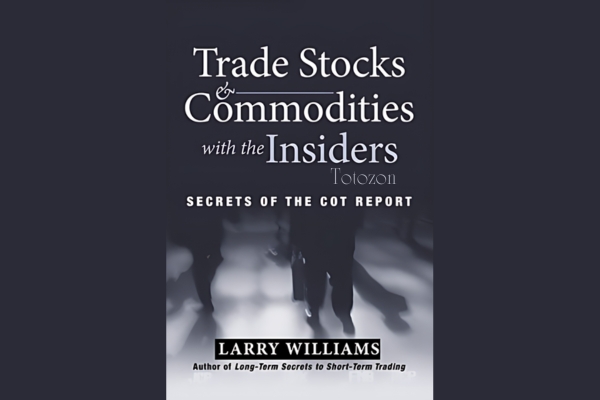 Trade Stocks and Commodities with the Insiders. Secrets of the COT Report with Larry Williams
1 × $6.00
Trade Stocks and Commodities with the Insiders. Secrets of the COT Report with Larry Williams
1 × $6.00 -
×
 Quantifiable Edges Swing Trading Course with Quantifiable Edges
1 × $15.00
Quantifiable Edges Swing Trading Course with Quantifiable Edges
1 × $15.00 -
×
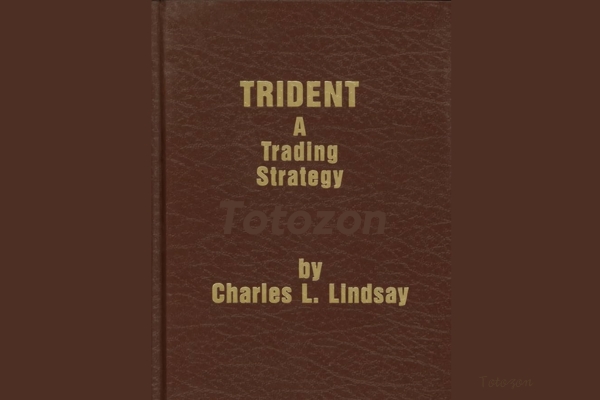 Trident. A Trading Strategy with Charles L.Lindsay
1 × $6.00
Trident. A Trading Strategy with Charles L.Lindsay
1 × $6.00 -
×
 If You Are So Smart Why Aren’t You Rich with Ben Branch
1 × $6.00
If You Are So Smart Why Aren’t You Rich with Ben Branch
1 × $6.00 -
×
 Climate Behaviour with Feibel Trading
1 × $6.00
Climate Behaviour with Feibel Trading
1 × $6.00 -
×
 The Dark Side Of Valuation with Aswath Damodaran
1 × $6.00
The Dark Side Of Valuation with Aswath Damodaran
1 × $6.00 -
×
 Day Trading Smart + David Nassar – Foundational Analysis. Selecting Winning Stock with David Nassar
1 × $6.00
Day Trading Smart + David Nassar – Foundational Analysis. Selecting Winning Stock with David Nassar
1 × $6.00 -
×
 You can be a Stock Market Genious with Joel Greenblaat
1 × $6.00
You can be a Stock Market Genious with Joel Greenblaat
1 × $6.00 -
×
 Perfect Strategy - SPX Daily Options Income with Peter Titus - Marwood Research
1 × $15.00
Perfect Strategy - SPX Daily Options Income with Peter Titus - Marwood Research
1 × $15.00 -
×
 EURUSD Trading System with CopperChips
1 × $6.00
EURUSD Trading System with CopperChips
1 × $6.00 -
×
 Mastering High Probability Chart Reading Methods with John Murphy
1 × $6.00
Mastering High Probability Chart Reading Methods with John Murphy
1 × $6.00 -
×
 Butterfly's Guide to Weekly Returns with Don Kaufman
1 × $6.00
Butterfly's Guide to Weekly Returns with Don Kaufman
1 × $6.00 -
×
 W. D Gann 's Square Of 9 Applied To Modern Markets with Sean Avidar - Hexatrade350
1 × $23.00
W. D Gann 's Square Of 9 Applied To Modern Markets with Sean Avidar - Hexatrade350
1 × $23.00 -
×
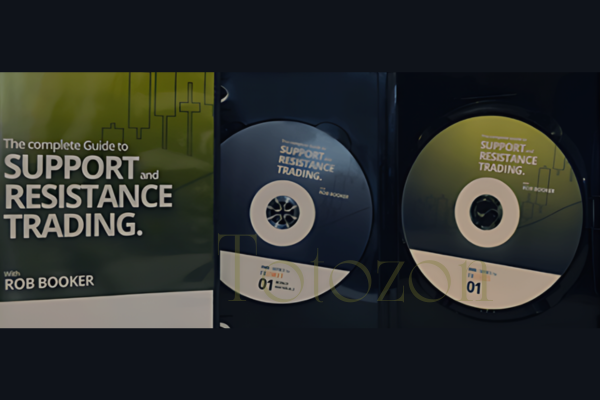 Support and Resistance Trading with Rob Booker
1 × $6.00
Support and Resistance Trading with Rob Booker
1 × $6.00 -
×
 The Naked Eye: Raw Data Analytics with Edgar Torres - Raw Data Analytics
1 × $8.00
The Naked Eye: Raw Data Analytics with Edgar Torres - Raw Data Analytics
1 × $8.00 -
×
 Double Top Trader Trading System with Anthony Gibson
1 × $6.00
Double Top Trader Trading System with Anthony Gibson
1 × $6.00 -
×
 Meeting of the Minds (Video ) with Larry Connors
1 × $6.00
Meeting of the Minds (Video ) with Larry Connors
1 × $6.00 -
×
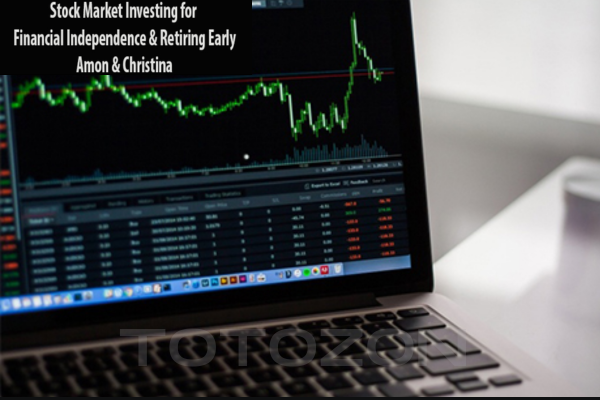 Stock Market Investing for Financial Independence & Retiring Early with Amon & Christina
1 × $15.00
Stock Market Investing for Financial Independence & Retiring Early with Amon & Christina
1 × $15.00 -
×
 Trader University with Matthew Kratter
1 × $6.00
Trader University with Matthew Kratter
1 × $6.00 -
×
 TickScalper Trading System
1 × $23.00
TickScalper Trading System
1 × $23.00 -
×
 Home Run Options Trading Course with Dave Aquino - Base Camp Trading
1 × $11.00
Home Run Options Trading Course with Dave Aquino - Base Camp Trading
1 × $11.00 -
×
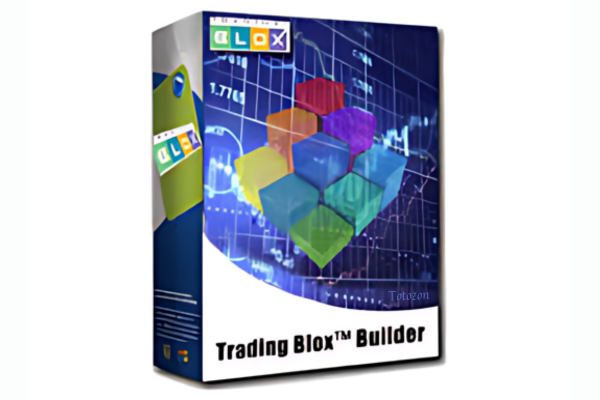 Trading Blox Builder 4.3.2.1
1 × $31.00
Trading Blox Builder 4.3.2.1
1 × $31.00 -
×
 Crypto Trading Academy with Cheeky Investor - Aussie Day Trader
1 × $13.00
Crypto Trading Academy with Cheeky Investor - Aussie Day Trader
1 × $13.00
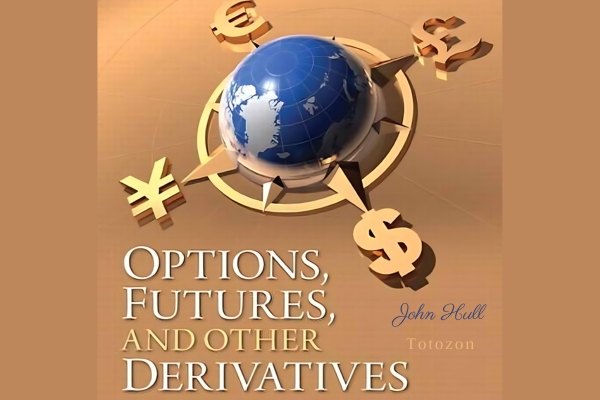
Options, Futures, and Other Derivative Securities
$6.00
File Size: Coming soon!
Delivery Time: 1–12 hours
Media Type: Online Course
Content Proof: Watch Here!
You may check content proof of “Options, Futures, and Other Derivative Securities” below:

Options, Futures, and Other Derivative Securities
In the intricate world of finance, derivative securities such as options and futures play a crucial role. These instruments allow investors to hedge risks, speculate on market movements, and enhance portfolio performance. This article delves into the essentials of options, futures, and other derivative securities, providing a comprehensive guide to understanding and utilizing these financial tools effectively.
Understanding Derivative Securities
What are Derivative Securities?
Derivative securities are financial instruments whose value is derived from the performance of underlying assets, such as stocks, bonds, commodities, or currencies.
Importance of Derivatives
Derivatives are vital for risk management, providing ways to hedge against potential losses. They also offer opportunities for speculation and leverage, allowing traders to gain significant exposure with minimal capital.
Exploring Options
What are Options?
Options are contracts that give the buyer the right, but not the obligation, to buy or sell an asset at a predetermined price within a specified time frame.
Types of Options
Call Options
Call options give the holder the right to purchase the underlying asset at a set price before the expiration date.
Put Options
Put options give the holder the right to sell the underlying asset at a set price before the expiration date.
How Options Work
Options are priced based on various factors, including the underlying asset’s price, strike price, time to expiration, volatility, and interest rates. The most commonly used model for pricing options is the Black-Scholes model.
Utilizing Futures
What are Futures?
Futures are standardized contracts obligating the buyer to purchase, or the seller to sell, an asset at a predetermined price on a specified future date.
Types of Futures
Futures contracts are available for various assets, including commodities (like oil and gold), financial instruments (like bonds and currencies), and indices (like the S&P 500).
How Futures Work
Futures trading involves margin requirements, where traders must deposit a portion of the contract’s value as collateral. Futures can be used for hedging risks or speculating on price movements.
Other Derivative Securities
Swaps
Swaps are contracts where two parties exchange cash flows or other financial instruments. The most common type is the interest rate swap.
Forwards
Forwards are customized contracts between two parties to buy or sell an asset at a specified price on a future date. Unlike futures, forwards are not traded on exchanges and are more flexible.
Practical Applications of Derivatives
Hedging
Hedging involves using derivatives to protect against potential losses in an underlying asset. For example, a farmer might use futures contracts to lock in the price of a crop, mitigating the risk of price fluctuations.
Speculation
Speculators use derivatives to bet on the future direction of market prices. This approach can yield high returns but also carries significant risk.
Arbitrage
Arbitrage involves exploiting price differences between markets or instruments to earn risk-free profits. Derivatives can be used to facilitate arbitrage strategies.
Advantages of Using Derivatives
Risk Management
Derivatives provide powerful tools for managing various types of financial risk, including market, credit, and interest rate risks.
Leverage
Derivatives allow traders to gain substantial exposure with a relatively small investment, magnifying potential returns.
Market Efficiency
Derivatives contribute to market efficiency by enabling price discovery and improving liquidity.
Challenges and Risks
Complexity
Derivatives can be complex and require a deep understanding of the underlying assets and market dynamics.
Leverage Risk
While leverage can amplify gains, it can also magnify losses, leading to significant financial risk.
Counterparty Risk
In over-the-counter (OTC) derivatives, there is a risk that the counterparty may default on the contract.
Regulatory Environment
Dodd-Frank Act
The Dodd-Frank Act, enacted after the 2008 financial crisis, introduced significant reforms to increase transparency and reduce risk in the derivatives market.
International Regulations
Regulations such as the European Market Infrastructure Regulation (EMIR) and the Basel III framework also play crucial roles in the global derivatives market.
Conclusion
Options, futures, and other derivative securities are essential tools in modern finance. They offer numerous benefits, including risk management, leverage, and market efficiency. However, they also come with significant risks and complexities. By understanding these instruments and their applications, investors can make more informed decisions and better navigate the financial markets.
FAQs
1. What are the main types of derivative securities?
The main types include options, futures, swaps, and forwards.
2. How do options differ from futures?
Options give the holder the right but not the obligation to buy or sell an asset, while futures obligate the buyer or seller to complete the transaction.
3. What is the primary use of derivatives?
Derivatives are primarily used for hedging risks, speculation, and arbitrage.
4. What are the risks associated with derivatives?
Risks include complexity, leverage risk, and counterparty risk.
5. How are derivatives regulated?
Regulations such as the Dodd-Frank Act and international frameworks like EMIR govern the derivatives market to ensure transparency and reduce risk.
Be the first to review “Options, Futures, and Other Derivative Securities”
You must be logged in to post a review.
Related products

Forex Trading
The Complete Guide to Multiple Time Frame Analysis & Reading Price Action with Aiman Almansoori
Original price was: $1,399.00.$13.00Current price is: $13.00.
Forex Trading
Original price was: $1,898.00.$10.00Current price is: $10.00.

Original price was: $700.00.$39.00Current price is: $39.00.

Forex Trading
Original price was: $999.00.$15.00Current price is: $15.00.

Original price was: $450.00.$23.00Current price is: $23.00.

Forex Trading
Original price was: $4,997.00.$27.00Current price is: $27.00.

Original price was: $1,800.00.$54.00Current price is: $54.00.

Original price was: $310.00.$23.00Current price is: $23.00.

Original price was: $497.00.$31.00Current price is: $31.00.

Forex Trading
Original price was: $1,098.00.$39.00Current price is: $39.00.
Original price was: $997.00.$8.00Current price is: $8.00.

Forex Trading
Original price was: $697.00.$5.00Current price is: $5.00.

Forex Trading
Original price was: $239.00.$8.00Current price is: $8.00.

Original price was: $999.00.$5.00Current price is: $5.00.

Original price was: $649.00.$20.00Current price is: $20.00.

Original price was: $799.00.$15.00Current price is: $15.00.
Original price was: $139.00.$23.00Current price is: $23.00.

Forex Trading
Original price was: $850.00.$23.00Current price is: $23.00.

Original price was: $1,849.00.$15.00Current price is: $15.00.

Forex Trading
Original price was: $2,995.00.$31.00Current price is: $31.00.
Reviews
There are no reviews yet.