
-
×
 All About Mutual Funds with Bruce Jacobs
1 × $6.00
All About Mutual Funds with Bruce Jacobs
1 × $6.00 -
×
 Forecast 2024 Clarification with Larry Williams
1 × $15.00
Forecast 2024 Clarification with Larry Williams
1 × $15.00 -
×
 Qualitative - Financial Statement Analysis with Sandesh Banger
1 × $5.00
Qualitative - Financial Statement Analysis with Sandesh Banger
1 × $5.00 -
×
 WondaFX Signature Strategy with WondaFX
1 × $5.00
WondaFX Signature Strategy with WondaFX
1 × $5.00 -
×
 SQX Mentorship with Tip Toe Hippo
1 × $23.00
SQX Mentorship with Tip Toe Hippo
1 × $23.00 -
×
 Bond Market Course with The Macro Compass
1 × $15.00
Bond Market Course with The Macro Compass
1 × $15.00 -
×
 Value Investing King of Trading Methods in the Commodity Markets - Hal Masover
1 × $6.00
Value Investing King of Trading Methods in the Commodity Markets - Hal Masover
1 × $6.00 -
×
 Advanced Group Analysis Turorial with David Vomund
1 × $6.00
Advanced Group Analysis Turorial with David Vomund
1 × $6.00 -
×
 5-Step-Trading Stocks I and II with Lex Van Dam
1 × $4.00
5-Step-Trading Stocks I and II with Lex Van Dam
1 × $4.00 -
×
 Advanced Forex Trading Momentum vs Reversals with Indicators Webinar - Mark Whistler
1 × $6.00
Advanced Forex Trading Momentum vs Reversals with Indicators Webinar - Mark Whistler
1 × $6.00 -
×
 YTC Price Action Trader
1 × $6.00
YTC Price Action Trader
1 × $6.00 -
×
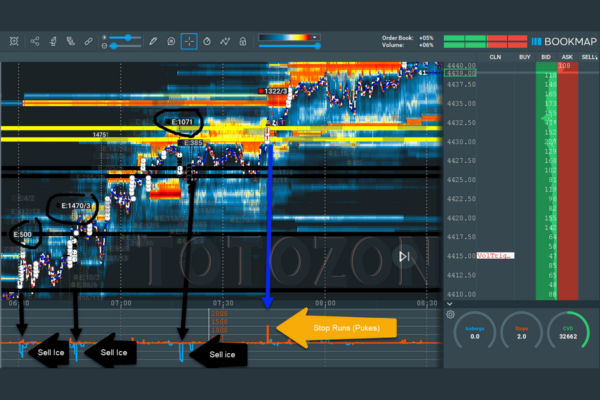 SI Indicator Course 2023 with Scott Pulcini
1 × $15.00
SI Indicator Course 2023 with Scott Pulcini
1 × $15.00 -
×
 Matrix Spread Options Trading Course with Base Camp Trading
1 × $31.00
Matrix Spread Options Trading Course with Base Camp Trading
1 × $31.00 -
×
 Master Time Factor & Forecasting with Mathematical Rules
1 × $6.00
Master Time Factor & Forecasting with Mathematical Rules
1 × $6.00 -
×
 Sample Item Sets 2003 - CFA Level 3
1 × $6.00
Sample Item Sets 2003 - CFA Level 3
1 × $6.00 -
×
 Peter Borish Online Trader Program
1 × $15.00
Peter Borish Online Trader Program
1 × $15.00 -
×
 Best of the Best: Collars with Amy Meissner & Scott Ruble
1 × $15.00
Best of the Best: Collars with Amy Meissner & Scott Ruble
1 × $15.00 -
×
 Trade with a Day Job USA v2010 with Markets Mastered
1 × $6.00
Trade with a Day Job USA v2010 with Markets Mastered
1 × $6.00 -
×
 Tradezilla 2.0
1 × $5.00
Tradezilla 2.0
1 × $5.00 -
×
 $20 – 52k 20 pips a day challange with Rafał Zuchowicz - TopMasterTrader
1 × $5.00
$20 – 52k 20 pips a day challange with Rafał Zuchowicz - TopMasterTrader
1 × $5.00 -
×
 The Box Strategy with Blue Capital Academy
1 × $23.00
The Box Strategy with Blue Capital Academy
1 × $23.00 -
×
 Channel Analysis. The Key to Improved Timing of Trades with Brian J.Millard
1 × $6.00
Channel Analysis. The Key to Improved Timing of Trades with Brian J.Millard
1 × $6.00 -
×
 The Day Trader: From the Pit to the PC with Lewis Borsellino
1 × $6.00
The Day Trader: From the Pit to the PC with Lewis Borsellino
1 × $6.00 -
×
 Order Flow Analysis
1 × $15.00
Order Flow Analysis
1 × $15.00 -
×
 Monthly Newsletter 99-01 with Elliott Wave Theorist
1 × $6.00
Monthly Newsletter 99-01 with Elliott Wave Theorist
1 × $6.00 -
×
 Climate Behaviour with Feibel Trading
1 × $6.00
Climate Behaviour with Feibel Trading
1 × $6.00 -
×
 Deep Dive Butterfly Trading Strategy Class with SJG Trades
1 × $41.00
Deep Dive Butterfly Trading Strategy Class with SJG Trades
1 × $41.00 -
×
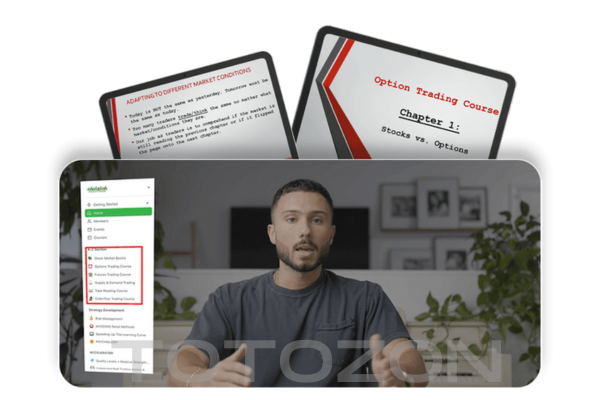 A- Z Educational Trading Course with InvestiTrade
1 × $39.00
A- Z Educational Trading Course with InvestiTrade
1 × $39.00 -
×
 A Mathematician Plays The Stock Market with John Allen Paulos
1 × $6.00
A Mathematician Plays The Stock Market with John Allen Paulos
1 × $6.00 -
×
 60 Seconds Sure Shot Strategy with Albert E
1 × $6.00
60 Seconds Sure Shot Strategy with Albert E
1 × $6.00 -
×
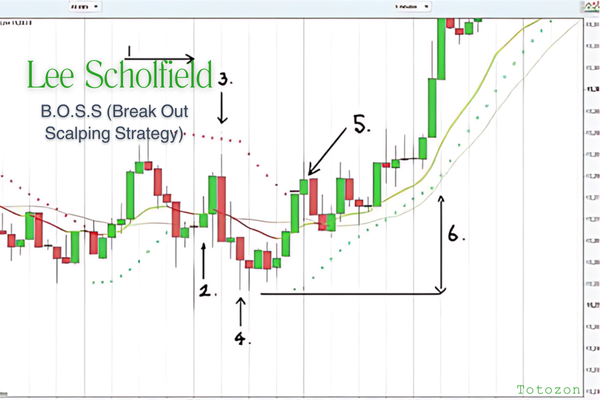 B.O.S.S (Break Out Scalping Strategy) with Lee Scholfield
1 × $6.00
B.O.S.S (Break Out Scalping Strategy) with Lee Scholfield
1 × $6.00 -
×
 Trading Masterclass POTM + PFTM + PTMI with Anton Kreil
1 × $6.00
Trading Masterclass POTM + PFTM + PTMI with Anton Kreil
1 × $6.00 -
×
 Complete Short Black Scholes Options Trading Pricing Course
1 × $6.00
Complete Short Black Scholes Options Trading Pricing Course
1 × $6.00 -
×
 Beginner's Guide to Trading Intraday Futures Class with Don Kaufman
1 × $6.00
Beginner's Guide to Trading Intraday Futures Class with Don Kaufman
1 × $6.00 -
×
 Volume Breakout Indicator
1 × $31.00
Volume Breakout Indicator
1 × $31.00 -
×
 The Orderflow Masterclass with PrimeTrading
1 × $17.00
The Orderflow Masterclass with PrimeTrading
1 × $17.00 -
×
 Trading The Nasdaq Seminar with Alan Rich
1 × $6.00
Trading The Nasdaq Seminar with Alan Rich
1 × $6.00 -
×
 ND10X - 10X Your Money In 10 Days with Nicola Delic
1 × $23.00
ND10X - 10X Your Money In 10 Days with Nicola Delic
1 × $23.00 -
×
 Beginner's Guide to Ratio Butterflys Class with Don Kaufman
1 × $6.00
Beginner's Guide to Ratio Butterflys Class with Don Kaufman
1 × $6.00

The Noise Trader Approach to Finance (Article) with Andrei Schleifer, Laurence H.Summers
$6.00
File Size: Cooming soon!
Delivery Time: 1–12 hours
Media Type: Online Course
Content Proof: Watch Here!
You may check content proof of “The Noise Trader Approach to Finance (Article) with Andrei Schleifer, Laurence H.Summers” below:

The Noise Trader Approach to Finance with Andrei Shleifer and Laurence H. Summers
Introduction to Noise Trader Theory
In the realm of finance, understanding market behavior is crucial. Andrei Shleifer and Laurence H. Summers introduced the concept of noise trading, which explores how irrational behavior affects financial markets. This article delves into the noise trader approach, its implications, and strategies for navigating such markets.
What is Noise Trading?
Definition and Concept
Noise trading refers to trading based on misinformation, irrational beliefs, or speculation rather than fundamental information. Noise traders make decisions influenced by market noise, rather than underlying financial realities.
Impact on Market Efficiency
Noise trading challenges the Efficient Market Hypothesis (EMH), which posits that markets are rational and prices reflect all available information. Noise traders create price anomalies and market inefficiencies.
Key Contributions by Shleifer and Summers
Who are Andrei Shleifer and Laurence H. Summers?
Andrei Shleifer is a renowned economist known for his work in behavioral finance, while Laurence H. Summers is an influential economist and former U.S. Treasury Secretary. Their collaboration has significantly impacted our understanding of financial markets.
The Noise Trader Approach
Their seminal work suggests that noise traders can impact asset prices significantly, causing deviations from fundamental values. These deviations can persist and create opportunities for profit.
Mechanisms of Noise Trading
Behavioral Biases
Noise traders are often influenced by cognitive biases such as overconfidence, herd behavior, and loss aversion. These biases lead to irrational decision-making.
Market Sentiment
Market sentiment, driven by noise traders, can cause price fluctuations that do not align with fundamental values. Positive or negative sentiment can drive prices away from their intrinsic value.
Speculative Bubbles
Noise trading can contribute to the formation of speculative bubbles, where asset prices inflate beyond their intrinsic value due to irrational exuberance.
Implications for Financial Markets
Market Volatility
Noise trading increases market volatility, as prices fluctuate based on irrational behavior rather than fundamentals. This can lead to unpredictable and sharp price movements.
Risk and Return
The presence of noise traders affects the risk-return profile of investments. While it can create opportunities for arbitrage, it also introduces additional risk.
Market Inefficiencies
Noise trading contributes to market inefficiencies, where prices deviate from their true value. This challenges the notion that markets are always rational and efficient.
Strategies for Navigating Noise-Driven Markets
1. Fundamental Analysis
Relying on fundamental analysis can help investors identify mispriced assets. By focusing on financial statements and intrinsic values, investors can make informed decisions.
2. Behavioral Analysis
Incorporating behavioral analysis into investment strategies can provide insights into market sentiment and potential irrational behavior.
3. Diversification
Diversifying investments across different asset classes and markets can help mitigate the risks associated with noise trading.
4. Risk Management
Implementing robust risk management practices, such as stop-loss orders and position sizing, can protect against the unpredictability caused by noise traders.
Case Studies of Noise Trading
Dot-Com Bubble
The dot-com bubble of the late 1990s is a classic example of noise trading. Irrational exuberance drove technology stock prices to unsustainable levels, followed by a sharp correction.
2008 Financial Crisis
The 2008 financial crisis highlighted the impact of noise trading in the housing market, where speculative behavior and misinformation contributed to the market collapse.
The Future of Noise Trading
Technological Advancements
Advances in technology and data analytics may help mitigate the impact of noise trading by improving information dissemination and analysis.
Regulatory Changes
Regulatory changes aimed at increasing market transparency and reducing information asymmetry can help reduce the prevalence of noise trading.
Behavioral Insights
Incorporating behavioral insights into economic models and investment strategies can provide a more comprehensive understanding of market dynamics and help manage noise trading effects.
Conclusion
The noise trader approach to finance, as explored by Andrei Shleifer and Laurence H. Summers, provides valuable insights into market behavior and inefficiencies. By understanding the impact of noise traders and implementing strategies to navigate such markets, investors can better manage risks and capitalize on opportunities. Embrace these insights, apply them diligently, and refine your investment approach to achieve better financial outcomes.
Frequently Asked Questions
What is noise trading?
Noise trading refers to trading based on misinformation, irrational beliefs, or speculation rather than fundamental information.
Who are Andrei Shleifer and Laurence H. Summers?
Andrei Shleifer is a prominent economist known for his work in behavioral finance, and Laurence H. Summers is an influential economist and former U.S. Treasury Secretary.
How does noise trading affect financial markets?
Noise trading increases market volatility, creates price anomalies, and contributes to market inefficiencies.
What strategies can help navigate noise-driven markets?
Strategies include relying on fundamental analysis, incorporating behavioral analysis, diversifying investments, and implementing robust risk management practices.
What are some examples of noise trading?
Examples include the dot-com bubble of the late 1990s and the 2008 financial crisis, where speculative behavior and misinformation led to market anomalies.
Be the first to review “The Noise Trader Approach to Finance (Article) with Andrei Schleifer, Laurence H.Summers”
You must be logged in to post a review.
Related products

Original price was: $700.00.$39.00Current price is: $39.00.

Original price was: $1,200.00.$23.00Current price is: $23.00.

Original price was: $299.00.$8.00Current price is: $8.00.

Original price was: $1,800.00.$54.00Current price is: $54.00.

Original price was: $450.00.$23.00Current price is: $23.00.

Forex Trading
Original price was: $239.00.$8.00Current price is: $8.00.

Original price was: $4,995.00.$15.00Current price is: $15.00.

Forex Trading
The Complete Guide to Multiple Time Frame Analysis & Reading Price Action with Aiman Almansoori
Original price was: $1,399.00.$13.00Current price is: $13.00.

Original price was: $649.00.$20.00Current price is: $20.00.

Forex Trading
Original price was: $2,000.00.$23.00Current price is: $23.00.
Original price was: $799.00.$15.00Current price is: $15.00.

Forex Trading
Quantamentals – The Next Great Forefront Of Trading and Investing with Trading Markets
Original price was: $1,495.00.$8.00Current price is: $8.00.

Forex Trading
Original price was: $2,995.00.$31.00Current price is: $31.00.
Forex Trading
Original price was: $125.00.$17.00Current price is: $17.00.

Forex Trading
Original price was: $500.00.$5.00Current price is: $5.00.

Forex Trading
Original price was: $1,098.00.$39.00Current price is: $39.00.
Forex Trading
Original price was: $550.00.$5.00Current price is: $5.00.

Original price was: $1,849.00.$15.00Current price is: $15.00.
Forex Trading
Original price was: $249.00.$15.00Current price is: $15.00.

Forex Trading
Original price was: $797.00.$10.00Current price is: $10.00.

Reviews
There are no reviews yet.