
-
×
 Market Fluidity
1 × $6.00
Market Fluidity
1 × $6.00 -
×
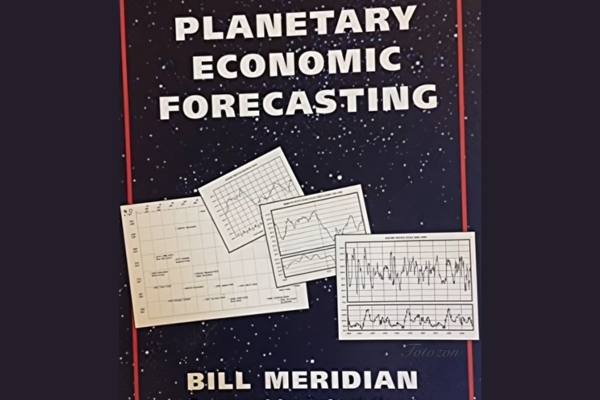 Planetary Economic Forecasting with Bill Meridian
1 × $6.00
Planetary Economic Forecasting with Bill Meridian
1 × $6.00 -
×
 Deep Dive Butterfly Trading Strategy Class with SJG Trades
1 × $41.00
Deep Dive Butterfly Trading Strategy Class with SJG Trades
1 × $41.00 -
×
 Dividend Key Home Study Course with Hubb Financial
1 × $6.00
Dividend Key Home Study Course with Hubb Financial
1 × $6.00 -
×
 Mastering the Complex Sale: How to Compete and Win When the Stakes are High! with Jeff Thull
1 × $6.00
Mastering the Complex Sale: How to Compete and Win When the Stakes are High! with Jeff Thull
1 × $6.00 -
×
 Practical Astro with Ruth Miller & Iam Williams
1 × $6.00
Practical Astro with Ruth Miller & Iam Williams
1 × $6.00 -
×
 Sacredscience - Edward Johndro – Collected Articles
1 × $6.00
Sacredscience - Edward Johndro – Collected Articles
1 × $6.00 -
×
 Crystal Ball Pack PLUS bonus Live Trade By Pat Mitchell - Trick Trades
1 × $20.00
Crystal Ball Pack PLUS bonus Live Trade By Pat Mitchell - Trick Trades
1 × $20.00 -
×
 Essentials in Quantitative Trading QT01 By HangukQuant's
1 × $23.00
Essentials in Quantitative Trading QT01 By HangukQuant's
1 × $23.00 -
×
 Module II - Signature Trades with FX MindShift
1 × $6.00
Module II - Signature Trades with FX MindShift
1 × $6.00 -
×
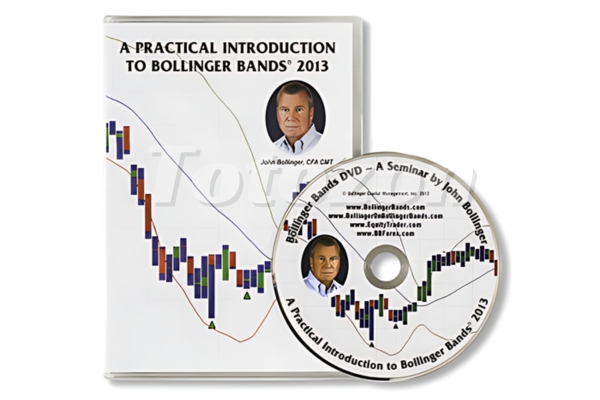 Practical Introduction to Bollinger Bands 2013
1 × $6.00
Practical Introduction to Bollinger Bands 2013
1 × $6.00 -
×
 The Best Option Trading Course with David Jaffee - Best Stock Strategy
1 × $15.00
The Best Option Trading Course with David Jaffee - Best Stock Strategy
1 × $15.00 -
×
 Bulletproof Butterflies 2.0 2022 (PREMIUM) with Bruce Marshall
1 × $23.00
Bulletproof Butterflies 2.0 2022 (PREMIUM) with Bruce Marshall
1 × $23.00 -
×
 Forex Trading Like Banks - Step by Step by Live Examples with Taher Assaf
1 × $6.00
Forex Trading Like Banks - Step by Step by Live Examples with Taher Assaf
1 × $6.00 -
×
 Compass Trading System with Right Line Trading
1 × $39.00
Compass Trading System with Right Line Trading
1 × $39.00 -
×
 Risk Stop Loss and Position Size with Daryl Guppy
1 × $6.00
Risk Stop Loss and Position Size with Daryl Guppy
1 × $6.00 -
×
 Market Analysis Companion for Metastock with Martin Pring
1 × $6.00
Market Analysis Companion for Metastock with Martin Pring
1 × $6.00 -
×
 Algo Trading Masterclass with Ali Casey - StatOasis
1 × $23.00
Algo Trading Masterclass with Ali Casey - StatOasis
1 × $23.00 -
×
 Traders: Risks, Decisions, and Management in Financial Markets - Mark Fenton-O’Creevy, Nigel Nicholson, Emma Soane & Paul Willman
1 × $6.00
Traders: Risks, Decisions, and Management in Financial Markets - Mark Fenton-O’Creevy, Nigel Nicholson, Emma Soane & Paul Willman
1 × $6.00 -
×
 Conquering Stock Market Hype with Allan Campbell
1 × $6.00
Conquering Stock Market Hype with Allan Campbell
1 × $6.00 -
×
 Crash or Correction - Top 5 Patterns Every Trader Must Master with Todd Gordon
1 × $6.00
Crash or Correction - Top 5 Patterns Every Trader Must Master with Todd Gordon
1 × $6.00 -
×
 Bond Market Course with The Macro Compass
1 × $15.00
Bond Market Course with The Macro Compass
1 × $15.00 -
×
 Scalp Strategy and Flipping Small Accounts with Opes Trading Group
1 × $5.00
Scalp Strategy and Flipping Small Accounts with Opes Trading Group
1 × $5.00 -
×
 Larry Williams Newsletters (1994-1997)
1 × $6.00
Larry Williams Newsletters (1994-1997)
1 × $6.00 -
×
 Candlestick Trading for Maximum Profitsn with B.M.Davis
1 × $6.00
Candlestick Trading for Maximum Profitsn with B.M.Davis
1 × $6.00 -
×
 Active Investment Management: Finding and Harnessing Investment Skill with Charles Jackson
1 × $6.00
Active Investment Management: Finding and Harnessing Investment Skill with Charles Jackson
1 × $6.00 -
×
 Price Headley - Using Williams %R The BigTrends Way
1 × $6.00
Price Headley - Using Williams %R The BigTrends Way
1 × $6.00 -
×
 6-2-4 Winning Strategies & Systems with Jack Bernstein
1 × $6.00
6-2-4 Winning Strategies & Systems with Jack Bernstein
1 × $6.00 -
×
 Gold Trading Academy Video Course
1 × $23.00
Gold Trading Academy Video Course
1 × $23.00 -
×
 Market Risk Analysis, Volume III, Pricing, Hedging and Trading Financial Instruments with Carol Alexander
1 × $6.00
Market Risk Analysis, Volume III, Pricing, Hedging and Trading Financial Instruments with Carol Alexander
1 × $6.00 -
×
 DaVinci FX Course
1 × $6.00
DaVinci FX Course
1 × $6.00 -
×
 The Indices Orderflow Masterclass with The Forex Scalpers
1 × $23.00
The Indices Orderflow Masterclass with The Forex Scalpers
1 × $23.00 -
×
 RSI Basic with Andrew Cardwell
1 × $54.00
RSI Basic with Andrew Cardwell
1 × $54.00 -
×
 How to Lose Money Profitably with Mark D.Cook
1 × $6.00
How to Lose Money Profitably with Mark D.Cook
1 × $6.00 -
×
 Advanced Iron Condors, Trading Concepts with Todd Mitchell
1 × $31.00
Advanced Iron Condors, Trading Concepts with Todd Mitchell
1 × $31.00 -
×
 4 Strategies That Will Make You a Professional Day Trader with Jerremy Newsome
1 × $6.00
4 Strategies That Will Make You a Professional Day Trader with Jerremy Newsome
1 × $6.00 -
×
 Secrets to Succesful Forex Trading Course with Jose Soto
1 × $6.00
Secrets to Succesful Forex Trading Course with Jose Soto
1 × $6.00 -
×
 Timing the Market with Unique Indicators with Sherman McCellan
1 × $6.00
Timing the Market with Unique Indicators with Sherman McCellan
1 × $6.00 -
×
 The Complete 12 Week Transformation Course
1 × $31.00
The Complete 12 Week Transformation Course
1 × $31.00 -
×
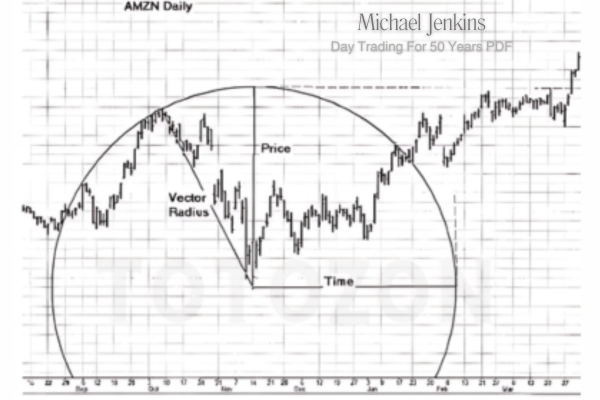 Day Trading For 50 Years PDF with Michael Jenkins
1 × $6.00
Day Trading For 50 Years PDF with Michael Jenkins
1 × $6.00 -
×
 WITS Turbo Seminars with Brian James Sklenka
1 × $6.00
WITS Turbo Seminars with Brian James Sklenka
1 × $6.00 -
×
 A Complete Beginner to Advanced Trading Mentorship Program with Habby Forex Trading Academy
1 × $5.00
A Complete Beginner to Advanced Trading Mentorship Program with Habby Forex Trading Academy
1 × $5.00 -
×
 The Logical Trader: Applying a Method to the Madness with Mark Fisher
1 × $6.00
The Logical Trader: Applying a Method to the Madness with Mark Fisher
1 × $6.00 -
×
 Advent Forex Course with Cecil Robles
1 × $6.00
Advent Forex Course with Cecil Robles
1 × $6.00 -
×
 Wealth Management with Dimitris Chorafas
1 × $6.00
Wealth Management with Dimitris Chorafas
1 × $6.00 -
×
 Value, Price & Profit with Karl Marx
1 × $6.00
Value, Price & Profit with Karl Marx
1 × $6.00 -
×
 Advanced GET 8.0 EOD
1 × $6.00
Advanced GET 8.0 EOD
1 × $6.00 -
×
 Forecast 2024 Clarification with Larry Williams
1 × $15.00
Forecast 2024 Clarification with Larry Williams
1 × $15.00 -
×
 You can be a Stock Market Genious with Joel Greenblaat
1 × $6.00
You can be a Stock Market Genious with Joel Greenblaat
1 × $6.00 -
×
 The Orderflows Trade Opportunities Encyclopedia with Michael Valtos
1 × $8.00
The Orderflows Trade Opportunities Encyclopedia with Michael Valtos
1 × $8.00 -
×
 The House Always Wins with jasonbondpicks
1 × $6.00
The House Always Wins with jasonbondpicks
1 × $6.00 -
×
 Trading for a Living with Alexander Elder
1 × $6.00
Trading for a Living with Alexander Elder
1 × $6.00 -
×
 WondaFX Signature Strategy with WondaFX
1 × $5.00
WondaFX Signature Strategy with WondaFX
1 × $5.00 -
×
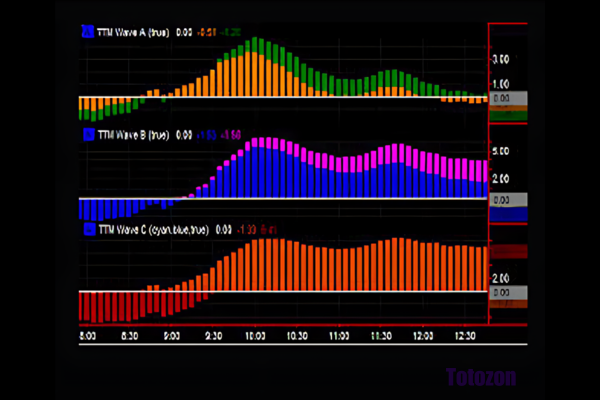 ABC Waves TOS Indicator & Live Class with Simpler Options
1 × $6.00
ABC Waves TOS Indicator & Live Class with Simpler Options
1 × $6.00 -
×
 7 Commandments of Stock Investing with Gene Marcial
1 × $6.00
7 Commandments of Stock Investing with Gene Marcial
1 × $6.00 -
×
 The Market Geometry Basic Seminar DVD with Market Geometry
1 × $31.00
The Market Geometry Basic Seminar DVD with Market Geometry
1 × $31.00 -
×
 Day One Trader with John Sussex
1 × $6.00
Day One Trader with John Sussex
1 × $6.00 -
×
 The Trading Vault with Anne-Marie Baiynd
1 × $54.00
The Trading Vault with Anne-Marie Baiynd
1 × $54.00 -
×
 The Orderflow Masterclass with PrimeTrading
1 × $17.00
The Orderflow Masterclass with PrimeTrading
1 × $17.00 -
×
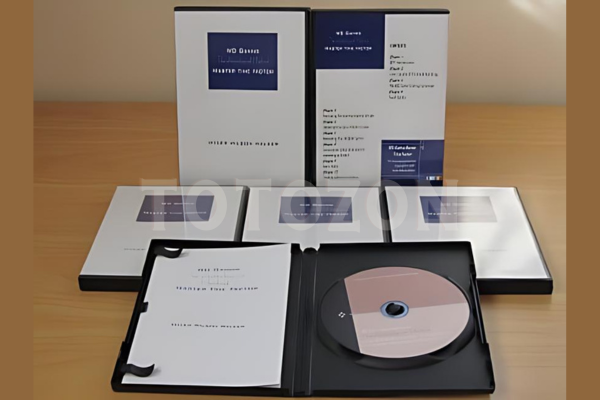 WD Gann’s Master Time Factor DVD With Miles Wilson Walker
1 × $6.00
WD Gann’s Master Time Factor DVD With Miles Wilson Walker
1 × $6.00 -
×
 What Products to Watch and Why Class with Don Kaufman
1 × $6.00
What Products to Watch and Why Class with Don Kaufman
1 × $6.00 -
×
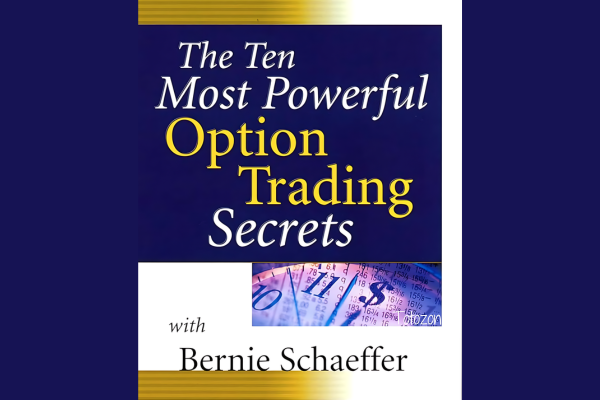 The Ten Most Powerful Option Trading Secrets with Bernie Schaeffer
1 × $6.00
The Ten Most Powerful Option Trading Secrets with Bernie Schaeffer
1 × $6.00 -
×
 Advanced Forex Patterns with Vic Noble & Darko Ali
1 × $39.00
Advanced Forex Patterns with Vic Noble & Darko Ali
1 × $39.00 -
×
 $20 – 52k 20 pips a day challange with Rafał Zuchowicz - TopMasterTrader
1 × $5.00
$20 – 52k 20 pips a day challange with Rafał Zuchowicz - TopMasterTrader
1 × $5.00 -
×
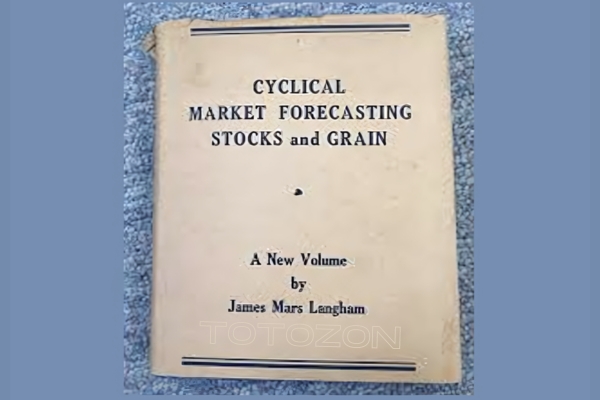 Market Forecasting. Stocks and Grain
1 × $6.00
Market Forecasting. Stocks and Grain
1 × $6.00 -
×
 ATM Forex 2009 System Manual, Videos & Indicators with Keith Cotterill
1 × $6.00
ATM Forex 2009 System Manual, Videos & Indicators with Keith Cotterill
1 × $6.00 -
×
 Candlestick Patterns to Master Forex Trading Price Action with Federico Sellitti
1 × $6.00
Candlestick Patterns to Master Forex Trading Price Action with Federico Sellitti
1 × $6.00 -
×
 BD FX Course with FX Learning
1 × $6.00
BD FX Course with FX Learning
1 × $6.00 -
×
 An Introduction to Market Risk Measurement with Kevin Dowd
1 × $6.00
An Introduction to Market Risk Measurement with Kevin Dowd
1 × $6.00 -
×
 Wyckoff Analysis Series. Module 1. Wyckoff Volume Analysis
1 × $6.00
Wyckoff Analysis Series. Module 1. Wyckoff Volume Analysis
1 × $6.00 -
×
 High Probability Trading Using Elliott Wave And Fibonacci Analysis withVic Patel - Forex Training Group
1 × $10.00
High Probability Trading Using Elliott Wave And Fibonacci Analysis withVic Patel - Forex Training Group
1 × $10.00

The Noise Trader Approach to Finance (Article) with Andrei Schleifer, Laurence H.Summers
$6.00
File Size: Cooming soon!
Delivery Time: 1–12 hours
Media Type: Online Course
Content Proof: Watch Here!
You may check content proof of “The Noise Trader Approach to Finance (Article) with Andrei Schleifer, Laurence H.Summers” below:

The Noise Trader Approach to Finance with Andrei Shleifer and Laurence H. Summers
Introduction to Noise Trader Theory
In the realm of finance, understanding market behavior is crucial. Andrei Shleifer and Laurence H. Summers introduced the concept of noise trading, which explores how irrational behavior affects financial markets. This article delves into the noise trader approach, its implications, and strategies for navigating such markets.
What is Noise Trading?
Definition and Concept
Noise trading refers to trading based on misinformation, irrational beliefs, or speculation rather than fundamental information. Noise traders make decisions influenced by market noise, rather than underlying financial realities.
Impact on Market Efficiency
Noise trading challenges the Efficient Market Hypothesis (EMH), which posits that markets are rational and prices reflect all available information. Noise traders create price anomalies and market inefficiencies.
Key Contributions by Shleifer and Summers
Who are Andrei Shleifer and Laurence H. Summers?
Andrei Shleifer is a renowned economist known for his work in behavioral finance, while Laurence H. Summers is an influential economist and former U.S. Treasury Secretary. Their collaboration has significantly impacted our understanding of financial markets.
The Noise Trader Approach
Their seminal work suggests that noise traders can impact asset prices significantly, causing deviations from fundamental values. These deviations can persist and create opportunities for profit.
Mechanisms of Noise Trading
Behavioral Biases
Noise traders are often influenced by cognitive biases such as overconfidence, herd behavior, and loss aversion. These biases lead to irrational decision-making.
Market Sentiment
Market sentiment, driven by noise traders, can cause price fluctuations that do not align with fundamental values. Positive or negative sentiment can drive prices away from their intrinsic value.
Speculative Bubbles
Noise trading can contribute to the formation of speculative bubbles, where asset prices inflate beyond their intrinsic value due to irrational exuberance.
Implications for Financial Markets
Market Volatility
Noise trading increases market volatility, as prices fluctuate based on irrational behavior rather than fundamentals. This can lead to unpredictable and sharp price movements.
Risk and Return
The presence of noise traders affects the risk-return profile of investments. While it can create opportunities for arbitrage, it also introduces additional risk.
Market Inefficiencies
Noise trading contributes to market inefficiencies, where prices deviate from their true value. This challenges the notion that markets are always rational and efficient.
Strategies for Navigating Noise-Driven Markets
1. Fundamental Analysis
Relying on fundamental analysis can help investors identify mispriced assets. By focusing on financial statements and intrinsic values, investors can make informed decisions.
2. Behavioral Analysis
Incorporating behavioral analysis into investment strategies can provide insights into market sentiment and potential irrational behavior.
3. Diversification
Diversifying investments across different asset classes and markets can help mitigate the risks associated with noise trading.
4. Risk Management
Implementing robust risk management practices, such as stop-loss orders and position sizing, can protect against the unpredictability caused by noise traders.
Case Studies of Noise Trading
Dot-Com Bubble
The dot-com bubble of the late 1990s is a classic example of noise trading. Irrational exuberance drove technology stock prices to unsustainable levels, followed by a sharp correction.
2008 Financial Crisis
The 2008 financial crisis highlighted the impact of noise trading in the housing market, where speculative behavior and misinformation contributed to the market collapse.
The Future of Noise Trading
Technological Advancements
Advances in technology and data analytics may help mitigate the impact of noise trading by improving information dissemination and analysis.
Regulatory Changes
Regulatory changes aimed at increasing market transparency and reducing information asymmetry can help reduce the prevalence of noise trading.
Behavioral Insights
Incorporating behavioral insights into economic models and investment strategies can provide a more comprehensive understanding of market dynamics and help manage noise trading effects.
Conclusion
The noise trader approach to finance, as explored by Andrei Shleifer and Laurence H. Summers, provides valuable insights into market behavior and inefficiencies. By understanding the impact of noise traders and implementing strategies to navigate such markets, investors can better manage risks and capitalize on opportunities. Embrace these insights, apply them diligently, and refine your investment approach to achieve better financial outcomes.
Frequently Asked Questions
What is noise trading?
Noise trading refers to trading based on misinformation, irrational beliefs, or speculation rather than fundamental information.
Who are Andrei Shleifer and Laurence H. Summers?
Andrei Shleifer is a prominent economist known for his work in behavioral finance, and Laurence H. Summers is an influential economist and former U.S. Treasury Secretary.
How does noise trading affect financial markets?
Noise trading increases market volatility, creates price anomalies, and contributes to market inefficiencies.
What strategies can help navigate noise-driven markets?
Strategies include relying on fundamental analysis, incorporating behavioral analysis, diversifying investments, and implementing robust risk management practices.
What are some examples of noise trading?
Examples include the dot-com bubble of the late 1990s and the 2008 financial crisis, where speculative behavior and misinformation led to market anomalies.
Be the first to review “The Noise Trader Approach to Finance (Article) with Andrei Schleifer, Laurence H.Summers”
You must be logged in to post a review.
Related products
Forex Trading
Original price was: $499.00.$15.00Current price is: $15.00.

Forex Trading
Original price was: $697.00.$5.00Current price is: $5.00.

Original price was: $310.00.$23.00Current price is: $23.00.
Forex Trading
Original price was: $125.00.$17.00Current price is: $17.00.

Original price was: $997.00.$8.00Current price is: $8.00.

Forex Trading
Original price was: $799.00.$15.00Current price is: $15.00.
Original price was: $299.00.$8.00Current price is: $8.00.
Forex Trading
Original price was: $2,000.00.$23.00Current price is: $23.00.

Forex Trading
The Complete Guide to Multiple Time Frame Analysis & Reading Price Action with Aiman Almansoori
Original price was: $1,399.00.$13.00Current price is: $13.00.
Original price was: $999.00.$5.00Current price is: $5.00.

Original price was: $997.00.$13.00Current price is: $13.00.
Original price was: $695.00.$41.00Current price is: $41.00.
Forex Trading
Original price was: $797.00.$10.00Current price is: $10.00.

Original price was: $799.00.$15.00Current price is: $15.00.

Original price was: $497.00.$31.00Current price is: $31.00.

Forex Trading
Original price was: $4,997.00.$27.00Current price is: $27.00.

Original price was: $1,800.00.$54.00Current price is: $54.00.

Original price was: $2,120.00.$15.00Current price is: $15.00.

Original price was: $4,995.00.$15.00Current price is: $15.00.

Forex Trading
Original price was: $239.00.$8.00Current price is: $8.00.

Reviews
There are no reviews yet.