
-
×
 Stock Trader`s Almanac 2012 with Jeffrey Hirsch & Yale Hirsch
1 × $6.00
Stock Trader`s Almanac 2012 with Jeffrey Hirsch & Yale Hirsch
1 × $6.00 -
×
 Winning With The Market with Douglas R.Sease
1 × $6.00
Winning With The Market with Douglas R.Sease
1 × $6.00 -
×
 Engineering Analysis: Interactive Methods and Programs with FORTRAN, QuickBASIC, MATLAB, and Mathematica with Yen-Ching Pao
1 × $6.00
Engineering Analysis: Interactive Methods and Programs with FORTRAN, QuickBASIC, MATLAB, and Mathematica with Yen-Ching Pao
1 × $6.00 -
×
 TradeCraft: Your Path to Peak Performance Trading By Adam Grimes
1 × $15.00
TradeCraft: Your Path to Peak Performance Trading By Adam Grimes
1 × $15.00 -
×
 Developing the Psychological Trader’s Edge with Robin Dayne
1 × $6.00
Developing the Psychological Trader’s Edge with Robin Dayne
1 × $6.00 -
×
 W. D Gann 's Square Of 9 Applied To Modern Markets with Sean Avidar - Hexatrade350
1 × $23.00
W. D Gann 's Square Of 9 Applied To Modern Markets with Sean Avidar - Hexatrade350
1 × $23.00 -
×
 Million Dollar Bond Strategies Video with Paul Judd
1 × $6.00
Million Dollar Bond Strategies Video with Paul Judd
1 × $6.00 -
×
 Mastertrader – Mastering Swing Trading
1 × $31.00
Mastertrader – Mastering Swing Trading
1 × $31.00 -
×
 Blueprint to Extreme Reversals with Aiman Almansoori - Trading Terminal
1 × $8.00
Blueprint to Extreme Reversals with Aiman Almansoori - Trading Terminal
1 × $8.00 -
×
 Market Making Scalping Manual with Gary Norden - Jigsaw Trading
1 × $69.00
Market Making Scalping Manual with Gary Norden - Jigsaw Trading
1 × $69.00 -
×
 SJG Trading - Butterflies Class with Steve Ganz
1 × $31.00
SJG Trading - Butterflies Class with Steve Ganz
1 × $31.00 -
×
 Advanced Gap Trading Strategies with Master Trader
1 × $31.00
Advanced Gap Trading Strategies with Master Trader
1 × $31.00 -
×
 Gann Masters II with Hallikers Inc
1 × $6.00
Gann Masters II with Hallikers Inc
1 × $6.00 -
×
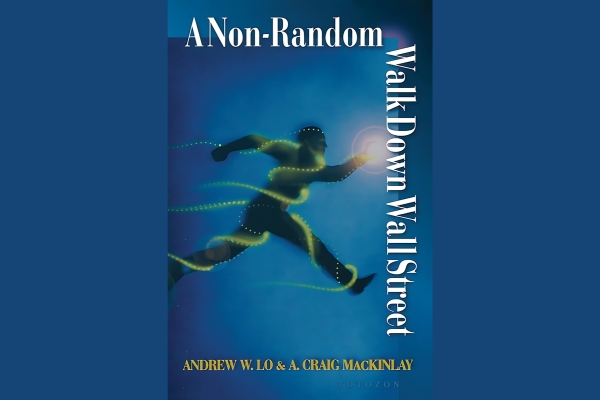 A Non-Random Walk Down Wall Street with Andrew W.Lo
1 × $6.00
A Non-Random Walk Down Wall Street with Andrew W.Lo
1 × $6.00 -
×
 NASDAQ Level II Trading Strategies
1 × $6.00
NASDAQ Level II Trading Strategies
1 × $6.00 -
×
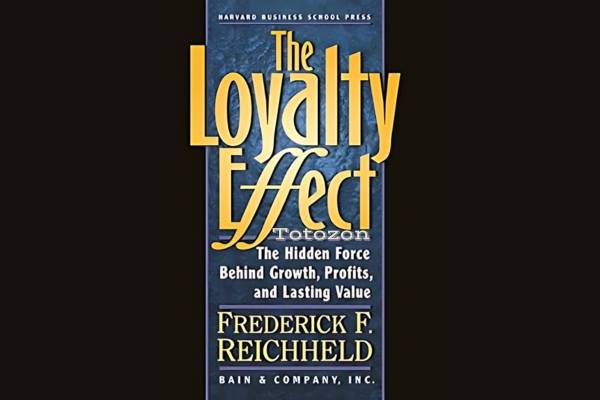 The Loyalty Effect with Frederick Reichheld
1 × $6.00
The Loyalty Effect with Frederick Reichheld
1 × $6.00 -
×
 4 Day Trading Bootcamp
1 × $31.00
4 Day Trading Bootcamp
1 × $31.00 -
×
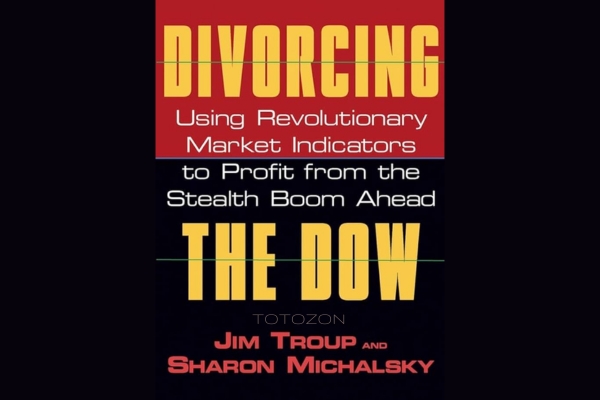 Divorcing the Dow: Using Revolutionary Market Indicators to Profit from the Stealth Boom Ahead - Jim Troup & Sharon Michalsky
1 × $6.00
Divorcing the Dow: Using Revolutionary Market Indicators to Profit from the Stealth Boom Ahead - Jim Troup & Sharon Michalsky
1 × $6.00 -
×
 Onyx Platinum Trading Accelerator 2.0 with Nick Deflorio
1 × $6.00
Onyx Platinum Trading Accelerator 2.0 with Nick Deflorio
1 × $6.00 -
×
 Tharp Think Essentials Video Workshop with Van Tharp
1 × $5.00
Tharp Think Essentials Video Workshop with Van Tharp
1 × $5.00 -
×
 A Day In The Life Of A Forex Trader with Vic Noble & Shirley Hudson
1 × $23.00
A Day In The Life Of A Forex Trader with Vic Noble & Shirley Hudson
1 × $23.00 -
×
 How To Invest Better
1 × $6.00
How To Invest Better
1 × $6.00 -
×
 Profitable DayTrading with Precision - George Angell
1 × $6.00
Profitable DayTrading with Precision - George Angell
1 × $6.00 -
×
 Fierce 10 On Demand Coaching Program with High Performance Trading
1 × $5.00
Fierce 10 On Demand Coaching Program with High Performance Trading
1 × $5.00 -
×
 OFA - Intensive Boot Camp 5 Day Course
1 × $6.00
OFA - Intensive Boot Camp 5 Day Course
1 × $6.00 -
×
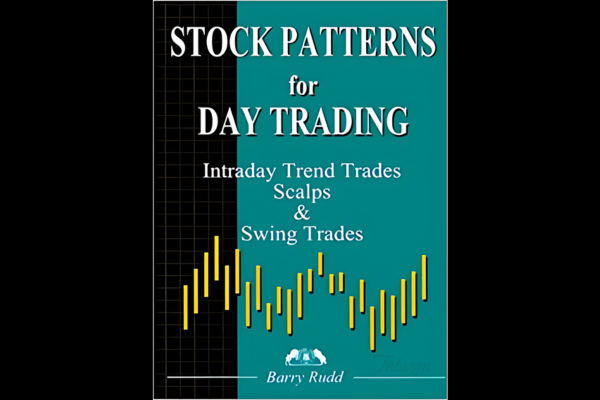 Stock Patterns for DayTrading. Home Study Course
1 × $6.00
Stock Patterns for DayTrading. Home Study Course
1 × $6.00 -
×
 Restore Soul Fragments (Advanced) by Spirituality Zone
1 × $15.40
Restore Soul Fragments (Advanced) by Spirituality Zone
1 × $15.40 -
×
 Forex Wave Theory: A Technical Analysis for Spot and Futures Curency Traders - James Bickford
1 × $6.00
Forex Wave Theory: A Technical Analysis for Spot and Futures Curency Traders - James Bickford
1 × $6.00 -
×
 Order flow self-study training program with iMFtracker
1 × $10.00
Order flow self-study training program with iMFtracker
1 × $10.00 -
×
 Dynamic Time Cycles with Peter Eliades
1 × $6.00
Dynamic Time Cycles with Peter Eliades
1 × $6.00 -
×
 Psychology of the Stock Market (1912) with G.C.Selden
1 × $6.00
Psychology of the Stock Market (1912) with G.C.Selden
1 × $6.00 -
×
 Deep Dive Butterfly Trading Strategy Class with SJG Trades
1 × $41.00
Deep Dive Butterfly Trading Strategy Class with SJG Trades
1 × $41.00 -
×
 Corruption and Reform: Lessons from America's Economic History with Edward Glaeser & Claudia Goldin
1 × $6.00
Corruption and Reform: Lessons from America's Economic History with Edward Glaeser & Claudia Goldin
1 × $6.00 -
×
 All About Bonds & Mutual Funds with Esme Faerber
1 × $6.00
All About Bonds & Mutual Funds with Esme Faerber
1 × $6.00 -
×
 Complete Short Black Scholes Options Trading Pricing Course
1 × $6.00
Complete Short Black Scholes Options Trading Pricing Course
1 × $6.00 -
×
 High Probability Trading Using Elliott Wave And Fibonacci Analysis withVic Patel - Forex Training Group
1 × $10.00
High Probability Trading Using Elliott Wave And Fibonacci Analysis withVic Patel - Forex Training Group
1 × $10.00 -
×
 TraderSumo Academy Course
1 × $13.00
TraderSumo Academy Course
1 × $13.00 -
×
 Ultimate Trading Course with Dodgy's Dungeon
1 × $8.00
Ultimate Trading Course with Dodgy's Dungeon
1 × $8.00

The Noise Trader Approach to Finance (Article) with Andrei Schleifer, Laurence H.Summers
$6.00
File Size: Cooming soon!
Delivery Time: 1–12 hours
Media Type: Online Course
Content Proof: Watch Here!
You may check content proof of “The Noise Trader Approach to Finance (Article) with Andrei Schleifer, Laurence H.Summers” below:

The Noise Trader Approach to Finance with Andrei Shleifer and Laurence H. Summers
Introduction to Noise Trader Theory
In the realm of finance, understanding market behavior is crucial. Andrei Shleifer and Laurence H. Summers introduced the concept of noise trading, which explores how irrational behavior affects financial markets. This article delves into the noise trader approach, its implications, and strategies for navigating such markets.
What is Noise Trading?
Definition and Concept
Noise trading refers to trading based on misinformation, irrational beliefs, or speculation rather than fundamental information. Noise traders make decisions influenced by market noise, rather than underlying financial realities.
Impact on Market Efficiency
Noise trading challenges the Efficient Market Hypothesis (EMH), which posits that markets are rational and prices reflect all available information. Noise traders create price anomalies and market inefficiencies.
Key Contributions by Shleifer and Summers
Who are Andrei Shleifer and Laurence H. Summers?
Andrei Shleifer is a renowned economist known for his work in behavioral finance, while Laurence H. Summers is an influential economist and former U.S. Treasury Secretary. Their collaboration has significantly impacted our understanding of financial markets.
The Noise Trader Approach
Their seminal work suggests that noise traders can impact asset prices significantly, causing deviations from fundamental values. These deviations can persist and create opportunities for profit.
Mechanisms of Noise Trading
Behavioral Biases
Noise traders are often influenced by cognitive biases such as overconfidence, herd behavior, and loss aversion. These biases lead to irrational decision-making.
Market Sentiment
Market sentiment, driven by noise traders, can cause price fluctuations that do not align with fundamental values. Positive or negative sentiment can drive prices away from their intrinsic value.
Speculative Bubbles
Noise trading can contribute to the formation of speculative bubbles, where asset prices inflate beyond their intrinsic value due to irrational exuberance.
Implications for Financial Markets
Market Volatility
Noise trading increases market volatility, as prices fluctuate based on irrational behavior rather than fundamentals. This can lead to unpredictable and sharp price movements.
Risk and Return
The presence of noise traders affects the risk-return profile of investments. While it can create opportunities for arbitrage, it also introduces additional risk.
Market Inefficiencies
Noise trading contributes to market inefficiencies, where prices deviate from their true value. This challenges the notion that markets are always rational and efficient.
Strategies for Navigating Noise-Driven Markets
1. Fundamental Analysis
Relying on fundamental analysis can help investors identify mispriced assets. By focusing on financial statements and intrinsic values, investors can make informed decisions.
2. Behavioral Analysis
Incorporating behavioral analysis into investment strategies can provide insights into market sentiment and potential irrational behavior.
3. Diversification
Diversifying investments across different asset classes and markets can help mitigate the risks associated with noise trading.
4. Risk Management
Implementing robust risk management practices, such as stop-loss orders and position sizing, can protect against the unpredictability caused by noise traders.
Case Studies of Noise Trading
Dot-Com Bubble
The dot-com bubble of the late 1990s is a classic example of noise trading. Irrational exuberance drove technology stock prices to unsustainable levels, followed by a sharp correction.
2008 Financial Crisis
The 2008 financial crisis highlighted the impact of noise trading in the housing market, where speculative behavior and misinformation contributed to the market collapse.
The Future of Noise Trading
Technological Advancements
Advances in technology and data analytics may help mitigate the impact of noise trading by improving information dissemination and analysis.
Regulatory Changes
Regulatory changes aimed at increasing market transparency and reducing information asymmetry can help reduce the prevalence of noise trading.
Behavioral Insights
Incorporating behavioral insights into economic models and investment strategies can provide a more comprehensive understanding of market dynamics and help manage noise trading effects.
Conclusion
The noise trader approach to finance, as explored by Andrei Shleifer and Laurence H. Summers, provides valuable insights into market behavior and inefficiencies. By understanding the impact of noise traders and implementing strategies to navigate such markets, investors can better manage risks and capitalize on opportunities. Embrace these insights, apply them diligently, and refine your investment approach to achieve better financial outcomes.
Frequently Asked Questions
What is noise trading?
Noise trading refers to trading based on misinformation, irrational beliefs, or speculation rather than fundamental information.
Who are Andrei Shleifer and Laurence H. Summers?
Andrei Shleifer is a prominent economist known for his work in behavioral finance, and Laurence H. Summers is an influential economist and former U.S. Treasury Secretary.
How does noise trading affect financial markets?
Noise trading increases market volatility, creates price anomalies, and contributes to market inefficiencies.
What strategies can help navigate noise-driven markets?
Strategies include relying on fundamental analysis, incorporating behavioral analysis, diversifying investments, and implementing robust risk management practices.
What are some examples of noise trading?
Examples include the dot-com bubble of the late 1990s and the 2008 financial crisis, where speculative behavior and misinformation led to market anomalies.
Be the first to review “The Noise Trader Approach to Finance (Article) with Andrei Schleifer, Laurence H.Summers”
You must be logged in to post a review.
Related products

Forex Trading
Original price was: $2,997.00.$23.00Current price is: $23.00.

Forex Trading
The Complete Guide to Multiple Time Frame Analysis & Reading Price Action with Aiman Almansoori
Original price was: $1,399.00.$13.00Current price is: $13.00.
Original price was: $695.00.$41.00Current price is: $41.00.

Original price was: $497.00.$11.00Current price is: $11.00.

Forex Trading
Original price was: $499.00.$15.00Current price is: $15.00.

Original price was: $2,120.00.$15.00Current price is: $15.00.
Forex Trading
Original price was: $239.00.$8.00Current price is: $8.00.

Original price was: $999.00.$5.00Current price is: $5.00.

Forex Trading
Original price was: $850.00.$23.00Current price is: $23.00.

Forex Trading
Original price was: $799.00.$15.00Current price is: $15.00.

Forex Trading
Original price was: $550.00.$5.00Current price is: $5.00.

Original price was: $1,849.00.$15.00Current price is: $15.00.

Forex Trading
Original price was: $697.00.$5.00Current price is: $5.00.

Original price was: $197.00.$5.00Current price is: $5.00.

Original price was: $895.00.$15.00Current price is: $15.00.

Forex Trading
Original price was: $500.00.$5.00Current price is: $5.00.

Original price was: $997.00.$13.00Current price is: $13.00.

Original price was: $700.00.$39.00Current price is: $39.00.
Forex Trading
Original price was: $797.00.$10.00Current price is: $10.00.

Original price was: $799.00.$15.00Current price is: $15.00.

Reviews
There are no reviews yet.