
-
×
 The Inner Circle Seminar
1 × $15.00
The Inner Circle Seminar
1 × $15.00 -
×
 Forecast 2024 Clarification with Larry Williams
1 × $15.00
Forecast 2024 Clarification with Larry Williams
1 × $15.00 -
×
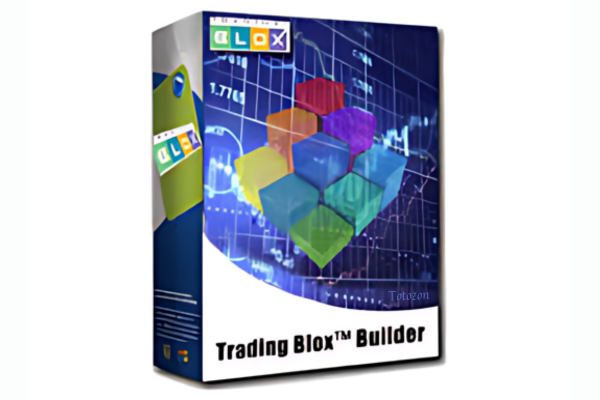 Trading Blox Builder 4.3.2.1
1 × $31.00
Trading Blox Builder 4.3.2.1
1 × $31.00 -
×
 Smart Money Trading Course with Prosperity Academy
1 × $5.00
Smart Money Trading Course with Prosperity Academy
1 × $5.00 -
×
 Matrix Spread Options Trading Course with Base Camp Trading
1 × $31.00
Matrix Spread Options Trading Course with Base Camp Trading
1 × $31.00 -
×
 Yield Farming MasterClass Course (2022) with Boss Financial
1 × $5.00
Yield Farming MasterClass Course (2022) with Boss Financial
1 × $5.00 -
×
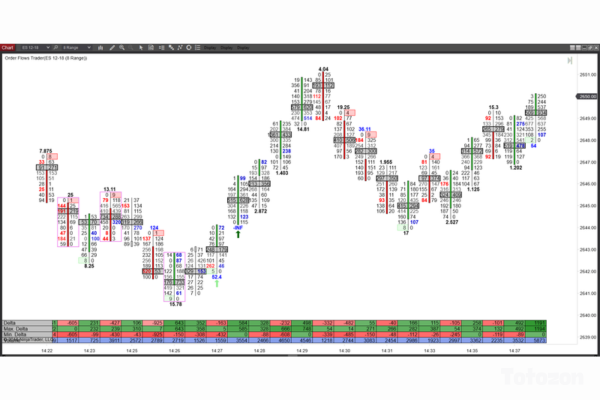 Orderflows - The Imbalance Course
1 × $8.00
Orderflows - The Imbalance Course
1 × $8.00 -
×
 Sure Thing Stock Investing with Larry Williams
1 × $6.00
Sure Thing Stock Investing with Larry Williams
1 × $6.00 -
×
 The Best Option Trading Course with David Jaffee - Best Stock Strategy
1 × $15.00
The Best Option Trading Course with David Jaffee - Best Stock Strategy
1 × $15.00 -
×
 XLT– Option Trading Course
1 × $6.00
XLT– Option Trading Course
1 × $6.00 -
×
 Wheels of Gann. Top Secret Forecast Guide with Pat Reda
1 × $6.00
Wheels of Gann. Top Secret Forecast Guide with Pat Reda
1 × $6.00 -
×
 Volatile Markets Made Easy: Trading Stocks and Options for Increased Profits with Guy Cohen
1 × $6.00
Volatile Markets Made Easy: Trading Stocks and Options for Increased Profits with Guy Cohen
1 × $6.00 -
×
 Tail Hedging - Learn to Insure Stocks Against Large Declines with James Marsh
1 × $15.00
Tail Hedging - Learn to Insure Stocks Against Large Declines with James Marsh
1 × $15.00 -
×
 Advanced Price Action Course with Chris Capre
1 × $7.00
Advanced Price Action Course with Chris Capre
1 × $7.00 -
×
 Butterfly and Condor Workshop with Aeromir
1 × $15.00
Butterfly and Condor Workshop with Aeromir
1 × $15.00 -
×
 Smart Money Course with Forex XL
1 × $6.00
Smart Money Course with Forex XL
1 × $6.00 -
×
 Forex Courses Collection
1 × $55.00
Forex Courses Collection
1 × $55.00 -
×
 ICT Prodigy Trading Course – $650K in Payouts with Alex Solignani
1 × $15.00
ICT Prodigy Trading Course – $650K in Payouts with Alex Solignani
1 × $15.00 -
×
 6 Live Sentiment Analysis Trading Bots using Python with The A.I. Whisperer
1 × $5.00
6 Live Sentiment Analysis Trading Bots using Python with The A.I. Whisperer
1 × $5.00 -
×
 Revolutionary Proven 3 Step with NFTs Cracked
1 × $6.00
Revolutionary Proven 3 Step with NFTs Cracked
1 × $6.00 -
×
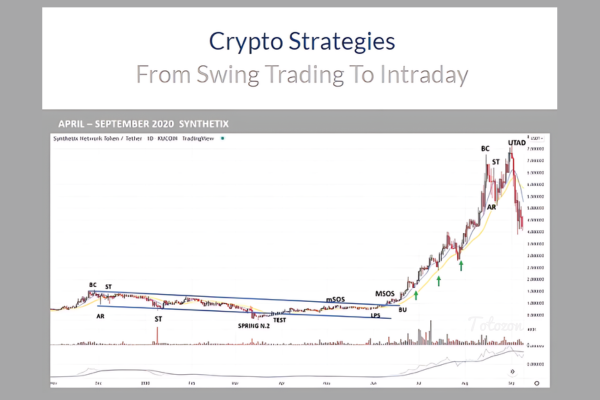 Crypto Strategies From Swing Trading To Intraday with Alessio Rutigliano & Roman Bogomazov
1 × $17.00
Crypto Strategies From Swing Trading To Intraday with Alessio Rutigliano & Roman Bogomazov
1 × $17.00 -
×
 CANDLESTICKS APPLIED with Steve Nison & Syl Desaulniers - Candle Charts
1 × $15.00
CANDLESTICKS APPLIED with Steve Nison & Syl Desaulniers - Candle Charts
1 × $15.00 -
×
 Tradingconceptsinc - Calendar Spreads
1 × $23.00
Tradingconceptsinc - Calendar Spreads
1 × $23.00 -
×
 Candlestick - Training Videos (Videos 1.2 GB)
1 × $15.00
Candlestick - Training Videos (Videos 1.2 GB)
1 × $15.00 -
×
 B.O.S.S. Swing with Pat Mitchell – Trick Trades
1 × $39.00
B.O.S.S. Swing with Pat Mitchell – Trick Trades
1 × $39.00 -
×
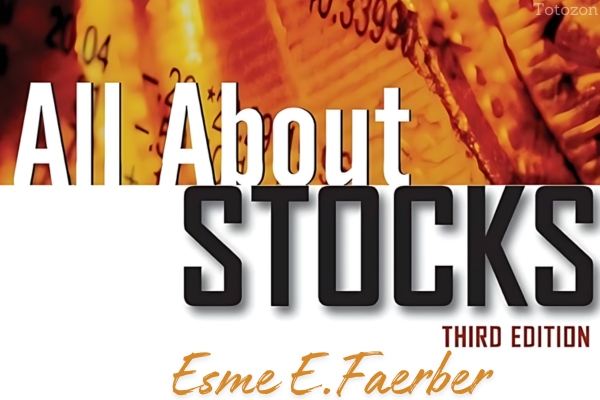 All About Stocks (3rd Ed.) withEsme E.Faerber
1 × $6.00
All About Stocks (3rd Ed.) withEsme E.Faerber
1 × $6.00 -
×
 Black Gold Strategies
1 × $23.00
Black Gold Strategies
1 × $23.00 -
×
 Alexander Elder Package ( Discount 28% )
1 × $31.00
Alexander Elder Package ( Discount 28% )
1 × $31.00 -
×
 VXX Made Easy By Option Pit
1 × $62.00
VXX Made Easy By Option Pit
1 × $62.00 -
×
 Become A Quant Trader Bundle with Lachezar Haralampiev & Radoslav Haralampiev - Quant Factory
1 × $17.00
Become A Quant Trader Bundle with Lachezar Haralampiev & Radoslav Haralampiev - Quant Factory
1 × $17.00 -
×
 Order flow self-study training program with iMFtracker
1 × $10.00
Order flow self-study training program with iMFtracker
1 × $10.00 -
×
 Commercial Capital Syndication
1 × $54.00
Commercial Capital Syndication
1 × $54.00 -
×
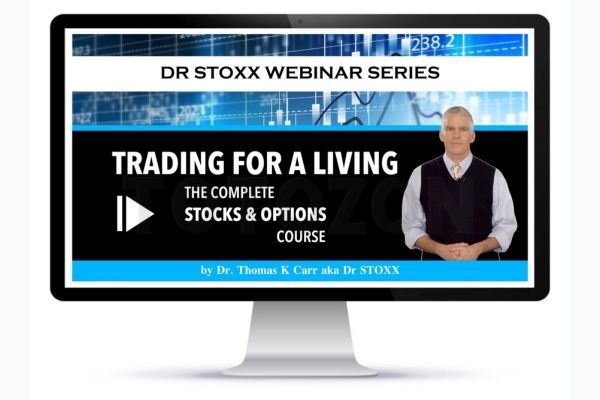 Trading For a Living By Thomas Carr (Dr. Stoxx)
1 × $34.00
Trading For a Living By Thomas Carr (Dr. Stoxx)
1 × $34.00 -
×
 Build A Solid Foundation For Trading Options with Corey Halliday
1 × $6.00
Build A Solid Foundation For Trading Options with Corey Halliday
1 × $6.00 -
×
 Design for Six Sigma with Subir Chowdhury
1 × $6.00
Design for Six Sigma with Subir Chowdhury
1 × $6.00 -
×
 The Hedge Bundle - SpotGamma Academy with Imran Lakha
1 × $8.00
The Hedge Bundle - SpotGamma Academy with Imran Lakha
1 × $8.00 -
×
 All About High-Frequency Trading with Michael Durbin
1 × $6.00
All About High-Frequency Trading with Michael Durbin
1 × $6.00 -
×
 Master Traders: Strategies for Superior Returns from Today's Top Traders with Fari Hamzei & Steve Shobin
1 × $6.00
Master Traders: Strategies for Superior Returns from Today's Top Traders with Fari Hamzei & Steve Shobin
1 × $6.00 -
×
 Sample Item Sets 2003 - CFA Level 3
1 × $6.00
Sample Item Sets 2003 - CFA Level 3
1 × $6.00

Mastering the Trade
$6.00
File Size: Coming soon!
Delivery Time: 1–12 hours
Media Type: Online Course
Mastering the Trade
Trading is both an art and a science. It requires a blend of knowledge, strategy, and intuition to navigate the financial markets successfully. In this comprehensive guide, we will explore the key elements of mastering the trade, offering insights and strategies to help you become a proficient trader.
Introduction to Trading
What is Trading?
Trading involves buying and selling financial instruments such as stocks, bonds, commodities, and currencies with the aim of making a profit. It can be done on various platforms, including stock exchanges and online trading platforms.
Why Master Trading?
Mastering trading can lead to financial independence and the ability to capitalize on market opportunities. It provides a dynamic career path with potential for significant rewards.
Foundational Concepts in Trading
Understanding Market Dynamics
The financial markets are influenced by various factors, including economic indicators, political events, and market sentiment. Understanding these dynamics is crucial for successful trading.
Types of Trading
- Day Trading: Buying and selling securities within the same trading day.
- Swing Trading: Holding positions for several days to weeks.
- Position Trading: Long-term trading based on fundamental analysis.
Developing a Trading Strategy
Setting Clear Goals
Establishing clear, achievable goals is the first step in developing a trading strategy. Determine your financial objectives, risk tolerance, and time commitment.
Choosing the Right Instruments
Select the financial instruments that align with your trading goals and expertise. Each market has its own characteristics and requires different strategies.
Creating a Trading Plan
A trading plan outlines your strategy, including entry and exit points, risk management, and performance evaluation. It serves as a roadmap to guide your trading decisions.
Technical Analysis
Understanding Charts
Charts are the primary tools for technical analysis. They display historical price movements, helping traders identify patterns and trends.
Key Indicators and Patterns
- Moving Averages: Help smooth out price data to identify trends.
- Relative Strength Index (RSI): Measures the speed and change of price movements.
- Candlestick Patterns: Provide visual cues for potential price reversals.
Using Support and Resistance Levels
Support and resistance levels are price points where a stock tends to reverse direction. Identifying these levels can help you make informed trading decisions.
Fundamental Analysis
Analyzing Financial Statements
Understanding a company’s financial health is crucial for making long-term trading decisions. Key financial statements include the balance sheet, income statement, and cash flow statement.
Evaluating Economic Indicators
Economic indicators such as GDP, unemployment rates, and inflation can significantly impact market movements. Stay informed about these indicators to anticipate market trends.
Industry and Sector Analysis
Analyze the performance of specific industries and sectors to identify potential investment opportunities. Different sectors perform differently under various economic conditions.
Risk Management
Importance of Risk Management
Effective risk management is essential to protect your capital and ensure long-term success in trading. It involves identifying, assessing, and mitigating risks.
Setting Stop-Loss and Take-Profit Levels
Stop-loss orders limit your losses by automatically selling a security at a predetermined price. Take-profit orders secure profits by selling a security when it reaches a target price.
Diversifying Your Portfolio
Diversification reduces risk by spreading investments across different assets. It minimizes the impact of a poor-performing investment on your overall portfolio.
Trading Psychology
Maintaining Discipline
Discipline is crucial in trading. Stick to your trading plan and avoid emotional decision-making. Consistency and patience are key to successful trading.
Managing Emotions
Trading can be stressful, and emotions like fear and greed can lead to poor decisions. Develop strategies to manage your emotions and stay focused on your goals.
Learning from Mistakes
Mistakes are inevitable in trading. The important thing is to learn from them and continually improve your strategies.
Advanced Trading Strategies
Algorithmic Trading
Algorithmic trading uses computer programs to execute trades based on predefined criteria. It can enhance trading efficiency and reduce human error.
Options Trading
Options trading involves buying and selling options contracts. It provides flexibility and can be used for hedging or speculative purposes.
Futures Trading
Futures contracts are agreements to buy or sell an asset at a future date and price. Futures trading can be used for hedging or leveraging positions.
Conclusion
Mastering the trade requires a combination of knowledge, strategy, and discipline. By understanding market dynamics, developing a solid trading plan, and managing risk effectively, you can enhance your trading performance and achieve your financial goals. Whether you are a beginner or an experienced trader, continuous learning and adaptation are key to success in the dynamic world of trading.
FAQs
1. What is the most important aspect of trading?
Risk management is the most crucial aspect, as it protects your capital and ensures long-term success.
2. How can I improve my trading skills?
Continuous learning, practicing with a demo account, and reviewing your trades regularly can help improve your trading skills.
3. What are some common trading mistakes?
Common mistakes include emotional trading, lack of a trading plan, and poor risk management.
4. How do I choose the right trading strategy?
Choose a strategy that aligns with your financial goals, risk tolerance, and time commitment. It’s also important to understand the markets you are trading in.
5. Can I make a living from trading?
Yes, but it requires significant knowledge, experience, and discipline. It’s important to start with realistic expectations and continuously improve your skills.
Be the first to review “Mastering the Trade”
You must be logged in to post a review.
Related products

Original price was: $799.00.$15.00Current price is: $15.00.

Forex Trading
Original price was: $850.00.$23.00Current price is: $23.00.

Original price was: $999.00.$5.00Current price is: $5.00.

Forex Trading
Original price was: $697.00.$5.00Current price is: $5.00.

Original price was: $997.00.$13.00Current price is: $13.00.
Original price was: $2,120.00.$15.00Current price is: $15.00.

Forex Trading
Original price was: $4,997.00.$27.00Current price is: $27.00.

Original price was: $197.00.$5.00Current price is: $5.00.

Forex Trading
Original price was: $1,098.00.$39.00Current price is: $39.00.

Forex Trading
Original price was: $125.00.$17.00Current price is: $17.00.

Original price was: $997.00.$8.00Current price is: $8.00.

Forex Trading
Original price was: $797.00.$10.00Current price is: $10.00.

Original price was: $450.00.$23.00Current price is: $23.00.

Forex Trading
Original price was: $2,997.00.$23.00Current price is: $23.00.

Forex Trading
Quantamentals – The Next Great Forefront Of Trading and Investing with Trading Markets
Original price was: $1,495.00.$8.00Current price is: $8.00.

Original price was: $1,200.00.$23.00Current price is: $23.00.

Forex Trading
Original price was: $2,995.00.$31.00Current price is: $31.00.

Forex Trading
Original price was: $550.00.$5.00Current price is: $5.00.
Forex Trading
Original price was: $799.00.$15.00Current price is: $15.00.

Original price was: $310.00.$23.00Current price is: $23.00.

Reviews
There are no reviews yet.