
-
×
 Fibonacci for the Active Trader with Derrik Hobbs
1 × $6.00
Fibonacci for the Active Trader with Derrik Hobbs
1 × $6.00 -
×
 0 DTE Options Trading Workshop with Aeromir Corporation
1 × $15.00
0 DTE Options Trading Workshop with Aeromir Corporation
1 × $15.00 -
×
 Scalp Strategy and Flipping Small Accounts with Opes Trading Group
1 × $5.00
Scalp Strategy and Flipping Small Accounts with Opes Trading Group
1 × $5.00 -
×
 Trading Short TermSame Day Trades Sep 2023 with Dan Sheridan & Mark Fenton - Sheridan Options Mentoring
1 × $31.00
Trading Short TermSame Day Trades Sep 2023 with Dan Sheridan & Mark Fenton - Sheridan Options Mentoring
1 × $31.00 -
×
 An Empirical Ananlysis of Stock Market Sentiment (Article) with Andrea Terzi
1 × $6.00
An Empirical Ananlysis of Stock Market Sentiment (Article) with Andrea Terzi
1 × $6.00 -
×
 High Probability Trading Using Elliott Wave And Fibonacci Analysis withVic Patel - Forex Training Group
1 × $10.00
High Probability Trading Using Elliott Wave And Fibonacci Analysis withVic Patel - Forex Training Group
1 × $10.00 -
×
 The Trading Masterclass with Chris Capre
1 × $23.00
The Trading Masterclass with Chris Capre
1 × $23.00 -
×
 Best of Livestock with Timothy Sykes
1 × $5.00
Best of Livestock with Timothy Sykes
1 × $5.00 -
×
 Trading Books with Michael Harris
1 × $6.00
Trading Books with Michael Harris
1 × $6.00 -
×
 The Naked Eye: Raw Data Analytics with Edgar Torres - Raw Data Analytics
1 × $8.00
The Naked Eye: Raw Data Analytics with Edgar Torres - Raw Data Analytics
1 × $8.00 -
×
 Advanced Strategies for Option Trading Success with James Bittman
1 × $6.00
Advanced Strategies for Option Trading Success with James Bittman
1 × $6.00 -
×
 Butterfly and Condor Workshop with Aeromir
1 × $15.00
Butterfly and Condor Workshop with Aeromir
1 × $15.00 -
×
 5 Day Bootcamp with AWFX AnthonysWorld
1 × $34.00
5 Day Bootcamp with AWFX AnthonysWorld
1 × $34.00 -
×
 Advanced Calculus with Applications in Statistics
1 × $6.00
Advanced Calculus with Applications in Statistics
1 × $6.00 -
×
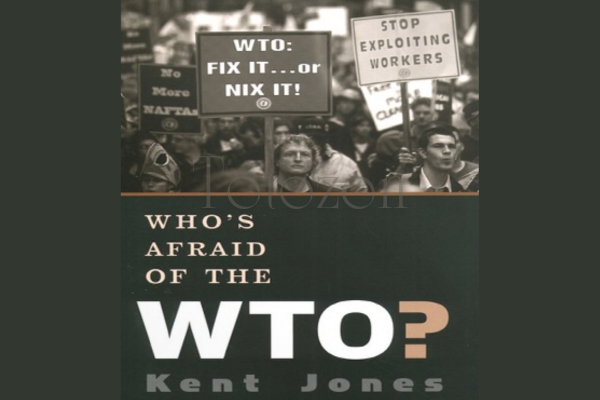 Who is Afraid of Word Trade Organization with Kent Jones
1 × $6.00
Who is Afraid of Word Trade Organization with Kent Jones
1 × $6.00 -
×
 TradeCraft: Your Path to Peak Performance Trading By Adam Grimes
1 × $15.00
TradeCraft: Your Path to Peak Performance Trading By Adam Grimes
1 × $15.00 -
×
 Matrix Spread Options Trading Course with Base Camp Trading
1 × $31.00
Matrix Spread Options Trading Course with Base Camp Trading
1 × $31.00 -
×
 Home Run Options Trading Course with Dave Aquino - Base Camp Trading
1 × $11.00
Home Run Options Trading Course with Dave Aquino - Base Camp Trading
1 × $11.00 -
×
 “The Beast” Automated Trading System V2 (Feb 2015)
1 × $15.00
“The Beast” Automated Trading System V2 (Feb 2015)
1 × $15.00 -
×
 4 Strategies That Will Make You a Professional Day Trader with Jerremy Newsome
1 × $6.00
4 Strategies That Will Make You a Professional Day Trader with Jerremy Newsome
1 × $6.00 -
×
 6 Live Sentiment Analysis Trading Bots using Python with The A.I. Whisperer
1 × $5.00
6 Live Sentiment Analysis Trading Bots using Python with The A.I. Whisperer
1 × $5.00 -
×
 Quantamentals - The Next Great Forefront Of Trading and Investing with Trading Markets
1 × $8.00
Quantamentals - The Next Great Forefront Of Trading and Investing with Trading Markets
1 × $8.00 -
×
 Advanced Spread Trading with Guy Bower - MasterClass Trader
1 × $15.00
Advanced Spread Trading with Guy Bower - MasterClass Trader
1 × $15.00 -
×
 Crystal Ball Pack PLUS bonus Live Trade By Pat Mitchell - Trick Trades
1 × $20.00
Crystal Ball Pack PLUS bonus Live Trade By Pat Mitchell - Trick Trades
1 × $20.00 -
×
 Algo Trading Masterclass with Ali Casey - StatOasis
1 × $23.00
Algo Trading Masterclass with Ali Casey - StatOasis
1 × $23.00 -
×
 Options Trading & Ultimate MasterClass With Tyrone Abela - FX Evolution
1 × $54.00
Options Trading & Ultimate MasterClass With Tyrone Abela - FX Evolution
1 × $54.00 -
×
 Traders Winning Edge with Adrienne Laris Toghraie
1 × $6.00
Traders Winning Edge with Adrienne Laris Toghraie
1 × $6.00 -
×
 Advanced Strategies in Forex Trading with Don Schellenberg
1 × $6.00
Advanced Strategies in Forex Trading with Don Schellenberg
1 × $6.00 -
×
 SQX Mentorship with Tip Toe Hippo
1 × $23.00
SQX Mentorship with Tip Toe Hippo
1 × $23.00 -
×
 How I Trade the QQQs with Don Miller
1 × $6.00
How I Trade the QQQs with Don Miller
1 × $6.00 -
×
 Crypto Trading Academy with Cheeky Investor - Aussie Day Trader
1 × $13.00
Crypto Trading Academy with Cheeky Investor - Aussie Day Trader
1 × $13.00 -
×
 8 Strategies for Day Trading
1 × $31.00
8 Strategies for Day Trading
1 × $31.00 -
×
 Deep Dive Butterfly Trading Strategy Class with SJG Trades
1 × $41.00
Deep Dive Butterfly Trading Strategy Class with SJG Trades
1 × $41.00 -
×
 How I Trade Growth Stocks In Bull And Bear Markets
1 × $54.00
How I Trade Growth Stocks In Bull And Bear Markets
1 × $54.00 -
×
 Ultimate Trading Course with Dodgy's Dungeon
1 × $8.00
Ultimate Trading Course with Dodgy's Dungeon
1 × $8.00 -
×
 $20 – 52k 20 pips a day challange with Rafał Zuchowicz - TopMasterTrader
1 × $5.00
$20 – 52k 20 pips a day challange with Rafał Zuchowicz - TopMasterTrader
1 × $5.00 -
×
 The Indices Orderflow Masterclass with The Forex Scalpers
1 × $23.00
The Indices Orderflow Masterclass with The Forex Scalpers
1 × $23.00 -
×
 W. D Gann 's Square Of 9 Applied To Modern Markets with Sean Avidar - Hexatrade350
1 × $23.00
W. D Gann 's Square Of 9 Applied To Modern Markets with Sean Avidar - Hexatrade350
1 × $23.00 -
×
 White Phoenix’s The Smart (Money) Approach to Trading with Jayson Casper
1 × $39.00
White Phoenix’s The Smart (Money) Approach to Trading with Jayson Casper
1 × $39.00 -
×
 CANDLESTICKS APPLIED with Steve Nison & Syl Desaulniers - Candle Charts
1 × $15.00
CANDLESTICKS APPLIED with Steve Nison & Syl Desaulniers - Candle Charts
1 × $15.00 -
×
 How To Become StressFree Trader with Jason Starzec
1 × $4.00
How To Become StressFree Trader with Jason Starzec
1 × $4.00 -
×
 How To Read The Market Professionally with TradeSmart
1 × $27.00
How To Read The Market Professionally with TradeSmart
1 × $27.00 -
×
 AI For Traders with Trading Markets
1 × $31.00
AI For Traders with Trading Markets
1 × $31.00 -
×
 The Complete Guide to Multiple Time Frame Analysis & Reading Price Action with Aiman Almansoori
1 × $13.00
The Complete Guide to Multiple Time Frame Analysis & Reading Price Action with Aiman Almansoori
1 × $13.00 -
×
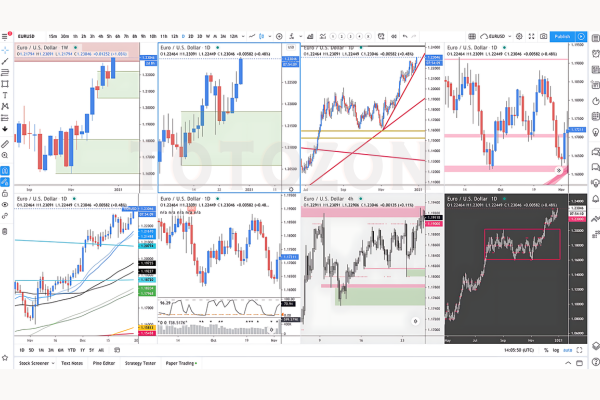 Supply And Demand Zone Trading Course with Trading180
1 × $5.00
Supply And Demand Zone Trading Course with Trading180
1 × $5.00 -
×
 Sacredscience - W.T.Foster – Sunspots and Weather
1 × $6.00
Sacredscience - W.T.Foster – Sunspots and Weather
1 × $6.00 -
×
 Forecast 2024 Clarification with Larry Williams
1 × $15.00
Forecast 2024 Clarification with Larry Williams
1 × $15.00 -
×
 Compass Trading System with Right Line Trading
1 × $39.00
Compass Trading System with Right Line Trading
1 × $39.00 -
×
 The Orderflow Masterclass with PrimeTrading
1 × $17.00
The Orderflow Masterclass with PrimeTrading
1 × $17.00 -
×
 ICT Prodigy Trading Course – $650K in Payouts with Alex Solignani
1 × $15.00
ICT Prodigy Trading Course – $650K in Payouts with Alex Solignani
1 × $15.00 -
×
 WondaFX Signature Strategy with WondaFX
1 × $5.00
WondaFX Signature Strategy with WondaFX
1 × $5.00 -
×
 The 4 Horsemen CD with David Elliott
1 × $6.00
The 4 Horsemen CD with David Elliott
1 × $6.00 -
×
 Order flow self-study training program with iMFtracker
1 × $10.00
Order flow self-study training program with iMFtracker
1 × $10.00 -
×
 Bond Market Course with The Macro Compass
1 × $15.00
Bond Market Course with The Macro Compass
1 × $15.00 -
×
 Essentials in Quantitative Trading QT01 By HangukQuant's
1 × $23.00
Essentials in Quantitative Trading QT01 By HangukQuant's
1 × $23.00 -
×
 Pentagonal Time Cycle Theory
1 × $6.00
Pentagonal Time Cycle Theory
1 × $6.00 -
×
 Best of the Best: Collars with Amy Meissner & Scott Ruble
1 × $15.00
Best of the Best: Collars with Amy Meissner & Scott Ruble
1 × $15.00 -
×
 Uncover Resilient Stocks in Today’s Market with Peter Worden
1 × $6.00
Uncover Resilient Stocks in Today’s Market with Peter Worden
1 × $6.00 -
×
 A Treasure House of Bayer. 32 Articles and Forecasts with George Bayer
1 × $6.00
A Treasure House of Bayer. 32 Articles and Forecasts with George Bayer
1 × $6.00 -
×
 TRADING NFX Course with Andrew NFX
1 × $5.00
TRADING NFX Course with Andrew NFX
1 × $5.00 -
×
 The Best Option Trading Course with David Jaffee - Best Stock Strategy
1 × $15.00
The Best Option Trading Course with David Jaffee - Best Stock Strategy
1 × $15.00 -
×
 The Trading Blueprint with Brad Goh - The Trading Geek
1 × $5.00
The Trading Blueprint with Brad Goh - The Trading Geek
1 × $5.00 -
×
 The Orderflows Trade Opportunities Encyclopedia with Michael Valtos
1 × $8.00
The Orderflows Trade Opportunities Encyclopedia with Michael Valtos
1 × $8.00 -
×
 How to Trade a Vertical Market
1 × $93.00
How to Trade a Vertical Market
1 × $93.00 -
×
 3_8’s to Wealth (Audio 84 MB+ WorkBooks) with Darlene Nelson
1 × $6.00
3_8’s to Wealth (Audio 84 MB+ WorkBooks) with Darlene Nelson
1 × $6.00 -
×
 Dan Sheridan 2011 Calendar Workshop
1 × $6.00
Dan Sheridan 2011 Calendar Workshop
1 × $6.00 -
×
 The A14 Weekly Option Strategy Workshop with Amy Meissner
1 × $23.00
The A14 Weekly Option Strategy Workshop with Amy Meissner
1 × $23.00 -
×
 Beginners Guide to How SimplerOptions Uses ThinkorSwim with Henry Gambell
1 × $15.00
Beginners Guide to How SimplerOptions Uses ThinkorSwim with Henry Gambell
1 × $15.00 -
×
 Beginner Course + access to Introductory Course
1 × $6.00
Beginner Course + access to Introductory Course
1 × $6.00 -
×
 The Prop Trading Code with Brannigan Barrett - Axia Futures
1 × $23.00
The Prop Trading Code with Brannigan Barrett - Axia Futures
1 × $23.00 -
×
 1DTE Options Crashcourse with Justin Kay
1 × $46.00
1DTE Options Crashcourse with Justin Kay
1 × $46.00 -
×
 21 Candlesticks Every Trader Should Know with Melvin Pasternak
1 × $5.00
21 Candlesticks Every Trader Should Know with Melvin Pasternak
1 × $5.00 -
×
 2 Trades A Day with Jason Hale
1 × $15.00
2 Trades A Day with Jason Hale
1 × $15.00 -
×
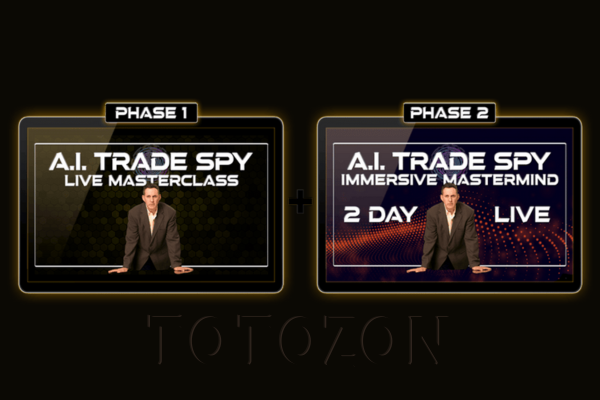 2-Phase A.I. Trade Spy Total Immersion Experience with Jeff Bierman - The Quant Guy
1 × $209.00
2-Phase A.I. Trade Spy Total Immersion Experience with Jeff Bierman - The Quant Guy
1 × $209.00 -
×
 24-Hour Un-Education Trading Course
1 × $54.00
24-Hour Un-Education Trading Course
1 × $54.00 -
×
 2016 Chicago Annual Options Seminar with Dan Sheridan
1 × $23.00
2016 Chicago Annual Options Seminar with Dan Sheridan
1 × $23.00 -
×
 'Smart Money' Institutional Forex Trading with Jeffrey Edahs
1 × $6.00
'Smart Money' Institutional Forex Trading with Jeffrey Edahs
1 × $6.00 -
×
 2010 The Market Mastery Protégé Program
1 × $31.00
2010 The Market Mastery Protégé Program
1 × $31.00 -
×
 (SU281) Complex & Organic Modeling
1 × $85.00
(SU281) Complex & Organic Modeling
1 × $85.00 -
×
 Option Insanity Strategy with PDS Trader
1 × $69.00
Option Insanity Strategy with PDS Trader
1 × $69.00 -
×
 3 Day Bootcamp EXPERT LEVEL with FX Savages
1 × $6.00
3 Day Bootcamp EXPERT LEVEL with FX Savages
1 × $6.00 -
×
 Volume Cycles in the stock Market
1 × $6.00
Volume Cycles in the stock Market
1 × $6.00
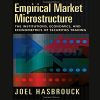
Empirical Market Microstructure
$6.00
File Size: Coming soon!
Delivery Time: 1–12 hours
Media Type: Online Course
Empirical Market Microstructure
Understanding the intricacies of financial markets is crucial for investors, traders, and policymakers. One area that delves deep into these complexities is Empirical Market Microstructure. This article explores its fundamental aspects, offering insights into how it shapes market behavior and efficiency.
What is Market Microstructure?
Market microstructure examines the mechanisms and systems that facilitate trading in financial markets. It focuses on the processes and outcomes of exchanging assets, emphasizing the role of market participants and the rules governing trading.
Historical Background
Market microstructure research has evolved significantly since its inception. Initially, it was a theoretical field, but the advent of technology and data analytics transformed it into an empirical science.
The Importance of Market Microstructure
Market microstructure is crucial because it impacts market efficiency, liquidity, and the cost of trading. By understanding its principles, we can better navigate and optimize our trading strategies.
Core Concepts in Market Microstructure
Order Types and Trading Mechanisms
Understanding different order types and trading mechanisms is fundamental to market microstructure.
Market Orders vs. Limit Orders
- Market Orders: Execute immediately at the best available price.
- Limit Orders: Execute at a specified price or better, providing control over execution prices.
Auction Markets
Auction markets, like the NYSE, facilitate trading through a central auction mechanism, matching buyers and sellers.
Bid-Ask Spread
The bid-ask spread is the difference between the highest price a buyer is willing to pay (bid) and the lowest price a seller will accept (ask). It reflects market liquidity and transaction costs.
Factors Influencing Bid-Ask Spread
- Liquidity: Higher liquidity typically reduces the spread.
- Volatility: Increased volatility can widen the spread.
Market Impact and Price Formation
Market impact refers to the effect of a trade on the market price. Large orders can move prices, impacting execution costs and overall market behavior.
Price Discovery
Price discovery is the process through which markets determine the price of an asset. Efficient price discovery reflects all available information, leading to fair market prices.
Empirical Studies in Market Microstructure
High-Frequency Trading (HFT)
High-frequency trading involves executing numerous trades at incredibly fast speeds. Empirical studies have shown its impact on market liquidity and volatility.
Benefits of HFT
- Increased Liquidity: HFT can provide continuous liquidity, benefiting all market participants.
- Reduced Transaction Costs: By narrowing bid-ask spreads, HFT can lower trading costs.
Criticisms of HFT
- Market Manipulation: HFT can lead to practices like spoofing, where traders place fake orders to manipulate prices.
- Flash Crashes: Rapid trading can exacerbate market instability, leading to sudden and severe price drops.
Dark Pools
Dark pools are private trading venues where large orders can be executed without revealing intentions to the broader market. They are subject to scrutiny due to their potential to obscure market transparency.
Advantages of Dark Pools
- Reduced Market Impact: Large trades can be executed without significantly moving the market.
- Anonymity: Traders can operate without revealing their strategies.
Concerns with Dark Pools
- Lack of Transparency: Limited visibility can lead to unfair advantages and market manipulation.
- Regulatory Challenges: Ensuring compliance and fair practices in dark pools is complex.
The Role of Regulators
Regulators play a vital role in ensuring fair and efficient markets. They oversee trading practices, enforce rules, and implement reforms to address emerging challenges.
Key Regulatory Bodies
- Securities and Exchange Commission (SEC): Oversees securities markets in the United States.
- Financial Conduct Authority (FCA): Regulates financial markets in the United Kingdom.
Recent Regulatory Developments
Recent years have seen increased regulatory focus on high-frequency trading, dark pools, and market transparency to protect investors and maintain market integrity.
Practical Applications of Market Microstructure
Algorithmic Trading
Algorithmic trading uses computer programs to execute trades based on predefined criteria. It leverages market microstructure principles to optimize trade execution and minimize costs.
Developing Effective Algorithms
Effective algorithms consider factors like order types, market impact, and bid-ask spreads to enhance trading performance.
Risk Management
Understanding market microstructure helps in developing robust risk management strategies. It enables traders to anticipate market movements and adjust their positions accordingly.
Implementing Risk Controls
Risk controls like stop-loss orders and position limits can mitigate potential losses and ensure disciplined trading.
Conclusion
Empirical market microstructure provides valuable insights into the functioning of financial markets. By exploring its core concepts and practical applications, we can better understand market dynamics and improve our trading strategies. As markets continue to evolve, ongoing research and regulatory oversight will be essential in maintaining fair and efficient trading environments.
FAQs
1. What is the primary focus of market microstructure?
- Market microstructure focuses on the processes and mechanisms of trading in financial markets, including order types, trading systems, and price formation.
2. How does high-frequency trading impact the market?
- High-frequency trading increases liquidity and reduces transaction costs but can also lead to market manipulation and instability.
3. What are dark pools, and why are they controversial?
- Dark pools are private trading venues that allow large trades to be executed anonymously, which can reduce market impact but also raise concerns about transparency and fairness.
4. Why is the bid-ask spread important?
- The bid-ask spread reflects market liquidity and transaction costs, influencing the efficiency and cost of trading.
5. How do regulators ensure fair and efficient markets?
- Regulators enforce rules, oversee trading practices, and implement reforms to address challenges and protect investors.
Be the first to review “Empirical Market Microstructure”
You must be logged in to post a review.
Related products
Original price was: $997.00.$8.00Current price is: $8.00.
Original price was: $4,995.00.$15.00Current price is: $15.00.
Original price was: $2,120.00.$15.00Current price is: $15.00.
Forex Trading
Original price was: $125.00.$17.00Current price is: $17.00.
Original price was: $139.00.$23.00Current price is: $23.00.
Forex Trading
Original price was: $999.00.$15.00Current price is: $15.00.
Forex Trading
Original price was: $499.00.$15.00Current price is: $15.00.
Original price was: $450.00.$23.00Current price is: $23.00.
Original price was: $997.00.$13.00Current price is: $13.00.
Forex Trading
Original price was: $500.00.$5.00Current price is: $5.00.
Original price was: $299.00.$8.00Current price is: $8.00.
Forex Trading
Original price was: $550.00.$5.00Current price is: $5.00.
Original price was: $700.00.$39.00Current price is: $39.00.
Original price was: $695.00.$41.00Current price is: $41.00.
Forex Trading
Original price was: $239.00.$8.00Current price is: $8.00.
Original price was: $1,200.00.$23.00Current price is: $23.00.
Original price was: $1,800.00.$54.00Current price is: $54.00.
Original price was: $197.00.$5.00Current price is: $5.00.
Forex Trading
Original price was: $2,997.00.$23.00Current price is: $23.00.
Forex Trading
Original price was: $799.00.$15.00Current price is: $15.00.
Reviews
There are no reviews yet.