
-
×
 Levelator Automatic Trading Machines-Russ Horn’s
1 × $23.00
Levelator Automatic Trading Machines-Russ Horn’s
1 × $23.00 -
×
 Compass Trading System with Right Line Trading
1 × $39.00
Compass Trading System with Right Line Trading
1 × $39.00 -
×
 Stock Speculation (Volume I & II) with Joseph A.Wyler
1 × $4.00
Stock Speculation (Volume I & II) with Joseph A.Wyler
1 × $4.00 -
×
 Butterfly and Condor Workshop with Aeromir
1 × $15.00
Butterfly and Condor Workshop with Aeromir
1 × $15.00 -
×
 Option Trading Camp
1 × $15.00
Option Trading Camp
1 × $15.00 -
×
 Master Class: Income Trading with Option Pit
1 × $101.00
Master Class: Income Trading with Option Pit
1 × $101.00 -
×
 Beginners Guide to How SimplerOptions Uses ThinkorSwim with Henry Gambell
1 × $15.00
Beginners Guide to How SimplerOptions Uses ThinkorSwim with Henry Gambell
1 × $15.00 -
×
 FOREX CRASH COURSE - IYF - ONLINE SEMINAR
1 × $5.00
FOREX CRASH COURSE - IYF - ONLINE SEMINAR
1 × $5.00 -
×
 ETF Trend Trading Mentorship Course
1 × $15.00
ETF Trend Trading Mentorship Course
1 × $15.00 -
×
 ICT Prodigy Trading Course – $650K in Payouts with Alex Solignani
1 × $15.00
ICT Prodigy Trading Course – $650K in Payouts with Alex Solignani
1 × $15.00 -
×
 Day Trading Academy
1 × $54.00
Day Trading Academy
1 × $54.00 -
×
 The A14 Weekly Option Strategy Workshop with Amy Meissner
1 × $23.00
The A14 Weekly Option Strategy Workshop with Amy Meissner
1 × $23.00 -
×
 Complete Gunner24 Trading & Forecasting Course
1 × $6.00
Complete Gunner24 Trading & Forecasting Course
1 × $6.00 -
×
 Intra-Day Trading Tactics with Greg Capra
1 × $6.00
Intra-Day Trading Tactics with Greg Capra
1 × $6.00 -
×
 Options Trading & Ultimate MasterClass With Tyrone Abela - FX Evolution
1 × $54.00
Options Trading & Ultimate MasterClass With Tyrone Abela - FX Evolution
1 × $54.00 -
×
 Complete 32+ Hour Video Training Course 2008
1 × $23.00
Complete 32+ Hour Video Training Course 2008
1 × $23.00 -
×
 Forex Master Class with Falcon Trading Academy
1 × $5.00
Forex Master Class with Falcon Trading Academy
1 × $5.00 -
×
 Trading Short TermSame Day Trades Sep 2023 with Dan Sheridan & Mark Fenton - Sheridan Options Mentoring
1 × $31.00
Trading Short TermSame Day Trades Sep 2023 with Dan Sheridan & Mark Fenton - Sheridan Options Mentoring
1 × $31.00 -
×
 Private Seminars
1 × $23.00
Private Seminars
1 × $23.00 -
×
 Best of the Best: Collars with Amy Meissner & Scott Ruble
1 × $15.00
Best of the Best: Collars with Amy Meissner & Scott Ruble
1 × $15.00 -
×
 The Complete Guide to Multiple Time Frame Analysis & Reading Price Action with Aiman Almansoori
1 × $13.00
The Complete Guide to Multiple Time Frame Analysis & Reading Price Action with Aiman Almansoori
1 × $13.00 -
×
 The Trading Blueprint with Brad Goh - The Trading Geek
1 × $5.00
The Trading Blueprint with Brad Goh - The Trading Geek
1 × $5.00 -
×
 PROFESSIONAL TRADING EDUCATION with The MarketDelta Edge
1 × $78.00
PROFESSIONAL TRADING EDUCATION with The MarketDelta Edge
1 × $78.00 -
×
 Rockwell Day Trading - Starter Package
1 × $6.00
Rockwell Day Trading - Starter Package
1 × $6.00 -
×
 Renko Mastery with Thomas Wood
1 × $15.00
Renko Mastery with Thomas Wood
1 × $15.00 -
×
 FX Utopia
1 × $6.00
FX Utopia
1 × $6.00 -
×
 Ultimate Options Trading with Cash Flow Academy
1 × $34.00
Ultimate Options Trading with Cash Flow Academy
1 × $34.00 -
×
 0 DTE Options Trading Workshop with Aeromir Corporation
1 × $15.00
0 DTE Options Trading Workshop with Aeromir Corporation
1 × $15.00
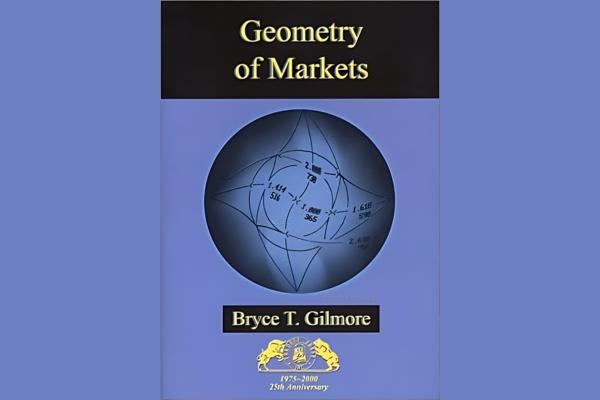
Geometry of Markets I with Bruce Gilmore
$6.00
File Size: Coming soon!
Delivery Time: 1–12 hours
Media Type: Online Course
Content Proof: Watch Here!
You may check content proof of “Geometry of Markets I with Bruce Gilmore” below:

Geometry of Markets I with Bruce Gilmore
Introduction: Understanding Market Geometry
“Geometry of Markets I” by Bruce Gilmore offers an insightful exploration into the geometric patterns that underpin market movements. This innovative approach provides traders with a unique lens through which to view and predict market trends.
Who is Bruce Gilmore?
A Pioneer in Financial Analysis
Bruce Gilmore, renowned for his analytical prowess, has significantly contributed to the field of technical analysis by introducing geometric and mathematical methods to study financial markets.
Philosophy of Geometric Trading
Gilmore advocates for the use of geometric patterns, believing that they are not merely coincidental but fundamental to understanding market dynamics.
Core Principles of Market Geometry
The Basics of Market Geometry
An introduction to the foundational geometric shapes and patterns that appear in price charts and their significance in trading.
Understanding Market Cycles
How geometric patterns help in identifying and understanding the cyclical nature of markets.
Key Geometric Patterns in Trading
Triangles and Their Significance
Exploring how triangles can signify continuation or reversal patterns in market trends.
Rectangles and Consolidation
Understanding rectangles and their role in indicating periods of consolidation before a breakout.
Using Geometry in Market Analysis
Geometric Tools and Techniques
A guide to the tools that Gilmore uses to apply geometric analysis to trading, including compasses, rulers, and computer software.
Integrating Geometry with Technical Indicators
How combining geometric patterns with traditional technical indicators can enhance trading strategies.
Case Studies and Practical Applications
Historical Market Movements
Analyzing past market movements to illustrate how geometric patterns have successfully predicted market behavior.
Real-Time Application
How to apply geometric analysis in real-time trading to make informed decisions.
Challenges in Geometric Trading
Complexity of Interpretation
Discussing the complexities and challenges of interpreting geometric patterns correctly.
Subjectivity in Pattern Identification
How the subjective nature of pattern identification can lead to variations in trading outcomes.
Advanced Concepts in Market Geometry
Fibonacci and the Golden Ratio
Delving deeper into how the Fibonacci sequence and the Golden Ratio play into geometric market analysis.
Elliott Wave Theory and Geometry
Exploring the intersection of Elliott Wave Theory and geometric patterns in predicting market phases.
Building a Geometric Trading Strategy
Developing a Geometric Mindset
Tips on cultivating the mindset necessary to think and analyze markets geometrically.
Systematic Approach to Geometric Trading
Creating a systematic trading strategy that incorporates geometric principles for consistent application.
Adapting to Market Changes
Flexibility in Geometric Analysis
The importance of remaining flexible and adapting geometric strategies as market conditions change.
Continuous Learning and Improvement
Encouraging ongoing education and adaptation of geometric methods to keep up with evolving markets.
Conclusion: The Geometric Path to Trading Success
Bruce Gilmore’s “Geometry of Markets I” illuminates a path to understanding and leveraging the inherent geometry in market movements, providing traders with a powerful tool to enhance their trading decisions.
Frequently Asked Questions:
1. How can beginners start learning about market geometry?
Beginners should start with basic geometric shapes and patterns, gradually moving to more complex structures as they understand the concepts.
2. Is geometric analysis applicable to all financial markets?
Yes, geometric analysis can be applied across different financial markets, including stocks, forex, and commodities.
3. How accurate is geometric analysis in predicting market movements?
While no analytical method can guarantee absolute accuracy, geometric analysis provides a robust framework for understanding potential market movements.
4. Can I use geometric analysis without technical indicators?
While possible, combining geometric analysis with technical indicators generally provides more comprehensive insights.
5. Where can I find more resources on geometric market analysis?
Bruce Gilmore’s publications and courses are excellent resources, along with various online platforms that offer tutorials and seminars on geometric analysis.
Be the first to review “Geometry of Markets I with Bruce Gilmore”
You must be logged in to post a review.
Related products

Forex Trading
Original price was: $500.00.$5.00Current price is: $5.00.
Forex Trading
Original price was: $697.00.$5.00Current price is: $5.00.

Original price was: $695.00.$41.00Current price is: $41.00.

Forex Trading
Original price was: $2,000.00.$23.00Current price is: $23.00.

Forex Trading
Original price was: $550.00.$5.00Current price is: $5.00.

Original price was: $450.00.$23.00Current price is: $23.00.

Original price was: $299.00.$8.00Current price is: $8.00.

Original price was: $139.00.$23.00Current price is: $23.00.

Original price was: $895.00.$15.00Current price is: $15.00.

Original price was: $197.00.$5.00Current price is: $5.00.
Original price was: $310.00.$23.00Current price is: $23.00.

Original price was: $649.00.$20.00Current price is: $20.00.

Forex Trading
Original price was: $125.00.$17.00Current price is: $17.00.

Original price was: $999.00.$5.00Current price is: $5.00.

Forex Trading
Original price was: $1,898.00.$10.00Current price is: $10.00.
Forex Trading
Original price was: $1,098.00.$39.00Current price is: $39.00.

Forex Trading
Quantamentals – The Next Great Forefront Of Trading and Investing with Trading Markets
Original price was: $1,495.00.$8.00Current price is: $8.00.

Forex Trading
Original price was: $797.00.$10.00Current price is: $10.00.

Forex Trading
Original price was: $2,997.00.$23.00Current price is: $23.00.

Original price was: $700.00.$39.00Current price is: $39.00.

Reviews
There are no reviews yet.