
-
×
 Profit Generating System with Brian Williams
1 × $6.00
Profit Generating System with Brian Williams
1 × $6.00 -
×
 The Insured Portfolio: Your Gateway to Stress-Free Global Investments with Erika Nolan, Marc-Andre Sola & Shannon Crouch
1 × $6.00
The Insured Portfolio: Your Gateway to Stress-Free Global Investments with Erika Nolan, Marc-Andre Sola & Shannon Crouch
1 × $6.00 -
×
 Strategy, Value and Risk - The Real Options Approach with Jamie Rogers
1 × $6.00
Strategy, Value and Risk - The Real Options Approach with Jamie Rogers
1 × $6.00 -
×
 Learn Before you Loose
1 × $6.00
Learn Before you Loose
1 × $6.00 -
×
 DayTrading the S&P 500 & TS Code with Afshin Taghechian
1 × $6.00
DayTrading the S&P 500 & TS Code with Afshin Taghechian
1 × $6.00 -
×
 Price Action Prophet
1 × $54.00
Price Action Prophet
1 × $54.00 -
×
 Live in London (5 DVD) with Martin Pring
1 × $6.00
Live in London (5 DVD) with Martin Pring
1 × $6.00 -
×
 The 80% Solution S&P Systems with Bruce Babcock
1 × $6.00
The 80% Solution S&P Systems with Bruce Babcock
1 × $6.00 -
×
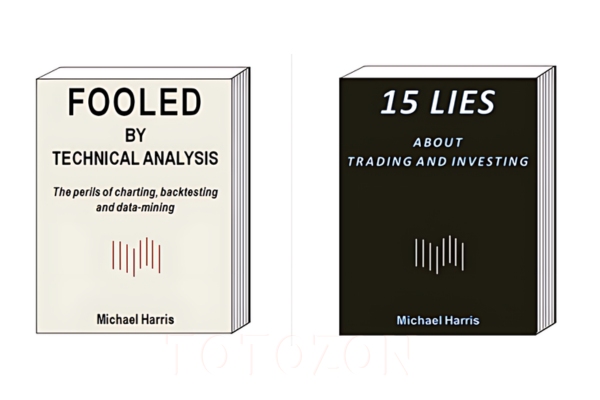 Trading Books with Michael Harris
1 × $6.00
Trading Books with Michael Harris
1 × $6.00 -
×
 Lazy Emini Trader Master Class
1 × $15.00
Lazy Emini Trader Master Class
1 × $15.00 -
×
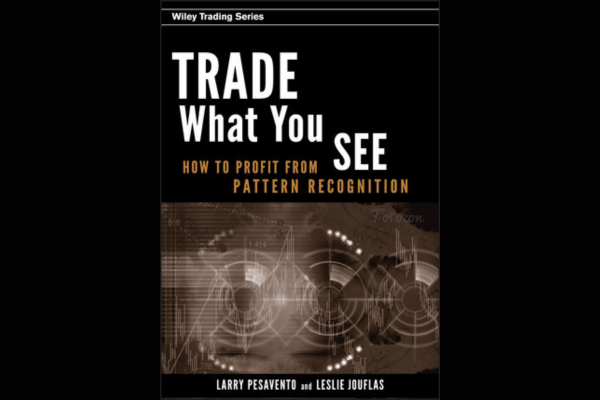 Trade What You See How To Profit from Pattern Recognition with Larry Pesavento & Leslie Jouflas
1 × $6.00
Trade What You See How To Profit from Pattern Recognition with Larry Pesavento & Leslie Jouflas
1 × $6.00 -
×
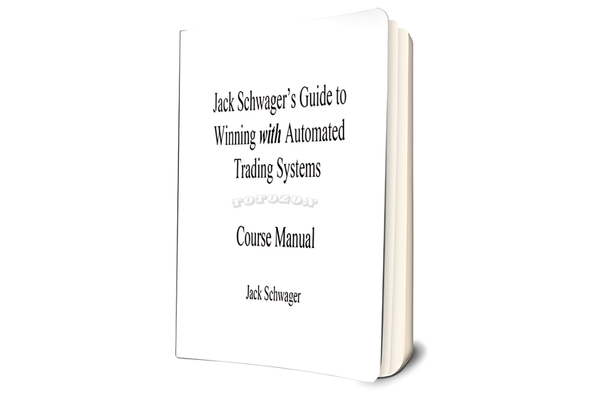 Guide to Winning with Automated Trading Systems with Jack Schwager
1 × $6.00
Guide to Winning with Automated Trading Systems with Jack Schwager
1 × $6.00 -
×
 Foundations of Stock & Options. Home Study Course
1 × $6.00
Foundations of Stock & Options. Home Study Course
1 × $6.00 -
×
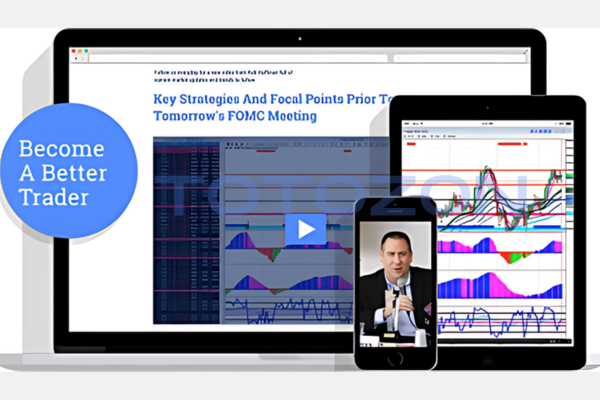 Rob’s Swing Trading Methods with Rob Hoffman
1 × $39.00
Rob’s Swing Trading Methods with Rob Hoffman
1 × $39.00 -
×
 Stock Investing Strategies with Maria Crawford Scott, John Bajkowski
1 × $6.00
Stock Investing Strategies with Maria Crawford Scott, John Bajkowski
1 × $6.00 -
×
 Sell Premium & Minimize Risk Class with Don Kaufman
1 × $6.00
Sell Premium & Minimize Risk Class with Don Kaufman
1 × $6.00 -
×
 Fundamental Analysis with CA Rachana Ranade
1 × $5.00
Fundamental Analysis with CA Rachana Ranade
1 × $5.00 -
×
 The Reducing Risk and Maximizing Returns Blueprint (Atomic Hedge Strategy) with Don Kaufman
1 × $6.00
The Reducing Risk and Maximizing Returns Blueprint (Atomic Hedge Strategy) with Don Kaufman
1 × $6.00 -
×
 NodeTrader (+ open code) (Nov 2014)
1 × $6.00
NodeTrader (+ open code) (Nov 2014)
1 × $6.00 -
×
 Toni’s Market Club with Toni Turner
1 × $6.00
Toni’s Market Club with Toni Turner
1 × $6.00 -
×
 Tail Hedging - Learn to Insure Stocks Against Large Declines with James Marsh
1 × $15.00
Tail Hedging - Learn to Insure Stocks Against Large Declines with James Marsh
1 × $15.00 -
×
 Compass Trading System with Right Line Trading
1 × $39.00
Compass Trading System with Right Line Trading
1 × $39.00 -
×
 Forecast, Filings, & News with Jtrader
1 × $6.00
Forecast, Filings, & News with Jtrader
1 × $6.00 -
×
 Hedge Funds for Dummies
1 × $6.00
Hedge Funds for Dummies
1 × $6.00 -
×
 The Litle Book of Bulletproof Investing
1 × $6.00
The Litle Book of Bulletproof Investing
1 × $6.00 -
×
 How To Read The Market Professionally with TradeSmart
1 × $27.00
How To Read The Market Professionally with TradeSmart
1 × $27.00 -
×
 Ezaih Academy 2024 Mentorship with Ezaih
1 × $54.00
Ezaih Academy 2024 Mentorship with Ezaih
1 × $54.00 -
×
 Rocking Wall Street with Gary Marks
1 × $6.00
Rocking Wall Street with Gary Marks
1 × $6.00 -
×
 Long/Short Market Dynamics: Trading Strategies for Today's Markets with Clive Corcoran
1 × $6.00
Long/Short Market Dynamics: Trading Strategies for Today's Markets with Clive Corcoran
1 × $6.00 -
×
 How To Read The Trend (Recorded Session) with TradeSmart
1 × $31.00
How To Read The Trend (Recorded Session) with TradeSmart
1 × $31.00 -
×
 Fundamentals of the Stock Market with B.O’Neill Wyss
1 × $6.00
Fundamentals of the Stock Market with B.O’Neill Wyss
1 × $6.00 -
×
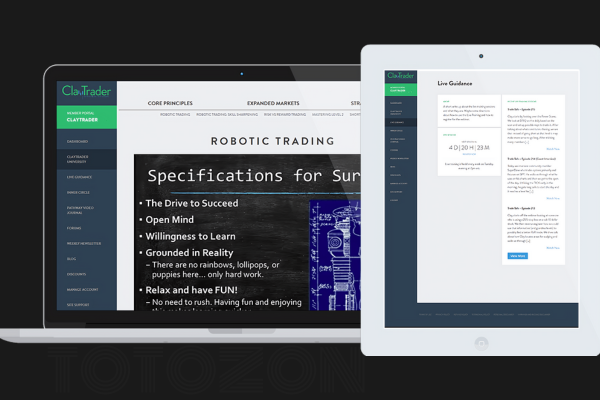 Robotic trading interactive
1 × $31.00
Robotic trading interactive
1 × $31.00 -
×
 Fibonacci – CCI Workshop Recording Series (2006 & 2008)
1 × $6.00
Fibonacci – CCI Workshop Recording Series (2006 & 2008)
1 × $6.00 -
×
 TradeCraft: Your Path to Peak Performance Trading By Adam Grimes
1 × $15.00
TradeCraft: Your Path to Peak Performance Trading By Adam Grimes
1 × $15.00

Market Fluidity
Original price was: $500.00.$6.00Current price is: $6.00.
File Size: 3.48 GB
Delivery Time: 1–12 hours
Media Type: Online Course
Understanding Market Fluidity: Navigating Changes in Today’s Financial Landscapes
Introduction: What is Market Fluidity?
In the constantly evolving world of finance, market fluidity refers to the rate and ease at which market conditions change. This concept is crucial for traders, investors, and financial analysts as it influences decision-making and strategy development. But what exactly makes a market “fluid”? Let’s dive deeper into this fascinating topic.
Defining Market Fluidity
Market fluidity is characterized by several key factors:
- Volume of Trade: How much is being traded?
- Volatility: How much do prices change?
- Liquidity: How easily can assets be bought or sold?
Understanding these elements helps us navigate the often turbulent waters of financial markets.
The Importance of Market Fluidity
Why should we care about how fluid a market is? The fluidity of a market affects both the risks and opportunities available to participants. Highly fluid markets can offer significant advantages:
Benefits of High Market Fluidity
- Improved Liquidity: Makes it easier to enter and exit positions.
- Increased Opportunities: More price movements can lead to more opportunities for profit.
- Better Price Discovery: Frequent trading helps achieve fair market value.
However, with these benefits also come potential downsides, such as increased market sensitivity to external influences.
Factors Influencing Market Fluidity
Economic Indicators
Economic reports and indicators like GDP growth rates, unemployment figures, and consumer confidence impact market fluidity by altering investor perception and behavior.
Technological Advancements
Technology plays a pivotal role by enhancing trading mechanisms and information dissemination, thereby increasing market fluidity.
Regulatory Environment
Government policies and regulations can either enhance or restrict market fluidity, impacting how freely prices can adjust to new information.
Market Fluidity in Different Sectors
Different sectors exhibit varying levels of fluidity. For example, technology stocks might show more fluidity compared to utilities due to different factors influencing these sectors.
Comparative Analysis
- Technology Sector: High innovation rate, rapid changes.
- Utilities Sector: Stable demand, less susceptible to rapid shifts.
Strategies for Navigating Market Fluidity
Adapting to market fluidity requires specific strategies to mitigate risks and capitalize on opportunities.
Risk Management
Implementing stop-loss orders and maintaining diversified portfolios are crucial.
Staying Informed
Regularly updating knowledge on market conditions and economic indicators helps in making informed decisions.
Adaptive Trading Strategies
Flexibility in trading strategies, such as using both long and short positions, can be beneficial.
Conclusion: Embracing the Dynamics
Market fluidity is a double-edged sword, presenting both challenges and opportunities. By understanding and adapting to these dynamics, we can better position ourselves in the financial landscape.
FAQs About Market Fluidity
What is market fluidity and why is it important?
Market fluidity refers to the ease and rate at which market conditions change, impacting trading decisions and opportunities.
How does technology affect market fluidity?
Technological advancements enhance trading mechanisms and information flow, increasing market fluidity.
What are some strategies to manage risks in a fluid market?
Employing stop-loss orders and diversifying portfolios are key strategies to mitigate risks.
Can market fluidity vary between different sectors?
Yes, sectors like technology may experience more fluidity compared to more stable sectors like utilities.
How can one stay informed about changes in market fluidity?
Regular monitoring of economic indicators and market updates is essential for staying informed.
Be the first to review “Market Fluidity”
You must be logged in to post a review.
Related products
Forex Trading
Original price was: $4,997.00.$27.00Current price is: $27.00.

Forex Trading
Original price was: $2,000.00.$23.00Current price is: $23.00.

Original price was: $497.00.$31.00Current price is: $31.00.

Original price was: $695.00.$41.00Current price is: $41.00.

Original price was: $997.00.$8.00Current price is: $8.00.

Forex Trading
Original price was: $850.00.$23.00Current price is: $23.00.

Original price was: $999.00.$5.00Current price is: $5.00.

Original price was: $1,800.00.$54.00Current price is: $54.00.

Forex Trading
Original price was: $249.00.$15.00Current price is: $15.00.

Forex Trading
Original price was: $397.00.$31.00Current price is: $31.00.

Forex Trading
Original price was: $2,997.00.$23.00Current price is: $23.00.

Forex Trading
Original price was: $239.00.$8.00Current price is: $8.00.

Forex Trading
Original price was: $797.00.$10.00Current price is: $10.00.

Original price was: $2,120.00.$15.00Current price is: $15.00.

Forex Trading
Quantamentals – The Next Great Forefront Of Trading and Investing with Trading Markets
Original price was: $1,495.00.$8.00Current price is: $8.00.

Original price was: $649.00.$20.00Current price is: $20.00.

Original price was: $895.00.$15.00Current price is: $15.00.

Forex Trading
Original price was: $499.00.$15.00Current price is: $15.00.

Original price was: $799.00.$15.00Current price is: $15.00.

Forex Trading
The Complete Guide to Multiple Time Frame Analysis & Reading Price Action with Aiman Almansoori
Original price was: $1,399.00.$13.00Current price is: $13.00.

Reviews
There are no reviews yet.