
-
×
 Sell Premium & Minimize Risk Class with Don Kaufman
1 × $6.00
Sell Premium & Minimize Risk Class with Don Kaufman
1 × $6.00 -
×
 New Generation Market Profile (May 2014)
1 × $15.00
New Generation Market Profile (May 2014)
1 × $15.00 -
×
 Trading Course 2024 with ZMC x BMO
1 × $17.00
Trading Course 2024 with ZMC x BMO
1 × $17.00 -
×
 Sovereign Man Confidential
1 × $6.00
Sovereign Man Confidential
1 × $6.00 -
×
 Technical & Fundamental Courses with Diamant Capital
1 × $5.00
Technical & Fundamental Courses with Diamant Capital
1 × $5.00 -
×
 Forex Trading For Beginners with John Jagerson - Investopedia Academy
1 × $6.00
Forex Trading For Beginners with John Jagerson - Investopedia Academy
1 × $6.00 -
×
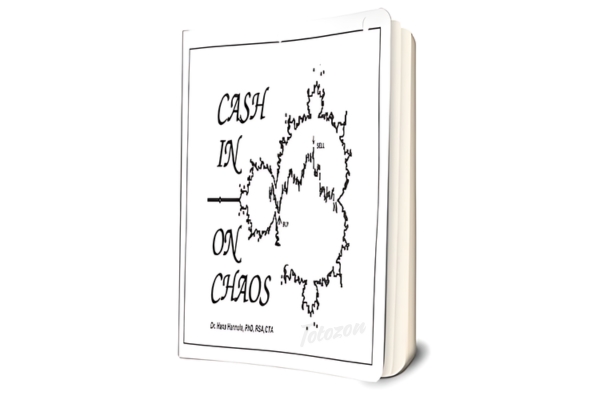 The Chaos Course. Cash in on Chaos with Hans Hannula
1 × $6.00
The Chaos Course. Cash in on Chaos with Hans Hannula
1 × $6.00 -
×
 Profit in the Futures Markets! with Jack Bernstein
1 × $6.00
Profit in the Futures Markets! with Jack Bernstein
1 × $6.00 -
×
 Market Tide indicator with Alphashark
1 × $54.00
Market Tide indicator with Alphashark
1 × $54.00 -
×
 Wheels of Gann. Top Secret Forecast Guide with Pat Reda
1 × $6.00
Wheels of Gann. Top Secret Forecast Guide with Pat Reda
1 × $6.00 -
×
 The Trading Blueprint with Brad Goh - The Trading Geek
1 × $5.00
The Trading Blueprint with Brad Goh - The Trading Geek
1 × $5.00 -
×
 Advanced Forex Mastery Course with Alpha Forex Global
1 × $5.00
Advanced Forex Mastery Course with Alpha Forex Global
1 × $5.00 -
×
 Learn how to trade Volatility 75 Index Technical Analysis with Patrick Muke
1 × $6.00
Learn how to trade Volatility 75 Index Technical Analysis with Patrick Muke
1 × $6.00 -
×
 The Precision Profit Float Indicator (TS Code & Setups) with Steve Woods
1 × $6.00
The Precision Profit Float Indicator (TS Code & Setups) with Steve Woods
1 × $6.00 -
×
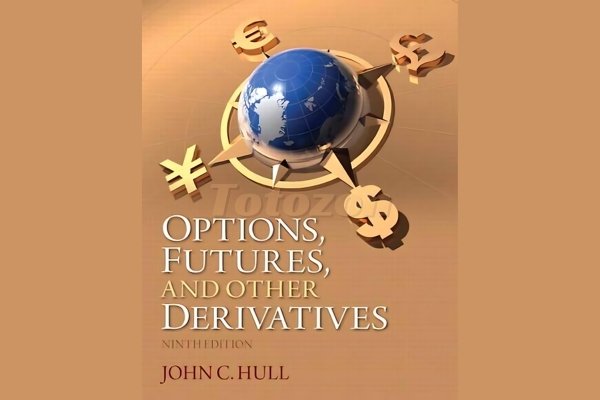 Option, Futures and Other Derivates 9th Edition
1 × $6.00
Option, Futures and Other Derivates 9th Edition
1 × $6.00 -
×
 EURUSD Trading System with CopperChips
1 × $6.00
EURUSD Trading System with CopperChips
1 × $6.00 -
×
 From Wall Street to the Great Wall with Jonathan Worrall
1 × $6.00
From Wall Street to the Great Wall with Jonathan Worrall
1 × $6.00 -
×
 How I Trade for a Living with Gary Smith
1 × $6.00
How I Trade for a Living with Gary Smith
1 × $6.00 -
×
 Create Your Trade Plan with Yuri Shramenko
1 × $6.00
Create Your Trade Plan with Yuri Shramenko
1 × $6.00 -
×
 Volatile Markets Made Easy: Trading Stocks and Options for Increased Profits with Guy Cohen
1 × $6.00
Volatile Markets Made Easy: Trading Stocks and Options for Increased Profits with Guy Cohen
1 × $6.00 -
×
 Exploring MetaStock Basic with Martin Pring
1 × $6.00
Exploring MetaStock Basic with Martin Pring
1 × $6.00 -
×
 SOAP. Served On A Platter CD with David Elliott
1 × $6.00
SOAP. Served On A Platter CD with David Elliott
1 × $6.00 -
×
 How To Become StressFree Trader with Jason Starzec
1 × $4.00
How To Become StressFree Trader with Jason Starzec
1 × $4.00 -
×
 Scientific Forex with Cristina Ciurea
1 × $6.00
Scientific Forex with Cristina Ciurea
1 × $6.00 -
×
 Market Neutral Strategies with Bruce I.Jacobs & Kenneth N.Levy
1 × $6.00
Market Neutral Strategies with Bruce I.Jacobs & Kenneth N.Levy
1 × $6.00 -
×
 DFX Scalping Strategy Course with Disciplined FX
1 × $23.00
DFX Scalping Strategy Course with Disciplined FX
1 × $23.00 -
×
 Chart Pattern Profits
1 × $6.00
Chart Pattern Profits
1 × $6.00 -
×
 Create Your Own ETF Hedge Fund: A Do-It-Yourself ETF Strategy for Private Wealth Management with David Fry
1 × $6.00
Create Your Own ETF Hedge Fund: A Do-It-Yourself ETF Strategy for Private Wealth Management with David Fry
1 × $6.00 -
×
 Trading for a Bright Future with Martin Cole
1 × $6.00
Trading for a Bright Future with Martin Cole
1 × $6.00 -
×
 How to Create & Manage a Mutal Fund or ETF with Melinda Gerber
1 × $6.00
How to Create & Manage a Mutal Fund or ETF with Melinda Gerber
1 × $6.00 -
×
 Private Access Pro Webinars 2021-2022 with Trader Lion
1 × $5.00
Private Access Pro Webinars 2021-2022 with Trader Lion
1 × $5.00 -
×
 How to Trade the New Single Stock Futures with Jack Bernstein
1 × $6.00
How to Trade the New Single Stock Futures with Jack Bernstein
1 × $6.00 -
×
 Scalp Trading Mini Course with Jayson Casper
1 × $23.00
Scalp Trading Mini Course with Jayson Casper
1 × $23.00 -
×
 Hedged Strategy Series in Volatile Markets All 4 with Dan Sheridan
1 × $15.00
Hedged Strategy Series in Volatile Markets All 4 with Dan Sheridan
1 × $15.00 -
×
 Pyrapoint with D.E.Hall
1 × $6.00
Pyrapoint with D.E.Hall
1 × $6.00 -
×
 Forex Fury
1 × $23.00
Forex Fury
1 × $23.00 -
×
 Market Energy Trader with Top Trade Tools
1 × $5.00
Market Energy Trader with Top Trade Tools
1 × $5.00 -
×
 E75 Forex System with James de Wet
1 × $6.00
E75 Forex System with James de Wet
1 × $6.00 -
×
 Quantifiable Edges - 3 Course Bundle
1 × $31.00
Quantifiable Edges - 3 Course Bundle
1 × $31.00 -
×
 Module IV - Day Trading to Short Term Swing Trades with FX MindShift
1 × $6.00
Module IV - Day Trading to Short Term Swing Trades with FX MindShift
1 × $6.00 -
×
 Stealth Trader (Ebook) with Andy Jordan - Trading Educators
1 × $132.00
Stealth Trader (Ebook) with Andy Jordan - Trading Educators
1 × $132.00 -
×
 Profitable Strategies with Gemify Academy
1 × $10.00
Profitable Strategies with Gemify Academy
1 × $10.00 -
×
 Explosive Growth Options & Stocks with Base Camp Trading
1 × $5.00
Explosive Growth Options & Stocks with Base Camp Trading
1 × $5.00 -
×
 The Handbook of Alternative Investments with Darrell R.Jobman
1 × $6.00
The Handbook of Alternative Investments with Darrell R.Jobman
1 × $6.00 -
×
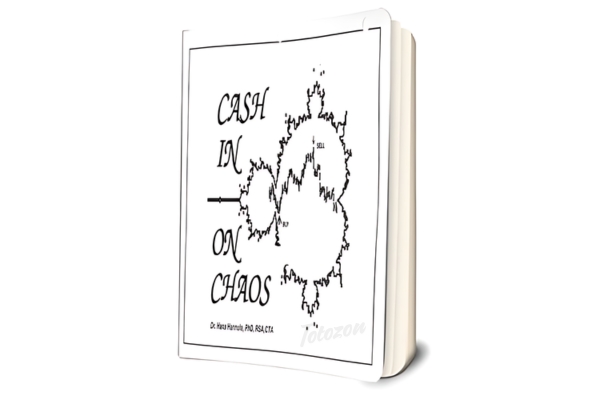 Cash In On Chaos with Hans Hannula
1 × $6.00
Cash In On Chaos with Hans Hannula
1 × $6.00 -
×
 Essentials in Quantitative Trading QT01 By HangukQuant's
1 × $23.00
Essentials in Quantitative Trading QT01 By HangukQuant's
1 × $23.00

Market Fluidity
Original price was: $500.00.$6.00Current price is: $6.00.
File Size: 3.48 GB
Delivery Time: 1–12 hours
Media Type: Online Course
Understanding Market Fluidity: Navigating Changes in Today’s Financial Landscapes
Introduction: What is Market Fluidity?
In the constantly evolving world of finance, market fluidity refers to the rate and ease at which market conditions change. This concept is crucial for traders, investors, and financial analysts as it influences decision-making and strategy development. But what exactly makes a market “fluid”? Let’s dive deeper into this fascinating topic.
Defining Market Fluidity
Market fluidity is characterized by several key factors:
- Volume of Trade: How much is being traded?
- Volatility: How much do prices change?
- Liquidity: How easily can assets be bought or sold?
Understanding these elements helps us navigate the often turbulent waters of financial markets.
The Importance of Market Fluidity
Why should we care about how fluid a market is? The fluidity of a market affects both the risks and opportunities available to participants. Highly fluid markets can offer significant advantages:
Benefits of High Market Fluidity
- Improved Liquidity: Makes it easier to enter and exit positions.
- Increased Opportunities: More price movements can lead to more opportunities for profit.
- Better Price Discovery: Frequent trading helps achieve fair market value.
However, with these benefits also come potential downsides, such as increased market sensitivity to external influences.
Factors Influencing Market Fluidity
Economic Indicators
Economic reports and indicators like GDP growth rates, unemployment figures, and consumer confidence impact market fluidity by altering investor perception and behavior.
Technological Advancements
Technology plays a pivotal role by enhancing trading mechanisms and information dissemination, thereby increasing market fluidity.
Regulatory Environment
Government policies and regulations can either enhance or restrict market fluidity, impacting how freely prices can adjust to new information.
Market Fluidity in Different Sectors
Different sectors exhibit varying levels of fluidity. For example, technology stocks might show more fluidity compared to utilities due to different factors influencing these sectors.
Comparative Analysis
- Technology Sector: High innovation rate, rapid changes.
- Utilities Sector: Stable demand, less susceptible to rapid shifts.
Strategies for Navigating Market Fluidity
Adapting to market fluidity requires specific strategies to mitigate risks and capitalize on opportunities.
Risk Management
Implementing stop-loss orders and maintaining diversified portfolios are crucial.
Staying Informed
Regularly updating knowledge on market conditions and economic indicators helps in making informed decisions.
Adaptive Trading Strategies
Flexibility in trading strategies, such as using both long and short positions, can be beneficial.
Conclusion: Embracing the Dynamics
Market fluidity is a double-edged sword, presenting both challenges and opportunities. By understanding and adapting to these dynamics, we can better position ourselves in the financial landscape.
FAQs About Market Fluidity
What is market fluidity and why is it important?
Market fluidity refers to the ease and rate at which market conditions change, impacting trading decisions and opportunities.
How does technology affect market fluidity?
Technological advancements enhance trading mechanisms and information flow, increasing market fluidity.
What are some strategies to manage risks in a fluid market?
Employing stop-loss orders and diversifying portfolios are key strategies to mitigate risks.
Can market fluidity vary between different sectors?
Yes, sectors like technology may experience more fluidity compared to more stable sectors like utilities.
How can one stay informed about changes in market fluidity?
Regular monitoring of economic indicators and market updates is essential for staying informed.
Be the first to review “Market Fluidity”
You must be logged in to post a review.
Related products

Forex Trading
Original price was: $125.00.$17.00Current price is: $17.00.

Forex Trading
Original price was: $2,997.00.$23.00Current price is: $23.00.

Forex Trading
Original price was: $999.00.$15.00Current price is: $15.00.

Original price was: $497.00.$31.00Current price is: $31.00.

Forex Trading
Original price was: $239.00.$8.00Current price is: $8.00.

Forex Trading
Original price was: $4,997.00.$27.00Current price is: $27.00.

Forex Trading
Original price was: $2,000.00.$23.00Current price is: $23.00.

Forex Trading
Original price was: $397.00.$31.00Current price is: $31.00.

Original price was: $997.00.$13.00Current price is: $13.00.

Original price was: $695.00.$41.00Current price is: $41.00.

Original price was: $895.00.$15.00Current price is: $15.00.

Original price was: $197.00.$5.00Current price is: $5.00.

Original price was: $999.00.$5.00Current price is: $5.00.

Original price was: $700.00.$39.00Current price is: $39.00.

Original price was: $1,849.00.$15.00Current price is: $15.00.

Forex Trading
Original price was: $1,098.00.$39.00Current price is: $39.00.
Forex Trading
Original price was: $697.00.$5.00Current price is: $5.00.

Forex Trading
Original price was: $249.00.$15.00Current price is: $15.00.

Original price was: $649.00.$20.00Current price is: $20.00.

Original price was: $1,800.00.$54.00Current price is: $54.00.

Reviews
There are no reviews yet.