
-
×
 Making Sense of Price Action: Price Action Profits with Scott Foster
1 × $54.00
Making Sense of Price Action: Price Action Profits with Scott Foster
1 × $54.00 -
×
 The Prop Trading Code with Brannigan Barrett - Axia Futures
1 × $23.00
The Prop Trading Code with Brannigan Barrett - Axia Futures
1 × $23.00 -
×
 Crypto Trading Academy with Cheeky Investor - Aussie Day Trader
1 × $13.00
Crypto Trading Academy with Cheeky Investor - Aussie Day Trader
1 × $13.00 -
×
 Zap Seminar - Ablesys
1 × $6.00
Zap Seminar - Ablesys
1 × $6.00 -
×
 All About Market Timing with Leslie N.Masonson
1 × $6.00
All About Market Timing with Leslie N.Masonson
1 × $6.00 -
×
 Deep Dive Butterfly Trading Strategy Class with SJG Trades
1 × $41.00
Deep Dive Butterfly Trading Strategy Class with SJG Trades
1 × $41.00 -
×
 Candlesticks Explained with Martin Pring
1 × $6.00
Candlesticks Explained with Martin Pring
1 × $6.00 -
×
 Equity Valuation for Analysts and Investors: A Unique Stock Valuation Tool for Financial Statement Analysis and Model-Building with James Kelleher
1 × $6.00
Equity Valuation for Analysts and Investors: A Unique Stock Valuation Tool for Financial Statement Analysis and Model-Building with James Kelleher
1 × $6.00 -
×
 Options Trading with Nick & Gareth - Nick Santiago & Gareth Soloway - InTheMoneyStocks
1 × $31.00
Options Trading with Nick & Gareth - Nick Santiago & Gareth Soloway - InTheMoneyStocks
1 × $31.00 -
×
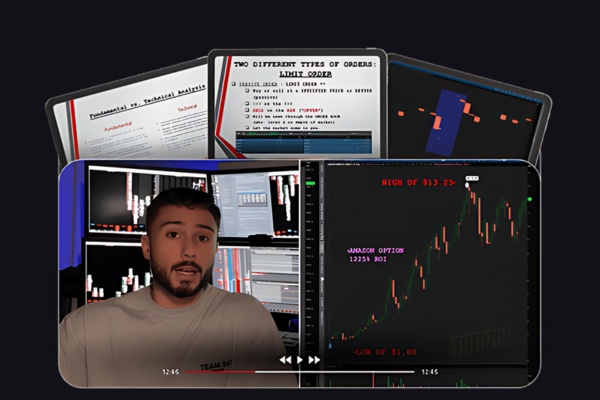 A-Z Course with InvestiTrade Academy
1 × $5.00
A-Z Course with InvestiTrade Academy
1 × $5.00 -
×
 Executive Mentoring Elliot Wave Course (Video & Manuals)
1 × $6.00
Executive Mentoring Elliot Wave Course (Video & Manuals)
1 × $6.00 -
×
 Elite Mentorship Home Study - 3T Live with Sami Abusaad
1 × $5.00
Elite Mentorship Home Study - 3T Live with Sami Abusaad
1 × $5.00 -
×
 Gann Masters II with Hallikers Inc
1 × $6.00
Gann Masters II with Hallikers Inc
1 × $6.00 -
×
 Keynes & The Market with Justyn Walsh
1 × $6.00
Keynes & The Market with Justyn Walsh
1 × $6.00 -
×
 Masterclass 3.0 with RockzFX Academy
1 × $6.00
Masterclass 3.0 with RockzFX Academy
1 × $6.00 -
×
 Complete Trading System with Segma Singh
1 × $6.00
Complete Trading System with Segma Singh
1 × $6.00 -
×
 Forecast, Filings, & News with Jtrader
1 × $6.00
Forecast, Filings, & News with Jtrader
1 × $6.00 -
×
 Julian Robertson: A Tiger in the Land of Bulls and Bears with Daniel Strachman
1 × $6.00
Julian Robertson: A Tiger in the Land of Bulls and Bears with Daniel Strachman
1 × $6.00 -
×
 White Phoenix’s The Smart (Money) Approach to Trading with Jayson Casper
1 × $39.00
White Phoenix’s The Smart (Money) Approach to Trading with Jayson Casper
1 × $39.00 -
×
 TRADING NFX Course with Andrew NFX
1 × $5.00
TRADING NFX Course with Andrew NFX
1 × $5.00 -
×
 AI For Traders with Trading Markets
1 × $31.00
AI For Traders with Trading Markets
1 × $31.00 -
×
 Matrix Spread Options Trading Course with Base Camp Trading
1 × $31.00
Matrix Spread Options Trading Course with Base Camp Trading
1 × $31.00 -
×
 Harnessing Explosive Market Turns - 3 DVD with Jeff Greenblatt
1 × $6.00
Harnessing Explosive Market Turns - 3 DVD with Jeff Greenblatt
1 × $6.00 -
×
 TradeCraft: Your Path to Peak Performance Trading By Adam Grimes
1 × $15.00
TradeCraft: Your Path to Peak Performance Trading By Adam Grimes
1 × $15.00 -
×
 Best of the Best: Collars with Amy Meissner & Scott Ruble
1 × $15.00
Best of the Best: Collars with Amy Meissner & Scott Ruble
1 × $15.00 -
×
 Forecast 2024 Clarification with Larry Williams
1 × $15.00
Forecast 2024 Clarification with Larry Williams
1 × $15.00 -
×
 Simpler Options - Stock Trading Patterns
1 × $6.00
Simpler Options - Stock Trading Patterns
1 × $6.00 -
×
 The Trading Blueprint with Brad Goh - The Trading Geek
1 × $5.00
The Trading Blueprint with Brad Goh - The Trading Geek
1 × $5.00 -
×
 Euro Trading Course with Bkforex
1 × $6.00
Euro Trading Course with Bkforex
1 × $6.00 -
×
 ICT Prodigy Trading Course – $650K in Payouts with Alex Solignani
1 × $15.00
ICT Prodigy Trading Course – $650K in Payouts with Alex Solignani
1 × $15.00 -
×
 Optimize Funding Program 2023 with Solo Network Courses
1 × $13.00
Optimize Funding Program 2023 with Solo Network Courses
1 × $13.00 -
×
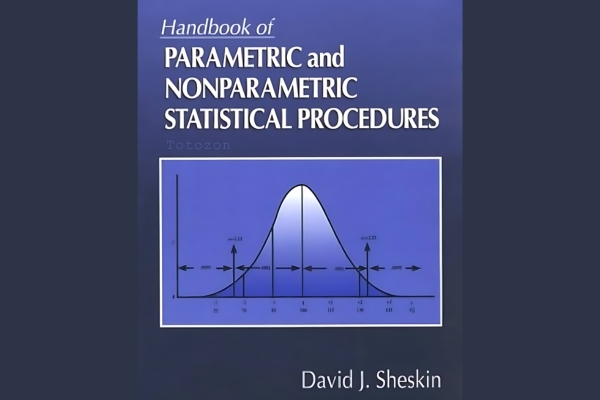 HandBook of Parametric and Nonparametric Statistical Procedures with David J.Sheskin
1 × $6.00
HandBook of Parametric and Nonparametric Statistical Procedures with David J.Sheskin
1 × $6.00 -
×
 Mechanising Some of the World’s Classic Trading Systems with Murray Ruggiero
1 × $7.00
Mechanising Some of the World’s Classic Trading Systems with Murray Ruggiero
1 × $7.00 -
×
 FlowRider Trading Course with Boris Schlossberg and Kathy Lien - Bkforex
1 × $15.00
FlowRider Trading Course with Boris Schlossberg and Kathy Lien - Bkforex
1 × $15.00 -
×
 The Complete Guide to Multiple Time Frame Analysis & Reading Price Action with Aiman Almansoori
1 × $13.00
The Complete Guide to Multiple Time Frame Analysis & Reading Price Action with Aiman Almansoori
1 × $13.00 -
×
 George Bayer Squarring the Circle for Excel
1 × $6.00
George Bayer Squarring the Circle for Excel
1 × $6.00 -
×
 Dan Sheridan Delta Force
1 × $6.00
Dan Sheridan Delta Force
1 × $6.00 -
×
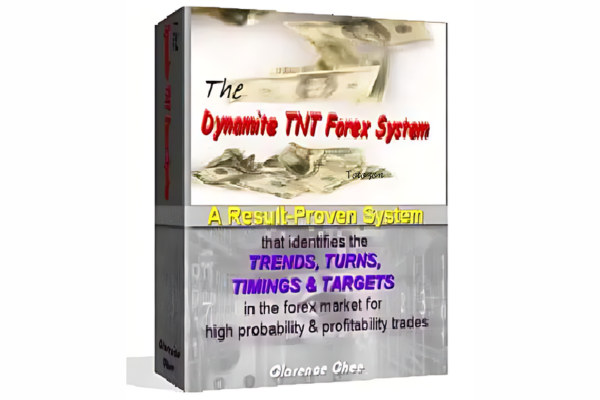 Dynamite TNT Forex System with Clarence Chee
1 × $6.00
Dynamite TNT Forex System with Clarence Chee
1 × $6.00 -
×
 Complete Guide to Online Stock Market Investing (2nd Edition) with Alexander Davidson
1 × $6.00
Complete Guide to Online Stock Market Investing (2nd Edition) with Alexander Davidson
1 × $6.00 -
×
 Practical Speculation with Victor Niederhoffer, Laurel Kenner
1 × $6.00
Practical Speculation with Victor Niederhoffer, Laurel Kenner
1 × $6.00 -
×
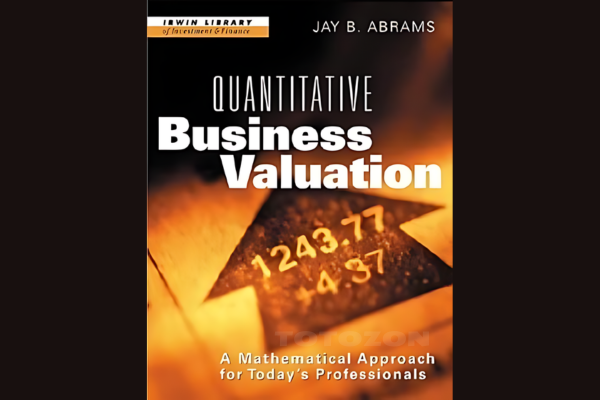 Quantitative Business Valuation with Jay Abrams
1 × $6.00
Quantitative Business Valuation with Jay Abrams
1 × $6.00 -
×
 Researching your Trade
1 × $6.00
Researching your Trade
1 × $6.00 -
×
 Capital with Charles D.Ellis
1 × $6.00
Capital with Charles D.Ellis
1 × $6.00 -
×
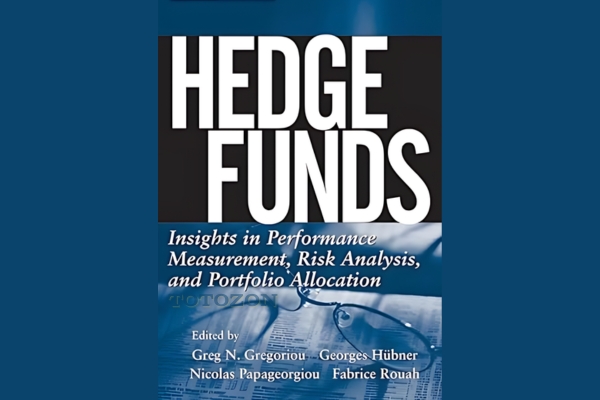 Hedge Funds: Insights in Performance Measurement, Risk Analysis, and Portfolio Allocation (1st Edition) - Greg Gregoriou, Georges Hübner, Nicolas Papageorgiou & Fabrice Rouah
1 × $6.00
Hedge Funds: Insights in Performance Measurement, Risk Analysis, and Portfolio Allocation (1st Edition) - Greg Gregoriou, Georges Hübner, Nicolas Papageorgiou & Fabrice Rouah
1 × $6.00 -
×
 0 DTE Options Trading Workshop with Aeromir Corporation
1 × $15.00
0 DTE Options Trading Workshop with Aeromir Corporation
1 × $15.00

Market Fluidity
Original price was: $500.00.$6.00Current price is: $6.00.
File Size: 3.48 GB
Delivery Time: 1–12 hours
Media Type: Online Course
Understanding Market Fluidity: Navigating Changes in Today’s Financial Landscapes
Introduction: What is Market Fluidity?
In the constantly evolving world of finance, market fluidity refers to the rate and ease at which market conditions change. This concept is crucial for traders, investors, and financial analysts as it influences decision-making and strategy development. But what exactly makes a market “fluid”? Let’s dive deeper into this fascinating topic.
Defining Market Fluidity
Market fluidity is characterized by several key factors:
- Volume of Trade: How much is being traded?
- Volatility: How much do prices change?
- Liquidity: How easily can assets be bought or sold?
Understanding these elements helps us navigate the often turbulent waters of financial markets.
The Importance of Market Fluidity
Why should we care about how fluid a market is? The fluidity of a market affects both the risks and opportunities available to participants. Highly fluid markets can offer significant advantages:
Benefits of High Market Fluidity
- Improved Liquidity: Makes it easier to enter and exit positions.
- Increased Opportunities: More price movements can lead to more opportunities for profit.
- Better Price Discovery: Frequent trading helps achieve fair market value.
However, with these benefits also come potential downsides, such as increased market sensitivity to external influences.
Factors Influencing Market Fluidity
Economic Indicators
Economic reports and indicators like GDP growth rates, unemployment figures, and consumer confidence impact market fluidity by altering investor perception and behavior.
Technological Advancements
Technology plays a pivotal role by enhancing trading mechanisms and information dissemination, thereby increasing market fluidity.
Regulatory Environment
Government policies and regulations can either enhance or restrict market fluidity, impacting how freely prices can adjust to new information.
Market Fluidity in Different Sectors
Different sectors exhibit varying levels of fluidity. For example, technology stocks might show more fluidity compared to utilities due to different factors influencing these sectors.
Comparative Analysis
- Technology Sector: High innovation rate, rapid changes.
- Utilities Sector: Stable demand, less susceptible to rapid shifts.
Strategies for Navigating Market Fluidity
Adapting to market fluidity requires specific strategies to mitigate risks and capitalize on opportunities.
Risk Management
Implementing stop-loss orders and maintaining diversified portfolios are crucial.
Staying Informed
Regularly updating knowledge on market conditions and economic indicators helps in making informed decisions.
Adaptive Trading Strategies
Flexibility in trading strategies, such as using both long and short positions, can be beneficial.
Conclusion: Embracing the Dynamics
Market fluidity is a double-edged sword, presenting both challenges and opportunities. By understanding and adapting to these dynamics, we can better position ourselves in the financial landscape.
FAQs About Market Fluidity
What is market fluidity and why is it important?
Market fluidity refers to the ease and rate at which market conditions change, impacting trading decisions and opportunities.
How does technology affect market fluidity?
Technological advancements enhance trading mechanisms and information flow, increasing market fluidity.
What are some strategies to manage risks in a fluid market?
Employing stop-loss orders and diversifying portfolios are key strategies to mitigate risks.
Can market fluidity vary between different sectors?
Yes, sectors like technology may experience more fluidity compared to more stable sectors like utilities.
How can one stay informed about changes in market fluidity?
Regular monitoring of economic indicators and market updates is essential for staying informed.
Be the first to review “Market Fluidity”
You must be logged in to post a review.
Related products

Forex Trading
Original price was: $499.00.$15.00Current price is: $15.00.

Forex Trading
Original price was: $239.00.$8.00Current price is: $8.00.
Forex Trading
Original price was: $999.00.$15.00Current price is: $15.00.

Original price was: $997.00.$8.00Current price is: $8.00.

Forex Trading
Original price was: $1,098.00.$39.00Current price is: $39.00.

Original price was: $497.00.$11.00Current price is: $11.00.
Original price was: $1,200.00.$23.00Current price is: $23.00.
Original price was: $4,995.00.$15.00Current price is: $15.00.

Original price was: $1,849.00.$15.00Current price is: $15.00.

Forex Trading
Quantamentals – The Next Great Forefront Of Trading and Investing with Trading Markets
Original price was: $1,495.00.$8.00Current price is: $8.00.
Original price was: $2,120.00.$15.00Current price is: $15.00.

Forex Trading
Original price was: $799.00.$15.00Current price is: $15.00.
Original price was: $700.00.$39.00Current price is: $39.00.
Original price was: $695.00.$41.00Current price is: $41.00.

Original price was: $310.00.$23.00Current price is: $23.00.

Original price was: $895.00.$15.00Current price is: $15.00.

Forex Trading
Original price was: $2,000.00.$23.00Current price is: $23.00.

Forex Trading
Original price was: $1,898.00.$10.00Current price is: $10.00.

Forex Trading
Original price was: $4,997.00.$27.00Current price is: $27.00.
Original price was: $799.00.$15.00Current price is: $15.00.

Reviews
There are no reviews yet.