
-
×
 You can be a Stock Market Genious with Joel Greenblaat
1 × $6.00
You can be a Stock Market Genious with Joel Greenblaat
1 × $6.00 -
×
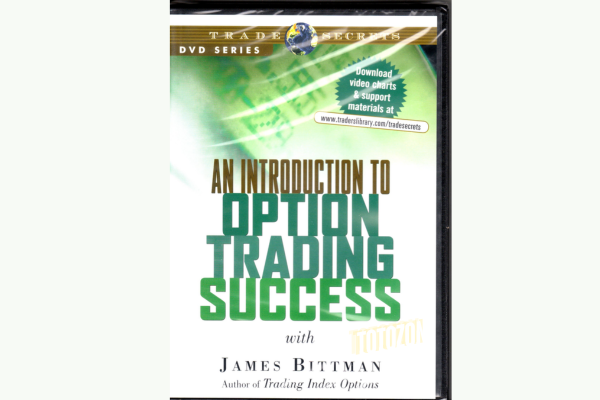 An Introduction to Option Trading Success with James Bittman
1 × $6.00
An Introduction to Option Trading Success with James Bittman
1 × $6.00 -
×
 The Complete Guide to Multiple Time Frame Analysis & Reading Price Action with Aiman Almansoori
1 × $179.00
The Complete Guide to Multiple Time Frame Analysis & Reading Price Action with Aiman Almansoori
1 × $179.00 -
×
 Trading for a Bright Future with Martin Cole
1 × $6.00
Trading for a Bright Future with Martin Cole
1 × $6.00 -
×
 Steve Jobs. The Greatest Second Act in the History of Business with Young Simon
1 × $6.00
Steve Jobs. The Greatest Second Act in the History of Business with Young Simon
1 × $6.00 -
×
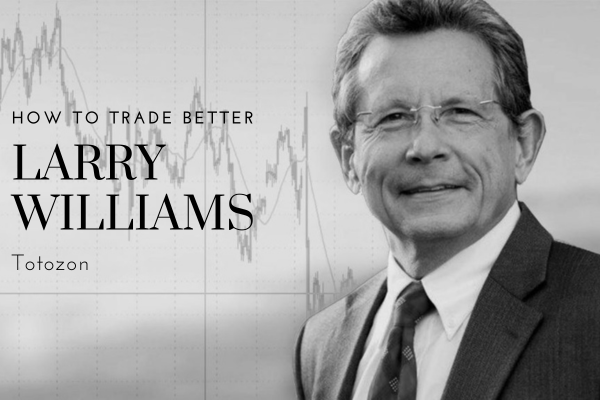 How to Trade Better with Larry Williams
1 × $6.00
How to Trade Better with Larry Williams
1 × $6.00 -
×
 Professional Swing Trading College with Steven Primo
1 × $15.00
Professional Swing Trading College with Steven Primo
1 × $15.00 -
×
 Master Stock Course
1 × $6.00
Master Stock Course
1 × $6.00 -
×
 Investment Strategies for the 21th Century with Frank Amstrong
1 × $6.00
Investment Strategies for the 21th Century with Frank Amstrong
1 × $6.00 -
×
 Best of the Best: Collars with Amy Meissner & Scott Ruble
1 × $15.00
Best of the Best: Collars with Amy Meissner & Scott Ruble
1 × $15.00 -
×
 Introduction To Market Turning Points Caused - The Demand & Supply Of Big Banks Institution - Golden Bridge Trading
1 × $6.00
Introduction To Market Turning Points Caused - The Demand & Supply Of Big Banks Institution - Golden Bridge Trading
1 × $6.00 -
×
 Order flow self-study training program with iMFtracker
1 × $10.00
Order flow self-study training program with iMFtracker
1 × $10.00 -
×
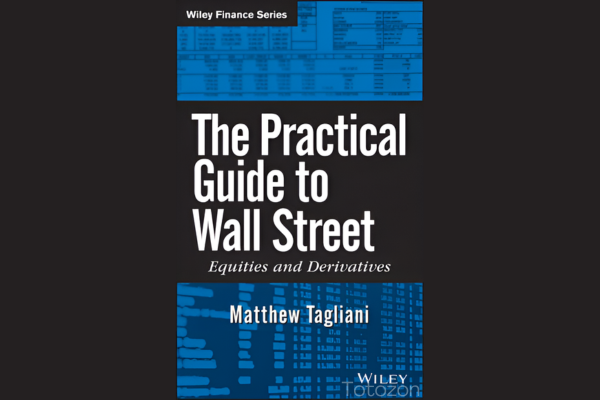 The Practical Guide to Wall Street with Matthew Tagliani
1 × $6.00
The Practical Guide to Wall Street with Matthew Tagliani
1 × $6.00 -
×
 Futures & Options for Dummies with Joe Duarte
1 × $6.00
Futures & Options for Dummies with Joe Duarte
1 × $6.00 -
×
 The Geography of Money with Benjamin J.Cohen
1 × $6.00
The Geography of Money with Benjamin J.Cohen
1 × $6.00 -
×
 Real-Time Course with Rich Swannell
1 × $6.00
Real-Time Course with Rich Swannell
1 × $6.00 -
×
 Fire Your Stock Analyst: Analyzing Stocks on Your Own with Harry Domash
1 × $6.00
Fire Your Stock Analyst: Analyzing Stocks on Your Own with Harry Domash
1 × $6.00 -
×
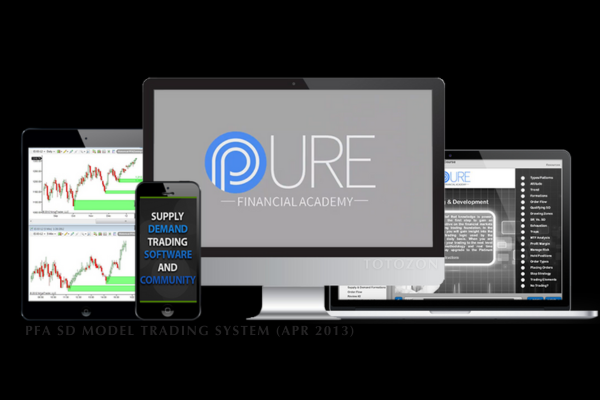 PFA SD Model Trading System (Apr 2013)
1 × $31.00
PFA SD Model Trading System (Apr 2013)
1 × $31.00 -
×
 The Ultimate Forex Structure Course
1 × $31.00
The Ultimate Forex Structure Course
1 × $31.00 -
×
 Fed Balance Sheet 201 with Joseph Wang - Central Banking 101
1 × $10.00
Fed Balance Sheet 201 with Joseph Wang - Central Banking 101
1 × $10.00 -
×
 John Bollinger on Bollinger Bands
1 × $6.00
John Bollinger on Bollinger Bands
1 × $6.00 -
×
 Learning Track: Quantitative Approach in Options Trading
1 × $39.00
Learning Track: Quantitative Approach in Options Trading
1 × $39.00 -
×
 No Bull Investing with Jack Bernstein
1 × $6.00
No Bull Investing with Jack Bernstein
1 × $6.00 -
×
 Trading a Living Thing (Article) with David Bowden
1 × $6.00
Trading a Living Thing (Article) with David Bowden
1 × $6.00 -
×
 ICT Prodigy Trading Course – $650K in Payouts with Alex Solignani
1 × $15.00
ICT Prodigy Trading Course – $650K in Payouts with Alex Solignani
1 × $15.00 -
×
 CFA Pro Level 1 2004 CD - Scheweser
1 × $6.00
CFA Pro Level 1 2004 CD - Scheweser
1 × $6.00 -
×
 TradeCraft: Your Path to Peak Performance Trading By Adam Grimes
1 × $15.00
TradeCraft: Your Path to Peak Performance Trading By Adam Grimes
1 × $15.00 -
×
 Concerning The More Certain Fundamentals Of Astrology
1 × $6.00
Concerning The More Certain Fundamentals Of Astrology
1 × $6.00 -
×
 Basecamptrading - Naked Trading Part 2
1 × $6.00
Basecamptrading - Naked Trading Part 2
1 × $6.00 -
×
 5 Basic Elliott Wave Patterns + Technical Tools = Trading Success with Jeffrey Kennedy
1 × $15.00
5 Basic Elliott Wave Patterns + Technical Tools = Trading Success with Jeffrey Kennedy
1 × $15.00 -
×
 Commodities Rising: The Reality Behind the Hype and How To Really Profit in the Commodities Market - Jeffrey Christian
1 × $6.00
Commodities Rising: The Reality Behind the Hype and How To Really Profit in the Commodities Market - Jeffrey Christian
1 × $6.00 -
×
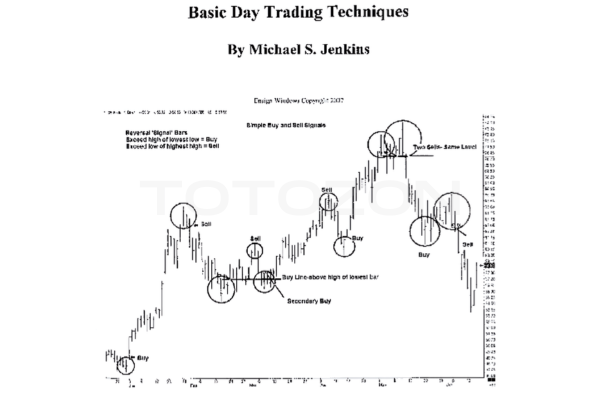 Basic Day Trading Techniques with Michael Jenkins
1 × $6.00
Basic Day Trading Techniques with Michael Jenkins
1 × $6.00 -
×
 Cryptocurrency Investing Master Class with Stone River eLearning
1 × $6.00
Cryptocurrency Investing Master Class with Stone River eLearning
1 × $6.00 -
×
 Lee Gettess’s Package
1 × $6.00
Lee Gettess’s Package
1 × $6.00 -
×
 Investment Titans: Investment Insights from the Minds that Move Wall Street with Jonathan Burton
1 × $6.00
Investment Titans: Investment Insights from the Minds that Move Wall Street with Jonathan Burton
1 × $6.00 -
×
 4-Hour Income Strategy with Todd Mitchell & Craig Hill
1 × $62.00
4-Hour Income Strategy with Todd Mitchell & Craig Hill
1 × $62.00 -
×
![Robert Miner-Complete Price Tutorial Series [5 Videos (AVI)] img](https://www.totozon.com/wp-content/uploads/2024/05/Robert-Miner-Complete-Price-Tutorial-Series-5-Videos-AVI-img.png) Robert Miner-Complete Price Tutorial Series [5 Videos (AVI)]
1 × $6.00
Robert Miner-Complete Price Tutorial Series [5 Videos (AVI)]
1 × $6.00 -
×
 The Deadly 7 Sins of Investing with Maury Fertig
1 × $6.00
The Deadly 7 Sins of Investing with Maury Fertig
1 × $6.00 -
×
 Fundamentals of Forex Trading with Joshua Garrison
1 × $5.00
Fundamentals of Forex Trading with Joshua Garrison
1 × $5.00 -
×
 Advanced Trading System 2020
1 × $179.00
Advanced Trading System 2020
1 × $179.00 -
×
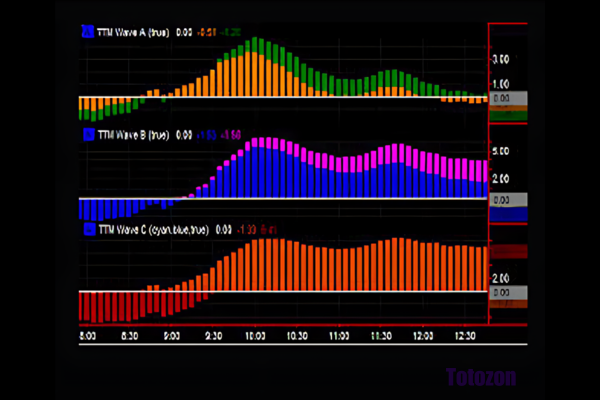 ABC Waves TOS Indicator & Live Class with Simpler Options
1 × $6.00
ABC Waves TOS Indicator & Live Class with Simpler Options
1 × $6.00 -
×
 Market Expectations & Option Prices with Martin Mandler
1 × $6.00
Market Expectations & Option Prices with Martin Mandler
1 × $6.00 -
×
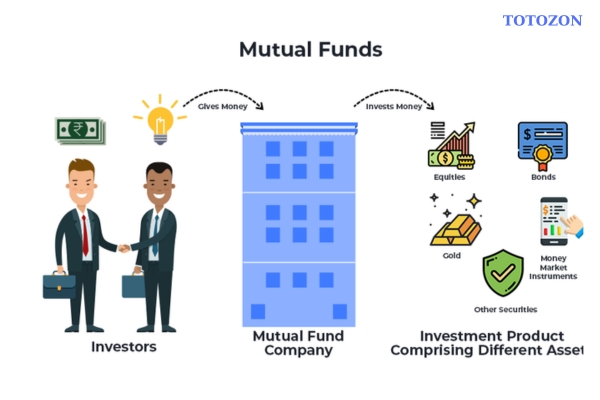 Mutual Funds: Fifty Years of Research Findings by Seth C. Anderson
1 × $6.00
Mutual Funds: Fifty Years of Research Findings by Seth C. Anderson
1 × $6.00 -
×
 Trading as a Business with Alexander Elder
1 × $6.00
Trading as a Business with Alexander Elder
1 × $6.00 -
×
 Systems Trading for Spread Betting: An end-to-end guide for developing spread betting systems with Gary Ford
1 × $6.00
Systems Trading for Spread Betting: An end-to-end guide for developing spread betting systems with Gary Ford
1 × $6.00 -
×
 RiskDoctor RD2 – Intermediate Course to Options Trading the RiskDoctor Way - Charles Cottle
1 × $6.00
RiskDoctor RD2 – Intermediate Course to Options Trading the RiskDoctor Way - Charles Cottle
1 × $6.00 -
×
 Applications of Abstract Algebra with Maple - Richard E.Kline, Neil Sigmon, Ernst Stitzinger
1 × $6.00
Applications of Abstract Algebra with Maple - Richard E.Kline, Neil Sigmon, Ernst Stitzinger
1 × $6.00 -
×
 Trading Earnings Formula Class with Don Kaufman
1 × $6.00
Trading Earnings Formula Class with Don Kaufman
1 × $6.00 -
×
 A Grand Supercycle Top Webinar with Steven Hochberg
1 × $6.00
A Grand Supercycle Top Webinar with Steven Hochberg
1 × $6.00 -
×
 Commodity Trading Video Course with Bob Buran
1 × $6.00
Commodity Trading Video Course with Bob Buran
1 × $6.00 -
×
 Preview of Markets with George Bayer
1 × $6.00
Preview of Markets with George Bayer
1 × $6.00 -
×
 How To Build An Automated Trading Robot In Excel with Peter Titus - Marwood Research
1 × $15.00
How To Build An Automated Trading Robot In Excel with Peter Titus - Marwood Research
1 × $15.00 -
×
 Profiletraders - Market Profile Day Trading
1 × $15.00
Profiletraders - Market Profile Day Trading
1 × $15.00 -
×
 Credit Spreads Deep Dive with Jay Bailey - Sheridan Options Mentoring
1 × $31.00
Credit Spreads Deep Dive with Jay Bailey - Sheridan Options Mentoring
1 × $31.00 -
×
 Risk Management Toolkit with Peter Bain
1 × $6.00
Risk Management Toolkit with Peter Bain
1 × $6.00 -
×
 Developting a Forex Trading Plan Webminar
1 × $6.00
Developting a Forex Trading Plan Webminar
1 × $6.00 -
×
 How To Win 97% Of Your Options Trader with Jeff Tompkins
1 × $6.00
How To Win 97% Of Your Options Trader with Jeff Tompkins
1 × $6.00 -
×
 Masterclass 3.0 with RockzFX Academy
1 × $6.00
Masterclass 3.0 with RockzFX Academy
1 × $6.00 -
×
 Forex Strategies Guide for Day and Swing Traders with Cory Mitchell - Vantage Point Trading
1 × $4.00
Forex Strategies Guide for Day and Swing Traders with Cory Mitchell - Vantage Point Trading
1 × $4.00 -
×
 How To Invest Better
1 × $6.00
How To Invest Better
1 × $6.00 -
×
 Option Buying Course
1 × $5.00
Option Buying Course
1 × $5.00 -
×
 Create Your Own Hedge Fund with Mark Wolfinger
1 × $6.00
Create Your Own Hedge Fund with Mark Wolfinger
1 × $6.00 -
×
 Exchange-Traded Derivatives with Erik Banks
1 × $6.00
Exchange-Traded Derivatives with Erik Banks
1 × $6.00 -
×
 Day Trading Freedom Course & Members Area Videos
1 × $6.00
Day Trading Freedom Course & Members Area Videos
1 × $6.00 -
×
 Master The Markets 2.0 with French Trader
1 × $6.00
Master The Markets 2.0 with French Trader
1 × $6.00 -
×
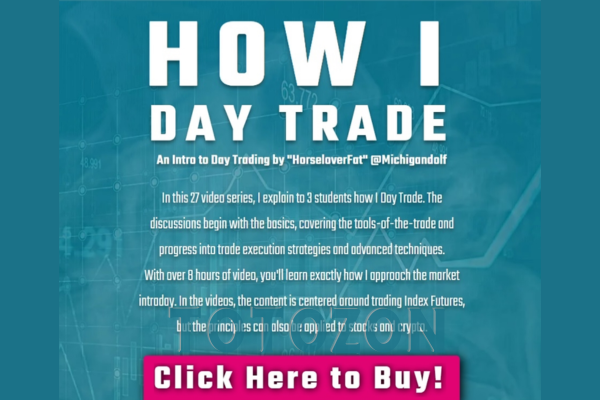 How I Day Trade Course with Traderade
1 × $15.00
How I Day Trade Course with Traderade
1 × $15.00 -
×
 The Orderflows Trade Opportunities Encyclopedia with Michael Valtos
1 × $8.00
The Orderflows Trade Opportunities Encyclopedia with Michael Valtos
1 × $8.00 -
×
 AI For Traders with Trading Markets
1 × $31.00
AI For Traders with Trading Markets
1 × $31.00 -
×
 Pete Fader VSA Course
1 × $6.00
Pete Fader VSA Course
1 × $6.00 -
×
 Alternative Assets and Strategic Allocation with John Abbink
1 × $6.00
Alternative Assets and Strategic Allocation with John Abbink
1 × $6.00 -
×
 Ultimate Trading Course with Dodgy's Dungeon
1 × $8.00
Ultimate Trading Course with Dodgy's Dungeon
1 × $8.00

Market Fluidity
Original price was: $500.00.$6.00Current price is: $6.00.
File Size: 3.48 GB
Delivery Time: 1–12 hours
Media Type: Online Course
Understanding Market Fluidity: Navigating Changes in Today’s Financial Landscapes
Introduction: What is Market Fluidity?
In the constantly evolving world of finance, market fluidity refers to the rate and ease at which market conditions change. This concept is crucial for traders, investors, and financial analysts as it influences decision-making and strategy development. But what exactly makes a market “fluid”? Let’s dive deeper into this fascinating topic.
Defining Market Fluidity
Market fluidity is characterized by several key factors:
- Volume of Trade: How much is being traded?
- Volatility: How much do prices change?
- Liquidity: How easily can assets be bought or sold?
Understanding these elements helps us navigate the often turbulent waters of financial markets.
The Importance of Market Fluidity
Why should we care about how fluid a market is? The fluidity of a market affects both the risks and opportunities available to participants. Highly fluid markets can offer significant advantages:
Benefits of High Market Fluidity
- Improved Liquidity: Makes it easier to enter and exit positions.
- Increased Opportunities: More price movements can lead to more opportunities for profit.
- Better Price Discovery: Frequent trading helps achieve fair market value.
However, with these benefits also come potential downsides, such as increased market sensitivity to external influences.
Factors Influencing Market Fluidity
Economic Indicators
Economic reports and indicators like GDP growth rates, unemployment figures, and consumer confidence impact market fluidity by altering investor perception and behavior.
Technological Advancements
Technology plays a pivotal role by enhancing trading mechanisms and information dissemination, thereby increasing market fluidity.
Regulatory Environment
Government policies and regulations can either enhance or restrict market fluidity, impacting how freely prices can adjust to new information.
Market Fluidity in Different Sectors
Different sectors exhibit varying levels of fluidity. For example, technology stocks might show more fluidity compared to utilities due to different factors influencing these sectors.
Comparative Analysis
- Technology Sector: High innovation rate, rapid changes.
- Utilities Sector: Stable demand, less susceptible to rapid shifts.
Strategies for Navigating Market Fluidity
Adapting to market fluidity requires specific strategies to mitigate risks and capitalize on opportunities.
Risk Management
Implementing stop-loss orders and maintaining diversified portfolios are crucial.
Staying Informed
Regularly updating knowledge on market conditions and economic indicators helps in making informed decisions.
Adaptive Trading Strategies
Flexibility in trading strategies, such as using both long and short positions, can be beneficial.
Conclusion: Embracing the Dynamics
Market fluidity is a double-edged sword, presenting both challenges and opportunities. By understanding and adapting to these dynamics, we can better position ourselves in the financial landscape.
FAQs About Market Fluidity
What is market fluidity and why is it important?
Market fluidity refers to the ease and rate at which market conditions change, impacting trading decisions and opportunities.
How does technology affect market fluidity?
Technological advancements enhance trading mechanisms and information flow, increasing market fluidity.
What are some strategies to manage risks in a fluid market?
Employing stop-loss orders and diversifying portfolios are key strategies to mitigate risks.
Can market fluidity vary between different sectors?
Yes, sectors like technology may experience more fluidity compared to more stable sectors like utilities.
How can one stay informed about changes in market fluidity?
Regular monitoring of economic indicators and market updates is essential for staying informed.
Be the first to review “Market Fluidity”
You must be logged in to post a review.
Related products

Original price was: $497.00.$11.00Current price is: $11.00.

Forex Trading
Original price was: $697.00.$5.00Current price is: $5.00.

Original price was: $1,200.00.$23.00Current price is: $23.00.

Forex Trading
Original price was: $999.00.$15.00Current price is: $15.00.

Forex Trading
Original price was: $550.00.$5.00Current price is: $5.00.

Forex Trading
Original price was: $125.00.$17.00Current price is: $17.00.
Original price was: $799.00.$15.00Current price is: $15.00.

Original price was: $497.00.$31.00Current price is: $31.00.
Original price was: $4,995.00.$15.00Current price is: $15.00.

Original price was: $649.00.$20.00Current price is: $20.00.

Forex Trading
Original price was: $850.00.$23.00Current price is: $23.00.

Forex Trading
Original price was: $799.00.$15.00Current price is: $15.00.

Original price was: $695.00.$41.00Current price is: $41.00.

Forex Trading
The Complete Guide to Multiple Time Frame Analysis & Reading Price Action with Aiman Almansoori
Original price was: $1,399.00.$13.00Current price is: $13.00.

Forex Trading
Original price was: $4,997.00.$27.00Current price is: $27.00.
Forex Trading
Original price was: $2,995.00.$31.00Current price is: $31.00.

Original price was: $197.00.$5.00Current price is: $5.00.

Forex Trading
Original price was: $499.00.$15.00Current price is: $15.00.
Forex Trading
Original price was: $1,898.00.$10.00Current price is: $10.00.

Forex Trading
Original price was: $797.00.$10.00Current price is: $10.00.

Reviews
There are no reviews yet.