
-
×
 Handbook of Integral Equations with Andrei D.Polyanin, Alexander V.Manzhirov
1 × $6.00
Handbook of Integral Equations with Andrei D.Polyanin, Alexander V.Manzhirov
1 × $6.00 -
×
 The Psychology Of Trading with Brett N.Steenbarger
1 × $6.00
The Psychology Of Trading with Brett N.Steenbarger
1 × $6.00 -
×
 RSI Basic with Andrew Cardwell
1 × $54.00
RSI Basic with Andrew Cardwell
1 × $54.00 -
×
 TRADING NFX Course with Andrew NFX
1 × $5.00
TRADING NFX Course with Andrew NFX
1 × $5.00 -
×
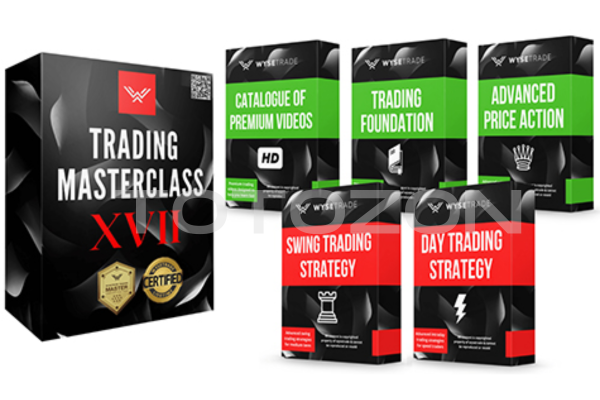 Trading Masterclass XVII with Wysetrade
1 × $6.00
Trading Masterclass XVII with Wysetrade
1 × $6.00 -
×
 ICT Prodigy Trading Course – $650K in Payouts with Alex Solignani
1 × $15.00
ICT Prodigy Trading Course – $650K in Payouts with Alex Solignani
1 × $15.00 -
×
 Capital with Charles D.Ellis
1 × $6.00
Capital with Charles D.Ellis
1 × $6.00 -
×
 Stock Investing Strategies with Maria Crawford Scott, John Bajkowski
1 × $6.00
Stock Investing Strategies with Maria Crawford Scott, John Bajkowski
1 × $6.00 -
×
 ETF Trading Strategies Revealed with David Vomund
1 × $6.00
ETF Trading Strategies Revealed with David Vomund
1 × $6.00 -
×
 Forex Retracement Theory with CopperChips
1 × $6.00
Forex Retracement Theory with CopperChips
1 × $6.00 -
×
 ePass Platinum
1 × $31.00
ePass Platinum
1 × $31.00 -
×
 The Afluent Desktop Currency Trader with Amin Sadak
1 × $6.00
The Afluent Desktop Currency Trader with Amin Sadak
1 × $6.00 -
×
 Day Trading and Swing Trading Futures with Price Action by Humberto Malaspina
1 × $5.00
Day Trading and Swing Trading Futures with Price Action by Humberto Malaspina
1 × $5.00 -
×
 Starting Out in Futures Trading with Mark Powers
1 × $6.00
Starting Out in Futures Trading with Mark Powers
1 × $6.00 -
×
 Dynamic Time Cycles with Peter Eliades
1 × $6.00
Dynamic Time Cycles with Peter Eliades
1 × $6.00 -
×
 The Banker’s Edge Webinar & Extras
1 × $6.00
The Banker’s Edge Webinar & Extras
1 × $6.00 -
×
 Applications of Abstract Algebra with Maple - Richard E.Kline, Neil Sigmon, Ernst Stitzinger
1 × $6.00
Applications of Abstract Algebra with Maple - Richard E.Kline, Neil Sigmon, Ernst Stitzinger
1 × $6.00 -
×
 Dynamic Gann Levels with Don Fisher
1 × $6.00
Dynamic Gann Levels with Don Fisher
1 × $6.00 -
×
 Investing with Exchange Traded Funds Made Easy with Marvin Appel
1 × $6.00
Investing with Exchange Traded Funds Made Easy with Marvin Appel
1 × $6.00 -
×
 Bodhi, Lighthouse, Truckin by Brian James Sklenka
1 × $6.00
Bodhi, Lighthouse, Truckin by Brian James Sklenka
1 × $6.00 -
×
 Trading Course 2024 with ZMC x BMO
1 × $17.00
Trading Course 2024 with ZMC x BMO
1 × $17.00 -
×
 ICT Trading Models with The Prop Trader
1 × $5.00
ICT Trading Models with The Prop Trader
1 × $5.00 -
×
 How to Trade a Vertical Market with Armstrong Economics
1 × $155.00
How to Trade a Vertical Market with Armstrong Economics
1 × $155.00 -
×
 Emini, Forex, Stock Course COMPLETE Series Recorded Seminar 2009 - 49 Modules in 3 DVDs (SpecialistTrading.com)
1 × $78.00
Emini, Forex, Stock Course COMPLETE Series Recorded Seminar 2009 - 49 Modules in 3 DVDs (SpecialistTrading.com)
1 × $78.00 -
×
 Create Your Own ETF Hedge Fund: A Do-It-Yourself ETF Strategy for Private Wealth Management with David Fry
1 × $6.00
Create Your Own ETF Hedge Fund: A Do-It-Yourself ETF Strategy for Private Wealth Management with David Fry
1 × $6.00 -
×
 Contrarian Investment Strategies: The Next Generation with David Dreman
1 × $4.00
Contrarian Investment Strategies: The Next Generation with David Dreman
1 × $4.00 -
×
 Market Tide indicator with Alphashark
1 × $54.00
Market Tide indicator with Alphashark
1 × $54.00 -
×
 Risk Stop Loss and Position Size with Daryl Guppy
1 × $6.00
Risk Stop Loss and Position Size with Daryl Guppy
1 × $6.00 -
×
 An Introduction to Capital Markets with Andrew M.Chisholm
1 × $6.00
An Introduction to Capital Markets with Andrew M.Chisholm
1 × $6.00 -
×
 Active Trading Course Notes with Alan Hull
1 × $6.00
Active Trading Course Notes with Alan Hull
1 × $6.00 -
×
 The Correlation Code with Jason Fielder
1 × $6.00
The Correlation Code with Jason Fielder
1 × $6.00 -
×
 The Best Option Trading Course with David Jaffee - Best Stock Strategy
1 × $15.00
The Best Option Trading Course with David Jaffee - Best Stock Strategy
1 × $15.00 -
×
 Complete Times Course with Afshin Taghechian
1 × $6.00
Complete Times Course with Afshin Taghechian
1 × $6.00 -
×
 Computational Financial Mathematics with Mathematica
1 × $6.00
Computational Financial Mathematics with Mathematica
1 × $6.00 -
×
 Quantitative Trading Strategies (1st Edition) with Lars Kestner
1 × $6.00
Quantitative Trading Strategies (1st Edition) with Lars Kestner
1 × $6.00 -
×
 Electronic Day Traders' Secrets: Learn From the Best of the Best DayTraders with Burton Friedfertig
1 × $6.00
Electronic Day Traders' Secrets: Learn From the Best of the Best DayTraders with Burton Friedfertig
1 × $6.00 -
×
 Startup Trading Masterclass with Jack Gleason
1 × $93.00
Startup Trading Masterclass with Jack Gleason
1 × $93.00 -
×
 Advanced Ichimoku Kinkō Hyō - Ichimoku Cloud Strategy with Rafał Zuchowicz - TopMasterTrader
1 × $17.00
Advanced Ichimoku Kinkō Hyō - Ichimoku Cloud Strategy with Rafał Zuchowicz - TopMasterTrader
1 × $17.00 -
×
 FlowRider Trading Course with Boris Schlossberg and Kathy Lien - Bkforex
1 × $15.00
FlowRider Trading Course with Boris Schlossberg and Kathy Lien - Bkforex
1 × $15.00 -
×
 Generative AI for Asset Managers Workshop Recording with Ernest Chan
1 × $55.00
Generative AI for Asset Managers Workshop Recording with Ernest Chan
1 × $55.00 -
×
 Future Energy with Bill Paul
1 × $6.00
Future Energy with Bill Paul
1 × $6.00 -
×
 The 80% Solution S&P Systems with Bruce Babcock
1 × $6.00
The 80% Solution S&P Systems with Bruce Babcock
1 × $6.00 -
×
 Dan Sheridan Delta Force
1 × $6.00
Dan Sheridan Delta Force
1 × $6.00 -
×
 Order flow self-study training program with iMFtracker
1 × $10.00
Order flow self-study training program with iMFtracker
1 × $10.00 -
×
 Euro Fractal Trading System with Cynthia Marcy, Erol Bortucene
1 × $6.00
Euro Fractal Trading System with Cynthia Marcy, Erol Bortucene
1 × $6.00 -
×
 The Loyalty Effect with Frederick Reichheld
1 × $6.00
The Loyalty Effect with Frederick Reichheld
1 × $6.00 -
×
 The Trading Blueprint with Brad Goh - The Trading Geek
1 × $5.00
The Trading Blueprint with Brad Goh - The Trading Geek
1 × $5.00 -
×
 Algo Wizard Essentials Course with Srategy Quant
1 × $13.00
Algo Wizard Essentials Course with Srategy Quant
1 × $13.00 -
×
 Butterfly and Condor Workshop with Aeromir
1 × $15.00
Butterfly and Condor Workshop with Aeromir
1 × $15.00
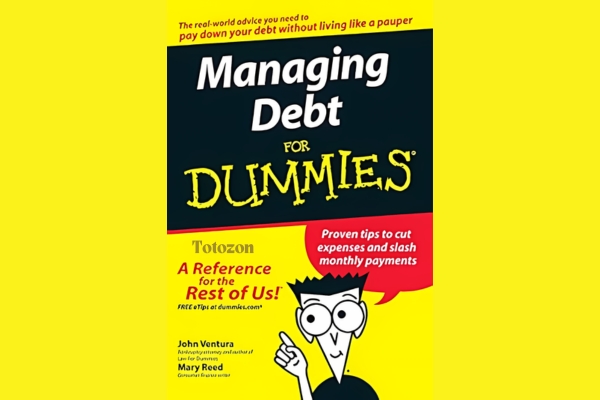
Managing Debt for Dummies with John Ventura
$6.00
File Size: Coming soon!
Delivery Time: 1–12 hours
Media Type: Online Course
Content Proof: Watch Here!
You may check content proof of “Managing Debt for Dummies with John Ventura” below:

Managing Debt for Dummies with John Ventura
Introduction
Debt can be a daunting challenge, but with the right strategies, it is manageable. In Managing Debt for Dummies, John Ventura provides clear, practical advice to help individuals take control of their financial situation. This guide covers essential tips and techniques for managing and reducing debt effectively.
Understanding Debt
What is Debt?
Debt is money borrowed by one party from another. It allows individuals and businesses to make purchases or investments that they could not afford upfront, with the agreement to repay the borrowed amount over time.
Types of Debt
Debt can be categorized into several types, including:
- Secured Debt: Backed by collateral (e.g., mortgages, car loans).
- Unsecured Debt: Not backed by collateral (e.g., credit cards, personal loans).
- Revolving Debt: Can be borrowed, repaid, and borrowed again (e.g., credit cards).
- Installment Debt: Repaid over a set period with fixed payments (e.g., student loans, mortgages).
The Importance of Managing Debt
Financial Stability
Proper debt management ensures financial stability, preventing the accumulation of overwhelming debt that can lead to financial crises.
Credit Score Improvement
Managing debt effectively improves your credit score, which is crucial for obtaining favorable terms on future loans and credit.
Stress Reduction
Effective debt management reduces financial stress, leading to a healthier and more peaceful life.
Assessing Your Debt Situation
Calculate Total Debt
Start by calculating your total debt. This includes all outstanding balances on credit cards, loans, and other debts.
Determine Your Debt-to-Income Ratio
Your debt-to-income ratio (DTI) is a key indicator of your financial health. Calculate it by dividing your monthly debt payments by your monthly gross income.
Review Interest Rates
Review the interest rates on your debts to understand which debts are costing you the most. Prioritizing high-interest debt for repayment can save you money in the long run.
Creating a Debt Management Plan
Set Clear Goals
Define clear and realistic goals for debt repayment. This could include paying off specific debts within a certain timeframe or reducing your overall debt by a set percentage.
Budgeting
Create a budget to manage your income and expenses. Allocate a portion of your income specifically for debt repayment.
Prioritize Debts
Prioritize your debts based on factors such as interest rates and balances. Common strategies include the debt avalanche (paying off highest interest debt first) and the debt snowball (paying off smallest debt first).
Strategies for Paying Off Debt
Debt Consolidation
Debt consolidation involves combining multiple debts into a single loan with a lower interest rate. This simplifies repayment and can reduce interest costs.
Balance Transfer
A balance transfer involves moving high-interest credit card debt to a card with a lower interest rate. Be mindful of any fees and the duration of the lower rate.
Debt Settlement
Debt settlement involves negotiating with creditors to reduce the total amount owed. This can be a viable option for individuals experiencing financial hardship.
Snowball vs. Avalanche Methods
- Debt Snowball: Focus on paying off the smallest debts first to build momentum.
- Debt Avalanche: Focus on paying off debts with the highest interest rates first to minimize interest payments.
Avoiding Common Debt Pitfalls
Overspending
Avoid overspending by sticking to your budget and distinguishing between needs and wants.
Relying on Credit Cards
Limit the use of credit cards to prevent accumulating more debt. Consider using cash or debit cards for everyday purchases.
Ignoring Debt
Ignoring debt won’t make it go away. Address debt issues promptly to prevent them from worsening.
Building Financial Discipline
Track Your Spending
Regularly track your spending to ensure you stay within your budget and identify areas where you can cut back.
Emergency Fund
Build an emergency fund to cover unexpected expenses. This prevents you from relying on credit during financial emergencies.
Financial Education
Continuously educate yourself about personal finance and debt management. Knowledge is a powerful tool in maintaining financial health.
Seeking Professional Help
Credit Counseling
Credit counseling agencies offer services to help you manage your debt. They can assist with budgeting, debt repayment plans, and financial education.
Debt Management Plans
A debt management plan (DMP) involves working with a credit counseling agency to create a structured repayment plan. This can simplify the repayment process and may lower interest rates.
Bankruptcy
As a last resort, bankruptcy can provide relief from overwhelming debt. It has long-term consequences, so it should be considered only after exploring other options.
Conclusion
Managing Debt for Dummies with John Ventura offers a comprehensive approach to taking control of your finances. By understanding your debt, creating a management plan, and employing effective strategies, you can achieve financial stability and peace of mind. Remember, managing debt is a journey, and with the right tools and mindset, you can successfully navigate it.
FAQs
1. What is the best strategy for paying off debt?
The best strategy depends on your situation. The debt avalanche method minimizes interest payments, while the debt snowball method builds momentum.
2. How can I improve my credit score while paying off debt?
Consistently make on-time payments, reduce your credit card balances, and avoid opening new credit accounts.
3. Is debt consolidation a good idea?
Debt consolidation can be beneficial if it reduces your interest rates and simplifies repayment, but it requires discipline to avoid accumulating new debt.
4. When should I consider debt settlement?
Consider debt settlement if you are experiencing financial hardship and cannot keep up with minimum payments. It can reduce the total amount owed but may impact your credit score.
5. How can I avoid getting into debt again?
Stick to a budget, build an emergency fund, limit credit card use, and continually educate yourself about personal finance.
Be the first to review “Managing Debt for Dummies with John Ventura”
You must be logged in to post a review.
Related products

Forex Trading
Original price was: $1,098.00.$39.00Current price is: $39.00.

Forex Trading
Original price was: $249.00.$15.00Current price is: $15.00.

Forex Trading
Original price was: $2,995.00.$31.00Current price is: $31.00.

Forex Trading
Original price was: $797.00.$10.00Current price is: $10.00.

Original price was: $649.00.$20.00Current price is: $20.00.

Forex Trading
Original price was: $125.00.$17.00Current price is: $17.00.

Forex Trading
Original price was: $550.00.$5.00Current price is: $5.00.

Forex Trading
The Complete Guide to Multiple Time Frame Analysis & Reading Price Action with Aiman Almansoori
Original price was: $1,399.00.$13.00Current price is: $13.00.

Forex Trading
Original price was: $239.00.$8.00Current price is: $8.00.

Original price was: $1,200.00.$23.00Current price is: $23.00.

Original price was: $497.00.$11.00Current price is: $11.00.

Original price was: $700.00.$39.00Current price is: $39.00.
Forex Trading
Original price was: $799.00.$15.00Current price is: $15.00.

Original price was: $695.00.$41.00Current price is: $41.00.

Original price was: $299.00.$8.00Current price is: $8.00.

Forex Trading
Quantamentals – The Next Great Forefront Of Trading and Investing with Trading Markets
Original price was: $1,495.00.$8.00Current price is: $8.00.
Original price was: $2,120.00.$15.00Current price is: $15.00.
Forex Trading
Original price was: $1,898.00.$10.00Current price is: $10.00.

Forex Trading
Original price was: $999.00.$15.00Current price is: $15.00.

Original price was: $1,800.00.$54.00Current price is: $54.00.

Reviews
There are no reviews yet.