
-
×
 Trading Economic Data System with CopperChips
1 × $6.00
Trading Economic Data System with CopperChips
1 × $6.00 -
×
 Programming in Python For Traders with Trading Markets
1 × $15.00
Programming in Python For Traders with Trading Markets
1 × $15.00 -
×
 Scalp Strategy and Flipping Small Accounts with Opes Trading Group
1 × $5.00
Scalp Strategy and Flipping Small Accounts with Opes Trading Group
1 × $5.00 -
×
 Forex Trader Package 2010
1 × $15.00
Forex Trader Package 2010
1 × $15.00 -
×
 Adaptation in Sports Training (1995) with Atko Viru
1 × $23.00
Adaptation in Sports Training (1995) with Atko Viru
1 × $23.00 -
×
 CFA Level 2 - Examination Book Afternoon Section (1999)
1 × $6.00
CFA Level 2 - Examination Book Afternoon Section (1999)
1 × $6.00 -
×
 The Box Strategy with Blue Capital Academy
1 × $23.00
The Box Strategy with Blue Capital Academy
1 × $23.00 -
×
 Commitment Workshop for Traders by Adrienne Laris Toghraie
1 × $6.00
Commitment Workshop for Traders by Adrienne Laris Toghraie
1 × $6.00 -
×
 Quantamentals - The Next Great Forefront Of Trading and Investing with Trading Markets
1 × $8.00
Quantamentals - The Next Great Forefront Of Trading and Investing with Trading Markets
1 × $8.00 -
×
 Predators & Profits with Martin Howell & John Bogle
1 × $6.00
Predators & Profits with Martin Howell & John Bogle
1 × $6.00 -
×
 High Rollers Mega Course Bundle - 13 Market Moves
1 × $39.00
High Rollers Mega Course Bundle - 13 Market Moves
1 × $39.00 -
×
 Opening Range Breakout Indicator for ThinkorSwim
1 × $6.00
Opening Range Breakout Indicator for ThinkorSwim
1 × $6.00 -
×
 Peter Borish Online Trader Program
1 × $15.00
Peter Borish Online Trader Program
1 × $15.00 -
×
 Essentials in Quantitative Trading QT01 By HangukQuant's
1 × $23.00
Essentials in Quantitative Trading QT01 By HangukQuant's
1 × $23.00 -
×
 My Favorite Trades – Trading Mastery
1 × $6.00
My Favorite Trades – Trading Mastery
1 × $6.00 -
×
 Trade What You See How To Profit from Pattern Recognition with Larry Pesavento & Leslie Jouflas
1 × $6.00
Trade What You See How To Profit from Pattern Recognition with Larry Pesavento & Leslie Jouflas
1 × $6.00 -
×
 The Indices Orderflow Masterclass with The Forex Scalpers
1 × $23.00
The Indices Orderflow Masterclass with The Forex Scalpers
1 × $23.00 -
×
 Options Trading & Ultimate MasterClass With Tyrone Abela - FX Evolution
1 × $54.00
Options Trading & Ultimate MasterClass With Tyrone Abela - FX Evolution
1 × $54.00 -
×
 Professor Jeff Bierman's 15 Class Bundle (The Professor's Package)
1 × $6.00
Professor Jeff Bierman's 15 Class Bundle (The Professor's Package)
1 × $6.00 -
×
 5-Day Master Trader Program 2022 with Mark Minervini
1 × $31.00
5-Day Master Trader Program 2022 with Mark Minervini
1 × $31.00 -
×
 Profit Generating System with Brian Williams
1 × $6.00
Profit Generating System with Brian Williams
1 × $6.00 -
×
 Master Trader with InvestingSimple
1 × $15.00
Master Trader with InvestingSimple
1 × $15.00 -
×
 The Apple Way with Jeffrey Cruikshank
1 × $6.00
The Apple Way with Jeffrey Cruikshank
1 × $6.00 -
×
 Master Strategies of Super Achievers By Steven Scott
1 × $23.00
Master Strategies of Super Achievers By Steven Scott
1 × $23.00 -
×
 PDFT (Price Driven Forex Trading) Course with Avi Frister
1 × $6.00
PDFT (Price Driven Forex Trading) Course with Avi Frister
1 × $6.00 -
×
 Financial Astrology Course with Brian James Sklenka
1 × $6.00
Financial Astrology Course with Brian James Sklenka
1 × $6.00 -
×
 The Compleat Day Trader with Jake Bernstein
1 × $6.00
The Compleat Day Trader with Jake Bernstein
1 × $6.00 -
×
 Get Rich with Dividends
1 × $6.00
Get Rich with Dividends
1 × $6.00 -
×
 Advanced Scalping Techniques Home Study Course with Sami Abusaad - T3Live
1 × $31.00
Advanced Scalping Techniques Home Study Course with Sami Abusaad - T3Live
1 × $31.00 -
×
 How I Day Trade Course with Traderade
1 × $15.00
How I Day Trade Course with Traderade
1 × $15.00 -
×
 Star Traders Forex Intermediate Course I with Karen Foo
1 × $8.00
Star Traders Forex Intermediate Course I with Karen Foo
1 × $8.00 -
×
 Spread Trading E-Trading Stagionale (Italian) with Joe Ross
1 × $6.00
Spread Trading E-Trading Stagionale (Italian) with Joe Ross
1 × $6.00 -
×
 MorningSwing Method with Austin Passamonte
1 × $6.00
MorningSwing Method with Austin Passamonte
1 × $6.00 -
×
 Stock Cycles with Michael Alexander
1 × $6.00
Stock Cycles with Michael Alexander
1 × $6.00 -
×
 Trading in the Bluff with John Templeton
1 × $6.00
Trading in the Bluff with John Templeton
1 × $6.00 -
×
 Bond Market Course with The Macro Compass
1 × $15.00
Bond Market Course with The Macro Compass
1 × $15.00 -
×
 Short Term Trading. Integrated Pithfork Analysis with Dr. Mircea Dologa
1 × $6.00
Short Term Trading. Integrated Pithfork Analysis with Dr. Mircea Dologa
1 × $6.00 -
×
 Trading double Diagonals 2023 with Dan Sheridan - Sheridan Options Mentoring
1 × $39.00
Trading double Diagonals 2023 with Dan Sheridan - Sheridan Options Mentoring
1 × $39.00 -
×
 Trading by the Book (tradingeducators.com)
1 × $6.00
Trading by the Book (tradingeducators.com)
1 × $6.00 -
×
 Options Academy Elevate with Simon Ree - Tao of Trading
1 × $109.00
Options Academy Elevate with Simon Ree - Tao of Trading
1 × $109.00 -
×
 More on the Short Cycles of Interest Rates (Article) with Arie Melnik, Alan Kraus
1 × $6.00
More on the Short Cycles of Interest Rates (Article) with Arie Melnik, Alan Kraus
1 × $6.00 -
×
 Freedom Challenge Course with Steven Dux
1 × $5.00
Freedom Challenge Course with Steven Dux
1 × $5.00 -
×
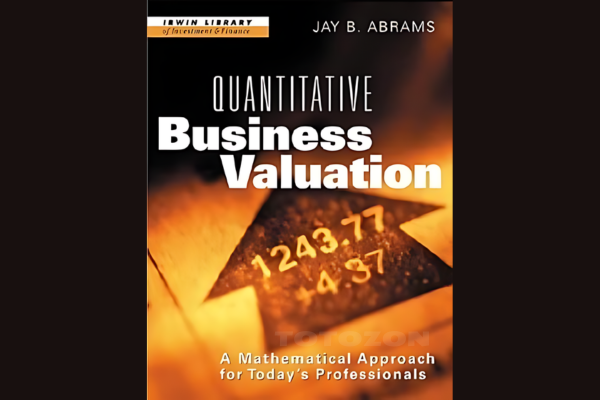 Quantitative Business Valuation with Jay Abrams
1 × $6.00
Quantitative Business Valuation with Jay Abrams
1 × $6.00 -
×
 Best of the Best: Collars with Amy Meissner & Scott Ruble
1 × $15.00
Best of the Best: Collars with Amy Meissner & Scott Ruble
1 × $15.00 -
×
 How You Can Be Right While the Crowd Loses with Jack Bernstein
1 × $6.00
How You Can Be Right While the Crowd Loses with Jack Bernstein
1 × $6.00 -
×
 Trading with Wave59 with Earik Beann
1 × $6.00
Trading with Wave59 with Earik Beann
1 × $6.00 -
×
 Complete Forex Training Series with 4 x Made Easy
1 × $6.00
Complete Forex Training Series with 4 x Made Easy
1 × $6.00 -
×
 Sovereign Man Confidential
1 × $6.00
Sovereign Man Confidential
1 × $6.00 -
×
 Weekly Options Boot Camp with Price Headley
1 × $15.00
Weekly Options Boot Camp with Price Headley
1 × $15.00 -
×
 PRO COURSE Order Flow Strategy with Gova Trading Academy
1 × $5.00
PRO COURSE Order Flow Strategy with Gova Trading Academy
1 × $5.00 -
×
 The Complete Guide to Multiple Time Frame Analysis & Reading Price Action with Aiman Almansoori
1 × $13.00
The Complete Guide to Multiple Time Frame Analysis & Reading Price Action with Aiman Almansoori
1 × $13.00 -
×
 Sure Fire Forex Trading with Mark McRae
1 × $6.00
Sure Fire Forex Trading with Mark McRae
1 × $6.00 -
×
 Gillen Predicts with Jack Gillen
1 × $6.00
Gillen Predicts with Jack Gillen
1 × $6.00 -
×
 The Bare Essentials Of Investing: Teaching The Horse To Talk with Harold Bierman
1 × $6.00
The Bare Essentials Of Investing: Teaching The Horse To Talk with Harold Bierman
1 × $6.00 -
×
 $20 – 52k 20 pips a day challange with Rafał Zuchowicz - TopMasterTrader
1 × $5.00
$20 – 52k 20 pips a day challange with Rafał Zuchowicz - TopMasterTrader
1 × $5.00 -
×
 ICT Prodigy Trading Course – $650K in Payouts with Alex Solignani
1 × $15.00
ICT Prodigy Trading Course – $650K in Payouts with Alex Solignani
1 × $15.00
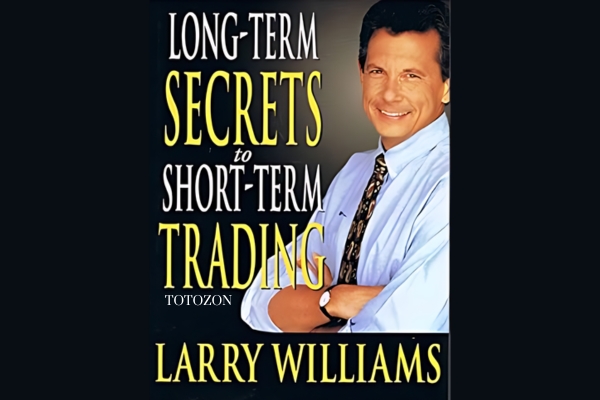
Long-Term Secrets to Short-Term Trading with Larry Williams
$6.00
File Size: Coming soon!
Delivery Time: 1–12 hours
Media Type: Online Course
Content Proof: Watch Here!
You may check content proof of “Long-Term Secrets to Short-Term Trading with Larry Williams” below:
Long-Term Secrets to Short-Term Trading with Larry Williams
Short-term trading can be a challenging yet highly rewarding endeavor. Larry Williams, a legendary trader, has shared his insights on mastering short-term trading with long-term success. In this article, we will explore Williams’ strategies, offering practical advice to help you achieve consistent profitability in short-term trading.
Understanding Larry Williams’ Approach
Who is Larry Williams?
Larry Williams is a renowned trader and author with decades of experience in the financial markets. Known for his innovative strategies and tools, Williams has helped countless traders improve their market performance.
The Core Philosophy
Williams’ approach to short-term trading emphasizes the importance of technical analysis, market sentiment, and disciplined risk management. His strategies focus on identifying high-probability trading opportunities and executing trades with precision.
Key Principles of Short-Term Trading
Technical Analysis
Technical analysis is the foundation of Williams’ trading strategies. By examining historical price data and chart patterns, traders can predict future market movements and identify optimal entry and exit points.
Market Sentiment
Understanding market sentiment is crucial for making informed trading decisions. Sentiment indicators can reveal whether the market is predominantly bullish or bearish, guiding trading strategies.
Risk Management
Effective risk management is essential in short-term trading. Williams emphasizes the importance of setting stop-loss orders and managing position sizes to protect capital.
Steps to Successful Short-Term Trading
Step 1: Develop a Trading Plan
A well-defined trading plan is crucial for success. It should outline your trading goals, risk tolerance, and the strategies you will use to achieve your objectives.
Elements of a Good Trading Plan
- Goals: Define your short-term trading goals.
- Risk Management: Determine how much risk you are willing to take on each trade.
- Strategies: Outline the specific trading strategies you will employ.
Step 2: Analyze Technical Indicators
Use technical indicators to analyze market conditions and identify potential trading opportunities.
Key Technical Indicators
- Moving Averages: Identify trends and potential buy/sell signals.
- Relative Strength Index (RSI): Gauge overbought or oversold conditions.
- MACD (Moving Average Convergence Divergence): Detect changes in momentum.
- Stochastic Oscillator: Identify potential reversals.
Step 3: Assess Market Sentiment
Evaluate market sentiment to understand the broader market context. Sentiment indicators can provide additional confirmation for your trades.
Sentiment Indicators
- Volatility Index (VIX): Measures market volatility and fear.
- Put/Call Ratio: Indicates bullish or bearish sentiment.
- Investor Sentiment Surveys: Gauge investor confidence.
Step 4: Utilize Proprietary Indicators
Incorporate Larry Williams’ proprietary indicators into your analysis to gain deeper insights into market behavior.
Williams’ Proprietary Indicators
- Williams %R: Measures overbought and oversold levels.
- Commitment of Traders (COT) Report: Tracks the positions of major market participants.
- Seasonal Patterns: Identifies times of the year when markets historically perform well.
Step 5: Execute Trades with Discipline
Execute your trades according to your trading plan and the insights gained from your analysis. Discipline is key to successful short-term trading.
Step 6: Monitor and Adjust
Regularly monitor your trades and the market conditions. Be prepared to adjust your strategies as needed based on new information.
Practical Tips for Better Short-Term Trading
Stay Informed
Keep up with the latest market news and events. Staying informed helps you anticipate market movements and make timely decisions.
Focus on High-Volume Stocks
High-volume stocks offer better liquidity and are more likely to experience significant price movements. Focus on these stocks for better trading opportunities.
Use Stop-Loss Orders
Implementing stop-loss orders can protect your investments from substantial losses. This risk management tool helps safeguard your capital.
Diversify Your Trades
Diversifying your trades across different sectors and asset classes can reduce risk and increase your chances of success.
Keep a Trading Journal
Maintaining a trading journal helps you track your trades, analyze your performance, and identify areas for improvement.
Common Mistakes to Avoid
Overtrading
Trading too frequently can lead to higher transaction costs and increased risk. Stick to your trading plan and avoid the temptation to overtrade.
Ignoring Risk Management
Effective risk management is crucial for long-term success. Always use stop-loss orders and never risk more than you can afford to lose on a single trade.
Failing to Learn from Mistakes
Every trader makes mistakes. The key is to learn from them and continuously improve your strategies.
Conclusion
Short-term trading with Larry Williams’ strategies involves a combination of technical analysis, market sentiment, and disciplined risk management. By developing a solid trading plan, staying disciplined, and continuously refining your approach, you can enhance your trading success. Remember to manage risk effectively, stay informed, and use a combination of tools and indicators to make well-informed decisions.
FAQs
1. Who is Larry Williams?
- Larry Williams is a renowned trader known for his innovative trading strategies and contributions to financial literature.
2. What are the key elements of a good trading plan?
- A good trading plan includes clear goals, risk management strategies, and specific trading strategies.
3. Why is market sentiment important in trading?
- Market sentiment provides insights into investor confidence and overall market mood, influencing stock movements.
4. What are some key technical indicators to use in short-term trading?
- Key technical indicators include moving averages, RSI, MACD, and the stochastic oscillator, which help identify trends and potential buy/sell signals.
5. How can stop-loss orders help in short-term trading?
- Stop-loss orders help manage risk by automatically selling a stock if it reaches a predetermined price, protecting against significant losses.
Be the first to review “Long-Term Secrets to Short-Term Trading with Larry Williams”
You must be logged in to post a review.
Related products

Forex Trading
Original price was: $2,997.00.$23.00Current price is: $23.00.
Original price was: $999.00.$5.00Current price is: $5.00.
Original price was: $1,800.00.$54.00Current price is: $54.00.

Original price was: $649.00.$20.00Current price is: $20.00.

Forex Trading
Original price was: $1,898.00.$10.00Current price is: $10.00.

Original price was: $895.00.$15.00Current price is: $15.00.

Forex Trading
Original price was: $999.00.$15.00Current price is: $15.00.
Original price was: $197.00.$5.00Current price is: $5.00.
Forex Trading
Original price was: $499.00.$15.00Current price is: $15.00.
Forex Trading
Original price was: $850.00.$23.00Current price is: $23.00.

Forex Trading
Original price was: $125.00.$17.00Current price is: $17.00.

Original price was: $1,200.00.$23.00Current price is: $23.00.

Original price was: $299.00.$8.00Current price is: $8.00.

Forex Trading
Original price was: $550.00.$5.00Current price is: $5.00.
Original price was: $799.00.$15.00Current price is: $15.00.

Original price was: $695.00.$41.00Current price is: $41.00.

Original price was: $4,995.00.$15.00Current price is: $15.00.

Forex Trading
Original price was: $239.00.$8.00Current price is: $8.00.
Forex Trading
The Complete Guide to Multiple Time Frame Analysis & Reading Price Action with Aiman Almansoori
Original price was: $1,399.00.$13.00Current price is: $13.00.

Forex Trading
Original price was: $397.00.$31.00Current price is: $31.00.
Reviews
There are no reviews yet.