
-
×
 Hands On Training Bundle with Talkin Options
1 × $23.00
Hands On Training Bundle with Talkin Options
1 × $23.00 -
×
 Power Charting - Robert’s Indicator Webinar
1 × $6.00
Power Charting - Robert’s Indicator Webinar
1 × $6.00 -
×
 Small Stocks for Big Profits: Generate Spectacular Returns by Investing in Up-and-Coming Companies with George Angell
1 × $6.00
Small Stocks for Big Profits: Generate Spectacular Returns by Investing in Up-and-Coming Companies with George Angell
1 × $6.00 -
×
 Professional Sniper FX
1 × $6.00
Professional Sniper FX
1 × $6.00 -
×
 The Naked Eye: Raw Data Analytics with Edgar Torres - Raw Data Analytics
1 × $8.00
The Naked Eye: Raw Data Analytics with Edgar Torres - Raw Data Analytics
1 × $8.00 -
×
 Wall Street Stories with Edwin Lefevre
1 × $6.00
Wall Street Stories with Edwin Lefevre
1 × $6.00 -
×
 The Janus Factor with Gary Anderson
1 × $6.00
The Janus Factor with Gary Anderson
1 × $6.00 -
×
 Stock Selection Course with Dave Landry
1 × $6.00
Stock Selection Course with Dave Landry
1 × $6.00 -
×
 Big Money Little Effort with Mark Shipman
1 × $6.00
Big Money Little Effort with Mark Shipman
1 × $6.00 -
×
 Elliott Wave Simplified with Clif Droke
1 × $6.00
Elliott Wave Simplified with Clif Droke
1 × $6.00 -
×
 Intro to Fibonacci Trading with Neal Hughes
1 × $6.00
Intro to Fibonacci Trading with Neal Hughes
1 × $6.00 -
×
 Elliott Wave Street Course with Juan Maldonado
1 × $17.00
Elliott Wave Street Course with Juan Maldonado
1 × $17.00 -
×
 Stock Patterns for Day Trading Home Study Course
1 × $23.00
Stock Patterns for Day Trading Home Study Course
1 × $23.00 -
×
 Technician’s Guide to Day and Swing Trading with Martin Pring
1 × $6.00
Technician’s Guide to Day and Swing Trading with Martin Pring
1 × $6.00 -
×
 The Best of the Professional Traders Journal: Options Trading and Volatility Trading with Larry Connors
1 × $6.00
The Best of the Professional Traders Journal: Options Trading and Volatility Trading with Larry Connors
1 × $6.00 -
×
 Directional Option Strategies for Swing and Day Trading with Dan Gibby - Master Trader
1 × $54.00
Directional Option Strategies for Swing and Day Trading with Dan Gibby - Master Trader
1 × $54.00 -
×
 Portfolio Management using Machine Learning: Hierarchical Risk Parity
1 × $39.00
Portfolio Management using Machine Learning: Hierarchical Risk Parity
1 × $39.00 -
×
 Aspectos Generales del Mercado de Valores with A.Bachiller
1 × $6.00
Aspectos Generales del Mercado de Valores with A.Bachiller
1 × $6.00 -
×
 The LP Trading Course
1 × $13.00
The LP Trading Course
1 × $13.00 -
×
 Signals
1 × $6.00
Signals
1 × $6.00 -
×
 Crystal Ball Pack PLUS bonus Live Trade By Pat Mitchell - Trick Trades
1 × $20.00
Crystal Ball Pack PLUS bonus Live Trade By Pat Mitchell - Trick Trades
1 × $20.00 -
×
 Harmonic Pattern Detection Indicator
1 × $6.00
Harmonic Pattern Detection Indicator
1 × $6.00 -
×
 War Room Psychology Vol. 1 with Pat Mitchell – Trick Trades
1 × $23.00
War Room Psychology Vol. 1 with Pat Mitchell – Trick Trades
1 × $23.00 -
×
 The Complete Guide To Futures & Commodities Trading with Stephen Jennings
1 × $6.00
The Complete Guide To Futures & Commodities Trading with Stephen Jennings
1 × $6.00 -
×
 The Blueprint for Successful Stock Trading with Jeff Tompkins
1 × $6.00
The Blueprint for Successful Stock Trading with Jeff Tompkins
1 × $6.00 -
×
 Introduction to Stocks & Forex
1 × $15.00
Introduction to Stocks & Forex
1 × $15.00 -
×
 Trade What You See, Not What You Believe with Larry Pesavento
1 × $6.00
Trade What You See, Not What You Believe with Larry Pesavento
1 × $6.00 -
×
 Cheat Code Trading System
1 × $13.00
Cheat Code Trading System
1 × $13.00 -
×
 How to Find a Trading Strategy with Mike Baehr
1 × $124.00
How to Find a Trading Strategy with Mike Baehr
1 × $124.00 -
×
 Jim Rickards Intelligence Triggers with Agora Financial
1 × $5.00
Jim Rickards Intelligence Triggers with Agora Financial
1 × $5.00 -
×
 The Indices Orderflow Masterclass with The Forex Scalpers
1 × $23.00
The Indices Orderflow Masterclass with The Forex Scalpers
1 × $23.00 -
×
 Unsorted Articles about the Psychology of Trading with Brett N.Steenbarger
1 × $6.00
Unsorted Articles about the Psychology of Trading with Brett N.Steenbarger
1 × $6.00 -
×
 Building Automated Trading Systems C++.NET with Benjamin Van Vliet
1 × $6.00
Building Automated Trading Systems C++.NET with Benjamin Van Vliet
1 × $6.00 -
×
 Trade Like a Stock Market Wizard with Mark Minervini
1 × $6.00
Trade Like a Stock Market Wizard with Mark Minervini
1 × $6.00 -
×
 Sacredscience - Sepharial – Your Personal Diurnal Chart
1 × $6.00
Sacredscience - Sepharial – Your Personal Diurnal Chart
1 × $6.00 -
×
 Activedaytrader - Workshop: Practical Money Management
1 × $23.00
Activedaytrader - Workshop: Practical Money Management
1 × $23.00 -
×
 Simpler Options - Stock Trading Patterns
1 × $6.00
Simpler Options - Stock Trading Patterns
1 × $6.00 -
×
 Annual Forecast Reports - Forecast 2023 with Larry Williams
1 × $8.00
Annual Forecast Reports - Forecast 2023 with Larry Williams
1 × $8.00 -
×
 Forex Master Levels with Nicola Delic
1 × $15.00
Forex Master Levels with Nicola Delic
1 × $15.00 -
×
 The NDX100 Momo Stock Portfolio Trading System with Backtest Wizard
1 × $6.00
The NDX100 Momo Stock Portfolio Trading System with Backtest Wizard
1 × $6.00 -
×
 Secret Forex Society Economic Reports (2006-2007) with Felix Homogratus
1 × $6.00
Secret Forex Society Economic Reports (2006-2007) with Felix Homogratus
1 × $6.00 -
×
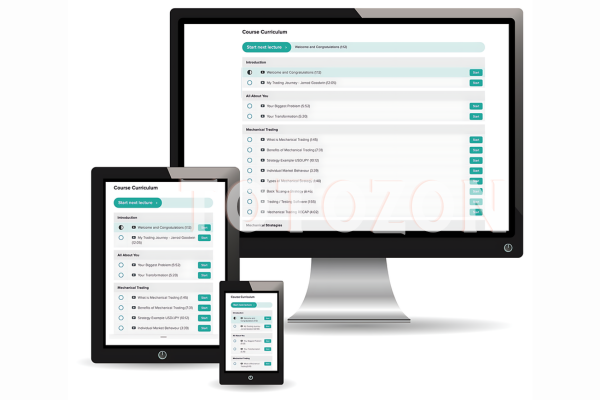 Road to consistent profits (Dec 2022) with Jarrod Goodwin - Trading Halls of Knowledge
1 × $31.00
Road to consistent profits (Dec 2022) with Jarrod Goodwin - Trading Halls of Knowledge
1 × $31.00 -
×
 Combo 4 New Courses From AmiBroker
1 × $54.00
Combo 4 New Courses From AmiBroker
1 × $54.00 -
×
 Winning – Zodiacal Timing Revised 1980 with Joyce Wehrman
1 × $6.00
Winning – Zodiacal Timing Revised 1980 with Joyce Wehrman
1 × $6.00 -
×
 AI For Traders with Trading Markets
1 × $31.00
AI For Traders with Trading Markets
1 × $31.00 -
×
 Raghee Horner - Submarket Sonar - Live Trading + Indicator
1 × $39.00
Raghee Horner - Submarket Sonar - Live Trading + Indicator
1 × $39.00 -
×
 From Zero to Trading e-Book with Jermaine McGruder
1 × $15.00
From Zero to Trading e-Book with Jermaine McGruder
1 × $15.00 -
×
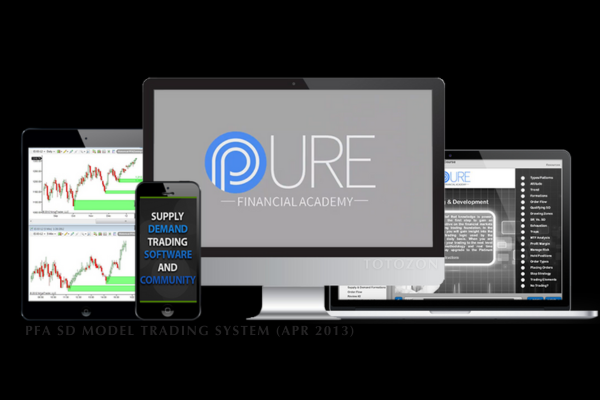 PFA SD Model Trading System (Apr 2013)
1 × $31.00
PFA SD Model Trading System (Apr 2013)
1 × $31.00 -
×
 Trading Course 2024 with ZMC x BMO
1 × $17.00
Trading Course 2024 with ZMC x BMO
1 × $17.00 -
×
 Option Strategies with Courtney Smith
1 × $6.00
Option Strategies with Courtney Smith
1 × $6.00 -
×
 Trade The Price Action with Thomas Wood (Valuecharts)
1 × $15.00
Trade The Price Action with Thomas Wood (Valuecharts)
1 × $15.00 -
×
 One Shot One Kill Trading with John Netto
1 × $6.00
One Shot One Kill Trading with John Netto
1 × $6.00 -
×
 ICT Prodigy Trading Course – $650K in Payouts with Alex Solignani
1 × $15.00
ICT Prodigy Trading Course – $650K in Payouts with Alex Solignani
1 × $15.00 -
×
 Risk Management with Aswath Damodaran
1 × $6.00
Risk Management with Aswath Damodaran
1 × $6.00 -
×
 Trading The Nasdaq Seminar with Alan Rich
1 × $6.00
Trading The Nasdaq Seminar with Alan Rich
1 × $6.00 -
×
 Crypto Trading Academy with Cheeky Investor - Aussie Day Trader
1 × $13.00
Crypto Trading Academy with Cheeky Investor - Aussie Day Trader
1 × $13.00 -
×
 Foundations Of Stocks And Options (2015) with TradeSmart University
1 × $5.00
Foundations Of Stocks And Options (2015) with TradeSmart University
1 × $5.00 -
×
 Forex Strategy Master
1 × $31.00
Forex Strategy Master
1 × $31.00 -
×
 The 1st Leveraged ETF Trading Strategies Workshop
1 × $54.00
The 1st Leveraged ETF Trading Strategies Workshop
1 × $54.00 -
×
 Lazy Gap Trader Course with David Frost
1 × $6.00
Lazy Gap Trader Course with David Frost
1 × $6.00 -
×
 Pristine - Greg Capra – Sentiment Internal Indicators. Winning Swing & Position Trading
1 × $6.00
Pristine - Greg Capra – Sentiment Internal Indicators. Winning Swing & Position Trading
1 × $6.00 -
×
 Trading Full Circle the Complete Underground Trader System for Timing with Jea Yu
1 × $6.00
Trading Full Circle the Complete Underground Trader System for Timing with Jea Yu
1 × $6.00 -
×
 George Wollsten: Expert Stock and Grain Trader with George Bayer
1 × $6.00
George Wollsten: Expert Stock and Grain Trader with George Bayer
1 × $6.00 -
×
 A Day Trading Guide
1 × $54.00
A Day Trading Guide
1 × $54.00 -
×
 White Phoenix’s The Smart (Money) Approach to Trading with Jayson Casper
1 × $39.00
White Phoenix’s The Smart (Money) Approach to Trading with Jayson Casper
1 × $39.00 -
×
 High Probability Continuation and Reversal Patterns
1 × $23.00
High Probability Continuation and Reversal Patterns
1 × $23.00 -
×
 Technical Analysis By JC Parets - Investopedia Academy
1 × $15.00
Technical Analysis By JC Parets - Investopedia Academy
1 × $15.00 -
×
 FOUS4 with Cameron Fous
1 × $5.00
FOUS4 with Cameron Fous
1 × $5.00 -
×
 All About Stocks (3rd Ed.) withEsme E.Faerber
1 × $6.00
All About Stocks (3rd Ed.) withEsme E.Faerber
1 × $6.00 -
×
 Practical Approach to Amibroker Backtesting with Rajandran R
1 × $6.00
Practical Approach to Amibroker Backtesting with Rajandran R
1 × $6.00 -
×
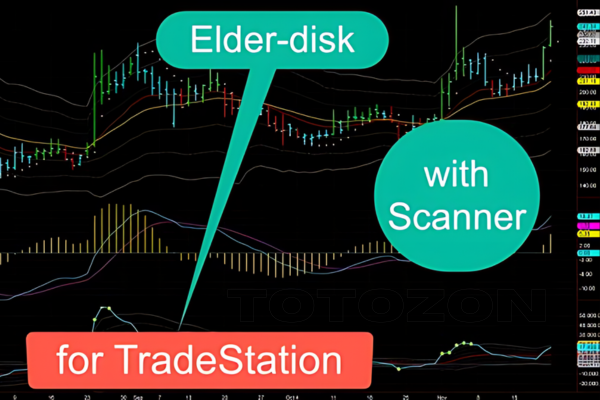 Elder-disk for TradeStation, enhanced with a MACD scanner
1 × $54.00
Elder-disk for TradeStation, enhanced with a MACD scanner
1 × $54.00 -
×
 Essentials in Quantitative Trading QT01 By HangukQuant's
1 × $23.00
Essentials in Quantitative Trading QT01 By HangukQuant's
1 × $23.00
The Liquidity Theory of Asset Prices with Gordon Pepper & Michael Oliver
Original price was: $91.00.$6.00Current price is: $6.00.
File Size: Coming soon!
Delivery Time: 1–12 hours
Media Type: Online Course
The Liquidity Theory of Asset Prices with Gordon Pepper & Michael Oliver
In the ever-evolving field of financial markets, understanding the dynamics that drive asset prices is crucial. Gordon Pepper and Michael Oliver, through their seminal work on the liquidity theory of asset prices, offer profound insights that illuminate how liquidity—or the lack thereof—can significantly impact asset valuations. This article delves into their theory, exploring its key components, practical implications, and its relevance in today’s financial landscape.
Introduction to Liquidity Theory
Liquidity theory posits that the availability of liquid assets in the market can dramatically influence asset prices. Let’s unpack this concept to see how it applies to both traditional and contemporary markets.
What is Liquidity?
Simply put, liquidity refers to the ease with which an asset can be bought or sold in the market without affecting its price. High liquidity occurs when there are many buyers and sellers and transactions can occur quickly and at predictable prices.
Core Principles of Liquidity Theory
Gordon Pepper and Michael Oliver suggest that liquidity is not just a market feature but a central driver of asset price movements. This perspective shifts the focus from pure supply and demand dynamics to the availability of cash and liquid assets.
Key Aspects of the Liquidity Theory
The liquidity theory of asset prices encompasses several key aspects that are critical for traders and investors to understand.
Impact of Market Liquidity on Asset Prices
- Price Sensitivity: Assets in a liquid market are less prone to sharp price swings.
- Transaction Volume and Price Movement: Higher transaction volumes typically lead to more stable prices.
The Role of Central Banks
Central banks play a crucial role by affecting liquidity through monetary policy. Their decisions can lead to significant market movements.
Applying Liquidity Theory in Various Markets
Equity Markets
In equity markets, liquidity can determine the volatility of stock prices. During periods of high liquidity, stocks are generally less volatile.
Bond Markets
For bond markets, liquidity affects yields and bond prices inversely. More liquidity generally means lower yields and higher prices.
Real Estate and Illiquid Assets
In less liquid markets, such as real estate, prices are more sensitive to changes in liquidity.
Liquidity and Market Sentiment
Market sentiment can both influence and be influenced by liquidity. A positive market sentiment can increase liquidity as more participants engage in trading, thereby stabilizing prices.
Indicators of Liquidity
- Bid-Ask Spread: A lower spread typically indicates higher liquidity.
- Market Depth: Measures how orders at different prices are affecting the market.
Challenges and Considerations
While liquidity theory provides a robust framework, it comes with challenges:
- Prediction Limitations: Liquidity can be highly variable and difficult to predict.
- External Shocks: Sudden financial events can disrupt market liquidity.
Conclusion
The liquidity theory of asset prices, as presented by Gordon Pepper and Michael Oliver, offers invaluable insights into the mechanics of financial markets. By understanding the nuances of liquidity, investors and traders can better navigate the complexities of market dynamics.
FAQs About Liquidity Theory
- What is the best indicator of liquidity in the market?
- The bid-ask spread is often considered one of the most straightforward indicators of market liquidity.
- How does liquidity affect small-cap stocks?
- Small-cap stocks, typically having lower liquidity, are more vulnerable to large price swings due to the imbalance of buy and sell orders.
- Can liquidity theory be applied to cryptocurrency markets?
- Yes, liquidity is a critical factor in the cryptocurrency markets, affecting both price stability and the ability to execute large transactions without significant price impacts.
- What role do hedge funds play in market liquidity?
- Hedge funds can both provide and remove liquidity, depending on their trading strategies. They often increase liquidity by adding more transactions to the market.
- How can investors protect themselves from liquidity risk?
- Diversification and maintaining a portion of the portfolio in highly liquid assets can help mitigate liquidity risk.
Be the first to review “The Liquidity Theory of Asset Prices with Gordon Pepper & Michael Oliver”
You must be logged in to post a review.
Related products

Forex Trading
Original price was: $125.00.$17.00Current price is: $17.00.

Forex Trading
Original price was: $999.00.$15.00Current price is: $15.00.

Forex Trading
Original price was: $239.00.$8.00Current price is: $8.00.
Original price was: $700.00.$39.00Current price is: $39.00.

Forex Trading
Original price was: $397.00.$31.00Current price is: $31.00.

Forex Trading
Original price was: $2,000.00.$23.00Current price is: $23.00.

Forex Trading
Original price was: $799.00.$15.00Current price is: $15.00.

Forex Trading
Original price was: $4,997.00.$27.00Current price is: $27.00.

Forex Trading
Original price was: $797.00.$10.00Current price is: $10.00.

Forex Trading
The Complete Guide to Multiple Time Frame Analysis & Reading Price Action with Aiman Almansoori
Original price was: $1,399.00.$13.00Current price is: $13.00.

Original price was: $197.00.$5.00Current price is: $5.00.

Original price was: $799.00.$15.00Current price is: $15.00.

Original price was: $4,995.00.$15.00Current price is: $15.00.

Original price was: $999.00.$5.00Current price is: $5.00.
Forex Trading
Original price was: $850.00.$23.00Current price is: $23.00.

Original price was: $1,800.00.$54.00Current price is: $54.00.

Original price was: $139.00.$23.00Current price is: $23.00.
Forex Trading
Original price was: $2,995.00.$31.00Current price is: $31.00.

Original price was: $895.00.$15.00Current price is: $15.00.

Original price was: $1,200.00.$23.00Current price is: $23.00.

Reviews
There are no reviews yet.