
-
×
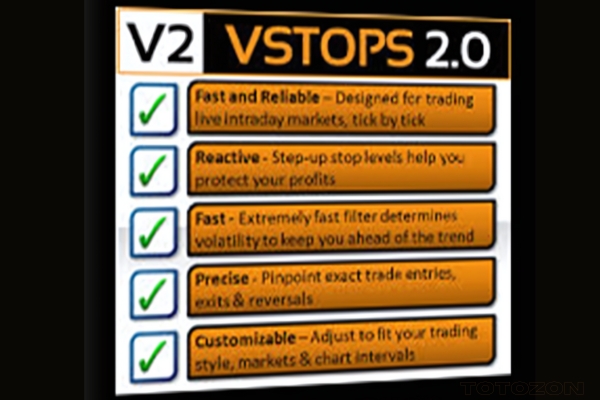 VSTOPS ProTrader Strategy (Nov 2013)
1 × $6.00
VSTOPS ProTrader Strategy (Nov 2013)
1 × $6.00 -
×
 Tradingmarkets - Introduction to AmiBroker Programming
1 × $15.00
Tradingmarkets - Introduction to AmiBroker Programming
1 × $15.00 -
×
 Scalp Strategy and Flipping Small Accounts with Opes Trading Group
1 × $5.00
Scalp Strategy and Flipping Small Accounts with Opes Trading Group
1 × $5.00 -
×
 We Fund Traders - The Whale Order
1 × $5.00
We Fund Traders - The Whale Order
1 × $5.00 -
×
 Dan Sheridan Options Mentoring Weekly Webinars
1 × $6.00
Dan Sheridan Options Mentoring Weekly Webinars
1 × $6.00 -
×
 Mindover Markets Enhanced: The Intensive Series 2 with Jim Dalton
1 × $20.00
Mindover Markets Enhanced: The Intensive Series 2 with Jim Dalton
1 × $20.00 -
×
 WITS Turbo Seminars with Brian James Sklenka
1 × $6.00
WITS Turbo Seminars with Brian James Sklenka
1 × $6.00 -
×
 ZipTraderU 2022 - Your Map To The Stock Market with ZipTrader
1 × $69.00
ZipTraderU 2022 - Your Map To The Stock Market with ZipTrader
1 × $69.00 -
×
 CHARTCHAMPIONS Course
1 × $10.00
CHARTCHAMPIONS Course
1 × $10.00 -
×
 Analysis & Interpretation in Qualitative Market Research with Gill Ereaut
1 × $6.00
Analysis & Interpretation in Qualitative Market Research with Gill Ereaut
1 × $6.00 -
×
 Butterfly and Condor Workshop with Aeromir
1 × $15.00
Butterfly and Condor Workshop with Aeromir
1 × $15.00 -
×
 The Guerrilla Online Video Course with Guerrilla Trading
1 × $5.00
The Guerrilla Online Video Course with Guerrilla Trading
1 × $5.00 -
×
 Trading Blox Builder 4.3.2.1
1 × $31.00
Trading Blox Builder 4.3.2.1
1 × $31.00 -
×
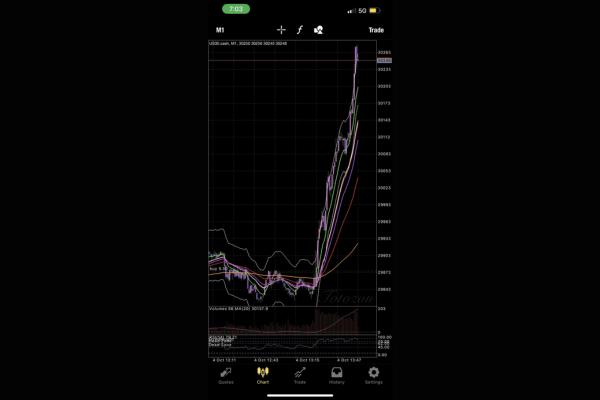 Cheatcode Trend System with Dominique Woodson
1 × $15.00
Cheatcode Trend System with Dominique Woodson
1 × $15.00 -
×
 DynaRange® (PREMIUM)
1 × $78.00
DynaRange® (PREMIUM)
1 × $78.00 -
×
 The Motley Fool Million Dollar Portfolio: How to Build and Grow a Panic-Proof Investment Portfolio with David Gardner & Tom Gardner
1 × $6.00
The Motley Fool Million Dollar Portfolio: How to Build and Grow a Panic-Proof Investment Portfolio with David Gardner & Tom Gardner
1 × $6.00 -
×
 The EAP Training Program (Apr 2019)
1 × $6.00
The EAP Training Program (Apr 2019)
1 × $6.00 -
×
 Quantamentals - The Next Great Forefront Of Trading and Investing with Trading Markets
1 × $8.00
Quantamentals - The Next Great Forefront Of Trading and Investing with Trading Markets
1 × $8.00 -
×
 Tick By Tick By Alphonso Esposito - TradeSmart
1 × $6.00
Tick By Tick By Alphonso Esposito - TradeSmart
1 × $6.00 -
×
 Order Flow Trader Education
1 × $15.00
Order Flow Trader Education
1 × $15.00 -
×
 Trend Following: How Great Traders Make Millions in Up or Down Markets with Michael Covel
1 × $6.00
Trend Following: How Great Traders Make Millions in Up or Down Markets with Michael Covel
1 × $6.00 -
×
 Becoming a Disciplined Trader: Techniques for Achieving Peak Trading Performance with Ari Kiev
1 × $6.00
Becoming a Disciplined Trader: Techniques for Achieving Peak Trading Performance with Ari Kiev
1 × $6.00 -
×
 New Generation Market Profile (May 2014)
1 × $15.00
New Generation Market Profile (May 2014)
1 × $15.00 -
×
 Electronic Trading "TNT" II How - To Win Trading Stuff with Joe Ross & Mark Cherlin
1 × $6.00
Electronic Trading "TNT" II How - To Win Trading Stuff with Joe Ross & Mark Cherlin
1 × $6.00 -
×
 Real Motion Trading with MarketGauge
1 × $62.00
Real Motion Trading with MarketGauge
1 × $62.00 -
×
 How To Read The Market Professionally with TradeSmart
1 × $27.00
How To Read The Market Professionally with TradeSmart
1 × $27.00 -
×
 ART Trading - Fine Tuning Your Money Management Skills & Controlling Your Trade Risk
1 × $15.00
ART Trading - Fine Tuning Your Money Management Skills & Controlling Your Trade Risk
1 × $15.00 -
×
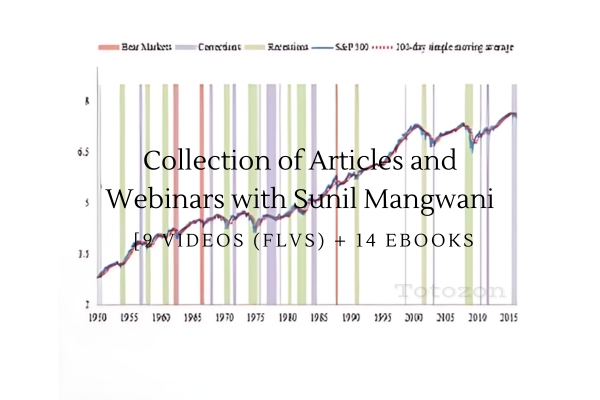 Collection of Articles and Webinars with Sunil Mangwani [9 Videos (FLVs) + 14 eBooks
1 × $6.00
Collection of Articles and Webinars with Sunil Mangwani [9 Videos (FLVs) + 14 eBooks
1 × $6.00 -
×
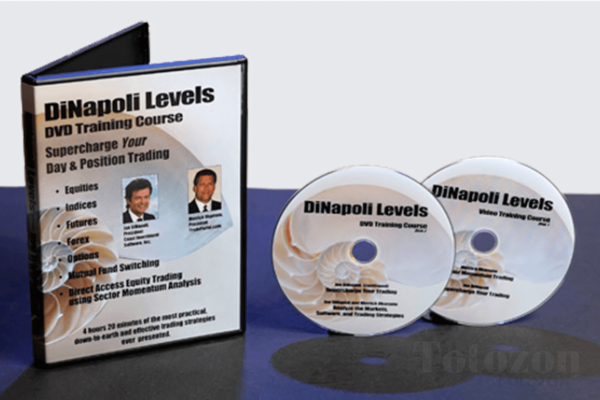 Day & Position Trading Using DiNapoli Levels with Joe Dinapoli & Merrick Okamoto
1 × $6.00
Day & Position Trading Using DiNapoli Levels with Joe Dinapoli & Merrick Okamoto
1 × $6.00 -
×
 Profitable Binary Options Strategies
1 × $5.00
Profitable Binary Options Strategies
1 × $5.00 -
×
 Trading Halls Of Knowledge - Road to Consistent Trading Profits with Jarrod Goodwin
1 × $6.00
Trading Halls Of Knowledge - Road to Consistent Trading Profits with Jarrod Goodwin
1 × $6.00 -
×
 War Room Technicals Vol. 4 with Pat Mitchell – Trick Trades
1 × $6.00
War Room Technicals Vol. 4 with Pat Mitchell – Trick Trades
1 × $6.00 -
×
 Bear Market Strategies eLearning Course - Kirk - Van Tharp Institute
1 × $85.00
Bear Market Strategies eLearning Course - Kirk - Van Tharp Institute
1 × $85.00 -
×
 AstroFX Course
1 × $6.00
AstroFX Course
1 × $6.00 -
×
 THE HARMONIC ELLIOTT WAVE VIDEO WEBINAR with Ian Copsey
1 × $23.00
THE HARMONIC ELLIOTT WAVE VIDEO WEBINAR with Ian Copsey
1 × $23.00 -
×
 Computerized Trading. Maximizing Day Trading and Overnight Profits with Mark Jurik
1 × $6.00
Computerized Trading. Maximizing Day Trading and Overnight Profits with Mark Jurik
1 × $6.00 -
×
 The Best Option Trading Course with David Jaffee - Best Stock Strategy
1 × $15.00
The Best Option Trading Course with David Jaffee - Best Stock Strategy
1 × $15.00 -
×
 Cluster Delta with Gova Trading Academy
1 × $5.00
Cluster Delta with Gova Trading Academy
1 × $5.00 -
×
 Trade Like Warren Buffett with James Altucher
1 × $6.00
Trade Like Warren Buffett with James Altucher
1 × $6.00 -
×
 Manage By The Greeks 2016 with Dan Sheridan
1 × $23.00
Manage By The Greeks 2016 with Dan Sheridan
1 × $23.00 -
×
 Trading Psychology Masterclass with Jared Tendler - TraderLion
1 × $5.00
Trading Psychology Masterclass with Jared Tendler - TraderLion
1 × $5.00 -
×
 VXX Made Easy By Option Pit
1 × $62.00
VXX Made Easy By Option Pit
1 × $62.00 -
×
 Traders Trick Advanced Concepts - Recorded Webinar with Joe Ross
1 × $23.00
Traders Trick Advanced Concepts - Recorded Webinar with Joe Ross
1 × $23.00 -
×
 Algorithmic Trading Systems: Advanced Gap Strategies for the Futures Markets with David Bean
1 × $5.00
Algorithmic Trading Systems: Advanced Gap Strategies for the Futures Markets with David Bean
1 × $5.00 -
×
 Workshop Earnings Powerplay with Base Camp Trading
1 × $17.00
Workshop Earnings Powerplay with Base Camp Trading
1 × $17.00 -
×
 The A14 Weekly Option Strategy Workshop with Amy Meissner
1 × $23.00
The A14 Weekly Option Strategy Workshop with Amy Meissner
1 × $23.00 -
×
 Valuation of Internet & Technology Stocks with Brian Kettell
1 × $6.00
Valuation of Internet & Technology Stocks with Brian Kettell
1 × $6.00 -
×
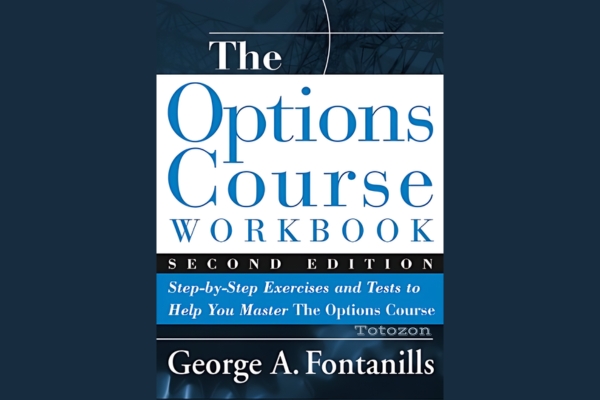 The Options Course Woorkbook. Exercises and Tests for Options Course Book with George Fontanillis
1 × $6.00
The Options Course Woorkbook. Exercises and Tests for Options Course Book with George Fontanillis
1 × $6.00 -
×
 Complete 32+ Hour Video Training Course 2008
1 × $23.00
Complete 32+ Hour Video Training Course 2008
1 × $23.00 -
×
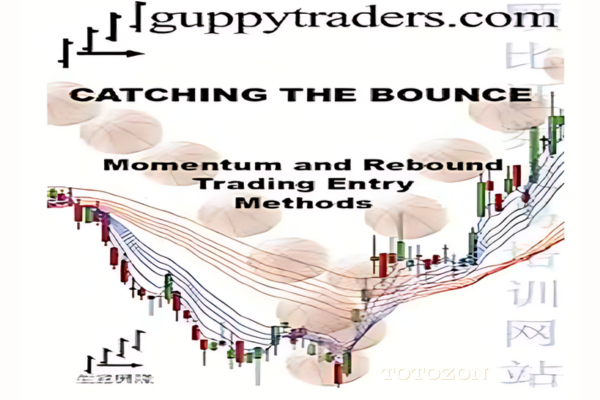 Catching the Bounce
1 × $6.00
Catching the Bounce
1 × $6.00 -
×
 War Room Technicals Vol. 3 with Trick Trades
1 × $6.00
War Room Technicals Vol. 3 with Trick Trades
1 × $6.00 -
×
 TRADING NFX Course with Andrew NFX
1 × $5.00
TRADING NFX Course with Andrew NFX
1 × $5.00 -
×
 CMT Association Entire Webinars
1 × $31.00
CMT Association Entire Webinars
1 × $31.00 -
×
 Wyckoff 2.0: Structures, Volume Profile and Order Flow (Trading and Investing Course: Advanced Technical Analysis) by Rubén Villahermosa
1 × $5.00
Wyckoff 2.0: Structures, Volume Profile and Order Flow (Trading and Investing Course: Advanced Technical Analysis) by Rubén Villahermosa
1 × $5.00 -
×
 $20 – 52k 20 pips a day challange with Rafał Zuchowicz - TopMasterTrader
1 × $5.00
$20 – 52k 20 pips a day challange with Rafał Zuchowicz - TopMasterTrader
1 × $5.00
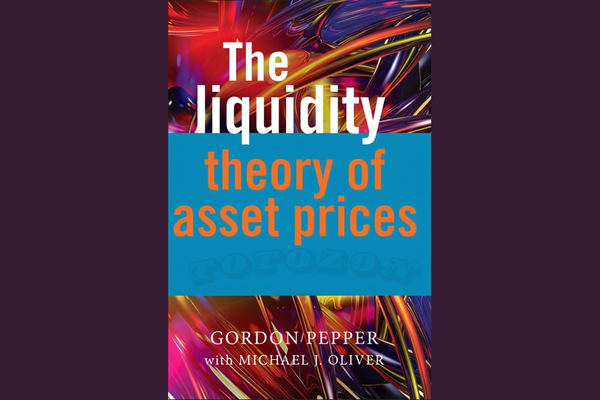
The Liquidity Theory of Asset Prices with Gordon Pepper & Michael Oliver
Original price was: $91.00.$6.00Current price is: $6.00.
File Size: Coming soon!
Delivery Time: 1–12 hours
Media Type: Online Course
The Liquidity Theory of Asset Prices with Gordon Pepper & Michael Oliver
In the ever-evolving field of financial markets, understanding the dynamics that drive asset prices is crucial. Gordon Pepper and Michael Oliver, through their seminal work on the liquidity theory of asset prices, offer profound insights that illuminate how liquidity—or the lack thereof—can significantly impact asset valuations. This article delves into their theory, exploring its key components, practical implications, and its relevance in today’s financial landscape.
Introduction to Liquidity Theory
Liquidity theory posits that the availability of liquid assets in the market can dramatically influence asset prices. Let’s unpack this concept to see how it applies to both traditional and contemporary markets.
What is Liquidity?
Simply put, liquidity refers to the ease with which an asset can be bought or sold in the market without affecting its price. High liquidity occurs when there are many buyers and sellers and transactions can occur quickly and at predictable prices.
Core Principles of Liquidity Theory
Gordon Pepper and Michael Oliver suggest that liquidity is not just a market feature but a central driver of asset price movements. This perspective shifts the focus from pure supply and demand dynamics to the availability of cash and liquid assets.
Key Aspects of the Liquidity Theory
The liquidity theory of asset prices encompasses several key aspects that are critical for traders and investors to understand.
Impact of Market Liquidity on Asset Prices
- Price Sensitivity: Assets in a liquid market are less prone to sharp price swings.
- Transaction Volume and Price Movement: Higher transaction volumes typically lead to more stable prices.
The Role of Central Banks
Central banks play a crucial role by affecting liquidity through monetary policy. Their decisions can lead to significant market movements.
Applying Liquidity Theory in Various Markets
Equity Markets
In equity markets, liquidity can determine the volatility of stock prices. During periods of high liquidity, stocks are generally less volatile.
Bond Markets
For bond markets, liquidity affects yields and bond prices inversely. More liquidity generally means lower yields and higher prices.
Real Estate and Illiquid Assets
In less liquid markets, such as real estate, prices are more sensitive to changes in liquidity.
Liquidity and Market Sentiment
Market sentiment can both influence and be influenced by liquidity. A positive market sentiment can increase liquidity as more participants engage in trading, thereby stabilizing prices.
Indicators of Liquidity
- Bid-Ask Spread: A lower spread typically indicates higher liquidity.
- Market Depth: Measures how orders at different prices are affecting the market.
Challenges and Considerations
While liquidity theory provides a robust framework, it comes with challenges:
- Prediction Limitations: Liquidity can be highly variable and difficult to predict.
- External Shocks: Sudden financial events can disrupt market liquidity.
Conclusion
The liquidity theory of asset prices, as presented by Gordon Pepper and Michael Oliver, offers invaluable insights into the mechanics of financial markets. By understanding the nuances of liquidity, investors and traders can better navigate the complexities of market dynamics.
FAQs About Liquidity Theory
- What is the best indicator of liquidity in the market?
- The bid-ask spread is often considered one of the most straightforward indicators of market liquidity.
- How does liquidity affect small-cap stocks?
- Small-cap stocks, typically having lower liquidity, are more vulnerable to large price swings due to the imbalance of buy and sell orders.
- Can liquidity theory be applied to cryptocurrency markets?
- Yes, liquidity is a critical factor in the cryptocurrency markets, affecting both price stability and the ability to execute large transactions without significant price impacts.
- What role do hedge funds play in market liquidity?
- Hedge funds can both provide and remove liquidity, depending on their trading strategies. They often increase liquidity by adding more transactions to the market.
- How can investors protect themselves from liquidity risk?
- Diversification and maintaining a portion of the portfolio in highly liquid assets can help mitigate liquidity risk.
Be the first to review “The Liquidity Theory of Asset Prices with Gordon Pepper & Michael Oliver”
You must be logged in to post a review.
Related products

Forex Trading
Original price was: $797.00.$10.00Current price is: $10.00.

Forex Trading
Original price was: $499.00.$15.00Current price is: $15.00.
Forex Trading
Original price was: $799.00.$15.00Current price is: $15.00.

Forex Trading
Original price was: $2,995.00.$31.00Current price is: $31.00.

Original price was: $997.00.$13.00Current price is: $13.00.
Original price was: $1,849.00.$15.00Current price is: $15.00.

Original price was: $997.00.$8.00Current price is: $8.00.

Original price was: $649.00.$20.00Current price is: $20.00.

Original price was: $497.00.$31.00Current price is: $31.00.

Forex Trading
Original price was: $1,098.00.$39.00Current price is: $39.00.

Forex Trading
Original price was: $999.00.$15.00Current price is: $15.00.

Forex Trading
The Complete Guide to Multiple Time Frame Analysis & Reading Price Action with Aiman Almansoori
Original price was: $1,399.00.$13.00Current price is: $13.00.

Original price was: $1,800.00.$54.00Current price is: $54.00.

Forex Trading
Original price was: $125.00.$17.00Current price is: $17.00.

Original price was: $450.00.$23.00Current price is: $23.00.

Forex Trading
Original price was: $249.00.$15.00Current price is: $15.00.

Forex Trading
Original price was: $397.00.$31.00Current price is: $31.00.

Forex Trading
Original price was: $2,997.00.$23.00Current price is: $23.00.

Forex Trading
Original price was: $850.00.$23.00Current price is: $23.00.

Original price was: $2,120.00.$15.00Current price is: $15.00.

Reviews
There are no reviews yet.