
-
×
 Profiting In Bull Or Bear Markets with George Dagnino
1 × $6.00
Profiting In Bull Or Bear Markets with George Dagnino
1 × $6.00 -
×
 Volume Profile 2023 (Order Flow Pack) with Trader Dale
1 × $5.00
Volume Profile 2023 (Order Flow Pack) with Trader Dale
1 × $5.00 -
×
 Weekly Diagonal Spreads for Consistent Income By Doc Severson
1 × $6.00
Weekly Diagonal Spreads for Consistent Income By Doc Severson
1 × $6.00 -
×
 Blueprint to Extreme Reversals with Aiman Almansoori - Trading Terminal
1 × $8.00
Blueprint to Extreme Reversals with Aiman Almansoori - Trading Terminal
1 × $8.00 -
×
 Volatility Trading with Fractal Flow Pro
1 × $15.00
Volatility Trading with Fractal Flow Pro
1 × $15.00 -
×
 The Traders Battle Plan
1 × $6.00
The Traders Battle Plan
1 × $6.00 -
×
 Options Academy Elevate with Simon Ree - Tao of Trading
1 × $109.00
Options Academy Elevate with Simon Ree - Tao of Trading
1 × $109.00 -
×
 TRAING IRON CONDORS IN ANY ENVIRONMENT with Sheridan Options Mentoring
1 × $15.00
TRAING IRON CONDORS IN ANY ENVIRONMENT with Sheridan Options Mentoring
1 × $15.00 -
×
 AstroFX Course
1 × $6.00
AstroFX Course
1 × $6.00 -
×
 Wyckoff Unleashed Official Online Course (2018) with Wyckoffsmi
1 × $23.00
Wyckoff Unleashed Official Online Course (2018) with Wyckoffsmi
1 × $23.00 -
×
 Options Wizardry from A to Z (Video 2.80 GB) with Don Fishback
1 × $6.00
Options Wizardry from A to Z (Video 2.80 GB) with Don Fishback
1 × $6.00 -
×
 All Candlestick Patterns Tested And Ranked with Quantified Strategies
1 × $8.00
All Candlestick Patterns Tested And Ranked with Quantified Strategies
1 × $8.00 -
×
 The Management of Equity Investments with Dimitris Chorafas
1 × $6.00
The Management of Equity Investments with Dimitris Chorafas
1 × $6.00 -
×
 Letal Forex System with Alex Seeni
1 × $6.00
Letal Forex System with Alex Seeni
1 × $6.00 -
×
 Inefficient Markets with Andrei Shleifer
1 × $6.00
Inefficient Markets with Andrei Shleifer
1 × $6.00 -
×
 The One Trading Secret That Could Make You Rich Inside Days
1 × $6.00
The One Trading Secret That Could Make You Rich Inside Days
1 × $6.00 -
×
 Three Tricks, Two Traps, One Truth Real Help for Traders and Investors with D.R.Barton
1 × $6.00
Three Tricks, Two Traps, One Truth Real Help for Traders and Investors with D.R.Barton
1 × $6.00 -
×
 Weekly Options Trading Advantage Class with Doc Severson
1 × $6.00
Weekly Options Trading Advantage Class with Doc Severson
1 × $6.00 -
×
 Trading Options at Expiration: Strategies and Models for Winning the Endgame with Jeff Augen
1 × $6.00
Trading Options at Expiration: Strategies and Models for Winning the Endgame with Jeff Augen
1 × $6.00 -
×
 Options 101 - The Basics and Beyond Class A 5-Part Course with Don Kaufman
1 × $6.00
Options 101 - The Basics and Beyond Class A 5-Part Course with Don Kaufman
1 × $6.00 -
×
 What Works in Online Trading with Mark Etzkorn
1 × $6.00
What Works in Online Trading with Mark Etzkorn
1 × $6.00 -
×
 Trend Following (Updated Edition) with Michael Covel
1 × $6.00
Trend Following (Updated Edition) with Michael Covel
1 × $6.00 -
×
 The Prop Trading Code with Brannigan Barrett - Axia Futures
1 × $23.00
The Prop Trading Code with Brannigan Barrett - Axia Futures
1 × $23.00 -
×
 Crystal Ball Pack PLUS bonus Live Trade By Pat Mitchell - Trick Trades
1 × $20.00
Crystal Ball Pack PLUS bonus Live Trade By Pat Mitchell - Trick Trades
1 × $20.00 -
×
 Plunketts Investment & Securities Industry Almanac 2010 with Jack W.Plunkett
1 × $6.00
Plunketts Investment & Securities Industry Almanac 2010 with Jack W.Plunkett
1 × $6.00 -
×
 Trading Aplications of Japanese Candlestick Charting with Gary S.Wagner & Bradley L.Matheny
1 × $6.00
Trading Aplications of Japanese Candlestick Charting with Gary S.Wagner & Bradley L.Matheny
1 × $6.00 -
×
 Opening Bell Income Strategy with Todd Mitchell
1 × $54.00
Opening Bell Income Strategy with Todd Mitchell
1 × $54.00 -
×
 Trade Australian Share CFDs with Brian Griffin
1 × $6.00
Trade Australian Share CFDs with Brian Griffin
1 × $6.00 -
×
 You can be a Stock Market Genious with Joel Greenblaat
1 × $6.00
You can be a Stock Market Genious with Joel Greenblaat
1 × $6.00 -
×
 Algo Trading Masterclass with Ali Casey - StatOasis
1 × $23.00
Algo Trading Masterclass with Ali Casey - StatOasis
1 × $23.00 -
×
 Algo Trading Strategies 2017 with Autotrading Academy
1 × $6.00
Algo Trading Strategies 2017 with Autotrading Academy
1 × $6.00 -
×
 WondaFX Signature Strategy with WondaFX
1 × $5.00
WondaFX Signature Strategy with WondaFX
1 × $5.00 -
×
 The Vital Few vs. the Trivial Many: Invest with the Insiders, Not the Masses with George Muzea
1 × $6.00
The Vital Few vs. the Trivial Many: Invest with the Insiders, Not the Masses with George Muzea
1 × $6.00 -
×
 Big Boy Volume Spread Analysis + Advanced Price Action Mastery Course with Kai Sheng Chew
1 × $15.00
Big Boy Volume Spread Analysis + Advanced Price Action Mastery Course with Kai Sheng Chew
1 × $15.00 -
×
 Commitment Workshop for Traders by Adrienne Laris Toghraie
1 × $6.00
Commitment Workshop for Traders by Adrienne Laris Toghraie
1 × $6.00 -
×
 Weekly Options Boot Camp with Price Headley
1 × $15.00
Weekly Options Boot Camp with Price Headley
1 × $15.00 -
×
 Commodity Speculation for Beginners with Charles Huff, Barbara Marinacci
1 × $6.00
Commodity Speculation for Beginners with Charles Huff, Barbara Marinacci
1 × $6.00 -
×
 AstroScan Regulus 4.1E newastro.net
1 × $6.00
AstroScan Regulus 4.1E newastro.net
1 × $6.00 -
×
 The Orderflows Trade Opportunities Encyclopedia with Michael Valtos
1 × $8.00
The Orderflows Trade Opportunities Encyclopedia with Michael Valtos
1 × $8.00 -
×
 Candlestick Trading for Maximum Profitsn with B.M.Davis
1 × $6.00
Candlestick Trading for Maximum Profitsn with B.M.Davis
1 × $6.00 -
×
 Ultimate Trading Course with Dodgy's Dungeon
1 × $8.00
Ultimate Trading Course with Dodgy's Dungeon
1 × $8.00 -
×
 How to Manage Profit and Cash Flow: Mining the Numbers for Gold with John Tracy & Tage Tracy
1 × $6.00
How to Manage Profit and Cash Flow: Mining the Numbers for Gold with John Tracy & Tage Tracy
1 × $6.00
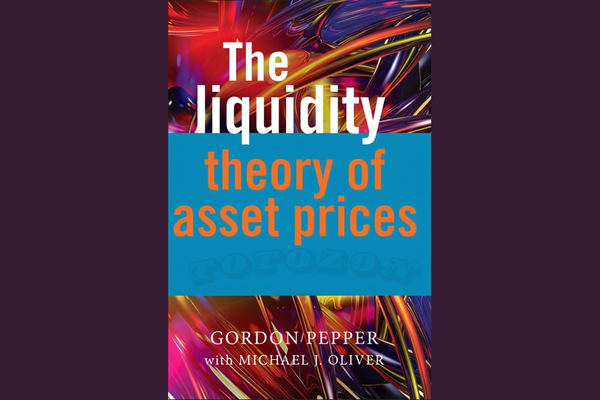
The Liquidity Theory of Asset Prices with Gordon Pepper & Michael Oliver
Original price was: $91.00.$6.00Current price is: $6.00.
File Size: Coming soon!
Delivery Time: 1–12 hours
Media Type: Online Course
The Liquidity Theory of Asset Prices with Gordon Pepper & Michael Oliver
In the ever-evolving field of financial markets, understanding the dynamics that drive asset prices is crucial. Gordon Pepper and Michael Oliver, through their seminal work on the liquidity theory of asset prices, offer profound insights that illuminate how liquidity—or the lack thereof—can significantly impact asset valuations. This article delves into their theory, exploring its key components, practical implications, and its relevance in today’s financial landscape.
Introduction to Liquidity Theory
Liquidity theory posits that the availability of liquid assets in the market can dramatically influence asset prices. Let’s unpack this concept to see how it applies to both traditional and contemporary markets.
What is Liquidity?
Simply put, liquidity refers to the ease with which an asset can be bought or sold in the market without affecting its price. High liquidity occurs when there are many buyers and sellers and transactions can occur quickly and at predictable prices.
Core Principles of Liquidity Theory
Gordon Pepper and Michael Oliver suggest that liquidity is not just a market feature but a central driver of asset price movements. This perspective shifts the focus from pure supply and demand dynamics to the availability of cash and liquid assets.
Key Aspects of the Liquidity Theory
The liquidity theory of asset prices encompasses several key aspects that are critical for traders and investors to understand.
Impact of Market Liquidity on Asset Prices
- Price Sensitivity: Assets in a liquid market are less prone to sharp price swings.
- Transaction Volume and Price Movement: Higher transaction volumes typically lead to more stable prices.
The Role of Central Banks
Central banks play a crucial role by affecting liquidity through monetary policy. Their decisions can lead to significant market movements.
Applying Liquidity Theory in Various Markets
Equity Markets
In equity markets, liquidity can determine the volatility of stock prices. During periods of high liquidity, stocks are generally less volatile.
Bond Markets
For bond markets, liquidity affects yields and bond prices inversely. More liquidity generally means lower yields and higher prices.
Real Estate and Illiquid Assets
In less liquid markets, such as real estate, prices are more sensitive to changes in liquidity.
Liquidity and Market Sentiment
Market sentiment can both influence and be influenced by liquidity. A positive market sentiment can increase liquidity as more participants engage in trading, thereby stabilizing prices.
Indicators of Liquidity
- Bid-Ask Spread: A lower spread typically indicates higher liquidity.
- Market Depth: Measures how orders at different prices are affecting the market.
Challenges and Considerations
While liquidity theory provides a robust framework, it comes with challenges:
- Prediction Limitations: Liquidity can be highly variable and difficult to predict.
- External Shocks: Sudden financial events can disrupt market liquidity.
Conclusion
The liquidity theory of asset prices, as presented by Gordon Pepper and Michael Oliver, offers invaluable insights into the mechanics of financial markets. By understanding the nuances of liquidity, investors and traders can better navigate the complexities of market dynamics.
FAQs About Liquidity Theory
- What is the best indicator of liquidity in the market?
- The bid-ask spread is often considered one of the most straightforward indicators of market liquidity.
- How does liquidity affect small-cap stocks?
- Small-cap stocks, typically having lower liquidity, are more vulnerable to large price swings due to the imbalance of buy and sell orders.
- Can liquidity theory be applied to cryptocurrency markets?
- Yes, liquidity is a critical factor in the cryptocurrency markets, affecting both price stability and the ability to execute large transactions without significant price impacts.
- What role do hedge funds play in market liquidity?
- Hedge funds can both provide and remove liquidity, depending on their trading strategies. They often increase liquidity by adding more transactions to the market.
- How can investors protect themselves from liquidity risk?
- Diversification and maintaining a portion of the portfolio in highly liquid assets can help mitigate liquidity risk.
Be the first to review “The Liquidity Theory of Asset Prices with Gordon Pepper & Michael Oliver”
You must be logged in to post a review.
Related products

Forex Trading
Original price was: $1,898.00.$10.00Current price is: $10.00.

Original price was: $695.00.$41.00Current price is: $41.00.

Original price was: $497.00.$31.00Current price is: $31.00.

Forex Trading
Original price was: $500.00.$5.00Current price is: $5.00.

Forex Trading
Original price was: $499.00.$15.00Current price is: $15.00.

Original price was: $4,995.00.$15.00Current price is: $15.00.

Original price was: $997.00.$8.00Current price is: $8.00.

Forex Trading
Original price was: $249.00.$15.00Current price is: $15.00.

Forex Trading
Original price was: $1,098.00.$39.00Current price is: $39.00.

Original price was: $2,120.00.$15.00Current price is: $15.00.

Forex Trading
Original price was: $697.00.$5.00Current price is: $5.00.

Original price was: $450.00.$23.00Current price is: $23.00.

Forex Trading
Original price was: $397.00.$31.00Current price is: $31.00.
Forex Trading
Original price was: $2,000.00.$23.00Current price is: $23.00.

Original price was: $197.00.$5.00Current price is: $5.00.

Original price was: $700.00.$39.00Current price is: $39.00.

Original price was: $997.00.$13.00Current price is: $13.00.

Original price was: $139.00.$23.00Current price is: $23.00.

Forex Trading
Original price was: $4,997.00.$27.00Current price is: $27.00.

Original price was: $310.00.$23.00Current price is: $23.00.

Reviews
There are no reviews yet.