
-
×
 Chart Pattern Profits
1 × $6.00
Chart Pattern Profits
1 × $6.00 -
×
 Sacredscience - Raphael – Book of Fate
1 × $6.00
Sacredscience - Raphael – Book of Fate
1 × $6.00 -
×
 The Compleat DayTrader I & II with Jack Bernstein
1 × $6.00
The Compleat DayTrader I & II with Jack Bernstein
1 × $6.00 -
×
 Traders Winning Edge (Presentation) with Adrienne Laris Toghraie
1 × $6.00
Traders Winning Edge (Presentation) with Adrienne Laris Toghraie
1 × $6.00 -
×
 The Afluent Desktop Currency Trader with Amin Sadak
1 × $6.00
The Afluent Desktop Currency Trader with Amin Sadak
1 × $6.00 -
×
 Short Swing Trading v6.0 with David Smith
1 × $6.00
Short Swing Trading v6.0 with David Smith
1 × $6.00 -
×
 Tradacc – The Volume Profile Formula + Futures Masterclass and Rapid Setups Pack + S&P 500 Secrets Bundle - Aaron Korbs
1 × $5.00
Tradacc – The Volume Profile Formula + Futures Masterclass and Rapid Setups Pack + S&P 500 Secrets Bundle - Aaron Korbs
1 × $5.00 -
×
 Scalp Strategy and Flipping Small Accounts with Opes Trading Group
1 × $5.00
Scalp Strategy and Flipping Small Accounts with Opes Trading Group
1 × $5.00 -
×
 The Insured Portfolio: Your Gateway to Stress-Free Global Investments with Erika Nolan, Marc-Andre Sola & Shannon Crouch
1 × $6.00
The Insured Portfolio: Your Gateway to Stress-Free Global Investments with Erika Nolan, Marc-Andre Sola & Shannon Crouch
1 × $6.00 -
×
 System Building Masterclass
1 × $31.00
System Building Masterclass
1 × $31.00 -
×
 Trading Short TermSame Day Trades Sep 2023 with Dan Sheridan & Mark Fenton - Sheridan Options Mentoring
1 × $31.00
Trading Short TermSame Day Trades Sep 2023 with Dan Sheridan & Mark Fenton - Sheridan Options Mentoring
1 × $31.00 -
×
 The Any Hour Trading System with Markets Mastered
1 × $6.00
The Any Hour Trading System with Markets Mastered
1 × $6.00 -
×
 W. D Gann 's Square Of 9 Applied To Modern Markets with Sean Avidar - Hexatrade350
1 × $23.00
W. D Gann 's Square Of 9 Applied To Modern Markets with Sean Avidar - Hexatrade350
1 × $23.00 -
×
 Active Trader Program (Smarter Starter Pack + the Number One Trading Plan)
1 × $15.00
Active Trader Program (Smarter Starter Pack + the Number One Trading Plan)
1 × $15.00 -
×
 Options Trading Workshop On Demand with Affordable Financial Education
1 × $69.00
Options Trading Workshop On Demand with Affordable Financial Education
1 × $69.00 -
×
 Trading Online
1 × $6.00
Trading Online
1 × $6.00 -
×
 Day Trading and Swing Trading Futures with Price Action by Humberto Malaspina
1 × $5.00
Day Trading and Swing Trading Futures with Price Action by Humberto Malaspina
1 × $5.00 -
×
 Commodity Futures Traders Club (CTCN) Issues 01 – 77
1 × $6.00
Commodity Futures Traders Club (CTCN) Issues 01 – 77
1 × $6.00 -
×
 Investing Under Fire with Alan R.Ackerman
1 × $6.00
Investing Under Fire with Alan R.Ackerman
1 × $6.00 -
×
 Get to know the VIX Index (aka The Fear Index)
1 × $15.00
Get to know the VIX Index (aka The Fear Index)
1 × $15.00 -
×
 Short-Term Trading, Long-Term Profits with John Leizman - McGraw-Hill
1 × $6.00
Short-Term Trading, Long-Term Profits with John Leizman - McGraw-Hill
1 × $6.00 -
×
 Street-Smart Chart Reading – Volume 2 – Digging Deeper with Donald G.Worden
1 × $6.00
Street-Smart Chart Reading – Volume 2 – Digging Deeper with Donald G.Worden
1 × $6.00 -
×
 Trade Execution & Trade Management with Kam Dhadwar
1 × $6.00
Trade Execution & Trade Management with Kam Dhadwar
1 × $6.00 -
×
 Forex Strategy Course with Angel Traders
1 × $6.00
Forex Strategy Course with Angel Traders
1 × $6.00 -
×
 Simple Smart Forex Renko Program with Nikos Mermigas
1 × $10.00
Simple Smart Forex Renko Program with Nikos Mermigas
1 × $10.00 -
×
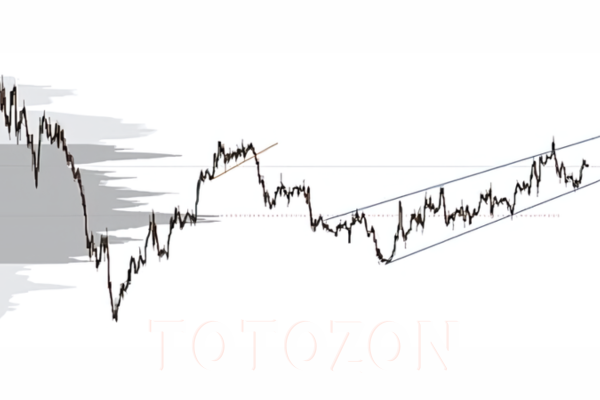 Complete Price Action, Volume Profile and Orderflow Trading Bundle with Price Action Volume Trader
1 × $78.00
Complete Price Action, Volume Profile and Orderflow Trading Bundle with Price Action Volume Trader
1 × $78.00 -
×
 S&P Market Timing Course For E-mini & Options Traders
1 × $6.00
S&P Market Timing Course For E-mini & Options Traders
1 × $6.00 -
×
 CFA Level 3 - Examination Morning Session – Essay (2002)
1 × $6.00
CFA Level 3 - Examination Morning Session – Essay (2002)
1 × $6.00 -
×
 Complete Day Trading Course with The Trading Floor
1 × $13.00
Complete Day Trading Course with The Trading Floor
1 × $13.00 -
×
 The Best of the Professional Traders Journal. Market Timing with Larry Connors
1 × $6.00
The Best of the Professional Traders Journal. Market Timing with Larry Connors
1 × $6.00 -
×
 Edz Currency Trading Package with EDZ Trading Academy
1 × $5.00
Edz Currency Trading Package with EDZ Trading Academy
1 × $5.00 -
×
 Trading Hub 4.0 with Mr. Khan
1 × $27.00
Trading Hub 4.0 with Mr. Khan
1 × $27.00 -
×
 Traders Edge with Steven Dux
1 × $5.00
Traders Edge with Steven Dux
1 × $5.00 -
×
 The City Traders Course with Andrew Lockwood
1 × $10.00
The City Traders Course with Andrew Lockwood
1 × $10.00 -
×
 5 Technical Signals You Should Not Trade Without (4 CDs) with Toni Hansen
1 × $6.00
5 Technical Signals You Should Not Trade Without (4 CDs) with Toni Hansen
1 × $6.00 -
×
 The Trading Vault with Anne-Marie Baiynd
1 × $54.00
The Trading Vault with Anne-Marie Baiynd
1 × $54.00 -
×
 Trading 3SMA System with Hector DeVille
1 × $6.00
Trading 3SMA System with Hector DeVille
1 × $6.00 -
×
 Opening Price Principle: Best Kept Secret on Wall Street - Larry Pesavento & Peggy MacKay
1 × $6.00
Opening Price Principle: Best Kept Secret on Wall Street - Larry Pesavento & Peggy MacKay
1 × $6.00 -
×
 Forex Essentials in 15 Trades with John Bland, Jay Meisler & Michael Archer
1 × $6.00
Forex Essentials in 15 Trades with John Bland, Jay Meisler & Michael Archer
1 × $6.00 -
×
 Fierce 10 On Demand Coaching Program with High Performance Trading
1 × $5.00
Fierce 10 On Demand Coaching Program with High Performance Trading
1 × $5.00 -
×
 Outsmarting Wall Street (3rd Ed) with Daniel Alan Seiver
1 × $6.00
Outsmarting Wall Street (3rd Ed) with Daniel Alan Seiver
1 × $6.00 -
×
 The Amazing Common Sense Guide To Investment Success with John Thomchick
1 × $6.00
The Amazing Common Sense Guide To Investment Success with John Thomchick
1 × $6.00 -
×
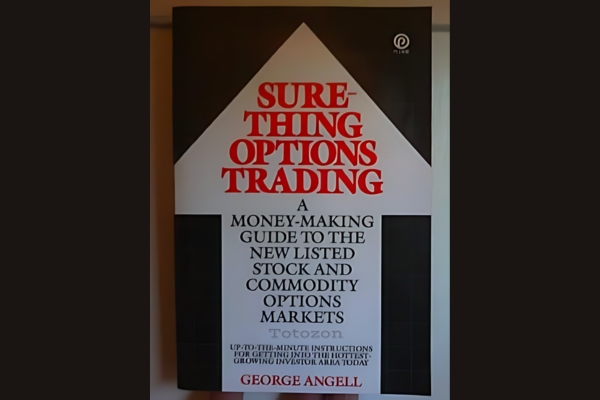 Sure-thing Options Trading: A Money-Making Guide to the New Listed Stock and Commodity Options Markets - George Angell
1 × $6.00
Sure-thing Options Trading: A Money-Making Guide to the New Listed Stock and Commodity Options Markets - George Angell
1 × $6.00 -
×
 Applications of Abstract Algebra with Maple - Richard E.Kline, Neil Sigmon, Ernst Stitzinger
1 × $6.00
Applications of Abstract Algebra with Maple - Richard E.Kline, Neil Sigmon, Ernst Stitzinger
1 × $6.00 -
×
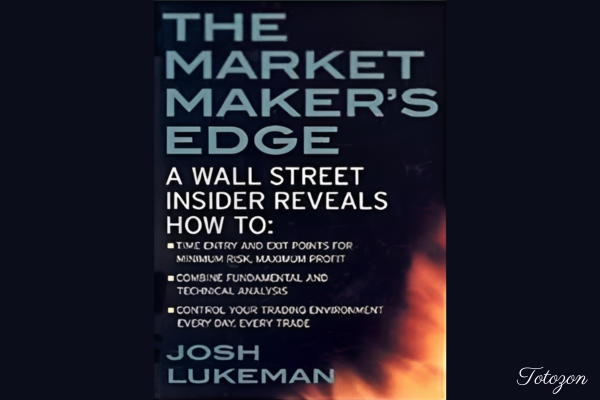 The Market Maker’s Edge with Josh Lukeman
1 × $6.00
The Market Maker’s Edge with Josh Lukeman
1 × $6.00 -
×
 SJG Trading - Butterflies Class with Steve Ganz
1 × $31.00
SJG Trading - Butterflies Class with Steve Ganz
1 × $31.00 -
×
 Quantifiable Edges – Gold Subscription with Rob Hanna
1 × $54.00
Quantifiable Edges – Gold Subscription with Rob Hanna
1 × $54.00 -
×
 D.A.T.E. Unlock Your Trading DNA Worskshop with Geoff Bysshe
1 × $6.00
D.A.T.E. Unlock Your Trading DNA Worskshop with Geoff Bysshe
1 × $6.00 -
×
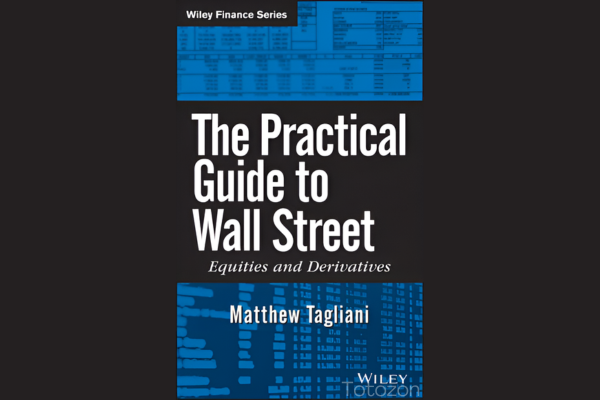 The Practical Guide to Wall Street with Matthew Tagliani
1 × $6.00
The Practical Guide to Wall Street with Matthew Tagliani
1 × $6.00 -
×
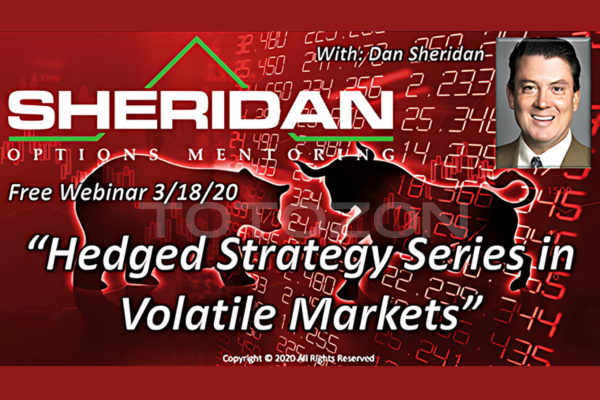 HEDGED STRATEGY SERIES IN VOLATILE MARKETS – HEDGED CREDIT SPREADS - Dan Sheridan
1 × $6.00
HEDGED STRATEGY SERIES IN VOLATILE MARKETS – HEDGED CREDIT SPREADS - Dan Sheridan
1 × $6.00 -
×
 How To Flip All Those “Hard To Flip” Deals
1 × $6.00
How To Flip All Those “Hard To Flip” Deals
1 × $6.00 -
×
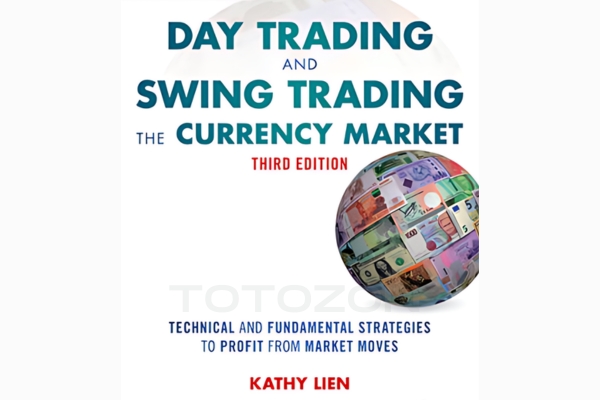 Day Trading and Swing Trading the Currency Market with Kathy Lien
1 × $6.00
Day Trading and Swing Trading the Currency Market with Kathy Lien
1 × $6.00 -
×
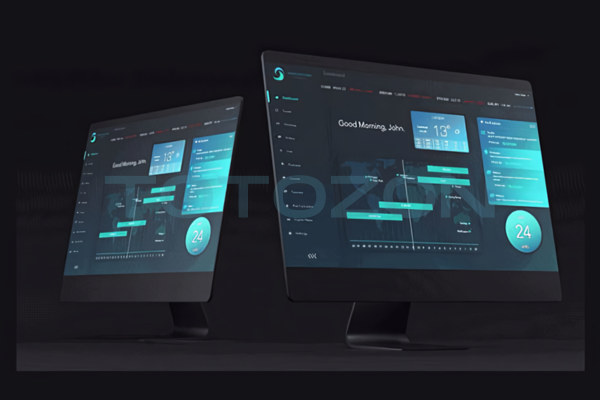 BD FX Course with FX Learning
1 × $6.00
BD FX Course with FX Learning
1 × $6.00 -
×
 High Probability Trading Using Elliott Wave And Fibonacci Analysis withVic Patel - Forex Training Group
1 × $10.00
High Probability Trading Using Elliott Wave And Fibonacci Analysis withVic Patel - Forex Training Group
1 × $10.00
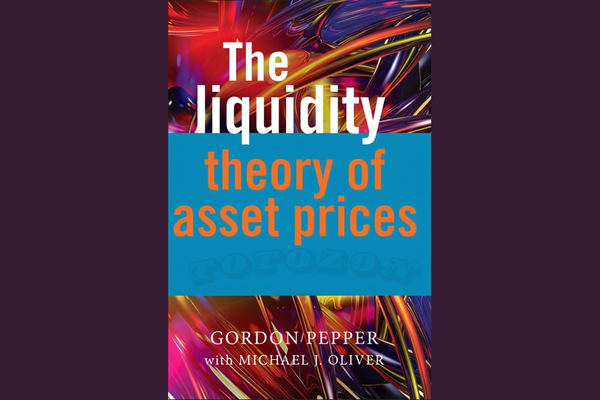
The Liquidity Theory of Asset Prices with Gordon Pepper & Michael Oliver
Original price was: $91.00.$6.00Current price is: $6.00.
File Size: Coming soon!
Delivery Time: 1–12 hours
Media Type: Online Course
The Liquidity Theory of Asset Prices with Gordon Pepper & Michael Oliver
In the ever-evolving field of financial markets, understanding the dynamics that drive asset prices is crucial. Gordon Pepper and Michael Oliver, through their seminal work on the liquidity theory of asset prices, offer profound insights that illuminate how liquidity—or the lack thereof—can significantly impact asset valuations. This article delves into their theory, exploring its key components, practical implications, and its relevance in today’s financial landscape.
Introduction to Liquidity Theory
Liquidity theory posits that the availability of liquid assets in the market can dramatically influence asset prices. Let’s unpack this concept to see how it applies to both traditional and contemporary markets.
What is Liquidity?
Simply put, liquidity refers to the ease with which an asset can be bought or sold in the market without affecting its price. High liquidity occurs when there are many buyers and sellers and transactions can occur quickly and at predictable prices.
Core Principles of Liquidity Theory
Gordon Pepper and Michael Oliver suggest that liquidity is not just a market feature but a central driver of asset price movements. This perspective shifts the focus from pure supply and demand dynamics to the availability of cash and liquid assets.
Key Aspects of the Liquidity Theory
The liquidity theory of asset prices encompasses several key aspects that are critical for traders and investors to understand.
Impact of Market Liquidity on Asset Prices
- Price Sensitivity: Assets in a liquid market are less prone to sharp price swings.
- Transaction Volume and Price Movement: Higher transaction volumes typically lead to more stable prices.
The Role of Central Banks
Central banks play a crucial role by affecting liquidity through monetary policy. Their decisions can lead to significant market movements.
Applying Liquidity Theory in Various Markets
Equity Markets
In equity markets, liquidity can determine the volatility of stock prices. During periods of high liquidity, stocks are generally less volatile.
Bond Markets
For bond markets, liquidity affects yields and bond prices inversely. More liquidity generally means lower yields and higher prices.
Real Estate and Illiquid Assets
In less liquid markets, such as real estate, prices are more sensitive to changes in liquidity.
Liquidity and Market Sentiment
Market sentiment can both influence and be influenced by liquidity. A positive market sentiment can increase liquidity as more participants engage in trading, thereby stabilizing prices.
Indicators of Liquidity
- Bid-Ask Spread: A lower spread typically indicates higher liquidity.
- Market Depth: Measures how orders at different prices are affecting the market.
Challenges and Considerations
While liquidity theory provides a robust framework, it comes with challenges:
- Prediction Limitations: Liquidity can be highly variable and difficult to predict.
- External Shocks: Sudden financial events can disrupt market liquidity.
Conclusion
The liquidity theory of asset prices, as presented by Gordon Pepper and Michael Oliver, offers invaluable insights into the mechanics of financial markets. By understanding the nuances of liquidity, investors and traders can better navigate the complexities of market dynamics.
FAQs About Liquidity Theory
- What is the best indicator of liquidity in the market?
- The bid-ask spread is often considered one of the most straightforward indicators of market liquidity.
- How does liquidity affect small-cap stocks?
- Small-cap stocks, typically having lower liquidity, are more vulnerable to large price swings due to the imbalance of buy and sell orders.
- Can liquidity theory be applied to cryptocurrency markets?
- Yes, liquidity is a critical factor in the cryptocurrency markets, affecting both price stability and the ability to execute large transactions without significant price impacts.
- What role do hedge funds play in market liquidity?
- Hedge funds can both provide and remove liquidity, depending on their trading strategies. They often increase liquidity by adding more transactions to the market.
- How can investors protect themselves from liquidity risk?
- Diversification and maintaining a portion of the portfolio in highly liquid assets can help mitigate liquidity risk.
Be the first to review “The Liquidity Theory of Asset Prices with Gordon Pepper & Michael Oliver”
You must be logged in to post a review.
Related products

Original price was: $197.00.$5.00Current price is: $5.00.

Original price was: $299.00.$8.00Current price is: $8.00.

Forex Trading
Original price was: $500.00.$5.00Current price is: $5.00.

Original price was: $997.00.$13.00Current price is: $13.00.
Forex Trading
Original price was: $797.00.$10.00Current price is: $10.00.

Forex Trading
Original price was: $2,997.00.$23.00Current price is: $23.00.

Forex Trading
Original price was: $850.00.$23.00Current price is: $23.00.

Original price was: $1,200.00.$23.00Current price is: $23.00.

Forex Trading
The Complete Guide to Multiple Time Frame Analysis & Reading Price Action with Aiman Almansoori
Original price was: $1,399.00.$13.00Current price is: $13.00.

Forex Trading
Original price was: $799.00.$15.00Current price is: $15.00.

Original price was: $497.00.$11.00Current price is: $11.00.

Original price was: $695.00.$41.00Current price is: $41.00.

Forex Trading
Original price was: $249.00.$15.00Current price is: $15.00.

Forex Trading
Original price was: $2,995.00.$31.00Current price is: $31.00.

Original price was: $2,120.00.$15.00Current price is: $15.00.

Original price was: $497.00.$31.00Current price is: $31.00.

Forex Trading
Original price was: $1,098.00.$39.00Current price is: $39.00.

Forex Trading
Original price was: $499.00.$15.00Current price is: $15.00.

Original price was: $1,849.00.$15.00Current price is: $15.00.

Forex Trading
Original price was: $2,000.00.$23.00Current price is: $23.00.

Reviews
There are no reviews yet.