
-
×
 FMG Online Course with FMG Traders
1 × $6.00
FMG Online Course with FMG Traders
1 × $6.00 -
×
 W. D Gann 's Square Of 9 Applied To Modern Markets with Sean Avidar - Hexatrade350
1 × $23.00
W. D Gann 's Square Of 9 Applied To Modern Markets with Sean Avidar - Hexatrade350
1 × $23.00 -
×
 Learning How to Successfully Trade the E-mini & S&P 500 Markets
1 × $6.00
Learning How to Successfully Trade the E-mini & S&P 500 Markets
1 × $6.00 -
×
 Tail Hedging - Learn to Insure Stocks Against Large Declines with James Marsh
1 × $15.00
Tail Hedging - Learn to Insure Stocks Against Large Declines with James Marsh
1 × $15.00 -
×
 Set & Forget Complete 2021
1 × $13.00
Set & Forget Complete 2021
1 × $13.00 -
×
 Best of the Best: Collars with Amy Meissner & Scott Ruble
1 × $15.00
Best of the Best: Collars with Amy Meissner & Scott Ruble
1 × $15.00 -
×
 USDX Trading Course with Jared Martinez - MTI
1 × $6.00
USDX Trading Course with Jared Martinez - MTI
1 × $6.00 -
×
 Online Trading Stocks - Cryptocurrencies & Forex with Set & Forget
1 × $5.00
Online Trading Stocks - Cryptocurrencies & Forex with Set & Forget
1 × $5.00 -
×
 Options Trading Course with Consistent Options Income
1 × $5.00
Options Trading Course with Consistent Options Income
1 × $5.00 -
×
 Gaining Option Leverage: Using Market Makers Tactics with Jon Najarian
1 × $4.00
Gaining Option Leverage: Using Market Makers Tactics with Jon Najarian
1 × $4.00 -
×
 Mark Sebastian – Gamma Trading Class
1 × $6.00
Mark Sebastian – Gamma Trading Class
1 × $6.00 -
×
 Applying Fibonacci Analysis to Price Action
1 × $6.00
Applying Fibonacci Analysis to Price Action
1 × $6.00 -
×
 Online Forex University Course
1 × $10.00
Online Forex University Course
1 × $10.00 -
×
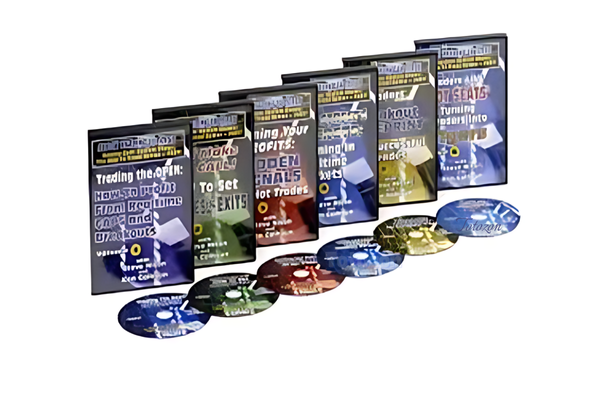 Short-Term Traders’ Secrets. Candlesticks, Gaps & Breakout Patterns Revealed with Steve Nison & Ken Calhoun
1 × $6.00
Short-Term Traders’ Secrets. Candlesticks, Gaps & Breakout Patterns Revealed with Steve Nison & Ken Calhoun
1 × $6.00 -
×
 Investing in the stock market
1 × $6.00
Investing in the stock market
1 × $6.00 -
×
 Analysis Of Entry Signals Part Two (Fundamentals) with Joe Marwood
1 × $23.00
Analysis Of Entry Signals Part Two (Fundamentals) with Joe Marwood
1 × $23.00 -
×
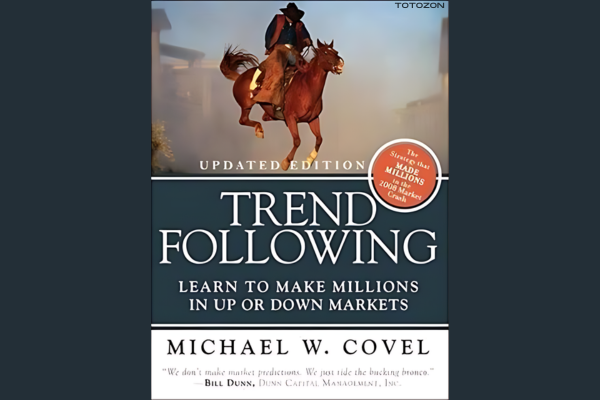 Trend Following (Updated Edition) with Michael Covel
1 × $6.00
Trend Following (Updated Edition) with Michael Covel
1 × $6.00 -
×
 Myths of the Free Market with Kenneth Friedman
1 × $6.00
Myths of the Free Market with Kenneth Friedman
1 × $6.00 -
×
 The Options Applications Handbook: Hedging and Speculating Techniques for Professional Investors - Erik Banks & Paul Siegel
1 × $6.00
The Options Applications Handbook: Hedging and Speculating Techniques for Professional Investors - Erik Banks & Paul Siegel
1 × $6.00 -
×
 Scalp Strategy and Flipping Small Accounts with Opes Trading Group
1 × $5.00
Scalp Strategy and Flipping Small Accounts with Opes Trading Group
1 × $5.00 -
×
 One Shot One Kill Trading with John Netto
1 × $6.00
One Shot One Kill Trading with John Netto
1 × $6.00 -
×
 Applications of Abstract Algebra with Maple - Richard E.Kline, Neil Sigmon, Ernst Stitzinger
1 × $6.00
Applications of Abstract Algebra with Maple - Richard E.Kline, Neil Sigmon, Ernst Stitzinger
1 × $6.00 -
×
 Trading Masterclass XVII with Wysetrade
1 × $6.00
Trading Masterclass XVII with Wysetrade
1 × $6.00 -
×
 Activedaytrader - Workshop Options For Income
1 × $15.00
Activedaytrader - Workshop Options For Income
1 × $15.00 -
×
 Tradingology Home Study Options Course
1 × $23.00
Tradingology Home Study Options Course
1 × $23.00 -
×
 Charting Made Easy with John J.Murphy
1 × $6.00
Charting Made Easy with John J.Murphy
1 × $6.00 -
×
 Trading Breakouts with Options By Keith Harwood - Option Pit
1 × $23.00
Trading Breakouts with Options By Keith Harwood - Option Pit
1 × $23.00 -
×
 The Bare Essentials Of Investing: Teaching The Horse To Talk with Harold Bierman
1 × $6.00
The Bare Essentials Of Investing: Teaching The Horse To Talk with Harold Bierman
1 × $6.00 -
×
 Trading Earnings Using Measured-Move Targets with AlphaShark
1 × $23.00
Trading Earnings Using Measured-Move Targets with AlphaShark
1 × $23.00 -
×
 Big Money Little Effort with Mark Shipman
1 × $6.00
Big Money Little Effort with Mark Shipman
1 × $6.00 -
×
 Foundations Of Stocks And Options (2015) with TradeSmart University
1 × $5.00
Foundations Of Stocks And Options (2015) with TradeSmart University
1 × $5.00 -
×
 Options University - Ron Ianieri – Options University Live Seminars
1 × $6.00
Options University - Ron Ianieri – Options University Live Seminars
1 × $6.00 -
×
 Option Hydra - June 2020 Edition - Basics By Rajandran R
1 × $23.00
Option Hydra - June 2020 Edition - Basics By Rajandran R
1 × $23.00 -
×
 Demystifying Fed's Monetary Policy
1 × $6.00
Demystifying Fed's Monetary Policy
1 × $6.00 -
×
 Indicators & BWT Bar Types for NT7
1 × $139.00
Indicators & BWT Bar Types for NT7
1 × $139.00 -
×
 Jimdandym Ql4 Courses
1 × $15.00
Jimdandym Ql4 Courses
1 × $15.00 -
×
 Planetary Economic Forecasting with Bill Meridian
1 × $6.00
Planetary Economic Forecasting with Bill Meridian
1 × $6.00 -
×
 Beginners Guide to Swing Trading Growth Stocks with Brandon Chapman
1 × $5.00
Beginners Guide to Swing Trading Growth Stocks with Brandon Chapman
1 × $5.00 -
×
 Fundamentals of Forex Trading with Joshua Garrison
1 × $5.00
Fundamentals of Forex Trading with Joshua Garrison
1 × $5.00 -
×
 Learn Plan Profit – How To Trade Stocks
1 × $15.00
Learn Plan Profit – How To Trade Stocks
1 × $15.00 -
×
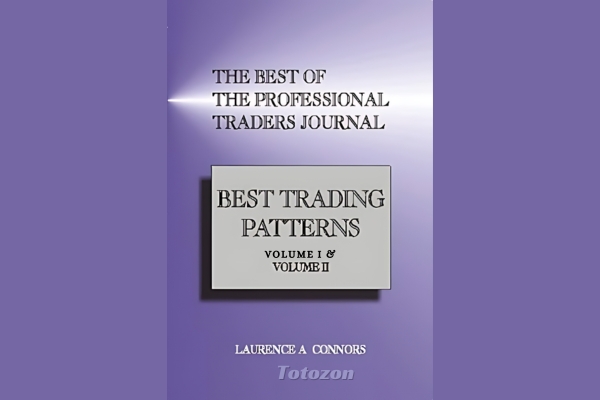 The Best of the Professional Traders Journal: Best Trading Patters Volume I and Volume II with Larry Connors
1 × $6.00
The Best of the Professional Traders Journal: Best Trading Patters Volume I and Volume II with Larry Connors
1 × $6.00 -
×
 TRAING IRON CONDORS IN ANY ENVIRONMENT with Sheridan Options Mentoring
1 × $15.00
TRAING IRON CONDORS IN ANY ENVIRONMENT with Sheridan Options Mentoring
1 × $15.00 -
×
 Trading Natural Resources in a Volatile Market with Kevin Kerr
1 × $6.00
Trading Natural Resources in a Volatile Market with Kevin Kerr
1 × $6.00 -
×
 The Indices Orderflow Masterclass with The Forex Scalpers
1 × $23.00
The Indices Orderflow Masterclass with The Forex Scalpers
1 × $23.00

Learn to Trade Forex and Stocks – From Beginner to Advanced
$6.00
File Size: Coming soon!
Delivery Time: 1–12 hours
Media Type: Online Course
Learn to Trade Forex and Stocks – From Beginner to Advanced
Introduction to Trading Forex and Stocks
Trading in the financial markets, whether it’s Forex or stocks, can be both exciting and daunting. Learning to Trade Forex and Stocks – From Beginner to Advanced requires dedication, knowledge, and the right strategies to succeed. This article will guide you through the essential steps to become a proficient trader.
Why Trade Forex and Stocks?
Diversification of Investments
Trading both Forex and stocks allows for a diversified investment portfolio, reducing risk and increasing potential returns.
High Liquidity
Forex markets are known for their high liquidity, meaning trades can be executed quickly and easily. Stocks, while less liquid than Forex, also offer significant trading opportunities.
Accessibility
With the advent of online trading platforms, anyone with an internet connection can start trading Forex and stocks from anywhere in the world.
Getting Started: The Basics
Understanding the Markets
Before you dive into trading, it’s crucial to understand how both Forex and stock markets operate. Forex trading involves the exchange of currencies, while stock trading involves buying and selling shares of companies.
Essential Terminology
Familiarize yourself with key trading terms such as pips, leverage, margin, and spreads in Forex, as well as stocks, dividends, and market capitalization in stock trading.
Setting Up Your Trading Account
Choosing a Broker
Select a reputable broker that offers robust trading platforms, educational resources, and reliable customer service.
Opening an Account
Follow the broker’s procedure to open a trading account. This typically involves providing personal information, verifying your identity, and funding your account.
Demo Trading
Start with a demo account to practice trading without risking real money. This helps you get comfortable with the trading platform and develop your strategies.
Beginner Strategies for Forex and Stock Trading
Forex Trading Strategies
Trend Following
Identify and follow market trends to make profitable trades. Use tools like moving averages and trend lines to spot trends.
Breakout Trading
Trade based on price breaking out of a defined range. This strategy involves identifying key support and resistance levels.
Stock Trading Strategies
Buy and Hold
Invest in stocks with strong fundamentals and hold them for the long term. This strategy benefits from the overall growth of the stock market.
Dividend Investing
Focus on stocks that pay regular dividends. This strategy provides a steady income stream in addition to potential capital gains.
Advanced Trading Techniques
Technical Analysis
Use charts and technical indicators to predict future price movements. Common tools include moving averages, RSI, MACD, and Fibonacci retracement.
Fundamental Analysis
Analyze a company’s financial health and performance indicators such as earnings, revenue, and debt levels to make informed trading decisions.
Risk Management
Setting Stop-Loss Orders
Set stop-loss orders to limit potential losses. This ensures you exit a losing trade before it significantly impacts your portfolio.
Position Sizing
Determine the appropriate size of your trades based on your risk tolerance and account size. This helps manage risk and avoid significant losses.
Psychological Aspects of Trading
Managing Emotions
Trading can be emotionally taxing. Learn to manage emotions like fear and greed to make rational trading decisions.
Staying Disciplined
Stick to your trading plan and strategies. Avoid impulsive trades based on market rumors or short-term news.
Tools and Resources for Traders
Trading Platforms
Choose a trading platform that offers real-time data, advanced charting tools, and a user-friendly interface.
Educational Resources
Utilize educational resources such as books, online courses, webinars, and forums to continuously improve your trading knowledge.
Trading Communities
Join trading communities to share experiences, discuss strategies, and learn from other traders.
Conclusion
Learning to trade Forex and stocks requires a solid understanding of the markets, effective strategies, and a disciplined approach. Whether you’re a beginner or looking to advance your skills, following these guidelines will help you navigate the complexities of trading and achieve success.
FAQs
1. What is the minimum amount needed to start trading?
The minimum amount varies by broker, but you can start with as little as $100. However, it’s recommended to start with a larger amount to effectively manage risk.
2. Can I trade both Forex and stocks simultaneously?
Yes, many traders diversify their portfolios by trading both Forex and stocks, taking advantage of different market conditions.
3. How much time do I need to dedicate to trading?
The time commitment depends on your trading style. Day traders may need to spend several hours a day, while long-term investors can spend less time monitoring the markets.
4. What are the risks of trading Forex and stocks?
Trading involves risk, including the potential loss of capital. It’s important to have a risk management plan and not to invest money you can’t afford to lose.
5. How can I stay updated with market news?
Use reliable financial news sources, subscribe to market newsletters, and set up alerts on your trading platform to stay informed about market developments.
Be the first to review “Learn to Trade Forex and Stocks – From Beginner to Advanced”
You must be logged in to post a review.
Related products

Forex Trading
Quantamentals – The Next Great Forefront Of Trading and Investing with Trading Markets
Original price was: $1,495.00.$8.00Current price is: $8.00.

Forex Trading
Original price was: $2,995.00.$31.00Current price is: $31.00.

Forex Trading
Original price was: $1,098.00.$39.00Current price is: $39.00.

Original price was: $1,849.00.$15.00Current price is: $15.00.

Original price was: $1,800.00.$54.00Current price is: $54.00.

Original price was: $997.00.$13.00Current price is: $13.00.

Original price was: $649.00.$20.00Current price is: $20.00.

Forex Trading
Original price was: $2,997.00.$23.00Current price is: $23.00.

Forex Trading
Original price was: $500.00.$5.00Current price is: $5.00.

Original price was: $997.00.$8.00Current price is: $8.00.

Original price was: $497.00.$31.00Current price is: $31.00.

Forex Trading
Original price was: $797.00.$10.00Current price is: $10.00.

Original price was: $299.00.$8.00Current price is: $8.00.

Forex Trading
Original price was: $999.00.$15.00Current price is: $15.00.

Original price was: $2,120.00.$15.00Current price is: $15.00.

Forex Trading
Original price was: $239.00.$8.00Current price is: $8.00.
Original price was: $999.00.$5.00Current price is: $5.00.
Original price was: $139.00.$23.00Current price is: $23.00.
Original price was: $799.00.$15.00Current price is: $15.00.

Forex Trading
Original price was: $1,898.00.$10.00Current price is: $10.00.
Reviews
There are no reviews yet.