
-
×
 The Indices Orderflow Masterclass with The Forex Scalpers
1 × $23.00
The Indices Orderflow Masterclass with The Forex Scalpers
1 × $23.00 -
×
 The 13-Week Cash Flow Model
1 × $15.00
The 13-Week Cash Flow Model
1 × $15.00 -
×
 Sequence Trading Course with Kevin Haggerty
1 × $4.00
Sequence Trading Course with Kevin Haggerty
1 × $4.00 -
×
 High Powered Investing with Amine Bouchentouf
1 × $6.00
High Powered Investing with Amine Bouchentouf
1 × $6.00 -
×
 Master Forex Fundamentals
1 × $15.00
Master Forex Fundamentals
1 × $15.00 -
×
 Investment Psychology. Explained Classic Strategies to Beat the Markets with Martin Pring
1 × $6.00
Investment Psychology. Explained Classic Strategies to Beat the Markets with Martin Pring
1 × $6.00 -
×
 The Random Character of Interest Rates with Joseph Murphy
1 × $6.00
The Random Character of Interest Rates with Joseph Murphy
1 × $6.00 -
×
 FXJake Webinars with Walter Peters
1 × $6.00
FXJake Webinars with Walter Peters
1 × $6.00 -
×
 Bird Watching in Lion Country. Retail Forex Explained with Dirk Du Toit
1 × $4.00
Bird Watching in Lion Country. Retail Forex Explained with Dirk Du Toit
1 × $4.00 -
×
 Option Hydra - Mar 2020 Edition - Basics with Rajandran R
1 × $23.00
Option Hydra - Mar 2020 Edition - Basics with Rajandran R
1 × $23.00 -
×
 The Bare Essentials Of Investing: Teaching The Horse To Talk with Harold Bierman
1 × $6.00
The Bare Essentials Of Investing: Teaching The Horse To Talk with Harold Bierman
1 × $6.00 -
×
 Krautgap By John Piper
1 × $6.00
Krautgap By John Piper
1 × $6.00 -
×
 Mindful Trading e-Workbook with Traders State Of Mind
1 × $6.00
Mindful Trading e-Workbook with Traders State Of Mind
1 × $6.00 -
×
 How to Analyze Multifamily Investment Opportunities with Symon He & Brandon Young
1 × $6.00
How to Analyze Multifamily Investment Opportunities with Symon He & Brandon Young
1 × $6.00 -
×
 How Do You See Risk? A Guide to Evaluating & Applying Technical Volatility Indicators class with Theotrade
1 × $4.00
How Do You See Risk? A Guide to Evaluating & Applying Technical Volatility Indicators class with Theotrade
1 × $4.00 -
×
 Forex Trading Course with Mike Norman
1 × $17.00
Forex Trading Course with Mike Norman
1 × $17.00 -
×
 European Members - March 2023 with Stockbee
1 × $5.00
European Members - March 2023 with Stockbee
1 × $5.00 -
×
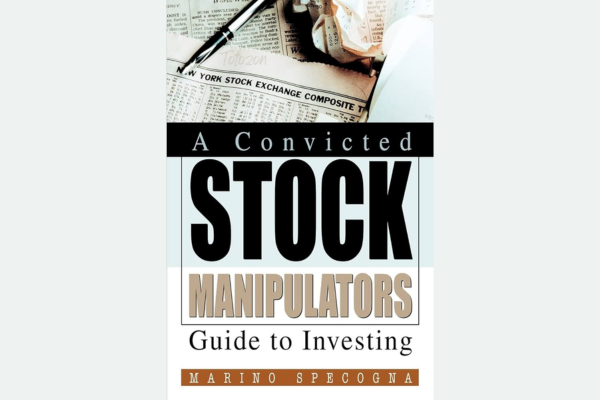 A Convicted Stock Manipulators Guide to Investing with Marino Specogna
1 × $6.00
A Convicted Stock Manipulators Guide to Investing with Marino Specogna
1 × $6.00 -
×
 Quantifiable Edges – Gold Subscription with Rob Hanna
1 × $54.00
Quantifiable Edges – Gold Subscription with Rob Hanna
1 × $54.00 -
×
 Planetary Harmonics of Speculative Markets with Larry Pesavento
1 × $6.00
Planetary Harmonics of Speculative Markets with Larry Pesavento
1 × $6.00 -
×
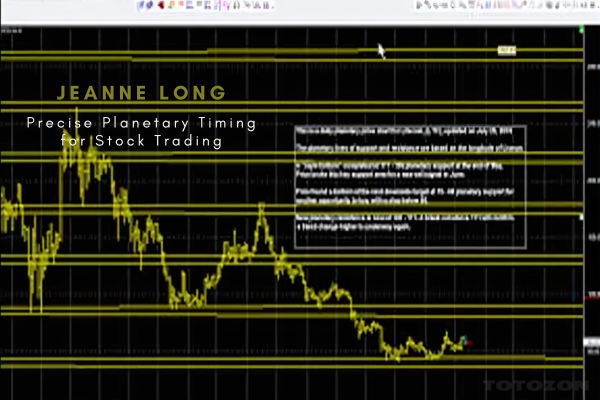 Precise Planetary Timing for Stock Trading
1 × $6.00
Precise Planetary Timing for Stock Trading
1 × $6.00 -
×
 ETF Trading Strategies Revealed with David Vomund
1 × $6.00
ETF Trading Strategies Revealed with David Vomund
1 × $6.00 -
×
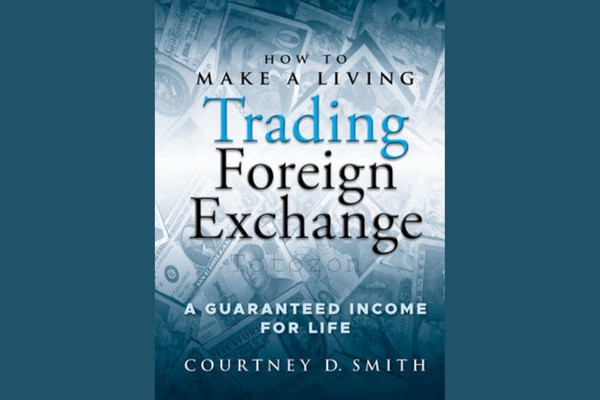 How to Make a Living Trading Foreign Exchange: A Guaranteed Income for Life with Courtney Smith
1 × $6.00
How to Make a Living Trading Foreign Exchange: A Guaranteed Income for Life with Courtney Smith
1 × $6.00 -
×
 Selling Options For A Living Class with Don Kaufman
1 × $6.00
Selling Options For A Living Class with Don Kaufman
1 × $6.00 -
×
 George Bayer Squarring the Circle for Excel
1 × $6.00
George Bayer Squarring the Circle for Excel
1 × $6.00 -
×
 Football Hedging System with Tony Langley
1 × $54.00
Football Hedging System with Tony Langley
1 × $54.00 -
×
 Smart Money Course with Forex XL
1 × $6.00
Smart Money Course with Forex XL
1 × $6.00 -
×
 How to Value & Sell your Business with Andrew Heslop
1 × $6.00
How to Value & Sell your Business with Andrew Heslop
1 × $6.00 -
×
 Trading With Venus
1 × $31.00
Trading With Venus
1 × $31.00 -
×
 Predicting Market Trends with Alan S.Farley
1 × $6.00
Predicting Market Trends with Alan S.Farley
1 × $6.00 -
×
 Gillen Predicts with Jack Gillen
1 × $6.00
Gillen Predicts with Jack Gillen
1 × $6.00 -
×
 Mastering Income Spread Trading with Dave Aquino - Base Camp Trading
1 × $23.00
Mastering Income Spread Trading with Dave Aquino - Base Camp Trading
1 × $23.00 -
×
 Small and Mighty Association with Ryan Lee
1 × $6.00
Small and Mighty Association with Ryan Lee
1 × $6.00 -
×
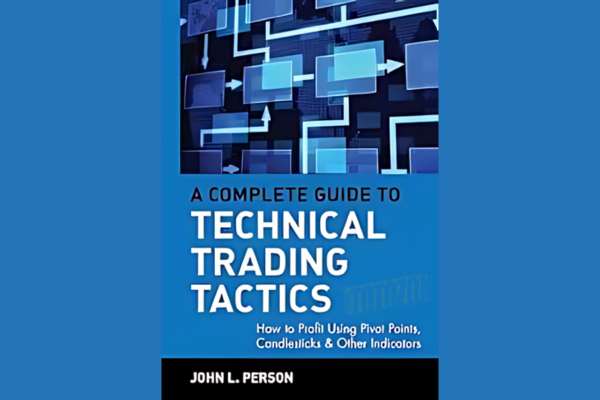 A Complete Guide to Technical Trading Tactics with John Person
1 × $6.00
A Complete Guide to Technical Trading Tactics with John Person
1 × $6.00 -
×
 Trading a Living Thing (Article) with David Bowden
1 × $6.00
Trading a Living Thing (Article) with David Bowden
1 × $6.00 -
×
 Dumb Money: Adventures of a Day Trader with Joey Anuff
1 × $6.00
Dumb Money: Adventures of a Day Trader with Joey Anuff
1 × $6.00 -
×
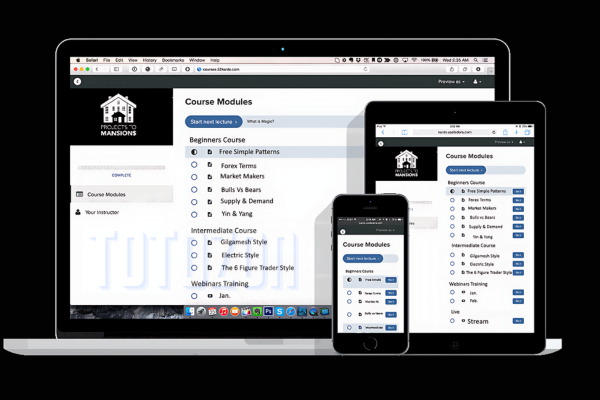 7 Figures Forex Course
1 × $15.00
7 Figures Forex Course
1 × $15.00 -
×
 Prasna Tantra. Horary Astrology with Bangalore Venkata Raman
1 × $6.00
Prasna Tantra. Horary Astrology with Bangalore Venkata Raman
1 × $6.00 -
×
 FXjake Daily Trader Program
1 × $31.00
FXjake Daily Trader Program
1 × $31.00 -
×
 Forex Project Advanced Course with Tyler Crowell
1 × $5.00
Forex Project Advanced Course with Tyler Crowell
1 × $5.00 -
×
 Profiletraders - MARKET PROFILE TACTICAL STRATEGIES FOR DAY TRADING
1 × $23.00
Profiletraders - MARKET PROFILE TACTICAL STRATEGIES FOR DAY TRADING
1 × $23.00 -
×
 Quantitative Trading Strategies (1st Edition) with Lars Kestner
1 × $6.00
Quantitative Trading Strategies (1st Edition) with Lars Kestner
1 × $6.00 -
×
 Investment Performance Measurement with Bruce Feibel
1 × $6.00
Investment Performance Measurement with Bruce Feibel
1 × $6.00 -
×
 Futures & Options Course with Talkin Options
1 × $15.00
Futures & Options Course with Talkin Options
1 × $15.00 -
×
 Home Run Options Trading Course with Dave Aquino - Base Camp Trading
1 × $11.00
Home Run Options Trading Course with Dave Aquino - Base Camp Trading
1 × $11.00 -
×
 How To Scale Up Your Trading - Online Trading Seminar Replay with Austin Silver - ASFX
1 × $31.00
How To Scale Up Your Trading - Online Trading Seminar Replay with Austin Silver - ASFX
1 × $31.00 -
×
 Learn Investing & Trading with Danny Devan
1 × $23.00
Learn Investing & Trading with Danny Devan
1 × $23.00 -
×
 Gold Trading Boot Camp: How to Master the Basics and Become a Successful Commodities Investor - Gregory Weldon & Dennis Gartman
1 × $6.00
Gold Trading Boot Camp: How to Master the Basics and Become a Successful Commodities Investor - Gregory Weldon & Dennis Gartman
1 × $6.00 -
×
 Short-Term Trading with Precision Timing - Jack Bernstein
1 × $6.00
Short-Term Trading with Precision Timing - Jack Bernstein
1 × $6.00 -
×
 SJG Trading - Butterflies Class with Steve Ganz
1 × $31.00
SJG Trading - Butterflies Class with Steve Ganz
1 × $31.00 -
×
 Options 101 - The Basics and Beyond Class A 5-Part Course with Don Kaufman
1 × $6.00
Options 101 - The Basics and Beyond Class A 5-Part Course with Don Kaufman
1 × $6.00 -
×
 Simpler Traders - Ultimate Guide to Debit Spreads (PREMIUM)
1 × $39.00
Simpler Traders - Ultimate Guide to Debit Spreads (PREMIUM)
1 × $39.00 -
×
 Stock Market Trading Systems with Gerald Appel
1 × $6.00
Stock Market Trading Systems with Gerald Appel
1 × $6.00 -
×
 The A to Z of Mathematics: A Basic Guide with Thomas Sidebotham
1 × $6.00
The A to Z of Mathematics: A Basic Guide with Thomas Sidebotham
1 × $6.00 -
×
 Inner Circle Course with Darius Fx
1 × $24.00
Inner Circle Course with Darius Fx
1 × $24.00 -
×
 Foundation of Successful Trading - 2 DVDs and Bonus Gann Time Factor 2 DVDs
1 × $31.00
Foundation of Successful Trading - 2 DVDs and Bonus Gann Time Factor 2 DVDs
1 × $31.00 -
×
 Master Trader with InvestingSimple
1 × $15.00
Master Trader with InvestingSimple
1 × $15.00 -
×
 Indicator Effectiveness Testing & System Creation with David Vomund
1 × $6.00
Indicator Effectiveness Testing & System Creation with David Vomund
1 × $6.00 -
×
 Raghee’s Winners Circle Course
1 × $6.00
Raghee’s Winners Circle Course
1 × $6.00 -
×
 Forex Essentials in 15 Trades with John Bland, Jay Meisler & Michael Archer
1 × $6.00
Forex Essentials in 15 Trades with John Bland, Jay Meisler & Michael Archer
1 × $6.00 -
×
 Optimize Funding Program with Solo Network
1 × $5.00
Optimize Funding Program with Solo Network
1 × $5.00 -
×
 Handbook of Integral Equations with Andrei D.Polyanin, Alexander V.Manzhirov
1 × $6.00
Handbook of Integral Equations with Andrei D.Polyanin, Alexander V.Manzhirov
1 × $6.00 -
×
 Pit Bull with Martin Schwartz
1 × $6.00
Pit Bull with Martin Schwartz
1 × $6.00 -
×
 Futures Spread Trading Intro Course with Thetradingframework
1 × $6.00
Futures Spread Trading Intro Course with Thetradingframework
1 × $6.00 -
×
 Advanced Option Trading with Broken Wing Butterflys with Greg Loehr
1 × $9.00
Advanced Option Trading with Broken Wing Butterflys with Greg Loehr
1 × $9.00 -
×
 After Hour Trading Made Easy with Joe Duarte & Roland Burke
1 × $6.00
After Hour Trading Made Easy with Joe Duarte & Roland Burke
1 × $6.00 -
×
 How to avoid the GAP
1 × $6.00
How to avoid the GAP
1 × $6.00 -
×
 Fibonacci for the Active Trader with Derrik Hobbs
1 × $6.00
Fibonacci for the Active Trader with Derrik Hobbs
1 × $6.00 -
×
 SPIKED COLLARS (Dynamic Hedging)
1 × $15.00
SPIKED COLLARS (Dynamic Hedging)
1 × $15.00 -
×
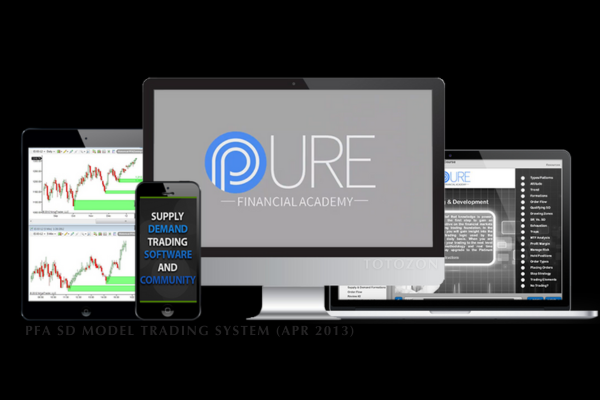 PFA SD Model Trading System (Apr 2013)
1 × $31.00
PFA SD Model Trading System (Apr 2013)
1 × $31.00 -
×
 The Ultimate Investor with Dean LeBaron
1 × $4.00
The Ultimate Investor with Dean LeBaron
1 × $4.00 -
×
 Forex Trading with Ed Ponsi
1 × $6.00
Forex Trading with Ed Ponsi
1 × $6.00 -
×
 Optimize Funding Program 2023 with Solo Network Courses
1 × $13.00
Optimize Funding Program 2023 with Solo Network Courses
1 × $13.00 -
×
 Fractal Flow Strategy Video Course with Fractal Flow Pro
1 × $6.00
Fractal Flow Strategy Video Course with Fractal Flow Pro
1 × $6.00 -
×
 The Instagram DM Automation Playbook with Natasha Takahashi
1 × $6.00
The Instagram DM Automation Playbook with Natasha Takahashi
1 × $6.00 -
×
 The Adventures of the Cycle Hunter. The Analyst with Craig Bttlc
1 × $6.00
The Adventures of the Cycle Hunter. The Analyst with Craig Bttlc
1 × $6.00 -
×
 Online Trading Stocks - Cryptocurrencies & Forex with Set & Forget
1 × $5.00
Online Trading Stocks - Cryptocurrencies & Forex with Set & Forget
1 × $5.00 -
×
 Lazy Emini Trader Master Class Course - David Frost
1 × $10.00
Lazy Emini Trader Master Class Course - David Frost
1 × $10.00 -
×
 Kicker Signals with Stephen W.Bigalow
1 × $6.00
Kicker Signals with Stephen W.Bigalow
1 × $6.00 -
×
 Day Trading and Swing Trading Futures with Price Action by Humberto Malaspina
1 × $5.00
Day Trading and Swing Trading Futures with Price Action by Humberto Malaspina
1 × $5.00 -
×
 Fibonnacci Trader WorkShop (Video 2.38 GB) with Dennis Bolze, Thom Hartle
1 × $6.00
Fibonnacci Trader WorkShop (Video 2.38 GB) with Dennis Bolze, Thom Hartle
1 × $6.00 -
×
 LEAPS Trading Strategies- Powerful Techniques for Options Trading Success - Marty Kearney
1 × $6.00
LEAPS Trading Strategies- Powerful Techniques for Options Trading Success - Marty Kearney
1 × $6.00 -
×
 Sacredscience - Edward Johndro – Collected Articles
1 × $6.00
Sacredscience - Edward Johndro – Collected Articles
1 × $6.00 -
×
 Mapping the Markets: A Guide to Stock Market Analysis with Deborah Owen & Robin Griffiths
1 × $6.00
Mapping the Markets: A Guide to Stock Market Analysis with Deborah Owen & Robin Griffiths
1 × $6.00 -
×
 CHARTCHAMPIONS Course
1 × $10.00
CHARTCHAMPIONS Course
1 × $10.00 -
×
 How to Pick Hot Reverse Merger Penny Stocks with John Lux
1 × $5.00
How to Pick Hot Reverse Merger Penny Stocks with John Lux
1 × $5.00 -
×
 Fractal Market Analysis with Edgar Peters
1 × $6.00
Fractal Market Analysis with Edgar Peters
1 × $6.00 -
×
 Deep Dive Butterfly Trading Strategy Class with SJG Trades
1 × $41.00
Deep Dive Butterfly Trading Strategy Class with SJG Trades
1 × $41.00
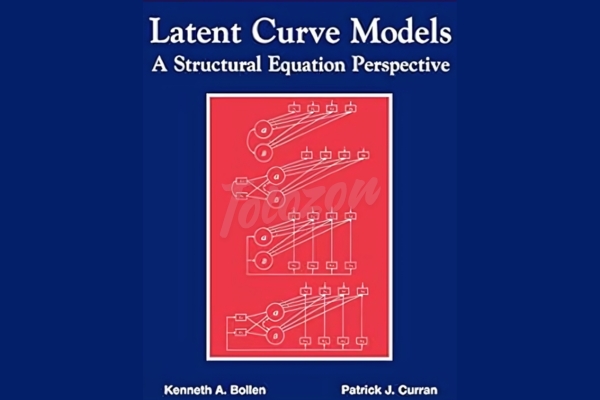
Latent Curve Models with Kenneth Bollen
$6.00
File Size: Coming soon!
Delivery Time: 1–12 hours
Media Type: Online Course
Content Proof: Watch Here!
You may check content proof of “Latent Curve Models with Kenneth Bollen” below:

Latent Curve Models with Kenneth Bollen
Understanding complex data patterns and trajectories over time is crucial in many fields, including psychology, education, and social sciences. Kenneth Bollen, a renowned statistician, offers profound insights into Latent Curve Models (LCMs), a powerful statistical technique used to analyze longitudinal data. Let’s delve into the intricacies of LCMs and how they can enhance our understanding of dynamic processes.
What are Latent Curve Models?
Defining Latent Curve Models
Latent Curve Models (LCMs) are a type of structural equation modeling used to estimate growth trajectories in longitudinal data. They help us understand how individuals change over time.
Why Use LCMs?
LCMs allow researchers to model the underlying growth processes, providing a more nuanced understanding of individual and group changes over time. This makes them invaluable in fields that rely on long-term data analysis.
Key Components of Latent Curve Models
1. Latent Variables
Latent variables are unobserved constructs inferred from observed data. In LCMs, they represent the underlying growth trajectory.
2. Observed Variables
Observed variables are the actual measurements collected over time. These are used to estimate the latent growth trajectories.
3. Growth Parameters
Growth parameters in LCMs include the intercept (initial status) and slope (rate of change). These parameters help in understanding the starting point and the rate of growth.
Applications of Latent Curve Models
1. Psychology
LCMs are widely used in psychology to study developmental changes, such as cognitive development in children or changes in mental health over time.
2. Education
In education, LCMs help in analyzing student progress and the effectiveness of educational interventions.
3. Social Sciences
LCMs provide insights into social phenomena, such as changes in public opinion or the impact of social policies over time.
Advantages of Latent Curve Models
1. Handling Missing Data
One of the significant advantages of LCMs is their ability to handle missing data effectively. This is crucial in longitudinal studies where missing data is a common issue.
2. Flexibility
LCMs offer flexibility in modeling different types of growth trajectories, including linear, quadratic, and exponential growth.
3. Individual Differences
LCMs allow for the analysis of individual differences in growth trajectories, helping to identify unique patterns of change.
Steps to Implement Latent Curve Models
1. Data Collection
The first step in implementing LCMs is collecting longitudinal data, ensuring consistent and accurate measurements over time.
2. Model Specification
Specify the LCM by defining the latent and observed variables, along with the growth parameters. This involves creating a model that accurately represents the data.
3. Model Estimation
Estimate the model parameters using software such as Mplus, LISREL, or R. This step involves fitting the model to the data to obtain the growth trajectories.
4. Model Evaluation
Evaluate the model’s fit using various goodness-of-fit indices. A good model fit indicates that the model accurately represents the data.
5. Interpretation
Interpret the results by examining the growth parameters and their significance. This step helps in understanding the underlying growth processes.
Common Challenges in Latent Curve Modeling
1. Model Complexity
The complexity of LCMs can be challenging, especially for beginners. It requires a thorough understanding of structural equation modeling.
2. Data Requirements
LCMs require large and high-quality longitudinal data, which can be difficult to obtain.
3. Software Proficiency
Proficiency in specialized software is necessary for implementing LCMs, adding to the learning curve.
Advanced Topics in Latent Curve Models
1. Multilevel LCMs
Multilevel LCMs account for nested data structures, such as students within schools or patients within clinics.
2. Growth Mixture Models
Growth Mixture Models (GMMs) extend LCMs by identifying subgroups with distinct growth trajectories within the population.
3. Nonlinear LCMs
Nonlinear LCMs model complex growth patterns that do not follow a straight line, providing a more accurate representation of certain data.
Practical Tips for Using Latent Curve Models
1. Start Simple
Begin with a simple LCM and gradually add complexity as you become more comfortable with the technique.
2. Collaborate
Work with a statistician or methodologist if you’re new to LCMs. Their expertise can help you avoid common pitfalls.
3. Continuous Learning
Stay updated with the latest research and advancements in LCMs. Continuous learning is key to mastering this powerful technique.
Conclusion
Latent Curve Models, as elucidated by Kenneth Bollen, offer a robust framework for analyzing longitudinal data. By understanding and applying LCMs, researchers can uncover hidden patterns of change and gain deeper insights into dynamic processes. Whether in psychology, education, or social sciences, LCMs provide invaluable tools for advancing our understanding of growth and development.
FAQs
1. What are Latent Curve Models?
Latent Curve Models are statistical techniques used to estimate growth trajectories in longitudinal data, revealing patterns of change over time.
2. Why are LCMs important in research?
LCMs are important because they provide a detailed understanding of how individuals and groups change over time, essential for many fields of study.
3. What software can be used to implement LCMs?
Common software for implementing LCMs includes Mplus, LISREL, and R, which offer specialized tools for structural equation modeling.
4. What are the key components of LCMs?
Key components of LCMs include latent variables, observed variables, and growth parameters such as intercepts and slopes.
5. What are the common challenges in using LCMs?
Common challenges include model complexity, data requirements, and the need for proficiency in specialized software.
Be the first to review “Latent Curve Models with Kenneth Bollen”
You must be logged in to post a review.
Related products

Original price was: $895.00.$15.00Current price is: $15.00.

Forex Trading
Original price was: $550.00.$5.00Current price is: $5.00.

Forex Trading
Original price was: $2,995.00.$31.00Current price is: $31.00.

Forex Trading
The Complete Guide to Multiple Time Frame Analysis & Reading Price Action with Aiman Almansoori
Original price was: $1,399.00.$13.00Current price is: $13.00.

Forex Trading
Original price was: $500.00.$5.00Current price is: $5.00.

Original price was: $139.00.$23.00Current price is: $23.00.

Forex Trading
Original price was: $1,098.00.$39.00Current price is: $39.00.

Original price was: $1,849.00.$15.00Current price is: $15.00.

Forex Trading
Original price was: $797.00.$10.00Current price is: $10.00.

Original price was: $497.00.$31.00Current price is: $31.00.

Original price was: $2,120.00.$15.00Current price is: $15.00.

Forex Trading
Original price was: $697.00.$5.00Current price is: $5.00.

Forex Trading
Original price was: $397.00.$31.00Current price is: $31.00.
Original price was: $497.00.$11.00Current price is: $11.00.

Forex Trading
Original price was: $239.00.$8.00Current price is: $8.00.

Original price was: $997.00.$13.00Current price is: $13.00.

Original price was: $310.00.$23.00Current price is: $23.00.

Original price was: $1,800.00.$54.00Current price is: $54.00.

Forex Trading
Original price was: $799.00.$15.00Current price is: $15.00.

Forex Trading
Original price was: $499.00.$15.00Current price is: $15.00.
Reviews
There are no reviews yet.