
-
×
 Commodity Options: Trading and Hedging Volatility in the World’s Most Lucrative Market with Carley Garner & Paul Brittain
1 × $6.00
Commodity Options: Trading and Hedging Volatility in the World’s Most Lucrative Market with Carley Garner & Paul Brittain
1 × $6.00 -
×
 Wyckoff simplified from Michael Z
1 × $6.00
Wyckoff simplified from Michael Z
1 × $6.00 -
×
 Finding Alpha: The Search for Alpha When Risk and Return Break Down with Eric Falkenstein
1 × $6.00
Finding Alpha: The Search for Alpha When Risk and Return Break Down with Eric Falkenstein
1 × $6.00 -
×
 MT4 High Probability Forex Trading Method
1 × $6.00
MT4 High Probability Forex Trading Method
1 × $6.00 -
×
 Forex Trading Course. Turn $1,260 Into $12,300 In 30 Days with David Arena
1 × $6.00
Forex Trading Course. Turn $1,260 Into $12,300 In 30 Days with David Arena
1 × $6.00 -
×
 Discover the MEM Simple Moving Average Formula with Mary Ellen McGonagle
1 × $15.00
Discover the MEM Simple Moving Average Formula with Mary Ellen McGonagle
1 × $15.00 -
×
 The Handbook of Alternative Investments with Darrell R.Jobman
1 × $6.00
The Handbook of Alternative Investments with Darrell R.Jobman
1 × $6.00 -
×
 My Favorite Trades – Trading Mastery
1 × $6.00
My Favorite Trades – Trading Mastery
1 × $6.00 -
×
 $20 – 52k 20 pips a day challange with Rafał Zuchowicz - TopMasterTrader
1 × $5.00
$20 – 52k 20 pips a day challange with Rafał Zuchowicz - TopMasterTrader
1 × $5.00 -
×
 George Wollsten: Expert Stock and Grain Trader with George Bayer
1 × $6.00
George Wollsten: Expert Stock and Grain Trader with George Bayer
1 × $6.00 -
×
 Technical Analysis 101: A Comprehensive Guide to Becoming a Better Trader Class with Jeff Bierman
1 × $6.00
Technical Analysis 101: A Comprehensive Guide to Becoming a Better Trader Class with Jeff Bierman
1 × $6.00 -
×
 Rob’s Swing Trading Methods with Rob Hoffman
1 × $39.00
Rob’s Swing Trading Methods with Rob Hoffman
1 × $39.00 -
×
 NQ Price Action Mastery with Trade Smart
1 × $15.00
NQ Price Action Mastery with Trade Smart
1 × $15.00 -
×
 Pairs Trading The Final Frontier with Don Kaufman
1 × $6.00
Pairs Trading The Final Frontier with Don Kaufman
1 × $6.00 -
×
 Market Evolution
1 × $6.00
Market Evolution
1 × $6.00 -
×
 Mastering the Complex Sale: How to Compete and Win When the Stakes are High! with Jeff Thull
1 × $6.00
Mastering the Complex Sale: How to Compete and Win When the Stakes are High! with Jeff Thull
1 × $6.00 -
×
 CFA Level 1 – PassMaster 2004 CD with Stalla
1 × $6.00
CFA Level 1 – PassMaster 2004 CD with Stalla
1 × $6.00 -
×
 Simpler Traders - Ultimate Guide to Debit Spreads (PREMIUM)
1 × $39.00
Simpler Traders - Ultimate Guide to Debit Spreads (PREMIUM)
1 × $39.00 -
×
 Advanced Group Analysis Turorial with David Vomund
1 × $6.00
Advanced Group Analysis Turorial with David Vomund
1 × $6.00 -
×
 Proven Chart Patterns: Key Indicators for Success in Today’s Markets with Chris Manning
1 × $6.00
Proven Chart Patterns: Key Indicators for Success in Today’s Markets with Chris Manning
1 × $6.00 -
×
 Quantifiable Edges – Gold Subscription with Rob Hanna
1 × $54.00
Quantifiable Edges – Gold Subscription with Rob Hanna
1 × $54.00 -
×
 All Candlestick Patterns Tested And Ranked with Quantified Strategies
1 × $8.00
All Candlestick Patterns Tested And Ranked with Quantified Strategies
1 × $8.00 -
×
 The Aggressive Investor. Case Studies with Colin Nicholson
1 × $6.00
The Aggressive Investor. Case Studies with Colin Nicholson
1 × $6.00 -
×
 How to Build Fortune. Trading Stock Index Futures with Dennis Minogue
1 × $6.00
How to Build Fortune. Trading Stock Index Futures with Dennis Minogue
1 × $6.00 -
×
 The A to Z of Mathematics: A Basic Guide with Thomas Sidebotham
1 × $6.00
The A to Z of Mathematics: A Basic Guide with Thomas Sidebotham
1 × $6.00 -
×
 Option Trading: Pricing and Volatility Strategies and Techniques with Euan Sinclair
1 × $6.00
Option Trading: Pricing and Volatility Strategies and Techniques with Euan Sinclair
1 × $6.00 -
×
 Advanced Trading Course with Edney Pinheiro
1 × $5.00
Advanced Trading Course with Edney Pinheiro
1 × $5.00 -
×
 Manage By The Greeks 2016 with Sheridan
1 × $6.00
Manage By The Greeks 2016 with Sheridan
1 × $6.00 -
×
 Stock Detective Investor: Finding Market Gems Online with Kevin Lichtman & Lynn Duke
1 × $6.00
Stock Detective Investor: Finding Market Gems Online with Kevin Lichtman & Lynn Duke
1 × $6.00 -
×
 Stochastic Calculus with Alan Bain
1 × $6.00
Stochastic Calculus with Alan Bain
1 × $6.00 -
×
 Mind & Markets. An Advanced Study Course of Stock Market Education (1951) with Bert Larson
1 × $6.00
Mind & Markets. An Advanced Study Course of Stock Market Education (1951) with Bert Larson
1 × $6.00 -
×
 Advanced Management Strategies - Home Study with Pristine Capital
1 × $27.00
Advanced Management Strategies - Home Study with Pristine Capital
1 × $27.00 -
×
 How to Trade Better with Larry Williams
1 × $6.00
How to Trade Better with Larry Williams
1 × $6.00 -
×
 Trading Analysis Crash Course
1 × $23.00
Trading Analysis Crash Course
1 × $23.00 -
×
 Live in London (5 DVD) with Martin Pring
1 × $6.00
Live in London (5 DVD) with Martin Pring
1 × $6.00 -
×
 Scientific Forex with Cristina Ciurea
1 × $6.00
Scientific Forex with Cristina Ciurea
1 × $6.00 -
×
 Wyckoff Unleashed Official Online Course (2018) with Wyckoffsmi
1 × $23.00
Wyckoff Unleashed Official Online Course (2018) with Wyckoffsmi
1 × $23.00 -
×
 Gann’s Scientific Methods Unveiled (Vol I, II)
1 × $6.00
Gann’s Scientific Methods Unveiled (Vol I, II)
1 × $6.00 -
×
 Fierce 10 with Mandi Rafsendjani
1 × $5.00
Fierce 10 with Mandi Rafsendjani
1 × $5.00 -
×
 Essentials in Quantitative Trading QT01 By HangukQuant's
1 × $23.00
Essentials in Quantitative Trading QT01 By HangukQuant's
1 × $23.00 -
×
 Generating Consistent Profits On Smaller Accounts
1 × $23.00
Generating Consistent Profits On Smaller Accounts
1 × $23.00 -
×
 Futures & Options from A to Z with Russell Wassendorf
1 × $6.00
Futures & Options from A to Z with Russell Wassendorf
1 × $6.00 -
×
 The Adventures of the Cycle Hunter. The Cyclist with Craig Bttlc
1 × $6.00
The Adventures of the Cycle Hunter. The Cyclist with Craig Bttlc
1 × $6.00 -
×
 Learn how to trade Volatility 75 Index Technical Analysis with Patrick Muke
1 × $6.00
Learn how to trade Volatility 75 Index Technical Analysis with Patrick Muke
1 × $6.00 -
×
 Managing By The Greeks (6 Classes) Sept 2010 [9 Videos(mp4) 11 docs(pdf)] by Dan Sheridan
1 × $6.00
Managing By The Greeks (6 Classes) Sept 2010 [9 Videos(mp4) 11 docs(pdf)] by Dan Sheridan
1 × $6.00 -
×
 Fractal Flow Strategy Video Course with Fractal Flow Pro
1 × $6.00
Fractal Flow Strategy Video Course with Fractal Flow Pro
1 × $6.00 -
×
 Becoming a Disciplined Trader: Techniques for Achieving Peak Trading Performance with Ari Kiev
1 × $6.00
Becoming a Disciplined Trader: Techniques for Achieving Peak Trading Performance with Ari Kiev
1 × $6.00 -
×
 SE ELITE COURSE with SE TRADINGX
1 × $5.00
SE ELITE COURSE with SE TRADINGX
1 × $5.00 -
×
 Investment Strategies for the 21th Century with Frank Amstrong
1 × $6.00
Investment Strategies for the 21th Century with Frank Amstrong
1 × $6.00 -
×
 Trading Ist Ein Geschaft (German) (tradingeducators.com)
1 × $6.00
Trading Ist Ein Geschaft (German) (tradingeducators.com)
1 × $6.00 -
×
 High Probability Option Trading - Covered Calls and Credit Spreads
1 × $6.00
High Probability Option Trading - Covered Calls and Credit Spreads
1 × $6.00 -
×
 Small Account Options Trading Workshop Package with Doc Severson
1 × $6.00
Small Account Options Trading Workshop Package with Doc Severson
1 × $6.00 -
×
 Forex Libra Code Software
1 × $31.00
Forex Libra Code Software
1 × $31.00 -
×
 Secrets of the Darvas Trading System
1 × $6.00
Secrets of the Darvas Trading System
1 × $6.00 -
×
 Pre-Previews. 23 Articles and Forecasts
1 × $6.00
Pre-Previews. 23 Articles and Forecasts
1 × $6.00 -
×
 How To Write High Converting Copy with Tej Dosa
1 × $6.00
How To Write High Converting Copy with Tej Dosa
1 × $6.00 -
×
 7 Commandments of Stock Investing with Gene Marcial
1 × $6.00
7 Commandments of Stock Investing with Gene Marcial
1 × $6.00 -
×
 TradeCraft: Your Path to Peak Performance Trading By Adam Grimes
1 × $15.00
TradeCraft: Your Path to Peak Performance Trading By Adam Grimes
1 × $15.00 -
×
 Secret Weapon to Trading Options on ETF's Class with Don Kaufman
1 × $6.00
Secret Weapon to Trading Options on ETF's Class with Don Kaufman
1 × $6.00 -
×
 Revolutionary Proven 3 Step with NFTs Cracked
1 × $6.00
Revolutionary Proven 3 Step with NFTs Cracked
1 × $6.00 -
×
 Secrets of Swiss Banking with Hoyt Barber
1 × $6.00
Secrets of Swiss Banking with Hoyt Barber
1 × $6.00 -
×
 The Trader's Mindset Course with Chris Mathews
1 × $6.00
The Trader's Mindset Course with Chris Mathews
1 × $6.00 -
×
 The Practical Handbook of Genetic Algorithms with Lance Chambers
1 × $6.00
The Practical Handbook of Genetic Algorithms with Lance Chambers
1 × $6.00 -
×
 Guide to Scanning for Potential Stock Trades class with Jeff Bierman
1 × $6.00
Guide to Scanning for Potential Stock Trades class with Jeff Bierman
1 × $6.00 -
×
 Mastering Risk Modeling with Excel by Alastair Day
1 × $6.00
Mastering Risk Modeling with Excel by Alastair Day
1 × $6.00 -
×
 3 Hour Calendar Class With Bonus 3 Months Daily Analysis!
1 × $23.00
3 Hour Calendar Class With Bonus 3 Months Daily Analysis!
1 × $23.00 -
×
 Fibonacci Analysis with Constance Brown
1 × $6.00
Fibonacci Analysis with Constance Brown
1 × $6.00 -
×
 Handbook of Integral Equations with Andrei D.Polyanin, Alexander V.Manzhirov
1 × $6.00
Handbook of Integral Equations with Andrei D.Polyanin, Alexander V.Manzhirov
1 × $6.00 -
×
 How To Buy with Justin Mamis
1 × $6.00
How To Buy with Justin Mamis
1 × $6.00 -
×
 Day Trading Institution 2.0 with Raul Gonzalez
1 × $5.00
Day Trading Institution 2.0 with Raul Gonzalez
1 × $5.00 -
×
 PFA SD Model Trading System (Apr 2013)
1 × $31.00
PFA SD Model Trading System (Apr 2013)
1 × $31.00 -
×
 Insider Buying The Ultimate Leading Indicator with Alex Green
1 × $6.00
Insider Buying The Ultimate Leading Indicator with Alex Green
1 × $6.00 -
×
 The Complete Guide to Multiple Time Frame Analysis & Reading Price Action with Aiman Almansoori
1 × $13.00
The Complete Guide to Multiple Time Frame Analysis & Reading Price Action with Aiman Almansoori
1 × $13.00 -
×
 Patterns of Speculation with Bertrand M.Roehner
1 × $6.00
Patterns of Speculation with Bertrand M.Roehner
1 × $6.00 -
×
 Knowing Where the Energy is Coming From with Charles Drummond
1 × $6.00
Knowing Where the Energy is Coming From with Charles Drummond
1 × $6.00 -
×
 Options Trading & Ultimate MasterClass With Tyrone Abela - FX Evolution
1 × $54.00
Options Trading & Ultimate MasterClass With Tyrone Abela - FX Evolution
1 × $54.00 -
×
 Complete Trading Course with Sean Dekmar
1 × $5.00
Complete Trading Course with Sean Dekmar
1 × $5.00 -
×
 Secret Income with James Altucher
1 × $62.00
Secret Income with James Altucher
1 × $62.00 -
×
 FXJake Webinars with Walter Peters
1 × $6.00
FXJake Webinars with Walter Peters
1 × $6.00 -
×
 Power Cycle Trading The Ultimate Option Guide: When & How to Use Which Option Strategy For the Best Results - Powercycletrading
1 × $69.00
Power Cycle Trading The Ultimate Option Guide: When & How to Use Which Option Strategy For the Best Results - Powercycletrading
1 × $69.00 -
×
 The Banker’s Edge Webinar & Extras
1 × $6.00
The Banker’s Edge Webinar & Extras
1 × $6.00 -
×
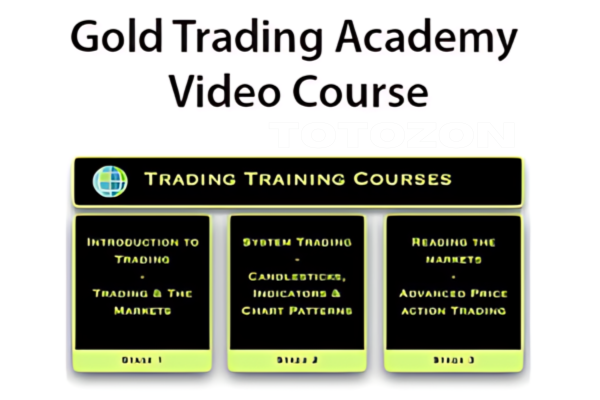 Gold Trading Academy Video Course
1 × $23.00
Gold Trading Academy Video Course
1 × $23.00 -
×
 Candlestick Patterns to Master Forex Trading Price Action with Federico Sellitti
1 × $6.00
Candlestick Patterns to Master Forex Trading Price Action with Federico Sellitti
1 × $6.00 -
×
 Stock Trading Wizard
1 × $6.00
Stock Trading Wizard
1 × $6.00 -
×
 NASDAQ Level II Trading Strategies
1 × $6.00
NASDAQ Level II Trading Strategies
1 × $6.00 -
×
 Essential Skills for Consistency in Trading Class with Don Kaufman
1 × $6.00
Essential Skills for Consistency in Trading Class with Don Kaufman
1 × $6.00 -
×
 JokerSZN Course with David
1 × $20.00
JokerSZN Course with David
1 × $20.00 -
×
 Handbook on the Knowledge Economy with David Rooney
1 × $6.00
Handbook on the Knowledge Economy with David Rooney
1 × $6.00 -
×
 High Probability Continuation and Reversal Patterns
1 × $23.00
High Probability Continuation and Reversal Patterns
1 × $23.00 -
×
 Order Flow Trading Advanced Masterclass with The Forex Scalpers
1 × $24.00
Order Flow Trading Advanced Masterclass with The Forex Scalpers
1 × $24.00 -
×
 Create Your Own Hedge Fund with Mark Wolfinger
1 × $6.00
Create Your Own Hedge Fund with Mark Wolfinger
1 × $6.00 -
×
 Guide To Selling High Probability Spreads Class with Don Kaufman
1 × $6.00
Guide To Selling High Probability Spreads Class with Don Kaufman
1 × $6.00 -
×
 How To Successfully Trade The Haggerty Slim Jim Strategy for Explosive Gains with Kevin Haggerty
1 × $6.00
How To Successfully Trade The Haggerty Slim Jim Strategy for Explosive Gains with Kevin Haggerty
1 × $6.00 -
×
 Five Trading Trends of 2005 with Dan Denning
1 × $6.00
Five Trading Trends of 2005 with Dan Denning
1 × $6.00 -
×
 Investing with Exchange Traded Funds Made Easy with Marvin Appel
1 × $6.00
Investing with Exchange Traded Funds Made Easy with Marvin Appel
1 × $6.00 -
×
 Market Stalkers Level 2 - Daytrading College (2020)
1 × $8.00
Market Stalkers Level 2 - Daytrading College (2020)
1 × $8.00 -
×
 All Access Online Trading Course with Steve Luke
1 × $6.00
All Access Online Trading Course with Steve Luke
1 × $6.00 -
×
 Psychology of the Stock Market (1912) with G.C.Selden
1 × $6.00
Psychology of the Stock Market (1912) with G.C.Selden
1 × $6.00 -
×
 San Jose Options - Iron Condor & Butterfly Options Trading Videos
1 × $15.00
San Jose Options - Iron Condor & Butterfly Options Trading Videos
1 × $15.00 -
×
 Market Profile Video with FutexLive
1 × $6.00
Market Profile Video with FutexLive
1 × $6.00 -
×
 Crypto Trading Cyber Security for Bitcoin & Altcoin Holders with Zlatin Georgiev
1 × $5.00
Crypto Trading Cyber Security for Bitcoin & Altcoin Holders with Zlatin Georgiev
1 × $5.00 -
×
 Market Energy Trader with Top Trade Tools
1 × $5.00
Market Energy Trader with Top Trade Tools
1 × $5.00 -
×
 Long-Term Secrets to Short-Term Trading (Ebook) with Larry Williams
1 × $6.00
Long-Term Secrets to Short-Term Trading (Ebook) with Larry Williams
1 × $6.00 -
×
 Japanese Trading Systems with Tradesmart University
1 × $9.00
Japanese Trading Systems with Tradesmart University
1 × $9.00 -
×
 Starter Guide to Investing Stocks, Crypto & Precious Metals with Ryan Hogue
1 × $5.00
Starter Guide to Investing Stocks, Crypto & Precious Metals with Ryan Hogue
1 × $5.00 -
×
 The Trading Blueprint with Brad Goh - The Trading Geek
1 × $5.00
The Trading Blueprint with Brad Goh - The Trading Geek
1 × $5.00 -
×
 The Orderflows Trade Opportunities Encyclopedia with Michael Valtos
1 × $8.00
The Orderflows Trade Opportunities Encyclopedia with Michael Valtos
1 × $8.00
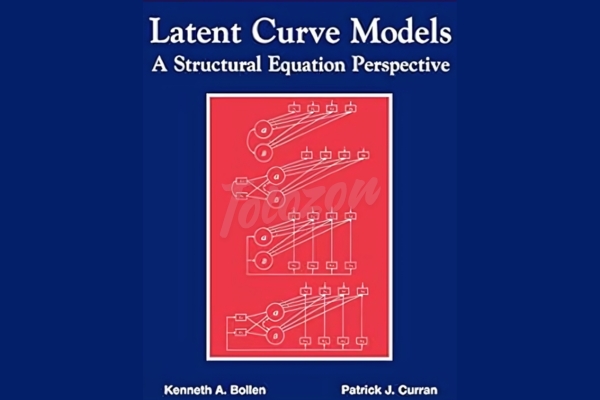
Latent Curve Models with Kenneth Bollen
$6.00
File Size: Coming soon!
Delivery Time: 1–12 hours
Media Type: Online Course
Content Proof: Watch Here!
You may check content proof of “Latent Curve Models with Kenneth Bollen” below:

Latent Curve Models with Kenneth Bollen
Understanding complex data patterns and trajectories over time is crucial in many fields, including psychology, education, and social sciences. Kenneth Bollen, a renowned statistician, offers profound insights into Latent Curve Models (LCMs), a powerful statistical technique used to analyze longitudinal data. Let’s delve into the intricacies of LCMs and how they can enhance our understanding of dynamic processes.
What are Latent Curve Models?
Defining Latent Curve Models
Latent Curve Models (LCMs) are a type of structural equation modeling used to estimate growth trajectories in longitudinal data. They help us understand how individuals change over time.
Why Use LCMs?
LCMs allow researchers to model the underlying growth processes, providing a more nuanced understanding of individual and group changes over time. This makes them invaluable in fields that rely on long-term data analysis.
Key Components of Latent Curve Models
1. Latent Variables
Latent variables are unobserved constructs inferred from observed data. In LCMs, they represent the underlying growth trajectory.
2. Observed Variables
Observed variables are the actual measurements collected over time. These are used to estimate the latent growth trajectories.
3. Growth Parameters
Growth parameters in LCMs include the intercept (initial status) and slope (rate of change). These parameters help in understanding the starting point and the rate of growth.
Applications of Latent Curve Models
1. Psychology
LCMs are widely used in psychology to study developmental changes, such as cognitive development in children or changes in mental health over time.
2. Education
In education, LCMs help in analyzing student progress and the effectiveness of educational interventions.
3. Social Sciences
LCMs provide insights into social phenomena, such as changes in public opinion or the impact of social policies over time.
Advantages of Latent Curve Models
1. Handling Missing Data
One of the significant advantages of LCMs is their ability to handle missing data effectively. This is crucial in longitudinal studies where missing data is a common issue.
2. Flexibility
LCMs offer flexibility in modeling different types of growth trajectories, including linear, quadratic, and exponential growth.
3. Individual Differences
LCMs allow for the analysis of individual differences in growth trajectories, helping to identify unique patterns of change.
Steps to Implement Latent Curve Models
1. Data Collection
The first step in implementing LCMs is collecting longitudinal data, ensuring consistent and accurate measurements over time.
2. Model Specification
Specify the LCM by defining the latent and observed variables, along with the growth parameters. This involves creating a model that accurately represents the data.
3. Model Estimation
Estimate the model parameters using software such as Mplus, LISREL, or R. This step involves fitting the model to the data to obtain the growth trajectories.
4. Model Evaluation
Evaluate the model’s fit using various goodness-of-fit indices. A good model fit indicates that the model accurately represents the data.
5. Interpretation
Interpret the results by examining the growth parameters and their significance. This step helps in understanding the underlying growth processes.
Common Challenges in Latent Curve Modeling
1. Model Complexity
The complexity of LCMs can be challenging, especially for beginners. It requires a thorough understanding of structural equation modeling.
2. Data Requirements
LCMs require large and high-quality longitudinal data, which can be difficult to obtain.
3. Software Proficiency
Proficiency in specialized software is necessary for implementing LCMs, adding to the learning curve.
Advanced Topics in Latent Curve Models
1. Multilevel LCMs
Multilevel LCMs account for nested data structures, such as students within schools or patients within clinics.
2. Growth Mixture Models
Growth Mixture Models (GMMs) extend LCMs by identifying subgroups with distinct growth trajectories within the population.
3. Nonlinear LCMs
Nonlinear LCMs model complex growth patterns that do not follow a straight line, providing a more accurate representation of certain data.
Practical Tips for Using Latent Curve Models
1. Start Simple
Begin with a simple LCM and gradually add complexity as you become more comfortable with the technique.
2. Collaborate
Work with a statistician or methodologist if you’re new to LCMs. Their expertise can help you avoid common pitfalls.
3. Continuous Learning
Stay updated with the latest research and advancements in LCMs. Continuous learning is key to mastering this powerful technique.
Conclusion
Latent Curve Models, as elucidated by Kenneth Bollen, offer a robust framework for analyzing longitudinal data. By understanding and applying LCMs, researchers can uncover hidden patterns of change and gain deeper insights into dynamic processes. Whether in psychology, education, or social sciences, LCMs provide invaluable tools for advancing our understanding of growth and development.
FAQs
1. What are Latent Curve Models?
Latent Curve Models are statistical techniques used to estimate growth trajectories in longitudinal data, revealing patterns of change over time.
2. Why are LCMs important in research?
LCMs are important because they provide a detailed understanding of how individuals and groups change over time, essential for many fields of study.
3. What software can be used to implement LCMs?
Common software for implementing LCMs includes Mplus, LISREL, and R, which offer specialized tools for structural equation modeling.
4. What are the key components of LCMs?
Key components of LCMs include latent variables, observed variables, and growth parameters such as intercepts and slopes.
5. What are the common challenges in using LCMs?
Common challenges include model complexity, data requirements, and the need for proficiency in specialized software.
Be the first to review “Latent Curve Models with Kenneth Bollen”
You must be logged in to post a review.
Related products

Original price was: $799.00.$15.00Current price is: $15.00.

Forex Trading
Original price was: $499.00.$15.00Current price is: $15.00.

Original price was: $895.00.$15.00Current price is: $15.00.

Forex Trading
Original price was: $1,898.00.$10.00Current price is: $10.00.

Original price was: $997.00.$8.00Current price is: $8.00.

Original price was: $139.00.$23.00Current price is: $23.00.

Original price was: $649.00.$20.00Current price is: $20.00.

Original price was: $1,849.00.$15.00Current price is: $15.00.

Forex Trading
Original price was: $999.00.$15.00Current price is: $15.00.

Forex Trading
Original price was: $4,997.00.$27.00Current price is: $27.00.
Original price was: $4,995.00.$15.00Current price is: $15.00.

Forex Trading
Original price was: $500.00.$5.00Current price is: $5.00.

Forex Trading
Original price was: $239.00.$8.00Current price is: $8.00.
Original price was: $299.00.$8.00Current price is: $8.00.

Original price was: $497.00.$11.00Current price is: $11.00.

Original price was: $1,200.00.$23.00Current price is: $23.00.
Forex Trading
Original price was: $697.00.$5.00Current price is: $5.00.
Forex Trading
Original price was: $850.00.$23.00Current price is: $23.00.

Original price was: $997.00.$13.00Current price is: $13.00.
Original price was: $197.00.$5.00Current price is: $5.00.
Reviews
There are no reviews yet.