
-
×
 RSI Unleashed: Building a Comprehensive Trading Framework By Doc Severson
1 × $6.00
RSI Unleashed: Building a Comprehensive Trading Framework By Doc Severson
1 × $6.00 -
×
 The Indices Orderflow Masterclass with The Forex Scalpers
1 × $23.00
The Indices Orderflow Masterclass with The Forex Scalpers
1 × $23.00 -
×
 Fibonacci for the Active Trader with Derrik Hobbs
1 × $6.00
Fibonacci for the Active Trader with Derrik Hobbs
1 × $6.00 -
×
 Crystal Ball Pack PLUS bonus Live Trade By Pat Mitchell - Trick Trades
1 × $20.00
Crystal Ball Pack PLUS bonus Live Trade By Pat Mitchell - Trick Trades
1 × $20.00 -
×
 How to avoid the GAP
1 × $6.00
How to avoid the GAP
1 × $6.00 -
×
 Quantamentals - The Next Great Forefront Of Trading and Investing with Trading Markets
1 × $8.00
Quantamentals - The Next Great Forefront Of Trading and Investing with Trading Markets
1 × $8.00 -
×
 Bond Market Course with The Macro Compass
1 × $15.00
Bond Market Course with The Macro Compass
1 × $15.00 -
×
 The A14 Weekly Option Strategy Workshop with Amy Meissner
1 × $23.00
The A14 Weekly Option Strategy Workshop with Amy Meissner
1 × $23.00 -
×
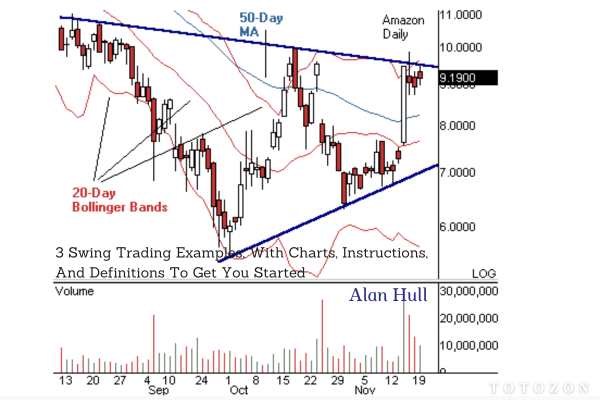 3 Swing Trading Examples, With Charts, Instructions, And Definitions To Get You Started by Alan Farley
1 × $6.00
3 Swing Trading Examples, With Charts, Instructions, And Definitions To Get You Started by Alan Farley
1 × $6.00 -
×
 THE ART OF ADJUSTING IN 2017
1 × $6.00
THE ART OF ADJUSTING IN 2017
1 × $6.00 -
×
 Advanced Spread Trading with Guy Bower - MasterClass Trader
1 × $15.00
Advanced Spread Trading with Guy Bower - MasterClass Trader
1 × $15.00 -
×
 The Orderflows Trade Opportunities Encyclopedia with Michael Valtos
1 × $8.00
The Orderflows Trade Opportunities Encyclopedia with Michael Valtos
1 × $8.00 -
×
 Ultimate Trading Course with Dodgy's Dungeon
1 × $8.00
Ultimate Trading Course with Dodgy's Dungeon
1 × $8.00 -
×
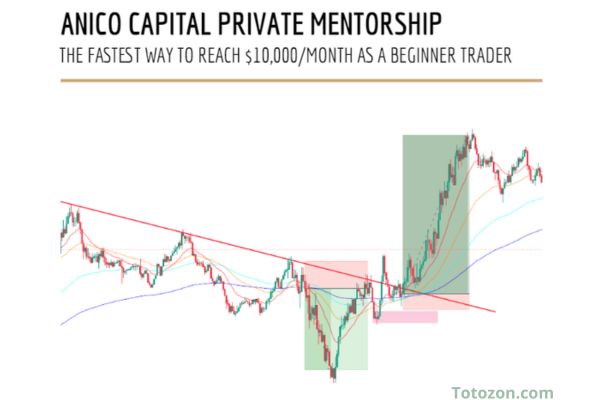 Private Mentorship with ANICO Capital
1 × $10.00
Private Mentorship with ANICO Capital
1 × $10.00 -
×
 Best of the Best: Collars with Amy Meissner & Scott Ruble
1 × $15.00
Best of the Best: Collars with Amy Meissner & Scott Ruble
1 × $15.00 -
×
 Options Trading & Ultimate MasterClass With Tyrone Abela - FX Evolution
1 × $54.00
Options Trading & Ultimate MasterClass With Tyrone Abela - FX Evolution
1 × $54.00 -
×
 Fundamentals 101: A Comprehensive Guide to Macroeconomic, Industry, and Financial Statement Analysis Class with Jeff Bierman
1 × $6.00
Fundamentals 101: A Comprehensive Guide to Macroeconomic, Industry, and Financial Statement Analysis Class with Jeff Bierman
1 × $6.00 -
×
 High Probability Trading Using Elliott Wave And Fibonacci Analysis withVic Patel - Forex Training Group
1 × $10.00
High Probability Trading Using Elliott Wave And Fibonacci Analysis withVic Patel - Forex Training Group
1 × $10.00 -
×
 Compass Trading System with Right Line Trading
1 × $39.00
Compass Trading System with Right Line Trading
1 × $39.00 -
×
 Big Boy Volume Spread Analysis + Advanced Price Action Mastery Course with Kai Sheng Chew
1 × $15.00
Big Boy Volume Spread Analysis + Advanced Price Action Mastery Course with Kai Sheng Chew
1 × $15.00 -
×
 Trading Aplications of Japanese Candlestick Charting with Gary S.Wagner & Bradley L.Matheny
1 × $6.00
Trading Aplications of Japanese Candlestick Charting with Gary S.Wagner & Bradley L.Matheny
1 × $6.00 -
×
 An Empirical Ananlysis of Stock Market Sentiment (Article) with Andrea Terzi
1 × $6.00
An Empirical Ananlysis of Stock Market Sentiment (Article) with Andrea Terzi
1 × $6.00 -
×
 Trading 3SMA System with Hector DeVille
1 × $6.00
Trading 3SMA System with Hector DeVille
1 × $6.00 -
×
 How To Read The Market Professionally with TradeSmart
1 × $27.00
How To Read The Market Professionally with TradeSmart
1 × $27.00 -
×
 Full Volume Forex Training Course with ThatFXTrader
1 × $5.00
Full Volume Forex Training Course with ThatFXTrader
1 × $5.00 -
×
 The Trading Blueprint with Brad Goh - The Trading Geek
1 × $5.00
The Trading Blueprint with Brad Goh - The Trading Geek
1 × $5.00 -
×
 The Prop Trading Code with Brannigan Barrett - Axia Futures
1 × $23.00
The Prop Trading Code with Brannigan Barrett - Axia Futures
1 × $23.00 -
×
 Startup Trading Masterclass with Jack Gleason
1 × $93.00
Startup Trading Masterclass with Jack Gleason
1 × $93.00 -
×
 The Complete Guide to Multiple Time Frame Analysis & Reading Price Action with Aiman Almansoori
1 × $13.00
The Complete Guide to Multiple Time Frame Analysis & Reading Price Action with Aiman Almansoori
1 × $13.00 -
×
 Forecast 2024 Clarification with Larry Williams
1 × $15.00
Forecast 2024 Clarification with Larry Williams
1 × $15.00 -
×
 How I Turned 500 USD to 6 Figures in 2 months Trading Options with The Money Printers
1 × $8.00
How I Turned 500 USD to 6 Figures in 2 months Trading Options with The Money Printers
1 × $8.00 -
×
 4 Day Trading Bootcamp
1 × $31.00
4 Day Trading Bootcamp
1 × $31.00 -
×
 Spotting Solid Short-Term Opportunities
1 × $6.00
Spotting Solid Short-Term Opportunities
1 × $6.00 -
×
 Futures Trading (German)
1 × $6.00
Futures Trading (German)
1 × $6.00 -
×
 $20 – 52k 20 pips a day challange with Rafał Zuchowicz - TopMasterTrader
1 × $5.00
$20 – 52k 20 pips a day challange with Rafał Zuchowicz - TopMasterTrader
1 × $5.00 -
×
 Confessions of a Street Addict with James Cramer
1 × $6.00
Confessions of a Street Addict with James Cramer
1 × $6.00 -
×
 Essentials in Quantitative Trading QT01 By HangukQuant's
1 × $23.00
Essentials in Quantitative Trading QT01 By HangukQuant's
1 × $23.00 -
×
 Order flow self-study training program with iMFtracker
1 × $10.00
Order flow self-study training program with iMFtracker
1 × $10.00 -
×
 Learn To Profit From The Forex Market with FX Hustle
1 × $6.00
Learn To Profit From The Forex Market with FX Hustle
1 × $6.00 -
×
 Consistent Small Account Growth Formula with Matt Williamson
1 × $6.00
Consistent Small Account Growth Formula with Matt Williamson
1 × $6.00 -
×
 How I use Technical Analysis & Orderflow with Adam Webb - Traderskew
1 × $54.00
How I use Technical Analysis & Orderflow with Adam Webb - Traderskew
1 × $54.00 -
×
 Traders: Risks, Decisions, and Management in Financial Markets - Mark Fenton-O’Creevy, Nigel Nicholson, Emma Soane & Paul Willman
1 × $6.00
Traders: Risks, Decisions, and Management in Financial Markets - Mark Fenton-O’Creevy, Nigel Nicholson, Emma Soane & Paul Willman
1 × $6.00 -
×
 A14 Weekly Options Strategy Workshop 2023 with Amy Meissner - Aeromir
1 × $23.00
A14 Weekly Options Strategy Workshop 2023 with Amy Meissner - Aeromir
1 × $23.00 -
×
 Market Tide indicator with Alphashark
1 × $54.00
Market Tide indicator with Alphashark
1 × $54.00 -
×
 Fibonnacci Trader WorkShop (Video 2.38 GB) with Dennis Bolze, Thom Hartle
1 × $6.00
Fibonnacci Trader WorkShop (Video 2.38 GB) with Dennis Bolze, Thom Hartle
1 × $6.00 -
×
 Forty Cents for Financial Freedom with Darlene Nelson
1 × $6.00
Forty Cents for Financial Freedom with Darlene Nelson
1 × $6.00 -
×
 Developing Mindfulness: The Observer of Thought with Traders State Of Mind
1 × $6.00
Developing Mindfulness: The Observer of Thought with Traders State Of Mind
1 × $6.00 -
×
 AI For Traders with Trading Markets
1 × $31.00
AI For Traders with Trading Markets
1 × $31.00 -
×
 9-Pack of TOS Indicators
1 × $6.00
9-Pack of TOS Indicators
1 × $6.00 -
×
 8 Strategies for Day Trading
1 × $31.00
8 Strategies for Day Trading
1 × $31.00 -
×
 Yes You Can Time the Market! with Ben Stein
1 × $6.00
Yes You Can Time the Market! with Ben Stein
1 × $6.00 -
×
 Stock Market Rules (2nd Ed.) with Michael Sheimo
1 × $6.00
Stock Market Rules (2nd Ed.) with Michael Sheimo
1 × $6.00 -
×
 The Age of Turbulence with Alan Greenspan
1 × $6.00
The Age of Turbulence with Alan Greenspan
1 × $6.00 -
×
 SOAP. Served On A Platter CD with David Elliott
1 × $6.00
SOAP. Served On A Platter CD with David Elliott
1 × $6.00 -
×
 Quantitative Trading Strategies (1st Edition) with Lars Kestner
1 × $6.00
Quantitative Trading Strategies (1st Edition) with Lars Kestner
1 × $6.00 -
×
 Simpler Options - Insider’s Guide to Generating Income using Options Strategies Course (Oct 2014)
1 × $6.00
Simpler Options - Insider’s Guide to Generating Income using Options Strategies Course (Oct 2014)
1 × $6.00 -
×
 EFT – The Art of Delivery with Gary Craig
1 × $5.00
EFT – The Art of Delivery with Gary Craig
1 × $5.00 -
×
 The 10%ers with Trader Mike
1 × $5.00
The 10%ers with Trader Mike
1 × $5.00 -
×
 Matrix Spread Options Trading Course with Base Camp Trading
1 × $31.00
Matrix Spread Options Trading Course with Base Camp Trading
1 × $31.00 -
×
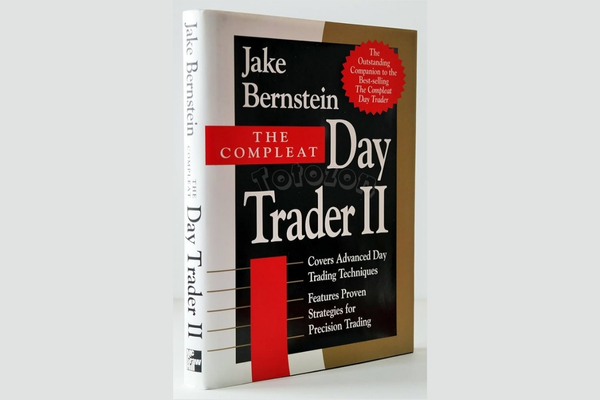 The Compleat DayTrader I & II with Jack Bernstein
1 × $6.00
The Compleat DayTrader I & II with Jack Bernstein
1 × $6.00 -
×
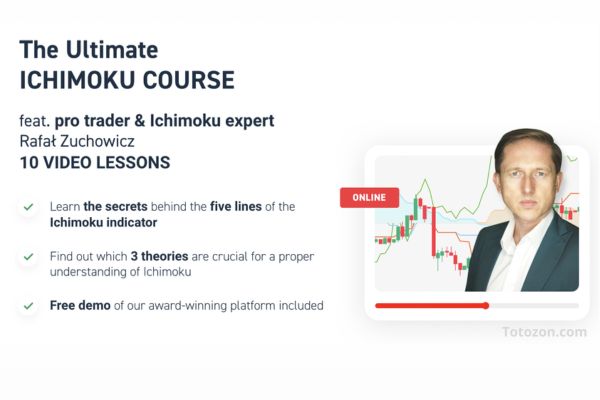 Advanced Ichimoku Kinkō Hyō - Ichimoku Cloud Strategy with Rafał Zuchowicz - TopMasterTrader
1 × $17.00
Advanced Ichimoku Kinkō Hyō - Ichimoku Cloud Strategy with Rafał Zuchowicz - TopMasterTrader
1 × $17.00 -
×
 All About Bonds & Mutual Funds with Esme Faerber
1 × $6.00
All About Bonds & Mutual Funds with Esme Faerber
1 × $6.00 -
×
 The Orderflow Masterclass with PrimeTrading
1 × $17.00
The Orderflow Masterclass with PrimeTrading
1 × $17.00 -
×
 TradeWithChris - TWC Forex Trading Course
1 × $6.00
TradeWithChris - TWC Forex Trading Course
1 × $6.00 -
×
 The Naked Eye: Raw Data Analytics with Edgar Torres - Raw Data Analytics
1 × $8.00
The Naked Eye: Raw Data Analytics with Edgar Torres - Raw Data Analytics
1 × $8.00
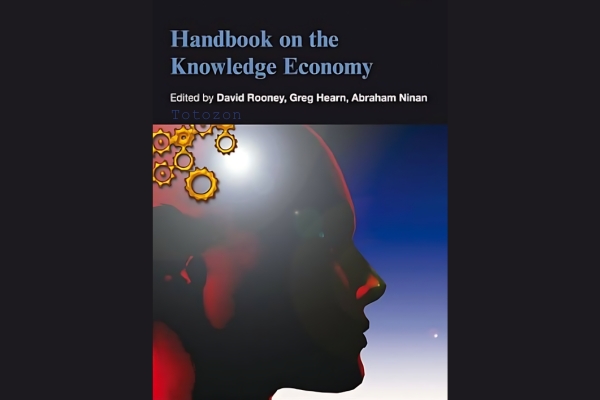
Handbook on the Knowledge Economy with David Rooney
Original price was: $54.00.$6.00Current price is: $6.00.
File Size: Coming soon!
Delivery Time: 1–12 hours
Media Type: Online Course
Content Proof: Watch Here!
You may check content proof of “Handbook on the Knowledge Economy with David Rooney” below:

Handbook on the Knowledge Economy with David Rooney
Introduction
In the rapidly evolving world of the 21st century, knowledge is the new currency. The “Handbook on the Knowledge Economy” by David Rooney explores the intricacies of this emerging economic paradigm. Let’s delve into the key insights from this comprehensive guide.
Understanding the Knowledge Economy
The knowledge economy revolves around the creation, distribution, and utilization of knowledge. Unlike traditional economies, it prioritizes intellectual capabilities over physical inputs.
What Defines the Knowledge Economy?
The knowledge economy is characterized by the following elements:
- Innovation: Continuous innovation and technological advancement.
- Information Technology: Heavy reliance on IT and digital infrastructure.
- Education and Skills: Emphasis on education and skill development.
Innovation and Its Role
Innovation is the lifeblood of the knowledge economy. Companies thrive by continuously creating new products and services.
The Power of Information Technology
IT enables the rapid dissemination and processing of information, making it a cornerstone of modern economic activities.
Education: The Backbone
In a knowledge economy, education is paramount. A well-educated workforce is crucial for driving innovation and economic growth.
Key Components of the Knowledge Economy
David Rooney’s handbook identifies several critical components essential to understanding the knowledge economy.
Knowledge Workers
Knowledge workers are individuals whose primary job involves handling and processing information.
Who Are Knowledge Workers?
Examples include software developers, researchers, and educators. These professionals are the driving force behind innovation.
Knowledge Management
Effective knowledge management ensures that valuable information is systematically captured, stored, and utilized.
Strategies for Knowledge Management
- Documenting Processes: Keeping detailed records of workflows.
- Collaborative Platforms: Using tools like intranets and project management software.
- Continuous Learning: Encouraging ongoing education and training.
Economic Policies
Policies that support education, innovation, and infrastructure development are vital for fostering a robust knowledge economy.
Supportive Government Policies
Governments play a crucial role by providing funding for research and development and creating favorable regulatory environments.
Challenges in the Knowledge Economy
Despite its benefits, the knowledge economy faces several challenges.
Digital Divide
The digital divide refers to the gap between those who have access to modern information and communication technology and those who do not.
Bridging the Digital Divide
Efforts to bridge this gap include expanding internet access and investing in digital literacy programs.
Intellectual Property
Protecting intellectual property (IP) is crucial in a knowledge economy, where ideas and innovations are highly valuable.
IP Protection Strategies
- Patents: Legal protection for inventions.
- Trademarks: Protecting brand identities.
- Copyrights: Securing rights to creative works.
The Future of the Knowledge Economy
The knowledge economy is continually evolving, driven by advancements in technology and shifts in global economic dynamics.
Emerging Trends
- Artificial Intelligence: AI is transforming industries by automating complex tasks.
- Blockchain Technology: Enhances transparency and security in transactions.
- Remote Work: The rise of remote work is reshaping the traditional workplace.
Adapting to Change
Organizations must be agile and adaptable, continuously updating their strategies to stay competitive.
Case Studies: Success Stories
David Rooney’s handbook provides several case studies illustrating successful adaptation to the knowledge economy.
Case Study 1: Tech Giants
Companies like Google and Microsoft thrive by fostering a culture of innovation and continuous learning.
Lessons Learned
- Invest in R&D: Significant investment in research and development.
- Encourage Collaboration: Promoting teamwork and knowledge sharing.
Case Study 2: Startups
Startups leverage the knowledge economy to disrupt traditional industries and introduce groundbreaking solutions.
Key Strategies
- Agility: Quick adaptation to market changes.
- Innovation: Constantly seeking new and improved ways to serve customers.
Practical Applications
Understanding the knowledge economy has practical applications for businesses and individuals alike.
For Businesses
- Invest in Training: Regularly update employees’ skills.
- Adopt Technology: Utilize the latest technologies to enhance productivity.
For Individuals
- Continuous Learning: Stay updated with the latest industry trends.
- Networking: Build a strong professional network to exchange ideas and opportunities.
Conclusion
The “Handbook on the Knowledge Economy” by David Rooney is an essential read for anyone looking to navigate and succeed in today’s information-driven world. By understanding the principles and challenges of the knowledge economy, we can better prepare for a future where knowledge truly is power.
FAQs
1. What is the knowledge economy?
The knowledge economy is an economic system where growth is primarily driven by the creation and management of knowledge.
2. Who are knowledge workers?
Knowledge workers are professionals whose main job involves handling and processing information, such as software developers and researchers.
3. Why is education important in the knowledge economy?
Education is crucial as it equips individuals with the necessary skills and knowledge to drive innovation and economic growth.
4. How can businesses succeed in the knowledge economy?
Businesses can succeed by investing in employee training, adopting new technologies, and fostering a culture of innovation.
5. What are the challenges of the knowledge economy?
Challenges include the digital divide, intellectual property protection, and the need for continuous adaptation to technological advancements.
Be the first to review “Handbook on the Knowledge Economy with David Rooney”
You must be logged in to post a review.
Related products

Forex Trading
Original price was: $500.00.$5.00Current price is: $5.00.
Forex Trading
Original price was: $1,098.00.$39.00Current price is: $39.00.
Forex Trading
Original price was: $249.00.$15.00Current price is: $15.00.
Original price was: $299.00.$8.00Current price is: $8.00.
Original price was: $197.00.$5.00Current price is: $5.00.
Original price was: $450.00.$23.00Current price is: $23.00.
Forex Trading
Original price was: $239.00.$8.00Current price is: $8.00.
Original price was: $310.00.$23.00Current price is: $23.00.

Forex Trading
Original price was: $397.00.$31.00Current price is: $31.00.
Original price was: $1,800.00.$54.00Current price is: $54.00.

Original price was: $1,849.00.$15.00Current price is: $15.00.

Forex Trading
Original price was: $999.00.$15.00Current price is: $15.00.
Forex Trading
Original price was: $797.00.$10.00Current price is: $10.00.
Forex Trading
Original price was: $850.00.$23.00Current price is: $23.00.

Original price was: $695.00.$41.00Current price is: $41.00.
Forex Trading
Original price was: $2,995.00.$31.00Current price is: $31.00.

Original price was: $700.00.$39.00Current price is: $39.00.
Forex Trading
Original price was: $4,997.00.$27.00Current price is: $27.00.
Forex Trading
Original price was: $125.00.$17.00Current price is: $17.00.
Original price was: $497.00.$31.00Current price is: $31.00.
Reviews
There are no reviews yet.