
-
×
 How to Capture Big Profits from Explosive Markets with Glen Ring
1 × $6.00
How to Capture Big Profits from Explosive Markets with Glen Ring
1 × $6.00 -
×
 MQ Gravity Lines with Base Camp Trading
1 × $54.00
MQ Gravity Lines with Base Camp Trading
1 × $54.00 -
×
 Trading Forex With Market Profile
1 × $15.00
Trading Forex With Market Profile
1 × $15.00 -
×
 Reality Based Trading with Matt Petrallia - Trading Equilibrium
1 × $17.00
Reality Based Trading with Matt Petrallia - Trading Equilibrium
1 × $17.00 -
×
 Sequence Trading Course with Kevin Haggerty
1 × $4.00
Sequence Trading Course with Kevin Haggerty
1 × $4.00 -
×
 Options Trading & Ultimate MasterClass With Tyrone Abela - FX Evolution
1 × $54.00
Options Trading & Ultimate MasterClass With Tyrone Abela - FX Evolution
1 × $54.00 -
×
 Sell Premium & Minimize Risk Class with Don Kaufman
1 × $6.00
Sell Premium & Minimize Risk Class with Don Kaufman
1 × $6.00 -
×
 Detecting Trend Direction & Strength (Article) with Barbara Star
1 × $6.00
Detecting Trend Direction & Strength (Article) with Barbara Star
1 × $6.00 -
×
 Learn To Profit From The Forex Market with FX Hustle
1 × $6.00
Learn To Profit From The Forex Market with FX Hustle
1 × $6.00 -
×
 Lifespan Investing with Clifford Pistolese
1 × $6.00
Lifespan Investing with Clifford Pistolese
1 × $6.00 -
×
 Advanced Options Trading: Approaches, Tools, and Techniques for Professionals Traders with Kevin Kraus
1 × $6.00
Advanced Options Trading: Approaches, Tools, and Techniques for Professionals Traders with Kevin Kraus
1 × $6.00 -
×
 The Handbook of Chaos Control with H.G.Schuster
1 × $6.00
The Handbook of Chaos Control with H.G.Schuster
1 × $6.00 -
×
 Developing a Forex Trading Plan Webinar
1 × $6.00
Developing a Forex Trading Plan Webinar
1 × $6.00 -
×
 Handbook for Enviroment Risk Decision Making with C.Richard Cothern
1 × $6.00
Handbook for Enviroment Risk Decision Making with C.Richard Cothern
1 × $6.00 -
×
 Advanced Forex Mastery Course with Alpha Forex Global
1 × $5.00
Advanced Forex Mastery Course with Alpha Forex Global
1 × $5.00 -
×
 S&P Market Timing Course For E-mini & Options Traders
1 × $6.00
S&P Market Timing Course For E-mini & Options Traders
1 × $6.00 -
×
 Advanced Forex Patterns with Vic Noble & Darko Ali
1 × $39.00
Advanced Forex Patterns with Vic Noble & Darko Ali
1 × $39.00 -
×
 Professional Swing Trading College with Steven Primo
1 × $15.00
Professional Swing Trading College with Steven Primo
1 × $15.00 -
×
 Futures Trading Secrets Home Study Course 2004 with Bill McCready
1 × $7.00
Futures Trading Secrets Home Study Course 2004 with Bill McCready
1 × $7.00 -
×
 The Naked Eye: Raw Data Analytics with Edgar Torres - Raw Data Analytics
1 × $8.00
The Naked Eye: Raw Data Analytics with Edgar Torres - Raw Data Analytics
1 × $8.00 -
×
 Euro Error with Jean-Jacques Rosa
1 × $6.00
Euro Error with Jean-Jacques Rosa
1 × $6.00 -
×
 Forex Trading MasterClass with Torero Traders School
1 × $5.00
Forex Trading MasterClass with Torero Traders School
1 × $5.00 -
×
 Options Trading with Nick & Gareth - Nick Santiago & Gareth Soloway - InTheMoneyStocks
1 × $31.00
Options Trading with Nick & Gareth - Nick Santiago & Gareth Soloway - InTheMoneyStocks
1 × $31.00 -
×
 Sure Fire Forex Trading with Mark McRae
1 × $6.00
Sure Fire Forex Trading with Mark McRae
1 × $6.00 -
×
 FX Daniel Savage Bundle (2in1)
1 × $23.00
FX Daniel Savage Bundle (2in1)
1 × $23.00 -
×
 The Complete Guide to Market Breadth Indicators: How to Analyze and Evaluate market Direction and Strength - Greg Morris
1 × $6.00
The Complete Guide to Market Breadth Indicators: How to Analyze and Evaluate market Direction and Strength - Greg Morris
1 × $6.00 -
×
 A Treasure House of Bayer. 32 Articles and Forecasts with George Bayer
1 × $6.00
A Treasure House of Bayer. 32 Articles and Forecasts with George Bayer
1 × $6.00 -
×
 Best of Livestock with Timothy Sykes
1 × $5.00
Best of Livestock with Timothy Sykes
1 × $5.00 -
×
 The Streetsmart Guide to Timing the Stock Market with Colin Alexander
1 × $6.00
The Streetsmart Guide to Timing the Stock Market with Colin Alexander
1 × $6.00 -
×
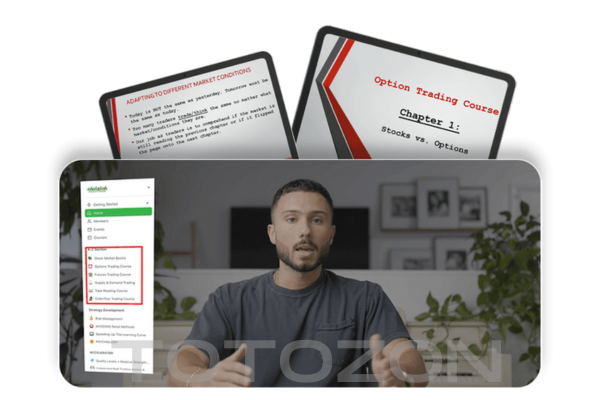 A- Z Educational Trading Course with InvestiTrade
1 × $39.00
A- Z Educational Trading Course with InvestiTrade
1 × $39.00 -
×
 Introduction To Advanced Options Trading 201
1 × $23.00
Introduction To Advanced Options Trading 201
1 × $23.00 -
×
 Marber on Markets – How to Make Money from Charts with Brian Marber
1 × $6.00
Marber on Markets – How to Make Money from Charts with Brian Marber
1 × $6.00 -
×
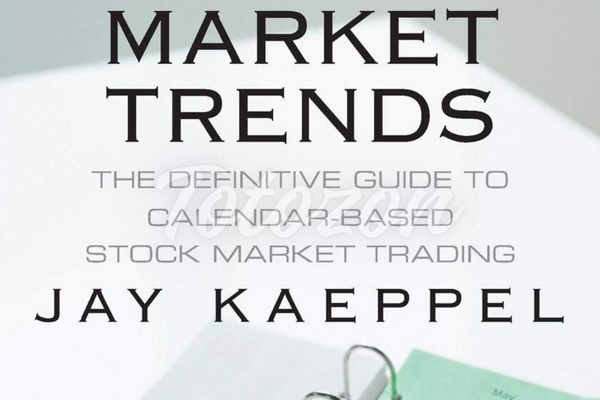 Seasonal Stock Market Trends: The Definitive Guide to Calendar‐Based Stock Market Trading with Jay Kaeppel
1 × $6.00
Seasonal Stock Market Trends: The Definitive Guide to Calendar‐Based Stock Market Trading with Jay Kaeppel
1 × $6.00 -
×
 Bennett McDowell – A Trader’s Money Management System
1 × $6.00
Bennett McDowell – A Trader’s Money Management System
1 × $6.00 -
×
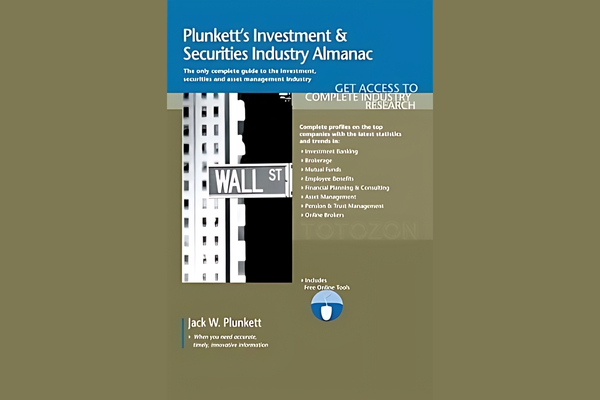 Plunketts Investment & Securities Industry Almanac 2010 with Jack W.Plunkett
1 × $6.00
Plunketts Investment & Securities Industry Almanac 2010 with Jack W.Plunkett
1 × $6.00 -
×
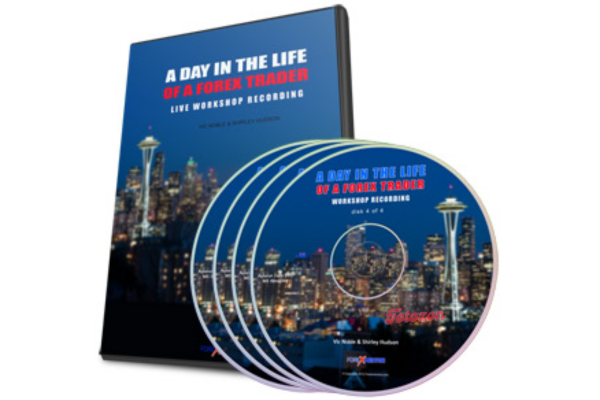 A Day In The Life Of A Forex Trader with Vic Noble & Shirley Hudson
1 × $23.00
A Day In The Life Of A Forex Trader with Vic Noble & Shirley Hudson
1 × $23.00 -
×
 You AreThe Indicator Online Course
1 × $31.00
You AreThe Indicator Online Course
1 × $31.00 -
×
 FXJake Webinars with Walter Peters
1 × $6.00
FXJake Webinars with Walter Peters
1 × $6.00 -
×
 Ichimokutrade - Ichimoku 101
1 × $15.00
Ichimokutrade - Ichimoku 101
1 × $15.00 -
×
 Neural Networks in the Capital Markets with Apostolos Paul Refenes
1 × $6.00
Neural Networks in the Capital Markets with Apostolos Paul Refenes
1 × $6.00 -
×
 How To Read The Market Professionally with TradeSmart
1 × $27.00
How To Read The Market Professionally with TradeSmart
1 × $27.00
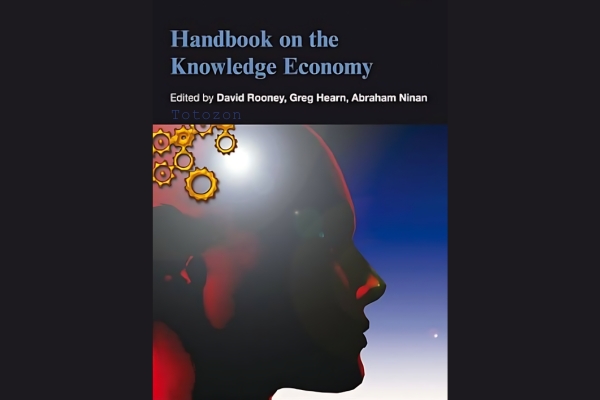
Handbook on the Knowledge Economy with David Rooney
Original price was: $54.00.$6.00Current price is: $6.00.
File Size: Coming soon!
Delivery Time: 1–12 hours
Media Type: Online Course
Content Proof: Watch Here!
You may check content proof of “Handbook on the Knowledge Economy with David Rooney” below:

Handbook on the Knowledge Economy with David Rooney
Introduction
In the rapidly evolving world of the 21st century, knowledge is the new currency. The “Handbook on the Knowledge Economy” by David Rooney explores the intricacies of this emerging economic paradigm. Let’s delve into the key insights from this comprehensive guide.
Understanding the Knowledge Economy
The knowledge economy revolves around the creation, distribution, and utilization of knowledge. Unlike traditional economies, it prioritizes intellectual capabilities over physical inputs.
What Defines the Knowledge Economy?
The knowledge economy is characterized by the following elements:
- Innovation: Continuous innovation and technological advancement.
- Information Technology: Heavy reliance on IT and digital infrastructure.
- Education and Skills: Emphasis on education and skill development.
Innovation and Its Role
Innovation is the lifeblood of the knowledge economy. Companies thrive by continuously creating new products and services.
The Power of Information Technology
IT enables the rapid dissemination and processing of information, making it a cornerstone of modern economic activities.
Education: The Backbone
In a knowledge economy, education is paramount. A well-educated workforce is crucial for driving innovation and economic growth.
Key Components of the Knowledge Economy
David Rooney’s handbook identifies several critical components essential to understanding the knowledge economy.
Knowledge Workers
Knowledge workers are individuals whose primary job involves handling and processing information.
Who Are Knowledge Workers?
Examples include software developers, researchers, and educators. These professionals are the driving force behind innovation.
Knowledge Management
Effective knowledge management ensures that valuable information is systematically captured, stored, and utilized.
Strategies for Knowledge Management
- Documenting Processes: Keeping detailed records of workflows.
- Collaborative Platforms: Using tools like intranets and project management software.
- Continuous Learning: Encouraging ongoing education and training.
Economic Policies
Policies that support education, innovation, and infrastructure development are vital for fostering a robust knowledge economy.
Supportive Government Policies
Governments play a crucial role by providing funding for research and development and creating favorable regulatory environments.
Challenges in the Knowledge Economy
Despite its benefits, the knowledge economy faces several challenges.
Digital Divide
The digital divide refers to the gap between those who have access to modern information and communication technology and those who do not.
Bridging the Digital Divide
Efforts to bridge this gap include expanding internet access and investing in digital literacy programs.
Intellectual Property
Protecting intellectual property (IP) is crucial in a knowledge economy, where ideas and innovations are highly valuable.
IP Protection Strategies
- Patents: Legal protection for inventions.
- Trademarks: Protecting brand identities.
- Copyrights: Securing rights to creative works.
The Future of the Knowledge Economy
The knowledge economy is continually evolving, driven by advancements in technology and shifts in global economic dynamics.
Emerging Trends
- Artificial Intelligence: AI is transforming industries by automating complex tasks.
- Blockchain Technology: Enhances transparency and security in transactions.
- Remote Work: The rise of remote work is reshaping the traditional workplace.
Adapting to Change
Organizations must be agile and adaptable, continuously updating their strategies to stay competitive.
Case Studies: Success Stories
David Rooney’s handbook provides several case studies illustrating successful adaptation to the knowledge economy.
Case Study 1: Tech Giants
Companies like Google and Microsoft thrive by fostering a culture of innovation and continuous learning.
Lessons Learned
- Invest in R&D: Significant investment in research and development.
- Encourage Collaboration: Promoting teamwork and knowledge sharing.
Case Study 2: Startups
Startups leverage the knowledge economy to disrupt traditional industries and introduce groundbreaking solutions.
Key Strategies
- Agility: Quick adaptation to market changes.
- Innovation: Constantly seeking new and improved ways to serve customers.
Practical Applications
Understanding the knowledge economy has practical applications for businesses and individuals alike.
For Businesses
- Invest in Training: Regularly update employees’ skills.
- Adopt Technology: Utilize the latest technologies to enhance productivity.
For Individuals
- Continuous Learning: Stay updated with the latest industry trends.
- Networking: Build a strong professional network to exchange ideas and opportunities.
Conclusion
The “Handbook on the Knowledge Economy” by David Rooney is an essential read for anyone looking to navigate and succeed in today’s information-driven world. By understanding the principles and challenges of the knowledge economy, we can better prepare for a future where knowledge truly is power.
FAQs
1. What is the knowledge economy?
The knowledge economy is an economic system where growth is primarily driven by the creation and management of knowledge.
2. Who are knowledge workers?
Knowledge workers are professionals whose main job involves handling and processing information, such as software developers and researchers.
3. Why is education important in the knowledge economy?
Education is crucial as it equips individuals with the necessary skills and knowledge to drive innovation and economic growth.
4. How can businesses succeed in the knowledge economy?
Businesses can succeed by investing in employee training, adopting new technologies, and fostering a culture of innovation.
5. What are the challenges of the knowledge economy?
Challenges include the digital divide, intellectual property protection, and the need for continuous adaptation to technological advancements.
Be the first to review “Handbook on the Knowledge Economy with David Rooney”
You must be logged in to post a review.
Related products

Forex Trading
Original price was: $397.00.$31.00Current price is: $31.00.

Forex Trading
Original price was: $2,995.00.$31.00Current price is: $31.00.

Original price was: $799.00.$15.00Current price is: $15.00.

Forex Trading
Original price was: $550.00.$5.00Current price is: $5.00.

Forex Trading
Original price was: $500.00.$5.00Current price is: $5.00.
Original price was: $1,800.00.$54.00Current price is: $54.00.
Forex Trading
Original price was: $4,997.00.$27.00Current price is: $27.00.

Original price was: $497.00.$31.00Current price is: $31.00.

Forex Trading
Original price was: $499.00.$15.00Current price is: $15.00.

Original price was: $197.00.$5.00Current price is: $5.00.

Original price was: $1,849.00.$15.00Current price is: $15.00.

Original price was: $649.00.$20.00Current price is: $20.00.

Original price was: $450.00.$23.00Current price is: $23.00.

Original price was: $2,120.00.$15.00Current price is: $15.00.
Original price was: $997.00.$8.00Current price is: $8.00.

Forex Trading
Original price was: $797.00.$10.00Current price is: $10.00.

Original price was: $4,995.00.$15.00Current price is: $15.00.

Forex Trading
Original price was: $1,098.00.$39.00Current price is: $39.00.

Forex Trading
The Complete Guide to Multiple Time Frame Analysis & Reading Price Action with Aiman Almansoori
Original price was: $1,399.00.$13.00Current price is: $13.00.

Forex Trading
Original price was: $2,997.00.$23.00Current price is: $23.00.
Reviews
There are no reviews yet.