
-
×
 Dynamic Time and Price Analysis of Market Trends with Bruce Gilmore
1 × $6.00
Dynamic Time and Price Analysis of Market Trends with Bruce Gilmore
1 × $6.00 -
×
 Trading Natural Resources in a Volatile Market with Kevin Kerr
1 × $6.00
Trading Natural Resources in a Volatile Market with Kevin Kerr
1 × $6.00 -
×
 Selling Options for Income, Profits & Opportunistic Hedge Trading Management with Powercycletrading
1 × $69.00
Selling Options for Income, Profits & Opportunistic Hedge Trading Management with Powercycletrading
1 × $69.00 -
×
 Traders Edge with Steven Dux
1 × $5.00
Traders Edge with Steven Dux
1 × $5.00 -
×
 Developing a Forex Trading Plan Webinar
1 × $6.00
Developing a Forex Trading Plan Webinar
1 × $6.00 -
×
 Learn Before you Loose
1 × $6.00
Learn Before you Loose
1 × $6.00 -
×
 Investment Strategies for the 21th Century with Frank Amstrong
1 × $6.00
Investment Strategies for the 21th Century with Frank Amstrong
1 × $6.00 -
×
 A Process for Prudential Institutional Investment with Bancroft, Caldwell, McSweeny
1 × $6.00
A Process for Prudential Institutional Investment with Bancroft, Caldwell, McSweeny
1 × $6.00 -
×
 Elite Gap Trading with Nick Santiago - InTheMoneyStocks
1 × $93.00
Elite Gap Trading with Nick Santiago - InTheMoneyStocks
1 × $93.00 -
×
 The 30-Day Cash Flow Blueprint with Andy Tanner
1 × $31.00
The 30-Day Cash Flow Blueprint with Andy Tanner
1 × $31.00 -
×
 Fierce 10 On Demand Coaching Program with High Performance Trading
1 × $5.00
Fierce 10 On Demand Coaching Program with High Performance Trading
1 × $5.00 -
×
 Bird Watch in Lion Country 2010 Ed with Dirk Du Toit
1 × $6.00
Bird Watch in Lion Country 2010 Ed with Dirk Du Toit
1 × $6.00 -
×
 $20 – 52k 20 pips a day challange with Rafał Zuchowicz - TopMasterTrader
1 × $5.00
$20 – 52k 20 pips a day challange with Rafał Zuchowicz - TopMasterTrader
1 × $5.00 -
×
 PFAZoneSuite [Trading Indicator] 2017
1 × $109.00
PFAZoneSuite [Trading Indicator] 2017
1 × $109.00 -
×
 Trading For Busy People with Josias Kere
1 × $6.00
Trading For Busy People with Josias Kere
1 × $6.00 -
×
 OilTradingAcademy - Oil Trading Academy Code 1 + 2 + 3 Video Course
1 × $6.00
OilTradingAcademy - Oil Trading Academy Code 1 + 2 + 3 Video Course
1 × $6.00 -
×
 Renko Profits Accelerator
1 × $15.00
Renko Profits Accelerator
1 × $15.00 -
×
 CANDLESTICKS APPLIED with Steve Nison & Syl Desaulniers - Candle Charts
1 × $15.00
CANDLESTICKS APPLIED with Steve Nison & Syl Desaulniers - Candle Charts
1 × $15.00 -
×
 Divorcing the Dow: Using Revolutionary Market Indicators to Profit from the Stealth Boom Ahead - Jim Troup & Sharon Michalsky
1 × $6.00
Divorcing the Dow: Using Revolutionary Market Indicators to Profit from the Stealth Boom Ahead - Jim Troup & Sharon Michalsky
1 × $6.00 -
×
 How To Write High Converting Copy with Tej Dosa
1 × $6.00
How To Write High Converting Copy with Tej Dosa
1 × $6.00 -
×
 The New Science of Asset Allocation with Thomas Schneeweis
1 × $6.00
The New Science of Asset Allocation with Thomas Schneeweis
1 × $6.00 -
×
 An Introduction to Option Trading Success with James Bittman
1 × $6.00
An Introduction to Option Trading Success with James Bittman
1 × $6.00 -
×
 Gann Masters II with Hallikers Inc
1 × $6.00
Gann Masters II with Hallikers Inc
1 × $6.00 -
×
 ABCs of Trading and Tech Analysis (Online Investor Expo, Las Vegas 2000) with Tom Bierovic
1 × $6.00
ABCs of Trading and Tech Analysis (Online Investor Expo, Las Vegas 2000) with Tom Bierovic
1 × $6.00 -
×
 Daily Market Review 2009-2012 (Video 16 GB) with David Vallieres
1 × $6.00
Daily Market Review 2009-2012 (Video 16 GB) with David Vallieres
1 × $6.00 -
×
 A Comparison of Popular Trading Systems (2nd Ed.) with Lars Kestner
1 × $6.00
A Comparison of Popular Trading Systems (2nd Ed.) with Lars Kestner
1 × $6.00 -
×
 George Bayer Squarring the Circle for Excel
1 × $6.00
George Bayer Squarring the Circle for Excel
1 × $6.00 -
×
 Square The Range Trading System with Michael Jenkins
1 × $6.00
Square The Range Trading System with Michael Jenkins
1 × $6.00 -
×
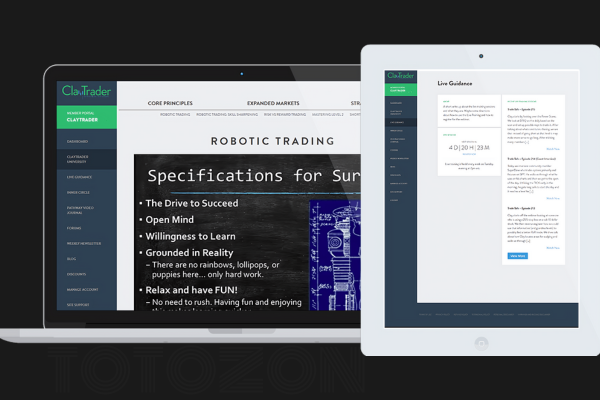 Robotic trading interactive
1 × $31.00
Robotic trading interactive
1 × $31.00 -
×
 W. D Gann 's Square Of 9 Applied To Modern Markets with Sean Avidar - Hexatrade350
1 × $23.00
W. D Gann 's Square Of 9 Applied To Modern Markets with Sean Avidar - Hexatrade350
1 × $23.00 -
×
 Creating the Optimal Trade for Explosive Profits with George A.Fontanills
1 × $6.00
Creating the Optimal Trade for Explosive Profits with George A.Fontanills
1 × $6.00 -
×
 Swing Trading College IX 2010 with Larry Connors
1 × $15.00
Swing Trading College IX 2010 with Larry Connors
1 × $15.00 -
×
 Advanced Options Trading with Lucas Downey
1 × $15.00
Advanced Options Trading with Lucas Downey
1 × $15.00 -
×
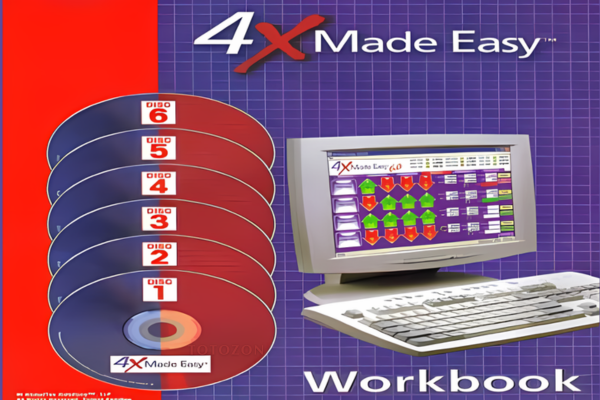 Complete Forex Training Series with 4 x Made Easy
1 × $6.00
Complete Forex Training Series with 4 x Made Easy
1 × $6.00 -
×
 Learn Investing & Trading with Danny Devan
1 × $23.00
Learn Investing & Trading with Danny Devan
1 × $23.00 -
×
 NASDAQ Level II Trading Strategies
1 × $6.00
NASDAQ Level II Trading Strategies
1 × $6.00 -
×
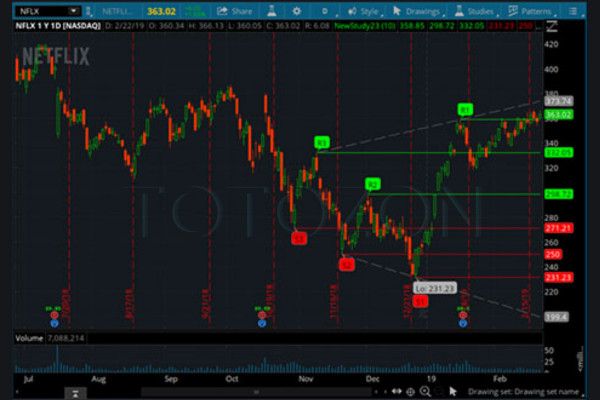 MQ Gravity Lines with Base Camp Trading
1 × $54.00
MQ Gravity Lines with Base Camp Trading
1 × $54.00 -
×
 Applications of Abstract Algebra with Maple - Richard E.Kline, Neil Sigmon, Ernst Stitzinger
1 × $6.00
Applications of Abstract Algebra with Maple - Richard E.Kline, Neil Sigmon, Ernst Stitzinger
1 × $6.00 -
×
 Mastering Technical Analysis with Investi Share
1 × $23.00
Mastering Technical Analysis with Investi Share
1 × $23.00 -
×
 Ahead of the Curve with Joseph Ellis
1 × $6.00
Ahead of the Curve with Joseph Ellis
1 × $6.00 -
×
 Rockwell Day Trading - Starter Package
1 × $6.00
Rockwell Day Trading - Starter Package
1 × $6.00 -
×
 Learn how to trade Volatility 75 Index Technical Analysis with Patrick Muke
1 × $6.00
Learn how to trade Volatility 75 Index Technical Analysis with Patrick Muke
1 × $6.00 -
×
 Keynes & The Market with Justyn Walsh
1 × $6.00
Keynes & The Market with Justyn Walsh
1 × $6.00 -
×
 High Probability Option Trading - Seasonal Straddles
1 × $6.00
High Probability Option Trading - Seasonal Straddles
1 × $6.00 -
×
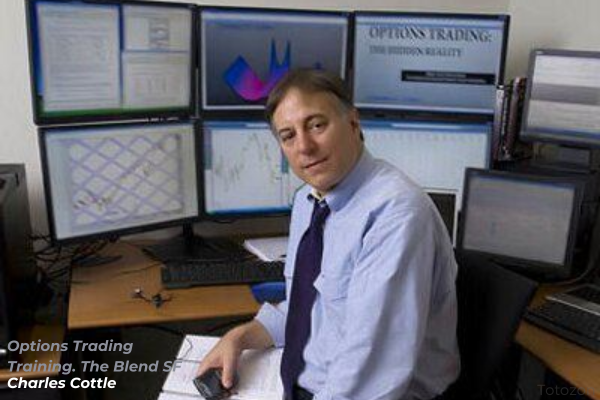 Options Trading Training. The Blend SF with Charles Cottle
1 × $6.00
Options Trading Training. The Blend SF with Charles Cottle
1 × $6.00 -
×
 Trading Full Circle the Complete Underground Trader System for Timing with Jea Yu
1 × $6.00
Trading Full Circle the Complete Underground Trader System for Timing with Jea Yu
1 × $6.00 -
×
 How I Trade Growth Stocks In Bull And Bear Markets
1 × $54.00
How I Trade Growth Stocks In Bull And Bear Markets
1 × $54.00 -
×
 Trade Australian Share CFDs with Brian Griffin
1 × $6.00
Trade Australian Share CFDs with Brian Griffin
1 × $6.00 -
×
 Essentials in Quantitative Trading QT01 By HangukQuant's
1 × $23.00
Essentials in Quantitative Trading QT01 By HangukQuant's
1 × $23.00 -
×
 Forecasting Profits Using Price & Time with Ed Gately
1 × $6.00
Forecasting Profits Using Price & Time with Ed Gately
1 × $6.00 -
×
 Pristine - Noble DraKoln – The Complete Liverpool Futures Seminar Series
1 × $6.00
Pristine - Noble DraKoln – The Complete Liverpool Futures Seminar Series
1 × $6.00 -
×
 Trading as a Business with Alexander Elder
1 × $6.00
Trading as a Business with Alexander Elder
1 × $6.00 -
×
 Equity Valuation for Analysts and Investors: A Unique Stock Valuation Tool for Financial Statement Analysis and Model-Building with James Kelleher
1 × $6.00
Equity Valuation for Analysts and Investors: A Unique Stock Valuation Tool for Financial Statement Analysis and Model-Building with James Kelleher
1 × $6.00 -
×
 Candlestick Trading for Maximum Profitsn with B.M.Davis
1 × $6.00
Candlestick Trading for Maximum Profitsn with B.M.Davis
1 × $6.00 -
×
 High Probability Trading Using Elliott Wave And Fibonacci Analysis withVic Patel - Forex Training Group
1 × $10.00
High Probability Trading Using Elliott Wave And Fibonacci Analysis withVic Patel - Forex Training Group
1 × $10.00 -
×
 Investing Smart. How to Pick Stocks with Investors Business Daily By Dhun H.Sethna
1 × $4.00
Investing Smart. How to Pick Stocks with Investors Business Daily By Dhun H.Sethna
1 × $4.00 -
×
 Traders World Past Issue Articles on CD with Magazine
1 × $6.00
Traders World Past Issue Articles on CD with Magazine
1 × $6.00 -
×
 Dynamic Gann Levels with Don Fisher
1 × $6.00
Dynamic Gann Levels with Don Fisher
1 × $6.00 -
×
 Professional Trader Course
1 × $5.00
Professional Trader Course
1 × $5.00 -
×
 Simple Forex Profits with Rayy Bannzz
1 × $31.00
Simple Forex Profits with Rayy Bannzz
1 × $31.00 -
×
 The Banker’s Edge Webinar & Extras
1 × $6.00
The Banker’s Edge Webinar & Extras
1 × $6.00 -
×
 The Trader's Mindset Course with Chris Mathews
1 × $6.00
The Trader's Mindset Course with Chris Mathews
1 × $6.00 -
×
 Video Bundle - 4d & "Into The Abyss" with Blackrabbitfx
1 × $6.00
Video Bundle - 4d & "Into The Abyss" with Blackrabbitfx
1 × $6.00 -
×
 The Orderflows Trade Opportunities Encyclopedia with Michael Valtos
1 × $8.00
The Orderflows Trade Opportunities Encyclopedia with Michael Valtos
1 × $8.00
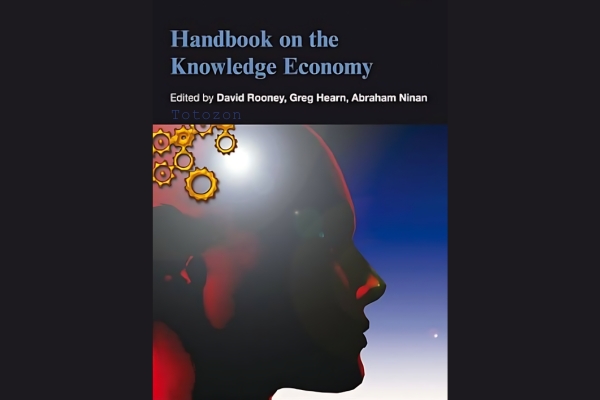
Handbook on the Knowledge Economy with David Rooney
Original price was: $54.00.$6.00Current price is: $6.00.
File Size: Coming soon!
Delivery Time: 1–12 hours
Media Type: Online Course
Content Proof: Watch Here!
You may check content proof of “Handbook on the Knowledge Economy with David Rooney” below:

Handbook on the Knowledge Economy with David Rooney
Introduction
In the rapidly evolving world of the 21st century, knowledge is the new currency. The “Handbook on the Knowledge Economy” by David Rooney explores the intricacies of this emerging economic paradigm. Let’s delve into the key insights from this comprehensive guide.
Understanding the Knowledge Economy
The knowledge economy revolves around the creation, distribution, and utilization of knowledge. Unlike traditional economies, it prioritizes intellectual capabilities over physical inputs.
What Defines the Knowledge Economy?
The knowledge economy is characterized by the following elements:
- Innovation: Continuous innovation and technological advancement.
- Information Technology: Heavy reliance on IT and digital infrastructure.
- Education and Skills: Emphasis on education and skill development.
Innovation and Its Role
Innovation is the lifeblood of the knowledge economy. Companies thrive by continuously creating new products and services.
The Power of Information Technology
IT enables the rapid dissemination and processing of information, making it a cornerstone of modern economic activities.
Education: The Backbone
In a knowledge economy, education is paramount. A well-educated workforce is crucial for driving innovation and economic growth.
Key Components of the Knowledge Economy
David Rooney’s handbook identifies several critical components essential to understanding the knowledge economy.
Knowledge Workers
Knowledge workers are individuals whose primary job involves handling and processing information.
Who Are Knowledge Workers?
Examples include software developers, researchers, and educators. These professionals are the driving force behind innovation.
Knowledge Management
Effective knowledge management ensures that valuable information is systematically captured, stored, and utilized.
Strategies for Knowledge Management
- Documenting Processes: Keeping detailed records of workflows.
- Collaborative Platforms: Using tools like intranets and project management software.
- Continuous Learning: Encouraging ongoing education and training.
Economic Policies
Policies that support education, innovation, and infrastructure development are vital for fostering a robust knowledge economy.
Supportive Government Policies
Governments play a crucial role by providing funding for research and development and creating favorable regulatory environments.
Challenges in the Knowledge Economy
Despite its benefits, the knowledge economy faces several challenges.
Digital Divide
The digital divide refers to the gap between those who have access to modern information and communication technology and those who do not.
Bridging the Digital Divide
Efforts to bridge this gap include expanding internet access and investing in digital literacy programs.
Intellectual Property
Protecting intellectual property (IP) is crucial in a knowledge economy, where ideas and innovations are highly valuable.
IP Protection Strategies
- Patents: Legal protection for inventions.
- Trademarks: Protecting brand identities.
- Copyrights: Securing rights to creative works.
The Future of the Knowledge Economy
The knowledge economy is continually evolving, driven by advancements in technology and shifts in global economic dynamics.
Emerging Trends
- Artificial Intelligence: AI is transforming industries by automating complex tasks.
- Blockchain Technology: Enhances transparency and security in transactions.
- Remote Work: The rise of remote work is reshaping the traditional workplace.
Adapting to Change
Organizations must be agile and adaptable, continuously updating their strategies to stay competitive.
Case Studies: Success Stories
David Rooney’s handbook provides several case studies illustrating successful adaptation to the knowledge economy.
Case Study 1: Tech Giants
Companies like Google and Microsoft thrive by fostering a culture of innovation and continuous learning.
Lessons Learned
- Invest in R&D: Significant investment in research and development.
- Encourage Collaboration: Promoting teamwork and knowledge sharing.
Case Study 2: Startups
Startups leverage the knowledge economy to disrupt traditional industries and introduce groundbreaking solutions.
Key Strategies
- Agility: Quick adaptation to market changes.
- Innovation: Constantly seeking new and improved ways to serve customers.
Practical Applications
Understanding the knowledge economy has practical applications for businesses and individuals alike.
For Businesses
- Invest in Training: Regularly update employees’ skills.
- Adopt Technology: Utilize the latest technologies to enhance productivity.
For Individuals
- Continuous Learning: Stay updated with the latest industry trends.
- Networking: Build a strong professional network to exchange ideas and opportunities.
Conclusion
The “Handbook on the Knowledge Economy” by David Rooney is an essential read for anyone looking to navigate and succeed in today’s information-driven world. By understanding the principles and challenges of the knowledge economy, we can better prepare for a future where knowledge truly is power.
FAQs
1. What is the knowledge economy?
The knowledge economy is an economic system where growth is primarily driven by the creation and management of knowledge.
2. Who are knowledge workers?
Knowledge workers are professionals whose main job involves handling and processing information, such as software developers and researchers.
3. Why is education important in the knowledge economy?
Education is crucial as it equips individuals with the necessary skills and knowledge to drive innovation and economic growth.
4. How can businesses succeed in the knowledge economy?
Businesses can succeed by investing in employee training, adopting new technologies, and fostering a culture of innovation.
5. What are the challenges of the knowledge economy?
Challenges include the digital divide, intellectual property protection, and the need for continuous adaptation to technological advancements.
Be the first to review “Handbook on the Knowledge Economy with David Rooney”
You must be logged in to post a review.
Related products
Original price was: $139.00.$23.00Current price is: $23.00.
Forex Trading
Original price was: $797.00.$10.00Current price is: $10.00.

Forex Trading
Original price was: $799.00.$15.00Current price is: $15.00.

Original price was: $799.00.$15.00Current price is: $15.00.
Original price was: $299.00.$8.00Current price is: $8.00.

Original price was: $450.00.$23.00Current price is: $23.00.

Forex Trading
Original price was: $239.00.$8.00Current price is: $8.00.

Original price was: $997.00.$8.00Current price is: $8.00.

Original price was: $310.00.$23.00Current price is: $23.00.

Forex Trading
Original price was: $1,098.00.$39.00Current price is: $39.00.

Forex Trading
Quantamentals – The Next Great Forefront Of Trading and Investing with Trading Markets
Original price was: $1,495.00.$8.00Current price is: $8.00.

Forex Trading
The Complete Guide to Multiple Time Frame Analysis & Reading Price Action with Aiman Almansoori
Original price was: $1,399.00.$13.00Current price is: $13.00.

Original price was: $497.00.$31.00Current price is: $31.00.

Forex Trading
Original price was: $2,995.00.$31.00Current price is: $31.00.

Forex Trading
Original price was: $125.00.$17.00Current price is: $17.00.

Forex Trading
Original price was: $697.00.$5.00Current price is: $5.00.

Forex Trading
Original price was: $499.00.$15.00Current price is: $15.00.
Original price was: $197.00.$5.00Current price is: $5.00.

Original price was: $700.00.$39.00Current price is: $39.00.

Forex Trading
Original price was: $4,997.00.$27.00Current price is: $27.00.
Reviews
There are no reviews yet.