
-
×
 Market Stalkers Level 1 - Swing trading school (2020)
1 × $8.00
Market Stalkers Level 1 - Swing trading school (2020)
1 × $8.00 -
×
 Scalp Strategy and Flipping Small Accounts with Opes Trading Group
1 × $5.00
Scalp Strategy and Flipping Small Accounts with Opes Trading Group
1 × $5.00 -
×
 Inefficient Markets with Andrei Shleifer
1 × $6.00
Inefficient Markets with Andrei Shleifer
1 × $6.00 -
×
 Forex Mastermind with FOREX4NOOBS
1 × $5.00
Forex Mastermind with FOREX4NOOBS
1 × $5.00 -
×
 How to be a Sector Investor with Larry Hungerford & Steve Hungerford
1 × $4.00
How to be a Sector Investor with Larry Hungerford & Steve Hungerford
1 × $4.00 -
×
 5 Steps to Investment Success with Tyler Bolhorn
1 × $6.00
5 Steps to Investment Success with Tyler Bolhorn
1 × $6.00 -
×
 Algo Trading Masterclass with Ali Casey - StatOasis
1 × $23.00
Algo Trading Masterclass with Ali Casey - StatOasis
1 × $23.00 -
×
 Peter Borish Online Trader Program
1 × $15.00
Peter Borish Online Trader Program
1 × $15.00 -
×
 Investing Guide For New Investor with Alfred Scillitani
1 × $6.00
Investing Guide For New Investor with Alfred Scillitani
1 × $6.00 -
×
 Options Trading & Ultimate MasterClass With Tyrone Abela - FX Evolution
1 × $54.00
Options Trading & Ultimate MasterClass With Tyrone Abela - FX Evolution
1 × $54.00 -
×
 Altucher’s Top 1% Advisory Newsletter 2016 with James Altucher
1 × $6.00
Altucher’s Top 1% Advisory Newsletter 2016 with James Altucher
1 × $6.00 -
×
 Essentials in Quantitative Trading QT01 By HangukQuant's
1 × $23.00
Essentials in Quantitative Trading QT01 By HangukQuant's
1 × $23.00 -
×
 Million Dollar Stock Market Idea with Larry Williams
1 × $6.00
Million Dollar Stock Market Idea with Larry Williams
1 × $6.00 -
×
 Quantamentals - The Next Great Forefront Of Trading and Investing with Trading Markets
1 × $8.00
Quantamentals - The Next Great Forefront Of Trading and Investing with Trading Markets
1 × $8.00 -
×
 Academy of Financial Trading Foundation Trading Programme Webinar
1 × $6.00
Academy of Financial Trading Foundation Trading Programme Webinar
1 × $6.00 -
×
 5-Week Portfolio (No Bonus) - Criticaltrading
1 × $39.00
5-Week Portfolio (No Bonus) - Criticaltrading
1 × $39.00 -
×
 3 Steps To Supply/Demand + 3 Steps To Market Profile 10% Off Combined Price
1 × $23.00
3 Steps To Supply/Demand + 3 Steps To Market Profile 10% Off Combined Price
1 × $23.00 -
×
 Best Trading Strategies Revealed - The Prosperity Trading Course (BTSR)
1 × $78.00
Best Trading Strategies Revealed - The Prosperity Trading Course (BTSR)
1 × $78.00 -
×
 TRADING NFX Course with Andrew NFX
1 × $5.00
TRADING NFX Course with Andrew NFX
1 × $5.00 -
×
 Systems Mastery Course with Chris Dover - Pollinate Trading
1 × $5.00
Systems Mastery Course with Chris Dover - Pollinate Trading
1 × $5.00 -
×
 Daytrade (Italian) with Guiuseppe Migliorino
1 × $6.00
Daytrade (Italian) with Guiuseppe Migliorino
1 × $6.00 -
×
 A Complete Beginner to Advanced Trading Mentorship Program with Habby Forex Trading Academy
1 × $5.00
A Complete Beginner to Advanced Trading Mentorship Program with Habby Forex Trading Academy
1 × $5.00 -
×
 Pattern, Price & Time: Using Gann Theory in Trading Systems (1st Edition) with James Hyerczyk
1 × $6.00
Pattern, Price & Time: Using Gann Theory in Trading Systems (1st Edition) with James Hyerczyk
1 × $6.00 -
×
 Planetary Harmonics of Speculative Markets with Larry Pesavento
1 × $6.00
Planetary Harmonics of Speculative Markets with Larry Pesavento
1 × $6.00 -
×
 Trading Masterclass POTM + PFTM + PTMI with Anton Kreil
1 × $6.00
Trading Masterclass POTM + PFTM + PTMI with Anton Kreil
1 × $6.00 -
×
 6 (The Proper BackGround)
1 × $6.00
6 (The Proper BackGround)
1 × $6.00 -
×
 The Adventures of the Cycle Hunter. The Analyst with Craig Bttlc
1 × $6.00
The Adventures of the Cycle Hunter. The Analyst with Craig Bttlc
1 × $6.00 -
×
 Ultimate Trading Course with Dodgy's Dungeon
1 × $8.00
Ultimate Trading Course with Dodgy's Dungeon
1 × $8.00 -
×
 Beginner Course + access to Introductory Course
1 × $6.00
Beginner Course + access to Introductory Course
1 × $6.00 -
×
 0 DTE Options Trading Workshop with Aeromir Corporation
1 × $15.00
0 DTE Options Trading Workshop with Aeromir Corporation
1 × $15.00 -
×
 Deep Dive Butterfly Trading Strategy Class with SJG Trades
1 × $41.00
Deep Dive Butterfly Trading Strategy Class with SJG Trades
1 × $41.00 -
×
 The 80% Solution S&P Systems with Bruce Babcock
1 × $6.00
The 80% Solution S&P Systems with Bruce Babcock
1 × $6.00 -
×
 The Art And Science Of Trading with Adam Grimes
1 × $6.00
The Art And Science Of Trading with Adam Grimes
1 × $6.00 -
×
 Steve Jobs. The Greatest Second Act in the History of Business with Young Simon
1 × $6.00
Steve Jobs. The Greatest Second Act in the History of Business with Young Simon
1 × $6.00 -
×
 Investing In KLSE Stocks and Futures With Japanese Candlestick with Fred Tam
1 × $6.00
Investing In KLSE Stocks and Futures With Japanese Candlestick with Fred Tam
1 × $6.00 -
×
 Forecast 2024 Clarification with Larry Williams
1 × $15.00
Forecast 2024 Clarification with Larry Williams
1 × $15.00 -
×
 The Naked Eye: Raw Data Analytics with Edgar Torres - Raw Data Analytics
1 × $8.00
The Naked Eye: Raw Data Analytics with Edgar Torres - Raw Data Analytics
1 × $8.00 -
×
 Steady Compounding Investing Academy Course with Steady Compounding
1 × $55.00
Steady Compounding Investing Academy Course with Steady Compounding
1 × $55.00 -
×
 Trading For A Living Course with Yvan Byeajee - Trading Composure
1 × $6.00
Trading For A Living Course with Yvan Byeajee - Trading Composure
1 × $6.00 -
×
 Lazy Emini Trader Master Class
1 × $15.00
Lazy Emini Trader Master Class
1 × $15.00 -
×
 The Handbook of Chaos Control with H.G.Schuster
1 × $6.00
The Handbook of Chaos Control with H.G.Schuster
1 × $6.00 -
×
 Picking the Best Stocks & Strategies for every Option Trade with James Bittman
1 × $6.00
Picking the Best Stocks & Strategies for every Option Trade with James Bittman
1 × $6.00 -
×
 3 Volatility Strategies with Quantified Strategies
1 × $23.00
3 Volatility Strategies with Quantified Strategies
1 × $23.00 -
×
 Put Option Strategies for Smarter Trading with Michael Thomsett
1 × $6.00
Put Option Strategies for Smarter Trading with Michael Thomsett
1 × $6.00 -
×
 Floor Traders Edge Mentorship Program with Market Geeks
1 × $6.00
Floor Traders Edge Mentorship Program with Market Geeks
1 × $6.00 -
×
 Advances in International Investments: Traditional and Alternative Approaches with Hung-Gay Fung, Xiaoqing Eleanor Xu & Jot Yau
1 × $6.00
Advances in International Investments: Traditional and Alternative Approaches with Hung-Gay Fung, Xiaoqing Eleanor Xu & Jot Yau
1 × $6.00 -
×
 Euro Trading Course with Bkforex
1 × $6.00
Euro Trading Course with Bkforex
1 × $6.00 -
×
 Trading Short TermSame Day Trades Sep 2023 with Dan Sheridan & Mark Fenton - Sheridan Options Mentoring
1 × $31.00
Trading Short TermSame Day Trades Sep 2023 with Dan Sheridan & Mark Fenton - Sheridan Options Mentoring
1 × $31.00 -
×
 Advanced Gap Trading Strategies with Master Trader
1 × $31.00
Advanced Gap Trading Strategies with Master Trader
1 × $31.00 -
×
 Big Boy Volume Spread Analysis + Advanced Price Action Mastery Course with Kai Sheng Chew
1 × $15.00
Big Boy Volume Spread Analysis + Advanced Price Action Mastery Course with Kai Sheng Chew
1 × $15.00 -
×
 $20 – 52k 20 pips a day challange with Rafał Zuchowicz - TopMasterTrader
1 × $5.00
$20 – 52k 20 pips a day challange with Rafał Zuchowicz - TopMasterTrader
1 × $5.00 -
×
 Day Trading 101 How To Day Trade Stocks for Passive Income
1 × $6.00
Day Trading 101 How To Day Trade Stocks for Passive Income
1 × $6.00 -
×
 Crystal Ball Pack PLUS bonus Live Trade By Pat Mitchell - Trick Trades
1 × $20.00
Crystal Ball Pack PLUS bonus Live Trade By Pat Mitchell - Trick Trades
1 × $20.00
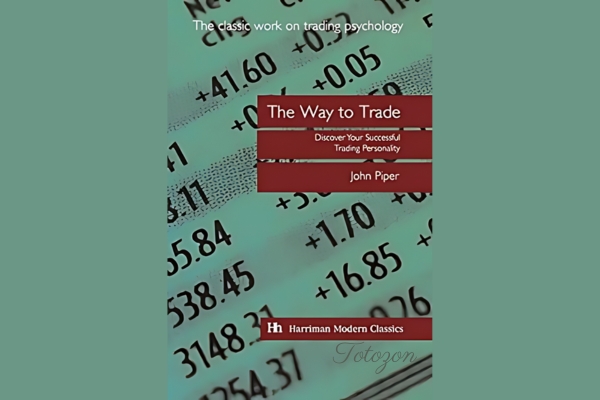
The Way to Trade with John Piper
$6.00
File Size: Coming soon!
Delivery Time: 1–12 hours
Media Type: Online Course
Content Proof: Watch Here!
You may check content proof of “The Way to Trade with John Piper” below:

The Way to Trade with John Piper
Introduction
Trading in financial markets requires skill, strategy, and psychological fortitude. John Piper, a seasoned trader and author, shares his insights and methods in “The Way to Trade.” This article delves into Piper’s strategies, offering a comprehensive guide for both novice and experienced traders.
Understanding John Piper’s Approach
Who is John Piper?
John Piper is a renowned trader and author known for his expertise in trading strategies and market psychology. His book, “The Way to Trade,” provides valuable insights into effective trading techniques.
The Essence of Piper’s Philosophy
Piper emphasizes the importance of a structured approach, psychological discipline, and continuous learning. His methods are designed to help traders navigate market complexities with confidence.
Key Principles of “The Way to Trade”
Discipline and Consistency
Discipline is crucial in trading. Piper advocates for consistent adherence to trading rules and strategies to avoid impulsive decisions.
Understanding Market Psychology
Market psychology plays a significant role in trading. Recognizing and managing emotions like fear and greed can lead to more rational decisions.
Risk Management
Effective risk management involves setting stop-loss orders, determining position sizes, and diversifying investments to protect against significant losses.
Building a Trading Strategy
Define Your Goals
Set clear, achievable trading goals. Whether it’s daily profits, long-term growth, or mastering a specific strategy, having defined objectives is essential.
Choose Your Trading Style
Select a trading style that suits your personality and lifestyle. Common styles include day trading, swing trading, and position trading.
Develop a Trading Plan
Entry and Exit Criteria
Establish specific criteria for entering and exiting trades. This could be based on technical indicators, chart patterns, or fundamental analysis.
Position Sizing
Determine how much of your capital to risk on each trade. A common rule is to risk no more than 1-2% of your trading account on a single trade.
Technical Analysis Tools
Moving Averages
Moving averages help identify trends by smoothing out price data. They can signal potential entry and exit points.
Relative Strength Index (RSI)
RSI measures the speed and change of price movements, indicating overbought or oversold conditions.
Bollinger Bands
Bollinger Bands consist of a moving average with two standard deviations above and below. They help identify volatility and potential reversal points.
Fundamental Analysis
Analyzing Economic Indicators
Economic indicators like GDP growth, unemployment rates, and inflation can impact market movements. Understanding these factors can provide a broader context for your trades.
Company Financials
For stock traders, analyzing a company’s financial health through balance sheets, income statements, and cash flow statements is crucial.
Implementing Your Trading Plan
Choosing the Right Platform
Select a trading platform that offers the necessary tools, features, and real-time data to support your trading strategy.
Setting Up Your System
Configure your trading system with the appropriate indicators, charts, and order execution rules.
Monitoring and Adjusting
Regularly monitor your trades and market conditions. Be prepared to adjust your strategy as needed based on performance and changing circumstances.
Psychological Aspects of Trading
Managing Emotions
Emotional control is vital for trading success. Techniques like mindfulness and meditation can help manage stress and maintain focus.
Staying Disciplined
Stick to your trading plan and avoid making impulsive decisions based on market noise or short-term fluctuations.
Continuous Learning
The markets are constantly evolving. Continuously educate yourself about new strategies, tools, and market developments.
Case Studies of Successful Traders
George Soros
Known for his shorting of the British pound, George Soros’s disciplined approach and understanding of market psychology are key to his success.
Warren Buffett
Buffett’s value investing strategy focuses on long-term growth and thorough analysis of company fundamentals.
John Piper
Piper’s strategies emphasize psychological discipline and structured trading plans, making him a respected figure in the trading community.
Practical Tips for Success
Start Small
Begin with small trades to build confidence and understand market dynamics without risking significant capital.
Keep a Trading Journal
Document your trades, including entry and exit points, reasons for the trade, and outcomes. This helps identify patterns and areas for improvement.
Avoid Overtrading
Stick to your trading plan and avoid the temptation to trade excessively. Overtrading can lead to mistakes and increased risk.
Common Mistakes to Avoid
Ignoring Risk Management
Never neglect risk management. Always use stop-loss orders and maintain proper position sizing.
Letting Emotions Drive Decisions
Avoid making trading decisions based on emotions like fear or greed. Stay rational and disciplined.
Chasing Trends
Chasing market trends without proper analysis can lead to losses. Focus on well-researched trades based on your strategy.
The Future of Trading
Technological Advances
Technological advancements like artificial intelligence and machine learning are revolutionizing trading by providing sophisticated data analysis and predictive modeling.
Automated Trading
Automated trading systems execute trades based on predefined rules, increasing efficiency and reducing emotional involvement.
Personalized Trading Strategies
Future trading systems will offer greater customization, allowing traders to tailor strategies to their specific needs and preferences.
Conclusion
“The Way to Trade” by John Piper provides a comprehensive guide to developing effective trading strategies, managing risk, and understanding market psychology. By following these principles and continuously refining your approach, you can navigate the financial markets with confidence and achieve long-term success.
FAQs
1. What is the primary focus of John Piper’s trading approach?
John Piper emphasizes discipline, psychological control, and structured trading strategies.
2. How important is risk management in trading?
Risk management is crucial to protect against significant losses and ensure long-term sustainability in trading.
3. What tools can help in technical analysis?
Tools like moving averages, RSI, and Bollinger Bands are essential for technical analysis.
4. Why is emotional control important in trading?
Emotional control helps prevent impulsive decisions and maintains discipline in trading.
5. How can I continuously improve my trading skills?
Continuous learning through education, market analysis, and reviewing your trades helps improve trading skills over time.
Be the first to review “The Way to Trade with John Piper”
You must be logged in to post a review.
Related products

Forex Trading
Original price was: $2,995.00.$31.00Current price is: $31.00.

Original price was: $2,120.00.$15.00Current price is: $15.00.
Forex Trading
Original price was: $397.00.$31.00Current price is: $31.00.

Forex Trading
Original price was: $799.00.$15.00Current price is: $15.00.

Original price was: $700.00.$39.00Current price is: $39.00.
Forex Trading
Original price was: $239.00.$8.00Current price is: $8.00.

Original price was: $310.00.$23.00Current price is: $23.00.

Original price was: $997.00.$13.00Current price is: $13.00.
Forex Trading
Original price was: $850.00.$23.00Current price is: $23.00.

Original price was: $4,995.00.$15.00Current price is: $15.00.

Forex Trading
Original price was: $797.00.$10.00Current price is: $10.00.
Original price was: $197.00.$5.00Current price is: $5.00.

Forex Trading
Original price was: $697.00.$5.00Current price is: $5.00.
Forex Trading
Quantamentals – The Next Great Forefront Of Trading and Investing with Trading Markets
Original price was: $1,495.00.$8.00Current price is: $8.00.

Original price was: $497.00.$31.00Current price is: $31.00.

Forex Trading
Original price was: $2,997.00.$23.00Current price is: $23.00.
Original price was: $999.00.$5.00Current price is: $5.00.
Forex Trading
Original price was: $2,000.00.$23.00Current price is: $23.00.
Forex Trading
Original price was: $999.00.$15.00Current price is: $15.00.

Original price was: $895.00.$15.00Current price is: $15.00.
Reviews
There are no reviews yet.