
-
×
 Streetsmart Guide To Valuing a Stock (2nd Ed.) with Gary Gray
1 × $6.00
Streetsmart Guide To Valuing a Stock (2nd Ed.) with Gary Gray
1 × $6.00 -
×
 Futures & Options for Dummies with Joe Duarte
1 × $6.00
Futures & Options for Dummies with Joe Duarte
1 × $6.00 -
×
 Foreign Exchange
1 × $6.00
Foreign Exchange
1 × $6.00 -
×
 Inside the Minds Leading Wall Street Investors with Aspatore Books
1 × $6.00
Inside the Minds Leading Wall Street Investors with Aspatore Books
1 × $6.00 -
×
![Robert Miner-Complete Price Tutorial Series [5 Videos (AVI)] img](https://www.totozon.com/wp-content/uploads/2024/05/Robert-Miner-Complete-Price-Tutorial-Series-5-Videos-AVI-img.png) Robert Miner-Complete Price Tutorial Series [5 Videos (AVI)]
1 × $6.00
Robert Miner-Complete Price Tutorial Series [5 Videos (AVI)]
1 × $6.00 -
×
 The Aime Workshop with Clay Marafiote
1 × $6.00
The Aime Workshop with Clay Marafiote
1 × $6.00 -
×
 Master Moving Averages - Profit Multiplying Techniques with Nick Santiago - InTheMoneyStocks
1 × $54.00
Master Moving Averages - Profit Multiplying Techniques with Nick Santiago - InTheMoneyStocks
1 × $54.00 -
×
 How To Write High Converting Copy with Tej Dosa
1 × $6.00
How To Write High Converting Copy with Tej Dosa
1 × $6.00 -
×
 Momentum Signals Training Course with Fulcum Trader
1 × $5.00
Momentum Signals Training Course with Fulcum Trader
1 × $5.00 -
×
 How I Get Paid $1,000 Every Friday Trading Options with Jeff Tompkins
1 × $15.00
How I Get Paid $1,000 Every Friday Trading Options with Jeff Tompkins
1 × $15.00 -
×
 Capital with Charles D.Ellis
1 × $6.00
Capital with Charles D.Ellis
1 × $6.00 -
×
 PFAZoneSuite [Trading Indicator] 2017
1 × $109.00
PFAZoneSuite [Trading Indicator] 2017
1 × $109.00 -
×
 The Insider's Guide to Forex Trading with Kathy Lien
1 × $6.00
The Insider's Guide to Forex Trading with Kathy Lien
1 × $6.00 -
×
 FXStreet Unrecorded Webinars Sept & Oct, 2011 with Sam Seiden
1 × $6.00
FXStreet Unrecorded Webinars Sept & Oct, 2011 with Sam Seiden
1 × $6.00 -
×
 A Mathematician Plays The Stock Market with John Allen Paulos
1 × $6.00
A Mathematician Plays The Stock Market with John Allen Paulos
1 × $6.00 -
×
 Scalping Master Course with Dayonetraders
1 × $6.00
Scalping Master Course with Dayonetraders
1 × $6.00 -
×
 Electronic Trading "TNT" IV Tips Tricks and Other Trading Stuff with Joe Ross & Mark Cherlin
1 × $6.00
Electronic Trading "TNT" IV Tips Tricks and Other Trading Stuff with Joe Ross & Mark Cherlin
1 × $6.00 -
×
 Gillen Predicts with Jack Gillen
1 × $6.00
Gillen Predicts with Jack Gillen
1 × $6.00 -
×
 Fundamentals of the Stock Market with B.O’Neill Wyss
1 × $6.00
Fundamentals of the Stock Market with B.O’Neill Wyss
1 × $6.00 -
×
 The Reducing Risk and Maximizing Returns Blueprint (Atomic Hedge Strategy) with Don Kaufman
1 × $6.00
The Reducing Risk and Maximizing Returns Blueprint (Atomic Hedge Strategy) with Don Kaufman
1 × $6.00 -
×
 Charles Cottle Package ( Discount 50% )
1 × $23.00
Charles Cottle Package ( Discount 50% )
1 × $23.00 -
×
 Risk Stop Loss and Position Size with Daryl Guppy
1 × $6.00
Risk Stop Loss and Position Size with Daryl Guppy
1 × $6.00 -
×
 Guide to Scanning for Potential Stock Trades class with Jeff Bierman
1 × $6.00
Guide to Scanning for Potential Stock Trades class with Jeff Bierman
1 × $6.00 -
×
 Practical Elliott Wave Trading Strategies with Robert Miner
1 × $6.00
Practical Elliott Wave Trading Strategies with Robert Miner
1 × $6.00 -
×
 Failure Rate Modelling for Reliabiliy & Risk with Maxim Finkelstein
1 × $6.00
Failure Rate Modelling for Reliabiliy & Risk with Maxim Finkelstein
1 × $6.00 -
×
 After Hour Trading Made Easy with Joe Duarte & Roland Burke
1 × $6.00
After Hour Trading Made Easy with Joe Duarte & Roland Burke
1 × $6.00 -
×
 Matrix Spread Options Trading Course with Base Camp Trading
1 × $31.00
Matrix Spread Options Trading Course with Base Camp Trading
1 × $31.00 -
×
 Dan Sheridan Volatility Class
1 × $6.00
Dan Sheridan Volatility Class
1 × $6.00 -
×
 Weekly Options Boot Camp with Price Headley
1 × $15.00
Weekly Options Boot Camp with Price Headley
1 × $15.00 -
×
 TradeCraft: Your Path to Peak Performance Trading By Adam Grimes
1 × $15.00
TradeCraft: Your Path to Peak Performance Trading By Adam Grimes
1 × $15.00 -
×
 Stock Market Strategies That Work with Jack Bernstein
1 × $6.00
Stock Market Strategies That Work with Jack Bernstein
1 × $6.00 -
×
 Home Run Options Trading Course with Dave Aquino - Base Camp Trading
1 × $11.00
Home Run Options Trading Course with Dave Aquino - Base Camp Trading
1 × $11.00 -
×
 Boomer Quick Profits Day Trading Course
1 × $23.00
Boomer Quick Profits Day Trading Course
1 × $23.00 -
×
 Jason Bond Dvds for Traders (all 4 programs)
1 × $6.00
Jason Bond Dvds for Traders (all 4 programs)
1 × $6.00 -
×
 Stock Market Rules (2nd Ed.) with Michael Sheimo
1 × $6.00
Stock Market Rules (2nd Ed.) with Michael Sheimo
1 × $6.00 -
×
 The Indices Orderflow Masterclass with The Forex Scalpers
1 × $23.00
The Indices Orderflow Masterclass with The Forex Scalpers
1 × $23.00 -
×
 Master NFTs in 7 Days with Ben Yu
1 × $23.00
Master NFTs in 7 Days with Ben Yu
1 × $23.00 -
×
 Expert Forex Systems with Andrew Fields
1 × $6.00
Expert Forex Systems with Andrew Fields
1 × $6.00 -
×
 Rounded Bottom Breakout Multimedia Course
1 × $31.00
Rounded Bottom Breakout Multimedia Course
1 × $31.00 -
×
 Starting Out in Futures Trading with Mark Powers
1 × $6.00
Starting Out in Futures Trading with Mark Powers
1 × $6.00 -
×
 Altucher’s Top 1% Advisory Newsletter 2016 with James Altucher
1 × $6.00
Altucher’s Top 1% Advisory Newsletter 2016 with James Altucher
1 × $6.00 -
×
 The Jupiter Effect with John Gribbin & Stephen Plagemann
1 × $6.00
The Jupiter Effect with John Gribbin & Stephen Plagemann
1 × $6.00 -
×
 High Probability Trading Using Elliott Wave And Fibonacci Analysis withVic Patel - Forex Training Group
1 × $10.00
High Probability Trading Using Elliott Wave And Fibonacci Analysis withVic Patel - Forex Training Group
1 × $10.00 -
×
 ICT Prodigy Trading Course – $650K in Payouts with Alex Solignani
1 × $15.00
ICT Prodigy Trading Course – $650K in Payouts with Alex Solignani
1 × $15.00 -
×
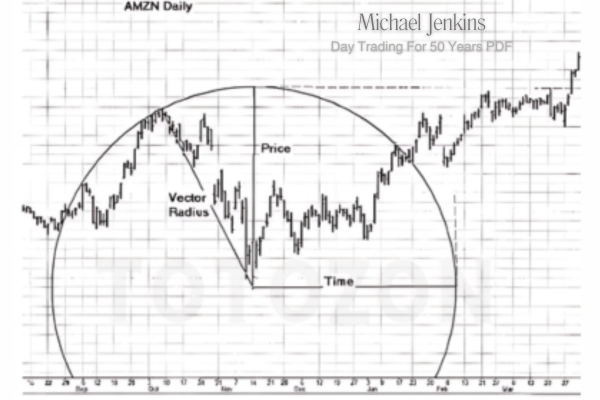 Day Trading For 50 Years PDF with Michael Jenkins
1 × $6.00
Day Trading For 50 Years PDF with Michael Jenkins
1 × $6.00 -
×
 Gap Trading for Stock and Options Traders with Damon Verial
1 × $6.00
Gap Trading for Stock and Options Traders with Damon Verial
1 × $6.00 -
×
 Order flow self-study training program with iMFtracker
1 × $10.00
Order flow self-study training program with iMFtracker
1 × $10.00 -
×
 Trading Aplications of Japanese Candlestick Charting with Gary S.Wagner & Bradley L.Matheny
1 × $6.00
Trading Aplications of Japanese Candlestick Charting with Gary S.Wagner & Bradley L.Matheny
1 × $6.00 -
×
 Stable Adaptive Control for Nonlinear Systems with Jeffrey Spooner
1 × $6.00
Stable Adaptive Control for Nonlinear Systems with Jeffrey Spooner
1 × $6.00 -
×
 FX Accelerator
1 × $31.00
FX Accelerator
1 × $31.00 -
×
 Forex Fortune Factory with Nehemiah Douglass & Cottrell Phillip
1 × $5.00
Forex Fortune Factory with Nehemiah Douglass & Cottrell Phillip
1 × $5.00 -
×
 Confessions of a Street Addict with James Cramer
1 × $6.00
Confessions of a Street Addict with James Cramer
1 × $6.00 -
×
 Simple Smart Forex Renko Program with Nikos Mermigas
1 × $10.00
Simple Smart Forex Renko Program with Nikos Mermigas
1 × $10.00 -
×
 Profit in the Futures Markets! with Jack Bernstein
1 × $6.00
Profit in the Futures Markets! with Jack Bernstein
1 × $6.00 -
×
 An Introduction to Option Trading Success with James Bittman
1 × $6.00
An Introduction to Option Trading Success with James Bittman
1 × $6.00 -
×
 The 10%ers with Trader Mike
1 × $5.00
The 10%ers with Trader Mike
1 × $5.00 -
×
 The Complete Guide to Option Selling, 2nd 2009 with James Cordier & Michael Gross
1 × $6.00
The Complete Guide to Option Selling, 2nd 2009 with James Cordier & Michael Gross
1 × $6.00 -
×
 WondaFX Signature Strategy with WondaFX
1 × $5.00
WondaFX Signature Strategy with WondaFX
1 × $5.00
The Way to Trade with John Piper
$6.00
File Size: Coming soon!
Delivery Time: 1–12 hours
Media Type: Online Course
Content Proof: Watch Here!
You may check content proof of “The Way to Trade with John Piper” below:

The Way to Trade with John Piper
Introduction
Trading in financial markets requires skill, strategy, and psychological fortitude. John Piper, a seasoned trader and author, shares his insights and methods in “The Way to Trade.” This article delves into Piper’s strategies, offering a comprehensive guide for both novice and experienced traders.
Understanding John Piper’s Approach
Who is John Piper?
John Piper is a renowned trader and author known for his expertise in trading strategies and market psychology. His book, “The Way to Trade,” provides valuable insights into effective trading techniques.
The Essence of Piper’s Philosophy
Piper emphasizes the importance of a structured approach, psychological discipline, and continuous learning. His methods are designed to help traders navigate market complexities with confidence.
Key Principles of “The Way to Trade”
Discipline and Consistency
Discipline is crucial in trading. Piper advocates for consistent adherence to trading rules and strategies to avoid impulsive decisions.
Understanding Market Psychology
Market psychology plays a significant role in trading. Recognizing and managing emotions like fear and greed can lead to more rational decisions.
Risk Management
Effective risk management involves setting stop-loss orders, determining position sizes, and diversifying investments to protect against significant losses.
Building a Trading Strategy
Define Your Goals
Set clear, achievable trading goals. Whether it’s daily profits, long-term growth, or mastering a specific strategy, having defined objectives is essential.
Choose Your Trading Style
Select a trading style that suits your personality and lifestyle. Common styles include day trading, swing trading, and position trading.
Develop a Trading Plan
Entry and Exit Criteria
Establish specific criteria for entering and exiting trades. This could be based on technical indicators, chart patterns, or fundamental analysis.
Position Sizing
Determine how much of your capital to risk on each trade. A common rule is to risk no more than 1-2% of your trading account on a single trade.
Technical Analysis Tools
Moving Averages
Moving averages help identify trends by smoothing out price data. They can signal potential entry and exit points.
Relative Strength Index (RSI)
RSI measures the speed and change of price movements, indicating overbought or oversold conditions.
Bollinger Bands
Bollinger Bands consist of a moving average with two standard deviations above and below. They help identify volatility and potential reversal points.
Fundamental Analysis
Analyzing Economic Indicators
Economic indicators like GDP growth, unemployment rates, and inflation can impact market movements. Understanding these factors can provide a broader context for your trades.
Company Financials
For stock traders, analyzing a company’s financial health through balance sheets, income statements, and cash flow statements is crucial.
Implementing Your Trading Plan
Choosing the Right Platform
Select a trading platform that offers the necessary tools, features, and real-time data to support your trading strategy.
Setting Up Your System
Configure your trading system with the appropriate indicators, charts, and order execution rules.
Monitoring and Adjusting
Regularly monitor your trades and market conditions. Be prepared to adjust your strategy as needed based on performance and changing circumstances.
Psychological Aspects of Trading
Managing Emotions
Emotional control is vital for trading success. Techniques like mindfulness and meditation can help manage stress and maintain focus.
Staying Disciplined
Stick to your trading plan and avoid making impulsive decisions based on market noise or short-term fluctuations.
Continuous Learning
The markets are constantly evolving. Continuously educate yourself about new strategies, tools, and market developments.
Case Studies of Successful Traders
George Soros
Known for his shorting of the British pound, George Soros’s disciplined approach and understanding of market psychology are key to his success.
Warren Buffett
Buffett’s value investing strategy focuses on long-term growth and thorough analysis of company fundamentals.
John Piper
Piper’s strategies emphasize psychological discipline and structured trading plans, making him a respected figure in the trading community.
Practical Tips for Success
Start Small
Begin with small trades to build confidence and understand market dynamics without risking significant capital.
Keep a Trading Journal
Document your trades, including entry and exit points, reasons for the trade, and outcomes. This helps identify patterns and areas for improvement.
Avoid Overtrading
Stick to your trading plan and avoid the temptation to trade excessively. Overtrading can lead to mistakes and increased risk.
Common Mistakes to Avoid
Ignoring Risk Management
Never neglect risk management. Always use stop-loss orders and maintain proper position sizing.
Letting Emotions Drive Decisions
Avoid making trading decisions based on emotions like fear or greed. Stay rational and disciplined.
Chasing Trends
Chasing market trends without proper analysis can lead to losses. Focus on well-researched trades based on your strategy.
The Future of Trading
Technological Advances
Technological advancements like artificial intelligence and machine learning are revolutionizing trading by providing sophisticated data analysis and predictive modeling.
Automated Trading
Automated trading systems execute trades based on predefined rules, increasing efficiency and reducing emotional involvement.
Personalized Trading Strategies
Future trading systems will offer greater customization, allowing traders to tailor strategies to their specific needs and preferences.
Conclusion
“The Way to Trade” by John Piper provides a comprehensive guide to developing effective trading strategies, managing risk, and understanding market psychology. By following these principles and continuously refining your approach, you can navigate the financial markets with confidence and achieve long-term success.
FAQs
1. What is the primary focus of John Piper’s trading approach?
John Piper emphasizes discipline, psychological control, and structured trading strategies.
2. How important is risk management in trading?
Risk management is crucial to protect against significant losses and ensure long-term sustainability in trading.
3. What tools can help in technical analysis?
Tools like moving averages, RSI, and Bollinger Bands are essential for technical analysis.
4. Why is emotional control important in trading?
Emotional control helps prevent impulsive decisions and maintains discipline in trading.
5. How can I continuously improve my trading skills?
Continuous learning through education, market analysis, and reviewing your trades helps improve trading skills over time.
Be the first to review “The Way to Trade with John Piper”
You must be logged in to post a review.
Related products

Original price was: $895.00.$15.00Current price is: $15.00.
Forex Trading
Original price was: $797.00.$10.00Current price is: $10.00.

Forex Trading
Original price was: $2,997.00.$23.00Current price is: $23.00.
Original price was: $497.00.$11.00Current price is: $11.00.

Forex Trading
Original price was: $4,997.00.$27.00Current price is: $27.00.

Forex Trading
Original price was: $397.00.$31.00Current price is: $31.00.

Original price was: $997.00.$8.00Current price is: $8.00.

Original price was: $310.00.$23.00Current price is: $23.00.
Original price was: $2,120.00.$15.00Current price is: $15.00.

Original price was: $1,200.00.$23.00Current price is: $23.00.

Forex Trading
Original price was: $500.00.$5.00Current price is: $5.00.

Forex Trading
Original price was: $850.00.$23.00Current price is: $23.00.
Forex Trading
Original price was: $550.00.$5.00Current price is: $5.00.

Forex Trading
Original price was: $2,995.00.$31.00Current price is: $31.00.

Original price was: $299.00.$8.00Current price is: $8.00.

Forex Trading
Quantamentals – The Next Great Forefront Of Trading and Investing with Trading Markets
Original price was: $1,495.00.$8.00Current price is: $8.00.
Original price was: $4,995.00.$15.00Current price is: $15.00.

Forex Trading
Original price was: $239.00.$8.00Current price is: $8.00.

Forex Trading
Original price was: $499.00.$15.00Current price is: $15.00.

Forex Trading
Original price was: $249.00.$15.00Current price is: $15.00.

Reviews
There are no reviews yet.