
-
×
 Zedd Monopoly Platinum
1 × $5.00
Zedd Monopoly Platinum
1 × $5.00 -
×
 The Options Course Workbook: Step-by-Step Exercises and Tests to Help You Master the Options Course - George Fontanills
1 × $6.00
The Options Course Workbook: Step-by-Step Exercises and Tests to Help You Master the Options Course - George Fontanills
1 × $6.00 -
×
 Tradingology Complete Options Course with David Vallieres
1 × $6.00
Tradingology Complete Options Course with David Vallieres
1 × $6.00 -
×
 Trading Short TermSame Day Trades Sep 2023 with Dan Sheridan & Mark Fenton - Sheridan Options Mentoring
1 × $31.00
Trading Short TermSame Day Trades Sep 2023 with Dan Sheridan & Mark Fenton - Sheridan Options Mentoring
1 × $31.00 -
×
 The Conscious Investor: Profiting from the Timeless Value Approach with John Price
1 × $6.00
The Conscious Investor: Profiting from the Timeless Value Approach with John Price
1 × $6.00 -
×
 Volatility Master Class
1 × $62.00
Volatility Master Class
1 × $62.00 -
×
 Frank Kern Courses Collection (23+ Courses)
1 × $20.00
Frank Kern Courses Collection (23+ Courses)
1 × $20.00 -
×
 Harmonic Multi-Patterns with Scan Watchlist for Thinkorswim and Mobile
1 × $6.00
Harmonic Multi-Patterns with Scan Watchlist for Thinkorswim and Mobile
1 × $6.00 -
×
 Ultimate Trading Course with Dodgy's Dungeon
1 × $8.00
Ultimate Trading Course with Dodgy's Dungeon
1 × $8.00 -
×
 Classical Technical Analysis as a Powerful Trading Methodology with John Tirone
1 × $4.00
Classical Technical Analysis as a Powerful Trading Methodology with John Tirone
1 × $4.00 -
×
 High Probability Trading Using Elliott Wave And Fibonacci Analysis withVic Patel - Forex Training Group
1 × $10.00
High Probability Trading Using Elliott Wave And Fibonacci Analysis withVic Patel - Forex Training Group
1 × $10.00 -
×
 White Phoenix’s The Smart (Money) Approach to Trading with Jayson Casper
1 × $39.00
White Phoenix’s The Smart (Money) Approach to Trading with Jayson Casper
1 × $39.00 -
×
 W. D Gann 's Square Of 9 Applied To Modern Markets with Sean Avidar - Hexatrade350
1 × $23.00
W. D Gann 's Square Of 9 Applied To Modern Markets with Sean Avidar - Hexatrade350
1 × $23.00 -
×
 WondaFX Signature Strategy with WondaFX
1 × $5.00
WondaFX Signature Strategy with WondaFX
1 × $5.00 -
×
 Tristan Edwards: "How To Set Up A Hedge Fund"
1 × $6.00
Tristan Edwards: "How To Set Up A Hedge Fund"
1 × $6.00 -
×
 The A14 Weekly Option Strategy Workshop with Amy Meissner
1 × $23.00
The A14 Weekly Option Strategy Workshop with Amy Meissner
1 × $23.00 -
×
 Crypto Trading Academy with Cheeky Investor - Aussie Day Trader
1 × $13.00
Crypto Trading Academy with Cheeky Investor - Aussie Day Trader
1 × $13.00 -
×
 Opportunity Investing with Gerald Appel
1 × $6.00
Opportunity Investing with Gerald Appel
1 × $6.00 -
×
 FXCharger
1 × $23.00
FXCharger
1 × $23.00 -
×
 Edges For Ledges 2 with Trader Dante
1 × $5.00
Edges For Ledges 2 with Trader Dante
1 × $5.00 -
×
 Forecast 2024 Clarification with Larry Williams
1 × $15.00
Forecast 2024 Clarification with Larry Williams
1 × $15.00 -
×
 Order flow self-study training program with iMFtracker
1 × $10.00
Order flow self-study training program with iMFtracker
1 × $10.00 -
×
 Turning Losing Forex Trades into Winners: Proven Techniques to Reverse Your Losses with Gerald E.Greene
1 × $6.00
Turning Losing Forex Trades into Winners: Proven Techniques to Reverse Your Losses with Gerald E.Greene
1 × $6.00 -
×
 Universal Clock with Jeanne Long
1 × $6.00
Universal Clock with Jeanne Long
1 × $6.00 -
×
 Options Trading & Ultimate MasterClass With Tyrone Abela - FX Evolution
1 × $54.00
Options Trading & Ultimate MasterClass With Tyrone Abela - FX Evolution
1 × $54.00 -
×
 Calendar Spreads with Todd Mitchell
1 × $31.00
Calendar Spreads with Todd Mitchell
1 × $31.00 -
×
 The Orderflows Trade Opportunities Encyclopedia with Michael Valtos
1 × $8.00
The Orderflows Trade Opportunities Encyclopedia with Michael Valtos
1 × $8.00 -
×
 Ultimate Guide to Stock Investing
1 × $6.00
Ultimate Guide to Stock Investing
1 × $6.00 -
×
 Intermediate Options Trading Course
1 × $39.00
Intermediate Options Trading Course
1 × $39.00 -
×
 Tunnel Through the Air (1994 Conference of Astro-Timing Techniques) with Bonnie Lee Hill
1 × $4.00
Tunnel Through the Air (1994 Conference of Astro-Timing Techniques) with Bonnie Lee Hill
1 × $4.00 -
×
 Twelve Ways to Survive the Next Twelve Months with Adam Lass
1 × $6.00
Twelve Ways to Survive the Next Twelve Months with Adam Lass
1 × $6.00 -
×
 Trading Protege / Inner Circle Course - 9 DVDs + Manual 2004
1 × $6.00
Trading Protege / Inner Circle Course - 9 DVDs + Manual 2004
1 × $6.00 -
×
 The Indices Orderflow Masterclass with The Forex Scalpers
1 × $23.00
The Indices Orderflow Masterclass with The Forex Scalpers
1 × $23.00 -
×
 Volcano Trading with Claytrader
1 × $15.00
Volcano Trading with Claytrader
1 × $15.00 -
×
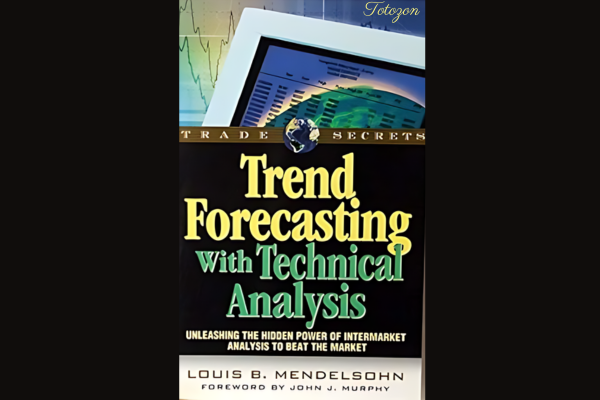 Trend Forecasting with Technical Analysis with Louis Mendelsohn & John Murphy
1 × $6.00
Trend Forecasting with Technical Analysis with Louis Mendelsohn & John Murphy
1 × $6.00 -
×
 ADVANCED Swing Trading Strategy - Forex Trading Stock Trading
1 × $15.00
ADVANCED Swing Trading Strategy - Forex Trading Stock Trading
1 × $15.00 -
×
 Bond Market Course with The Macro Compass
1 × $15.00
Bond Market Course with The Macro Compass
1 × $15.00 -
×
 How To Read The Market Professionally with TradeSmart
1 × $27.00
How To Read The Market Professionally with TradeSmart
1 × $27.00 -
×
 Best of the Best: Collars with Amy Meissner & Scott Ruble
1 × $15.00
Best of the Best: Collars with Amy Meissner & Scott Ruble
1 × $15.00 -
×
 TheoTrade - Maximum Returns with Infinity Spreads
1 × $23.00
TheoTrade - Maximum Returns with Infinity Spreads
1 × $23.00 -
×
 Winning Chart Patterns For NASDAQ Traders Version 2 - 1 DVD with Ken Calhoun
1 × $6.00
Winning Chart Patterns For NASDAQ Traders Version 2 - 1 DVD with Ken Calhoun
1 × $6.00 -
×
 The Naked Eye: Raw Data Analytics with Edgar Torres - Raw Data Analytics
1 × $8.00
The Naked Eye: Raw Data Analytics with Edgar Torres - Raw Data Analytics
1 × $8.00 -
×
 TTM Slingshot
1 × $6.00
TTM Slingshot
1 × $6.00 -
×
 Avoiding Trading Mistakes with Mark D.Cook
1 × $6.00
Avoiding Trading Mistakes with Mark D.Cook
1 × $6.00 -
×
 Compass Trading System with Right Line Trading
1 × $39.00
Compass Trading System with Right Line Trading
1 × $39.00 -
×
 Ultimate Candlestick Training Package and Bonus Candlestick Analysis Technician Seminar
1 × $23.00
Ultimate Candlestick Training Package and Bonus Candlestick Analysis Technician Seminar
1 × $23.00 -
×
 Butterfly and Condor Workshop with Aeromir
1 × $15.00
Butterfly and Condor Workshop with Aeromir
1 × $15.00 -
×
 ICT Prodigy Trading Course – $650K in Payouts with Alex Solignani
1 × $15.00
ICT Prodigy Trading Course – $650K in Payouts with Alex Solignani
1 × $15.00 -
×
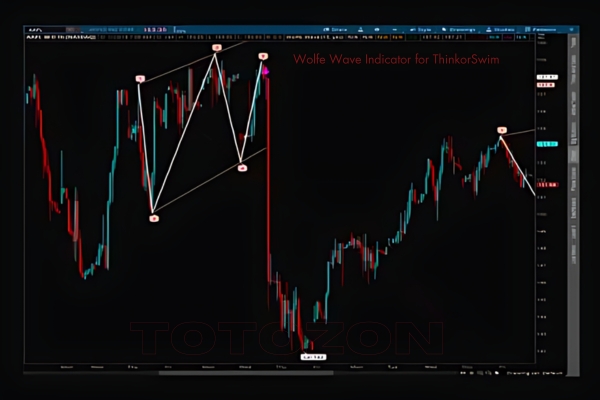 Wolfe Wave Indicator for ThinkorSwim
1 × $6.00
Wolfe Wave Indicator for ThinkorSwim
1 × $6.00 -
×
 Divergent swing trading
1 × $54.00
Divergent swing trading
1 × $54.00 -
×
 Essentials in Quantitative Trading QT01 By HangukQuant's
1 × $23.00
Essentials in Quantitative Trading QT01 By HangukQuant's
1 × $23.00 -
×
 Algo Trading Masterclass with Ali Casey - StatOasis
1 × $23.00
Algo Trading Masterclass with Ali Casey - StatOasis
1 × $23.00 -
×
 Quantamentals - The Next Great Forefront Of Trading and Investing with Trading Markets
1 × $8.00
Quantamentals - The Next Great Forefront Of Trading and Investing with Trading Markets
1 × $8.00 -
×
 Winning Market Systems. 83 Ways to Beat the Market
1 × $6.00
Winning Market Systems. 83 Ways to Beat the Market
1 × $6.00 -
×
 Schwager on Futures: Managed Trading with Jack Schwager
1 × $4.00
Schwager on Futures: Managed Trading with Jack Schwager
1 × $4.00 -
×
 Trident. A Trading Strategy with Charles L.Lindsay
1 × $6.00
Trident. A Trading Strategy with Charles L.Lindsay
1 × $6.00 -
×
 Mastering the Trade
1 × $6.00
Mastering the Trade
1 × $6.00 -
×
 NQ Full Order Flow Course with Scott Pulcini Trader
1 × $8.00
NQ Full Order Flow Course with Scott Pulcini Trader
1 × $8.00 -
×
 $20 – 52k 20 pips a day challange with Rafał Zuchowicz - TopMasterTrader
1 × $5.00
$20 – 52k 20 pips a day challange with Rafał Zuchowicz - TopMasterTrader
1 × $5.00 -
×
 The Winning Watch-List with Ryan Mallory
1 × $31.00
The Winning Watch-List with Ryan Mallory
1 × $31.00 -
×
 Matrix Spread Options Trading Course with Base Camp Trading
1 × $31.00
Matrix Spread Options Trading Course with Base Camp Trading
1 × $31.00 -
×
 The Forex Scalper
1 × $5.00
The Forex Scalper
1 × $5.00 -
×
 AI For Traders with Trading Markets
1 × $31.00
AI For Traders with Trading Markets
1 × $31.00 -
×
 Wifxa - INSTITUTIONAL SCALPING
1 × $23.00
Wifxa - INSTITUTIONAL SCALPING
1 × $23.00 -
×
 Scalp Strategy and Flipping Small Accounts with Opes Trading Group
1 × $5.00
Scalp Strategy and Flipping Small Accounts with Opes Trading Group
1 × $5.00
Investment Blunders with John Nofsinger
$6.00
File Size: Coming soon!
Delivery Time: 1–12 hours
Media Type: Online Course
Content Proof: Watch Here!
You may check content proof of “Investment Blunders with John Nofsinger” below:

Investment Blunders with John Nofsinger
Introduction
Investing can be a rewarding journey, but it’s also fraught with potential pitfalls. John Nofsinger, an expert in behavioral finance, highlights common investment blunders that can derail even the most experienced investors. By understanding and avoiding these mistakes, you can improve your investment strategy and increase your chances of success.
The Importance of Recognizing Investment Blunders
Why Recognizing Mistakes Matters
Recognizing and understanding investment blunders is crucial because it helps investors avoid repeating the same errors. Learning from mistakes leads to better decision-making and improved financial outcomes.
The Role of Behavioral Finance
Behavioral finance studies the psychological influences on investor behavior. By examining these influences, we can gain insights into why investors make certain mistakes and how to avoid them.
Common Investment Blunders
Overconfidence Bias
Overconfidence bias leads investors to overestimate their knowledge and abilities, resulting in risky investment choices. This can be particularly harmful in volatile markets.
Confirmation Bias
Confirmation bias is the tendency to seek out information that confirms existing beliefs while ignoring contradictory data. This can lead to poor investment decisions based on incomplete information.
Herd Mentality
Herd mentality drives investors to follow the crowd, often leading to bubbles and crashes. This behavior is fueled by the fear of missing out (FOMO) and fear of loss.
Loss Aversion
Loss aversion describes the preference to avoid losses rather than acquiring equivalent gains. This can cause investors to hold onto losing investments for too long, hoping to break even.
Anchoring
Anchoring occurs when investors fixate on a particular price or value, often leading to suboptimal buying or selling decisions.
Emotional Influences on Investing
Fear and Greed
Fear and greed are powerful emotions that significantly impact investment decisions. Greed can lead to speculative bubbles, while fear can result in panic selling.
Regret Aversion
Regret aversion is the fear of making decisions that one might later regret. This can lead to indecision and missed opportunities in the market.
Overreaction to Market Movements
Overreacting to short-term market movements can cause investors to make hasty decisions, often to their detriment.
Strategies to Avoid Investment Blunders
Setting Clear Goals
Define clear, measurable investment goals. Having specific objectives helps maintain focus and reduce emotional decision-making.
Diversification
Diversify your investment portfolio to spread risk across different assets. This strategy can mitigate the impact of poor performance from any single investment.
Regular Portfolio Reviews
Regularly review and adjust your portfolio based on performance and changing market conditions. This disciplined approach helps maintain alignment with your goals.
Tools for Managing Psychological Biases
Education and Awareness
Educate yourself about common biases and their impact on investing. Awareness is the first step in managing these biases effectively.
Mindfulness and Emotional Regulation
Practice mindfulness and emotional regulation techniques to manage the emotional aspects of investing. Techniques like meditation can reduce stress and improve decision-making.
Professional Guidance
Seek advice from financial advisors to gain an objective perspective. Advisors can provide insights and strategies to counteract personal biases.
Case Studies of Investment Blunders
The Dot-Com Bubble
The dot-com bubble is a classic example of herd mentality and overconfidence, where investors ignored fundamentals and drove stock prices to unsustainable levels.
The 2008 Financial Crisis
The 2008 financial crisis highlighted the dangers of confirmation bias and overconfidence among financial institutions, leading to widespread market failures.
Successful Investors Who Avoided Blunders
Investors like Warren Buffett are known for their rational and disciplined approach, avoiding common psychological pitfalls.
Practical Tips for Rational Investing
Develop a Solid Investment Plan
Create a comprehensive investment plan outlining your goals, risk tolerance, and strategies. Stick to this plan even during market volatility.
Avoid Impulsive Decisions
Make investment decisions based on thorough research and analysis rather than emotional reactions to market movements.
Stay Informed
Keep up with market news and trends, but avoid being overwhelmed by daily market fluctuations. Focus on long-term trends and fundamentals.
The Future of Behavioral Finance
Technological Advances
Advances in technology, such as artificial intelligence and machine learning, are being used to understand and predict investor behavior.
Personalized Financial Advice
The future of financial advice lies in personalized, data-driven insights that consider individual psychological profiles.
Ongoing Research
Continued research in behavioral finance will uncover new insights into psychological factors affecting investing, leading to more effective strategies.
Conclusion
Understanding and avoiding investment blunders, as highlighted by John Nofsinger, is crucial for successful investing. By recognizing common biases and emotional influences, setting clear goals, and maintaining a disciplined approach, investors can improve their decision-making and achieve better financial outcomes.
FAQs
1. What are common investment blunders?
Common investment blunders include overconfidence, confirmation bias, herd mentality, loss aversion, and anchoring.
2. How can overconfidence bias affect investment decisions?
Overconfidence can lead to excessive risk-taking and poor investment choices based on unrealistic expectations of one’s knowledge and abilities.
3. What strategies can help avoid investment blunders?
Strategies include setting clear goals, diversifying your portfolio, regularly reviewing investments, and seeking professional guidance.
4. What is herd mentality in investing?
Herd mentality occurs when investors follow the actions of others rather than their analysis, often leading to market bubbles and crashes.
5. How can mindfulness improve investment decisions?
Mindfulness helps manage emotions, reduce stress, and improve focus, leading to more rational and disciplined investment decisions.
Be the first to review “Investment Blunders with John Nofsinger”
You must be logged in to post a review.
Related products
Original price was: $450.00.$23.00Current price is: $23.00.

Original price was: $1,200.00.$23.00Current price is: $23.00.

Forex Trading
Original price was: $697.00.$5.00Current price is: $5.00.
Original price was: $997.00.$13.00Current price is: $13.00.
Forex Trading
Original price was: $499.00.$15.00Current price is: $15.00.
Forex Trading
Original price was: $2,995.00.$31.00Current price is: $31.00.
Forex Trading
Original price was: $550.00.$5.00Current price is: $5.00.
Original price was: $997.00.$8.00Current price is: $8.00.
Forex Trading
Original price was: $797.00.$10.00Current price is: $10.00.

Forex Trading
Original price was: $999.00.$15.00Current price is: $15.00.

Original price was: $1,849.00.$15.00Current price is: $15.00.
Original price was: $700.00.$39.00Current price is: $39.00.

Original price was: $695.00.$41.00Current price is: $41.00.
Forex Trading
Original price was: $1,098.00.$39.00Current price is: $39.00.
Original price was: $139.00.$23.00Current price is: $23.00.
Forex Trading
Original price was: $1,898.00.$10.00Current price is: $10.00.

Original price was: $895.00.$15.00Current price is: $15.00.
Original price was: $1,800.00.$54.00Current price is: $54.00.
Forex Trading
Original price was: $397.00.$31.00Current price is: $31.00.
Original price was: $999.00.$5.00Current price is: $5.00.
Reviews
There are no reviews yet.