
-
×
 Matrix Spread Options Trading Course with Base Camp Trading
1 × $31.00
Matrix Spread Options Trading Course with Base Camp Trading
1 × $31.00 -
×
 Alpha Quant Program with Lucas Inglese - Quantreo
1 × $15.00
Alpha Quant Program with Lucas Inglese - Quantreo
1 × $15.00 -
×
 WealthFRX Trading Mastery Course 2.0
1 × $5.00
WealthFRX Trading Mastery Course 2.0
1 × $5.00 -
×
 Volatile Markets Made Easy: Trading Stocks and Options for Increased Profits with Guy Cohen
1 × $6.00
Volatile Markets Made Easy: Trading Stocks and Options for Increased Profits with Guy Cohen
1 × $6.00 -
×
 Mentfx Paid Mentoship (2021)
1 × $5.00
Mentfx Paid Mentoship (2021)
1 × $5.00 -
×
 The Naked Eye: Raw Data Analytics with Edgar Torres - Raw Data Analytics
1 × $8.00
The Naked Eye: Raw Data Analytics with Edgar Torres - Raw Data Analytics
1 × $8.00 -
×
 Covered Calls Income Generation for Your Stocks With Don Kaufman
1 × $6.00
Covered Calls Income Generation for Your Stocks With Don Kaufman
1 × $6.00 -
×
 Sector Trading Strategies: Turning Steady Profits Even in Stubborn Markets By Deron Wagner & John Boyer
1 × $6.00
Sector Trading Strategies: Turning Steady Profits Even in Stubborn Markets By Deron Wagner & John Boyer
1 × $6.00 -
×
 Trading With an Edge with Bruce Gilmore
1 × $6.00
Trading With an Edge with Bruce Gilmore
1 × $6.00 -
×
 Confidence to Hypnotize
1 × $6.00
Confidence to Hypnotize
1 × $6.00 -
×
 Geometric Angles Applied To Modern Markets with Sean Avidar
1 × $39.00
Geometric Angles Applied To Modern Markets with Sean Avidar
1 × $39.00 -
×
 Optimize Funding Program with Solo Network
1 × $5.00
Optimize Funding Program with Solo Network
1 × $5.00 -
×
 Forex Fortune Factory with Nehemiah Douglass & Cottrell Phillip
1 × $5.00
Forex Fortune Factory with Nehemiah Douglass & Cottrell Phillip
1 × $5.00 -
×
 Money Attraction Bootcamp - Video + Audio + Workbook by Greg Habstritt
1 × $6.00
Money Attraction Bootcamp - Video + Audio + Workbook by Greg Habstritt
1 × $6.00 -
×
 How To Trade Forex Using Support & Resistance Levels with Vic Noble
1 × $6.00
How To Trade Forex Using Support & Resistance Levels with Vic Noble
1 × $6.00 -
×
 MAP. Moving Average Patterns CD with David Elliott
1 × $6.00
MAP. Moving Average Patterns CD with David Elliott
1 × $6.00 -
×
 Practical Applications of Candlestick Charts with Gary Wagner
1 × $6.00
Practical Applications of Candlestick Charts with Gary Wagner
1 × $6.00 -
×
 London Close Trade 2.0 with Shirley Hudson & Vic Noble - Forex Mentor
1 × $5.00
London Close Trade 2.0 with Shirley Hudson & Vic Noble - Forex Mentor
1 × $5.00 -
×
 ABCs of Trading and Tech Analysis (Online Investor Expo, Las Vegas 2000) with Tom Bierovic
1 × $6.00
ABCs of Trading and Tech Analysis (Online Investor Expo, Las Vegas 2000) with Tom Bierovic
1 × $6.00 -
×
 Bond Market Course with The Macro Compass
1 × $15.00
Bond Market Course with The Macro Compass
1 × $15.00 -
×
 Investment Intelligence from Insider Trading with H.N.Seyhun
1 × $6.00
Investment Intelligence from Insider Trading with H.N.Seyhun
1 × $6.00 -
×
 Slim Miller's Cycle Analysis Workshop with Steve "Slim" Miller
1 × $6.00
Slim Miller's Cycle Analysis Workshop with Steve "Slim" Miller
1 × $6.00 -
×
 AnkhFX Academy Course
1 × $17.00
AnkhFX Academy Course
1 × $17.00 -
×
 TRADINGWITHRAYNER - PRICE ACTION TRADING INSTITUTE
1 × $23.00
TRADINGWITHRAYNER - PRICE ACTION TRADING INSTITUTE
1 × $23.00 -
×
 6 (The Proper BackGround)
1 × $6.00
6 (The Proper BackGround)
1 × $6.00 -
×
 3 Steps To Supply/Demand + 3 Steps To Market Profile 10% Off Combined Price
1 × $23.00
3 Steps To Supply/Demand + 3 Steps To Market Profile 10% Off Combined Price
1 × $23.00 -
×
 How I Trade Growth Stocks In Bull And Bear Markets
1 × $54.00
How I Trade Growth Stocks In Bull And Bear Markets
1 × $54.00 -
×
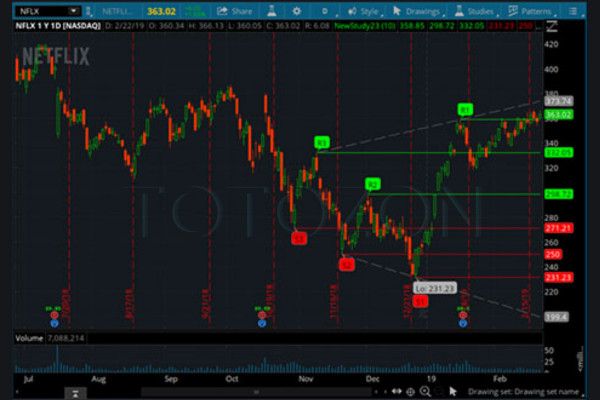 MQ Gravity Lines with Base Camp Trading
1 × $54.00
MQ Gravity Lines with Base Camp Trading
1 × $54.00 -
×
 RSD - Alex’s Natural Instinct Method Manifesto
1 × $6.00
RSD - Alex’s Natural Instinct Method Manifesto
1 × $6.00 -
×
 Precise Exits & Entries with Charles LeBeau
1 × $6.00
Precise Exits & Entries with Charles LeBeau
1 × $6.00 -
×
 Crypto Trading Academy with Cheeky Investor - Aussie Day Trader
1 × $13.00
Crypto Trading Academy with Cheeky Investor - Aussie Day Trader
1 × $13.00 -
×
 ICT Prodigy Trading Course – $650K in Payouts with Alex Solignani
1 × $15.00
ICT Prodigy Trading Course – $650K in Payouts with Alex Solignani
1 × $15.00
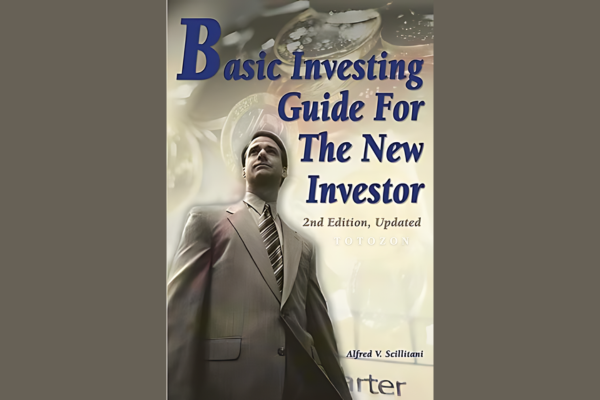
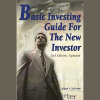
Investing Guide For New Investor with Alfred Scillitani
$6.00
File Size: Cooming soon!
Delivery Time: 1–12 hours
Media Type: Online Course
Content Proof: Watch Here!
You may check content proof of “Investing Guide For New Investor with Alfred Scillitani” below:

Investing Guide For New Investor with Alfred Scillitani
Introduction
Investing can be a daunting task, especially for those new to the world of finance. Fortunately, Alfred Scillitani offers a comprehensive guide to help new investors navigate the complexities of the market. In this guide, we’ll cover the essentials of investing, from understanding different types of investments to creating a diversified portfolio.
Understanding the Basics of Investing
What is Investing?
Investing involves committing money or capital to an endeavor with the expectation of obtaining an additional income or profit. This can include stocks, bonds, mutual funds, real estate, and more.
Why Should You Invest?
Investing is crucial for building wealth over time. It helps you to outpace inflation, achieve financial goals, and secure a comfortable retirement.
Types of Investments
1. Stocks
Stocks represent ownership in a company. When you buy stocks, you become a shareholder and can benefit from the company’s growth and profits.
2. Bonds
Bonds are loans made to corporations or governments. In return, investors receive periodic interest payments and the return of the bond’s face value at maturity.
3. Mutual Funds
Mutual funds pool money from multiple investors to purchase a diversified portfolio of stocks, bonds, or other securities.
4. Real Estate
Investing in real estate involves purchasing property to generate income through renting, leasing, or price appreciation.
Steps to Start Investing
1. Set Financial Goals
Determine what you want to achieve with your investments. This could be buying a house, funding education, or saving for retirement.
2. Create a Budget
Before investing, ensure you have a clear budget. Allocate funds for investing without compromising your day-to-day needs.
3. Understand Your Risk Tolerance
Investments come with varying levels of risk. Assess your risk tolerance to choose investments that align with your comfort level.
4. Choose an Investment Account
Select an appropriate investment account based on your goals, such as a retirement account (IRA, 401(k)) or a taxable brokerage account.
5. Research and Choose Investments
Conduct thorough research to select the right mix of investments. Consider factors such as past performance, fees, and management.
Building a Diversified Portfolio
Importance of Diversification
Diversification reduces risk by spreading investments across various asset classes. This helps to minimize the impact of poor performance in any single investment.
How to Diversify
- Mix Asset Classes: Combine stocks, bonds, and real estate.
- Invest in Different Sectors: Spread investments across various industries.
- Geographical Diversification: Invest in both domestic and international markets.
Investing Strategies
1. Dollar-Cost Averaging
Invest a fixed amount regularly, regardless of market conditions. This reduces the impact of volatility and lowers the average cost per share.
2. Buy and Hold
Purchase investments and hold them for an extended period, benefiting from long-term growth rather than short-term fluctuations.
3. Value Investing
Focus on undervalued stocks with strong fundamentals. The idea is to buy low and sell high.
Common Mistakes to Avoid
1. Lack of Research
Investing without proper research can lead to poor decisions. Always understand what you’re investing in.
2. Emotional Investing
Avoid making decisions based on emotions. Stick to your plan and make informed choices.
3. Ignoring Fees
High fees can erode your returns. Be mindful of expense ratios and trading costs.
Monitoring and Adjusting Your Portfolio
Regular Reviews
Review your portfolio periodically to ensure it aligns with your goals. Adjust investments as needed based on performance and changes in your objectives.
Rebalancing
Rebalance your portfolio by buying or selling assets to maintain your desired asset allocation. This helps to manage risk.
Conclusion
Investing can be a rewarding journey with the right knowledge and strategies. Alfred Scillitani’s guide provides a solid foundation for new investors to build wealth and achieve their financial goals. By understanding the basics, diversifying your portfolio, and avoiding common mistakes, you can confidently embark on your investing journey.
Frequently Asked Questions:
1. What is the best investment for beginners?
The best investment for beginners depends on individual goals and risk tolerance. Mutual funds and ETFs are generally good starting points due to their diversification.
2. How much money do I need to start investing?
You can start investing with as little as $100. Many investment platforms offer low minimums and fractional shares.
3. How do I choose the right investment account?
Consider your financial goals and tax situation. Retirement accounts offer tax advantages, while taxable accounts provide more flexibility.
4. What is the safest investment?
Treasury bonds and high-yield savings accounts are considered safe investments due to their low risk and government backing.
5. How often should I review my investments?
It’s recommended to review your investments at least once a year, or more frequently if there are significant changes in your financial situation or market conditions.
Be the first to review “Investing Guide For New Investor with Alfred Scillitani”
You must be logged in to post a review.
Related products

Forex Trading
The Complete Guide to Multiple Time Frame Analysis & Reading Price Action with Aiman Almansoori
Original price was: $1,399.00.$13.00Current price is: $13.00.

Forex Trading
Original price was: $239.00.$8.00Current price is: $8.00.

Forex Trading
Quantamentals – The Next Great Forefront Of Trading and Investing with Trading Markets
Original price was: $1,495.00.$8.00Current price is: $8.00.

Forex Trading
Original price was: $397.00.$31.00Current price is: $31.00.

Forex Trading
Original price was: $2,000.00.$23.00Current price is: $23.00.

Original price was: $310.00.$23.00Current price is: $23.00.

Original price was: $799.00.$15.00Current price is: $15.00.

Forex Trading
Original price was: $4,997.00.$27.00Current price is: $27.00.

Original price was: $4,995.00.$15.00Current price is: $15.00.

Original price was: $139.00.$23.00Current price is: $23.00.

Forex Trading
Original price was: $999.00.$15.00Current price is: $15.00.

Forex Trading
Original price was: $1,098.00.$39.00Current price is: $39.00.
Original price was: $997.00.$8.00Current price is: $8.00.

Original price was: $1,849.00.$15.00Current price is: $15.00.
Original price was: $497.00.$31.00Current price is: $31.00.

Forex Trading
Original price was: $550.00.$5.00Current price is: $5.00.

Forex Trading
Original price was: $249.00.$15.00Current price is: $15.00.

Forex Trading
Original price was: $125.00.$17.00Current price is: $17.00.
Original price was: $2,120.00.$15.00Current price is: $15.00.

Forex Trading
Original price was: $1,898.00.$10.00Current price is: $10.00.
Reviews
There are no reviews yet.