
-
×
 The Janus Factor with Gary Anderson
1 × $6.00
The Janus Factor with Gary Anderson
1 × $6.00 -
×
 Dan Sheridan 360 Degrees of Trading Class
1 × $6.00
Dan Sheridan 360 Degrees of Trading Class
1 × $6.00 -
×
 CFA Level 1 – PassMaster 2004 CD with Stalla
1 × $6.00
CFA Level 1 – PassMaster 2004 CD with Stalla
1 × $6.00 -
×
 Tom Busby – DAX Supplement Trading Course 2007 with DTI
1 × $6.00
Tom Busby – DAX Supplement Trading Course 2007 with DTI
1 × $6.00 -
×
 Quantamentals - The Next Great Forefront Of Trading and Investing with Trading Markets
1 × $8.00
Quantamentals - The Next Great Forefront Of Trading and Investing with Trading Markets
1 × $8.00 -
×
 JeaFx 2023 with James Allen
1 × $5.00
JeaFx 2023 with James Allen
1 × $5.00 -
×
 Wyckoff Analytics Courses Collection
1 × $27.00
Wyckoff Analytics Courses Collection
1 × $27.00 -
×
 Capital On Demand Masterclass with Attorney & Nate Dodson
1 × $311.00
Capital On Demand Masterclass with Attorney & Nate Dodson
1 × $311.00 -
×
 Advance Courses for Members
1 × $15.00
Advance Courses for Members
1 × $15.00 -
×
 New Generation Market Profile (May 2014)
1 × $15.00
New Generation Market Profile (May 2014)
1 × $15.00 -
×
 WITS Turbo Seminars with Brian James Sklenka
1 × $6.00
WITS Turbo Seminars with Brian James Sklenka
1 × $6.00 -
×
 The Japanese Money Tree with Andrew H.Shipley
1 × $6.00
The Japanese Money Tree with Andrew H.Shipley
1 × $6.00 -
×
 Range Trading with D.Singleton
1 × $6.00
Range Trading with D.Singleton
1 × $6.00 -
×
 6 Live Sentiment Analysis Trading Bots using Python with The A.I. Whisperer
1 × $5.00
6 Live Sentiment Analysis Trading Bots using Python with The A.I. Whisperer
1 × $5.00 -
×
 Trading Weekly Options for Income in 2016 with Dan Sheridan
1 × $23.00
Trading Weekly Options for Income in 2016 with Dan Sheridan
1 × $23.00 -
×
 PennyStocking with Timothy Sykes
1 × $5.00
PennyStocking with Timothy Sykes
1 × $5.00 -
×
 Deep Dive Butterfly Trading Strategy Class with SJG Trades
1 × $41.00
Deep Dive Butterfly Trading Strategy Class with SJG Trades
1 × $41.00 -
×
 Investment Madness with John Nofsinger
1 × $6.00
Investment Madness with John Nofsinger
1 × $6.00 -
×
 Power Charting - Robert’s Indicator Webinar
1 × $6.00
Power Charting - Robert’s Indicator Webinar
1 × $6.00 -
×
 Gillen Predicts with Jack Gillen
1 × $6.00
Gillen Predicts with Jack Gillen
1 × $6.00 -
×
 Precise Exits & Entries with Charles LeBeau
1 × $6.00
Precise Exits & Entries with Charles LeBeau
1 × $6.00 -
×
 Perfect Publishing System Elite with Johnny Andrews
1 × $6.00
Perfect Publishing System Elite with Johnny Andrews
1 × $6.00 -
×
 Traders Secret Success Package. Symmetry Wave Trading with Michael Gur Dillon
1 × $6.00
Traders Secret Success Package. Symmetry Wave Trading with Michael Gur Dillon
1 × $6.00 -
×
 Volume Profile Video Course with Trader Dale
1 × $8.00
Volume Profile Video Course with Trader Dale
1 × $8.00 -
×
 Ron Wagner – Creating a Profitable Trading & Investing Plan. 6 Key Components with Pristine
1 × $4.00
Ron Wagner – Creating a Profitable Trading & Investing Plan. 6 Key Components with Pristine
1 × $4.00 -
×
 The Ultimate Investor with Dean LeBaron
1 × $4.00
The Ultimate Investor with Dean LeBaron
1 × $4.00 -
×
 Technical Trading: System and Design Testing Class with Jeff Bierman
1 × $6.00
Technical Trading: System and Design Testing Class with Jeff Bierman
1 × $6.00 -
×
 Stealth Trader (Ebook) with Andy Jordan - Trading Educators
1 × $132.00
Stealth Trader (Ebook) with Andy Jordan - Trading Educators
1 × $132.00 -
×
 3 Technical Indicators to Help You Ride the Elliott Wave Trend with Chris Carolan
1 × $6.00
3 Technical Indicators to Help You Ride the Elliott Wave Trend with Chris Carolan
1 × $6.00 -
×
 Dan Sheridan Volatility Class
1 × $6.00
Dan Sheridan Volatility Class
1 × $6.00 -
×
 Options On Futures Class By Mark Fenton - Sheridan Options Mentoring
1 × $6.00
Options On Futures Class By Mark Fenton - Sheridan Options Mentoring
1 × $6.00 -
×
 Pinpoint Profit Method Class
1 × $31.00
Pinpoint Profit Method Class
1 × $31.00 -
×
 ART Online 4 Weeks Home Study Course with Bennett McDowell
1 × $78.00
ART Online 4 Weeks Home Study Course with Bennett McDowell
1 × $78.00 -
×
 On Board Fanta Sea One Seminar with Felix Homogratus
1 × $6.00
On Board Fanta Sea One Seminar with Felix Homogratus
1 × $6.00 -
×
 Reminiscences of a Stock Operator (75th Aniversary Ed.) with Edwin Lefevre
1 × $6.00
Reminiscences of a Stock Operator (75th Aniversary Ed.) with Edwin Lefevre
1 × $6.00 -
×
![Robert Miner-Complete Price Tutorial Series [5 Videos (AVI)] img](https://www.totozon.com/wp-content/uploads/2024/05/Robert-Miner-Complete-Price-Tutorial-Series-5-Videos-AVI-img.png) Robert Miner-Complete Price Tutorial Series [5 Videos (AVI)]
1 × $6.00
Robert Miner-Complete Price Tutorial Series [5 Videos (AVI)]
1 × $6.00 -
×
 CAT 2007 Seminar with Stephen W.Bigalow
1 × $6.00
CAT 2007 Seminar with Stephen W.Bigalow
1 × $6.00 -
×
 Candlestick Trading for Maximum Profitsn with B.M.Davis
1 × $6.00
Candlestick Trading for Maximum Profitsn with B.M.Davis
1 × $6.00 -
×
 High Probability Trading Using Elliott Wave And Fibonacci Analysis withVic Patel - Forex Training Group
1 × $10.00
High Probability Trading Using Elliott Wave And Fibonacci Analysis withVic Patel - Forex Training Group
1 × $10.00 -
×
 Trading Trend Pullbacks - 3-Step Technical Analysis Method with Richard Deutsch
1 × $6.00
Trading Trend Pullbacks - 3-Step Technical Analysis Method with Richard Deutsch
1 × $6.00 -
×
 Mean Reversion Strategy with The Chartist
1 × $78.00
Mean Reversion Strategy with The Chartist
1 × $78.00 -
×
 The Stock Market, Credit & Capital Formation with Fritz Machlup
1 × $6.00
The Stock Market, Credit & Capital Formation with Fritz Machlup
1 × $6.00 -
×
 Forex Candlestick System. High Profit Forex Trading with B.M.Davis
1 × $6.00
Forex Candlestick System. High Profit Forex Trading with B.M.Davis
1 × $6.00 -
×
 Amibroker CBT Intensive Course with Matt Radtke
1 × $31.00
Amibroker CBT Intensive Course with Matt Radtke
1 × $31.00 -
×
 7 Things You MUST Know about Forex Candlesticks
1 × $4.00
7 Things You MUST Know about Forex Candlesticks
1 × $4.00 -
×
 Investing for the Long Term with Peter Bernstein
1 × $6.00
Investing for the Long Term with Peter Bernstein
1 × $6.00 -
×
 Tail Hedging - Learn to Insure Stocks Against Large Declines with James Marsh
1 × $15.00
Tail Hedging - Learn to Insure Stocks Against Large Declines with James Marsh
1 × $15.00 -
×
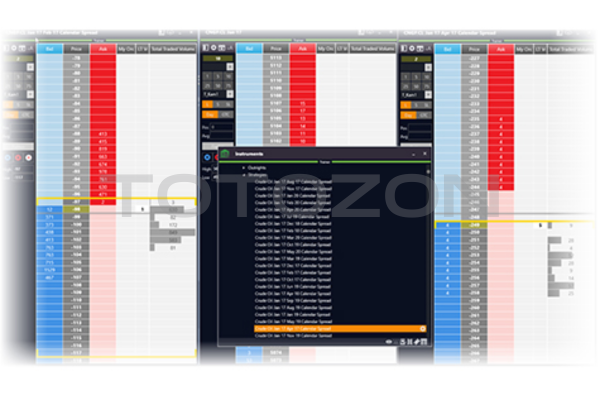 Futures Spread Trading Intro Course with Thetradingframework
1 × $6.00
Futures Spread Trading Intro Course with Thetradingframework
1 × $6.00 -
×
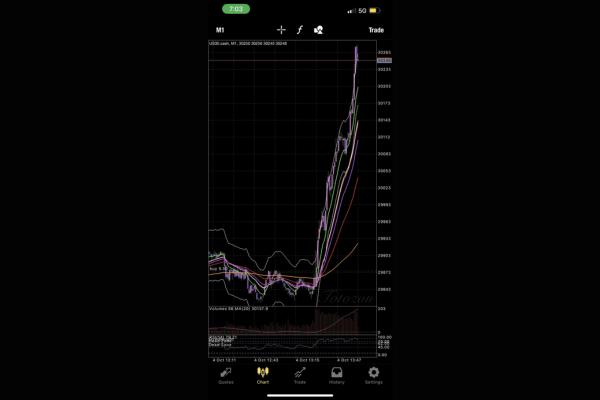 Cheatcode Trend System with Dominique Woodson
1 × $15.00
Cheatcode Trend System with Dominique Woodson
1 × $15.00 -
×
 T.A.M.E. Home Study Course with Doug Sutton
1 × $6.00
T.A.M.E. Home Study Course with Doug Sutton
1 × $6.00 -
×
 Price Action Trading Volume 1 with Fractal Flow Pro
1 × $6.00
Price Action Trading Volume 1 with Fractal Flow Pro
1 × $6.00 -
×
 The Blockchain Bootcamp 2.0 with Gregory (Dapp University)
1 × $15.00
The Blockchain Bootcamp 2.0 with Gregory (Dapp University)
1 × $15.00 -
×
 Earnings Engine Class with Sami Abusaad - T3 Live
1 × $23.00
Earnings Engine Class with Sami Abusaad - T3 Live
1 × $23.00 -
×
 Selected Articles by the Late by George Lindsay
1 × $6.00
Selected Articles by the Late by George Lindsay
1 × $6.00 -
×
 Option Insanity Strategy with PDS Trader
1 × $69.00
Option Insanity Strategy with PDS Trader
1 × $69.00 -
×
 Gann Masters II with Hallikers Inc
1 × $6.00
Gann Masters II with Hallikers Inc
1 × $6.00 -
×
 The 3 Dimensional Trading Breakthrough with Brian Schad
1 × $6.00
The 3 Dimensional Trading Breakthrough with Brian Schad
1 × $6.00 -
×
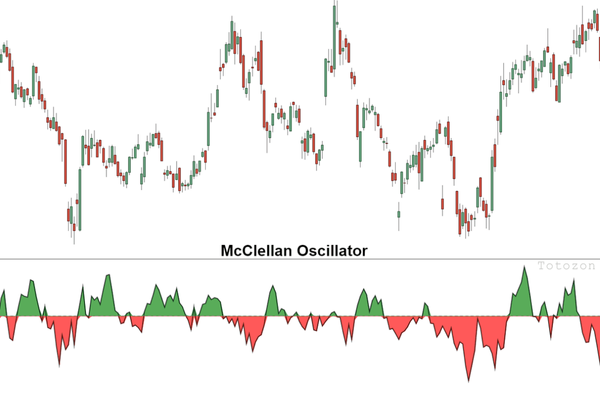 The McClellan Oscillator and Other Tools for with Tom McClellan
1 × $6.00
The McClellan Oscillator and Other Tools for with Tom McClellan
1 × $6.00 -
×
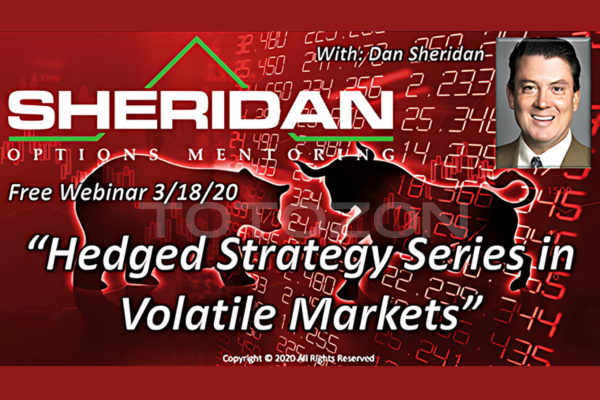 HEDGED STRATEGY SERIES IN VOLATILE MARKETS – HEDGED CREDIT SPREADS - Dan Sheridan
1 × $6.00
HEDGED STRATEGY SERIES IN VOLATILE MARKETS – HEDGED CREDIT SPREADS - Dan Sheridan
1 × $6.00 -
×
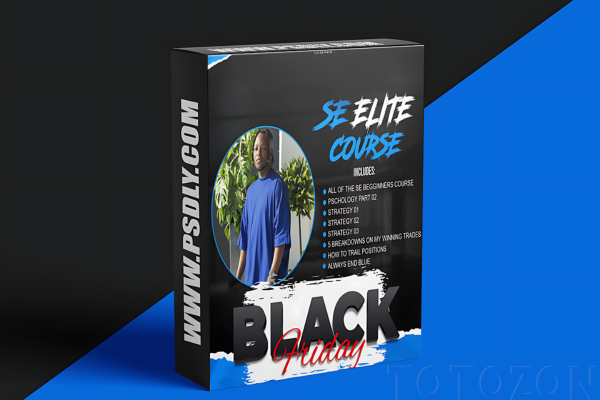 SE ELITE COURSE with SE TRADINGX
1 × $5.00
SE ELITE COURSE with SE TRADINGX
1 × $5.00 -
×
 How to Lose Money Profitably with Mark D.Cook
1 × $6.00
How to Lose Money Profitably with Mark D.Cook
1 × $6.00 -
×
 Active Investing courses notes with Alan Hull
1 × $6.00
Active Investing courses notes with Alan Hull
1 × $6.00 -
×
 The Trading Blueprint with Brad Goh - The Trading Geek
1 × $5.00
The Trading Blueprint with Brad Goh - The Trading Geek
1 × $5.00

How To Invest Better
$6.00
File Size: Cooming soon!
Delivery Time: 1–12 hours
Media Type: Online Course
How To Invest Better – Alpesh Patel
Investing wisely is crucial for building wealth and securing financial stability. Alpesh Patel, a renowned trader and author, provides valuable insights on how to invest better. This article explores his strategies and tips for improving your investment approach, ensuring you make informed and profitable decisions.
Introduction to Smart Investing
Investing is more than just putting money into stocks or bonds; it’s about making strategic decisions to grow your wealth over time.
Why Invest?
- Wealth Growth: Investing can significantly increase your wealth over time.
- Financial Security: Provides a safety net for future financial needs.
- Income Generation: Investments can create a passive income stream.
About Alpesh Patel
Alpesh Patel is a respected figure in the trading and investment community. With years of experience and several bestselling books, he offers practical advice for investors at all levels.
Alpesh Patel’s Investment Philosophy
- Continuous Learning: Stay informed about market trends and economic factors.
- Discipline: Stick to your investment strategy and avoid emotional decisions.
- Risk Management: Protect your capital by managing risks effectively.
Getting Started with Investing
Setting Financial Goals
Before you start investing, it’s crucial to define your financial goals. Are you saving for retirement, a major purchase, or simply looking to grow your wealth?
Short-Term vs. Long-Term Goals
- Short-Term Goals: Achievable within 1-3 years.
- Long-Term Goals: Spanning 5-10 years or more.
Understanding Risk Tolerance
Assessing your risk tolerance helps determine the types of investments that are suitable for you.
Factors Influencing Risk Tolerance
- Age: Younger investors can typically afford to take more risks.
- Financial Situation: Your current financial stability and future earning potential.
- Investment Knowledge: Understanding of investment markets and products.
Building a Diversified Portfolio
Importance of Diversification
Diversification reduces risk by spreading investments across various asset classes.
Types of Asset Classes
- Stocks: Equity ownership in companies.
- Bonds: Fixed-income securities.
- Real Estate: Physical property investments.
- Commodities: Physical goods like gold, oil, and agricultural products.
- Cryptocurrencies: Digital currencies like Bitcoin and Ethereum.
Allocating Assets
Proper asset allocation aligns with your risk tolerance and financial goals.
Sample Allocation Strategy
- Aggressive Portfolio: Higher percentage in stocks and real estate.
- Conservative Portfolio: Higher percentage in bonds and fixed-income securities.
Researching Investments
Fundamental Analysis
Evaluating a company’s financial health and market position.
Key Metrics
- Earnings Per Share (EPS): Indicates profitability.
- Price-to-Earnings (P/E) Ratio: Valuation measure.
- Dividend Yield: Income generated from dividends.
Technical Analysis
Using historical price and volume data to forecast future price movements.
Common Tools
- Moving Averages: Identifying trends.
- Relative Strength Index (RSI): Measuring momentum.
- Bollinger Bands: Assessing volatility.
Implementing Investment Strategies
Long-Term Investing
Focuses on holding investments for several years to benefit from compound growth.
Benefits of Long-Term Investing
- Compound Interest: Earning returns on both your initial investment and the accumulated returns.
- Reduced Transaction Costs: Fewer trades mean lower fees.
Short-Term Trading
Involves buying and selling investments within a shorter timeframe.
Types of Short-Term Trading
- Day Trading: Buying and selling within the same day.
- Swing Trading: Holding positions for a few days to weeks.
Risk Management Techniques
Setting Stop-Loss Orders
Automatically sell an investment at a predetermined price to limit losses.
Using Hedging Strategies
Protecting your portfolio from adverse market movements.
Common Hedging Techniques
- Options Contracts: Using options to hedge against potential losses.
- Inverse ETFs: Investments that move opposite to the market.
Monitoring and Adjusting Your Portfolio
Regular Reviews
Periodic reviews help ensure your portfolio stays aligned with your goals.
What to Review
- Performance: Compare against benchmarks.
- Asset Allocation: Rebalance as needed.
- Market Conditions: Adjust based on economic and market trends.
Making Adjustments
Based on your reviews, make necessary adjustments to optimize your portfolio.
Learning from Alpesh Patel
Books and Courses
Alpesh Patel offers a range of books and online courses to help investors enhance their knowledge and skills.
Recommended Reading
- “Trading Online” by Alpesh Patel: A guide to online trading.
- “The Mind of a Trader” by Alpesh Patel: Insights into the psychology of trading.
Webinars and Seminars
Participate in webinars and seminars conducted by Alpesh Patel to gain deeper insights and practical knowledge.
Success Stories
Case Study: Emma’s Investment Journey
- Initial Challenges: Struggled with portfolio diversification.
- Guidance from Alpesh Patel: Improved asset allocation and strategy.
- Outcome: Achieved a balanced, growth-oriented portfolio.
Case Study: John’s Strategy Improvement
- Background: Had a basic understanding but needed advanced strategies.
- Learning from Courses: Applied new techniques learned from Alpesh Patel’s courses.
- Results: Significantly improved investment performance.
Common Mistakes to Avoid
Overtrading
Trading too frequently can lead to increased transaction costs and potential losses.
Ignoring Risk Management
Failing to manage risk can result in significant financial setbacks.
Emotional Investing
Making investment decisions based on emotions rather than logic and strategy.
Conclusion
Investing better with Alpesh Patel’s insights involves continuous learning, disciplined strategy, and effective risk management. By setting clear goals, diversifying your portfolio, and staying informed, you can make smarter investment decisions and achieve your financial objectives.
Frequently Asked Questions
1. What is the first step to better investing?
Start by setting clear financial goals and assessing your risk tolerance.
2. How can I diversify my portfolio?
Spread your investments across various asset classes such as stocks, bonds, real estate, and commodities.
3. What are the benefits of long-term investing?
Long-term investing allows for compound growth and reduces transaction costs.
4. How do I manage investment risks?
Use techniques like stop-loss orders, hedging, and regular portfolio reviews to manage risks.
5. Where can I learn more about investing?
Books and courses by Alpesh Patel offer comprehensive guidance on improving your investment strategies.
Be the first to review “How To Invest Better”
You must be logged in to post a review.
Related products

Original price was: $997.00.$8.00Current price is: $8.00.

Forex Trading
Original price was: $499.00.$15.00Current price is: $15.00.
Forex Trading
Original price was: $697.00.$5.00Current price is: $5.00.

Forex Trading
Original price was: $4,997.00.$27.00Current price is: $27.00.
Forex Trading
Quantamentals – The Next Great Forefront Of Trading and Investing with Trading Markets
Original price was: $1,495.00.$8.00Current price is: $8.00.

Original price was: $1,200.00.$23.00Current price is: $23.00.

Original price was: $2,120.00.$15.00Current price is: $15.00.

Forex Trading
Original price was: $397.00.$31.00Current price is: $31.00.

Original price was: $1,800.00.$54.00Current price is: $54.00.

Original price was: $1,849.00.$15.00Current price is: $15.00.
Original price was: $695.00.$41.00Current price is: $41.00.

Original price was: $310.00.$23.00Current price is: $23.00.

Original price was: $700.00.$39.00Current price is: $39.00.

Original price was: $497.00.$11.00Current price is: $11.00.

Original price was: $450.00.$23.00Current price is: $23.00.

Original price was: $497.00.$31.00Current price is: $31.00.

Forex Trading
Original price was: $2,997.00.$23.00Current price is: $23.00.

Forex Trading
Original price was: $550.00.$5.00Current price is: $5.00.

Forex Trading
The Complete Guide to Multiple Time Frame Analysis & Reading Price Action with Aiman Almansoori
Original price was: $1,399.00.$13.00Current price is: $13.00.

Original price was: $895.00.$15.00Current price is: $15.00.

Reviews
There are no reviews yet.