
-
×
 Options Trading & Ultimate MasterClass With Tyrone Abela - FX Evolution
1 × $54.00
Options Trading & Ultimate MasterClass With Tyrone Abela - FX Evolution
1 × $54.00 -
×
 Optionetics 2007 - Home Study Course, MP3
1 × $6.00
Optionetics 2007 - Home Study Course, MP3
1 × $6.00 -
×
 Inefficient Markets with Andrei Shleifer
1 × $6.00
Inefficient Markets with Andrei Shleifer
1 × $6.00 -
×
 Trade the OEX with Arthur Darack
1 × $6.00
Trade the OEX with Arthur Darack
1 × $6.00 -
×
 How to Trade the New Single Stock Futures with Jack Bernstein
1 × $6.00
How to Trade the New Single Stock Futures with Jack Bernstein
1 × $6.00 -
×
 Forex Avenger Trading System with David Curran
1 × $6.00
Forex Avenger Trading System with David Curran
1 × $6.00 -
×
 WEBINAR series 5 – EXECUTION: A DETAILED PROCESS with FuturesTrader71
1 × $4.00
WEBINAR series 5 – EXECUTION: A DETAILED PROCESS with FuturesTrader71
1 × $4.00 -
×
 Advanced Options Trading Strategies Explained
1 × $23.00
Advanced Options Trading Strategies Explained
1 × $23.00 -
×
 Monthly Cash Flow Trading Options (Intermediate Option Trading Course) with Randy Perez
1 × $85.00
Monthly Cash Flow Trading Options (Intermediate Option Trading Course) with Randy Perez
1 × $85.00 -
×
 Complete Best Practices - Weekly Options Income Trading System with Weekly Options Academy
1 × $23.00
Complete Best Practices - Weekly Options Income Trading System with Weekly Options Academy
1 × $23.00 -
×
 Double Top Trader Trading System with Anthony Gibson
1 × $6.00
Double Top Trader Trading System with Anthony Gibson
1 × $6.00 -
×
 Price Action Trader Training
1 × $6.00
Price Action Trader Training
1 × $6.00 -
×
 SOAP. Served On A Platter CD with David Elliott
1 × $6.00
SOAP. Served On A Platter CD with David Elliott
1 × $6.00 -
×
 The Dark Side Of Valuation with Aswath Damodaran
1 × $6.00
The Dark Side Of Valuation with Aswath Damodaran
1 × $6.00 -
×
 Forex Ulitmatum with Matt Jordan & Patrick Cuthbert
1 × $6.00
Forex Ulitmatum with Matt Jordan & Patrick Cuthbert
1 × $6.00 -
×
 Measuring Market Risk (2nd Edition) with Kevin Dowd
1 × $6.00
Measuring Market Risk (2nd Edition) with Kevin Dowd
1 × $6.00 -
×
 The Value Connection with Marc Gerstein
1 × $5.00
The Value Connection with Marc Gerstein
1 × $5.00 -
×
 Sure Fire Forex Trading with Mark McRae
1 × $6.00
Sure Fire Forex Trading with Mark McRae
1 × $6.00 -
×
 The Alvarez Factor
1 × $23.00
The Alvarez Factor
1 × $23.00 -
×
 Price Action Trading with Bill Eykyn
1 × $6.00
Price Action Trading with Bill Eykyn
1 × $6.00 -
×
 How To Scale Up Your Trading - Online Trading Seminar Replay with Austin Silver - ASFX
1 × $31.00
How To Scale Up Your Trading - Online Trading Seminar Replay with Austin Silver - ASFX
1 × $31.00 -
×
 Advance Courses for Members
1 × $15.00
Advance Courses for Members
1 × $15.00 -
×
 3 Short Selling Strategies - Trading Strategy Bundles – Quantified Strategies
1 × $39.00
3 Short Selling Strategies - Trading Strategy Bundles – Quantified Strategies
1 × $39.00 -
×
 Marder Videos Reports 2019 with Kevin Marder
1 × $34.00
Marder Videos Reports 2019 with Kevin Marder
1 × $34.00 -
×
 Matrix Spread Options Trading Course with Base Camp Trading
1 × $31.00
Matrix Spread Options Trading Course with Base Camp Trading
1 × $31.00 -
×
 Options for Long Term Trading & Hedging with Option Pit
1 × $39.00
Options for Long Term Trading & Hedging with Option Pit
1 × $39.00 -
×
 W. D Gann 's Square Of 9 Applied To Modern Markets with Sean Avidar - Hexatrade350
1 × $23.00
W. D Gann 's Square Of 9 Applied To Modern Markets with Sean Avidar - Hexatrade350
1 × $23.00 -
×
 ASFX Beginner Training Course & VIP Chat with ASFX Day Trading
1 × $31.00
ASFX Beginner Training Course & VIP Chat with ASFX Day Trading
1 × $31.00 -
×
 Theotrade - Essential Skills for Consistency in Trading Class
1 × $15.00
Theotrade - Essential Skills for Consistency in Trading Class
1 × $15.00 -
×
 Sample and Mock Exams 2008 with CFA Institute
1 × $6.00
Sample and Mock Exams 2008 with CFA Institute
1 × $6.00 -
×
 Math Trading Course 2023
1 × $34.00
Math Trading Course 2023
1 × $34.00 -
×
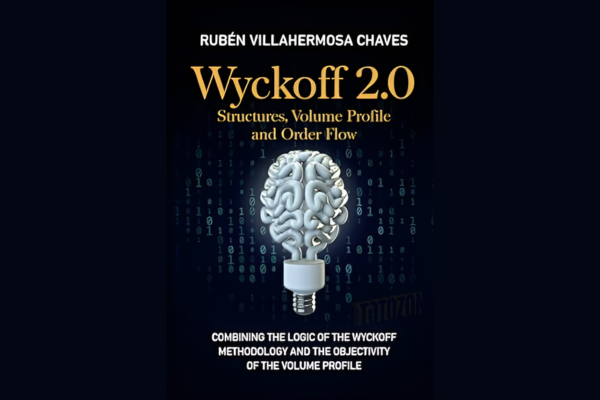 Wyckoff 2.0: Structures, Volume Profile and Order Flow (Trading and Investing Course: Advanced Technical Analysis) by Rubén Villahermosa
1 × $5.00
Wyckoff 2.0: Structures, Volume Profile and Order Flow (Trading and Investing Course: Advanced Technical Analysis) by Rubén Villahermosa
1 × $5.00 -
×
 The STRAT Execution Basics with Jermaine McGruder
1 × $31.00
The STRAT Execution Basics with Jermaine McGruder
1 × $31.00 -
×
 Programming in Python For Traders
1 × $78.00
Programming in Python For Traders
1 × $78.00 -
×
 Day Trading 101 How To Day Trade Stocks for Passive Income
1 × $6.00
Day Trading 101 How To Day Trade Stocks for Passive Income
1 × $6.00 -
×
 Quantitative Finance & Algorithmic Trading II - Time Series with Holczer Balazs
1 × $4.00
Quantitative Finance & Algorithmic Trading II - Time Series with Holczer Balazs
1 × $4.00 -
×
 Practical Approach to Amibroker Scanners and Exploration with Rajandran R
1 × $4.00
Practical Approach to Amibroker Scanners and Exploration with Rajandran R
1 × $4.00 -
×
 Handbook of Computer Vision Algorithms in Image Algebra with Gerhard Ritter & Joseph Wilson
1 × $6.00
Handbook of Computer Vision Algorithms in Image Algebra with Gerhard Ritter & Joseph Wilson
1 × $6.00 -
×
 Trade Setups And Strategies Program with The Daytrading Room
1 × $23.00
Trade Setups And Strategies Program with The Daytrading Room
1 × $23.00 -
×
 My General Counsel™
1 × $23.00
My General Counsel™
1 × $23.00 -
×
 Profit Wave Trade Strategy with Base Camp Trading
1 × $4.00
Profit Wave Trade Strategy with Base Camp Trading
1 × $4.00 -
×
 Foreign Exchange Option Pricing: A Practitioner's Guide with Iain Clark
1 × $6.00
Foreign Exchange Option Pricing: A Practitioner's Guide with Iain Clark
1 × $6.00 -
×
 Market Profile E-Course with Charles Gough - Pirate Traders
1 × $17.00
Market Profile E-Course with Charles Gough - Pirate Traders
1 × $17.00 -
×
 Tandem Trader - The Ultimate Day Trading Course with Nathan Michaud - Investors Underground
1 × $54.00
Tandem Trader - The Ultimate Day Trading Course with Nathan Michaud - Investors Underground
1 × $54.00 -
×
 Intro To Short Selling with Madaz Money
1 × $31.00
Intro To Short Selling with Madaz Money
1 × $31.00 -
×
 BSAPPS FX Course with Ben Barker
1 × $6.00
BSAPPS FX Course with Ben Barker
1 × $6.00 -
×
 Practical Approach to Amibroker Backtesting with Rajandran R
1 × $6.00
Practical Approach to Amibroker Backtesting with Rajandran R
1 × $6.00 -
×
 BETT Strategy with TopTradeTools
1 × $35.00
BETT Strategy with TopTradeTools
1 × $35.00 -
×
 The Handbook of Equity Style Management (3rd Ed) with Daniel Coggin & Frank Fabozzi
1 × $6.00
The Handbook of Equity Style Management (3rd Ed) with Daniel Coggin & Frank Fabozzi
1 × $6.00 -
×
 WondaFX Signature Strategy with WondaFX
1 × $5.00
WondaFX Signature Strategy with WondaFX
1 × $5.00 -
×
 Mesa & Trading Market Cycles (1st Edition) with John Ehlers & Perry Kaufman
1 × $6.00
Mesa & Trading Market Cycles (1st Edition) with John Ehlers & Perry Kaufman
1 × $6.00 -
×
 The Orderflows Trade Opportunities Encyclopedia with Michael Valtos
1 × $8.00
The Orderflows Trade Opportunities Encyclopedia with Michael Valtos
1 × $8.00

How To Invest Better
$6.00
File Size: Cooming soon!
Delivery Time: 1–12 hours
Media Type: Online Course
How To Invest Better – Alpesh Patel
Investing wisely is crucial for building wealth and securing financial stability. Alpesh Patel, a renowned trader and author, provides valuable insights on how to invest better. This article explores his strategies and tips for improving your investment approach, ensuring you make informed and profitable decisions.
Introduction to Smart Investing
Investing is more than just putting money into stocks or bonds; it’s about making strategic decisions to grow your wealth over time.
Why Invest?
- Wealth Growth: Investing can significantly increase your wealth over time.
- Financial Security: Provides a safety net for future financial needs.
- Income Generation: Investments can create a passive income stream.
About Alpesh Patel
Alpesh Patel is a respected figure in the trading and investment community. With years of experience and several bestselling books, he offers practical advice for investors at all levels.
Alpesh Patel’s Investment Philosophy
- Continuous Learning: Stay informed about market trends and economic factors.
- Discipline: Stick to your investment strategy and avoid emotional decisions.
- Risk Management: Protect your capital by managing risks effectively.
Getting Started with Investing
Setting Financial Goals
Before you start investing, it’s crucial to define your financial goals. Are you saving for retirement, a major purchase, or simply looking to grow your wealth?
Short-Term vs. Long-Term Goals
- Short-Term Goals: Achievable within 1-3 years.
- Long-Term Goals: Spanning 5-10 years or more.
Understanding Risk Tolerance
Assessing your risk tolerance helps determine the types of investments that are suitable for you.
Factors Influencing Risk Tolerance
- Age: Younger investors can typically afford to take more risks.
- Financial Situation: Your current financial stability and future earning potential.
- Investment Knowledge: Understanding of investment markets and products.
Building a Diversified Portfolio
Importance of Diversification
Diversification reduces risk by spreading investments across various asset classes.
Types of Asset Classes
- Stocks: Equity ownership in companies.
- Bonds: Fixed-income securities.
- Real Estate: Physical property investments.
- Commodities: Physical goods like gold, oil, and agricultural products.
- Cryptocurrencies: Digital currencies like Bitcoin and Ethereum.
Allocating Assets
Proper asset allocation aligns with your risk tolerance and financial goals.
Sample Allocation Strategy
- Aggressive Portfolio: Higher percentage in stocks and real estate.
- Conservative Portfolio: Higher percentage in bonds and fixed-income securities.
Researching Investments
Fundamental Analysis
Evaluating a company’s financial health and market position.
Key Metrics
- Earnings Per Share (EPS): Indicates profitability.
- Price-to-Earnings (P/E) Ratio: Valuation measure.
- Dividend Yield: Income generated from dividends.
Technical Analysis
Using historical price and volume data to forecast future price movements.
Common Tools
- Moving Averages: Identifying trends.
- Relative Strength Index (RSI): Measuring momentum.
- Bollinger Bands: Assessing volatility.
Implementing Investment Strategies
Long-Term Investing
Focuses on holding investments for several years to benefit from compound growth.
Benefits of Long-Term Investing
- Compound Interest: Earning returns on both your initial investment and the accumulated returns.
- Reduced Transaction Costs: Fewer trades mean lower fees.
Short-Term Trading
Involves buying and selling investments within a shorter timeframe.
Types of Short-Term Trading
- Day Trading: Buying and selling within the same day.
- Swing Trading: Holding positions for a few days to weeks.
Risk Management Techniques
Setting Stop-Loss Orders
Automatically sell an investment at a predetermined price to limit losses.
Using Hedging Strategies
Protecting your portfolio from adverse market movements.
Common Hedging Techniques
- Options Contracts: Using options to hedge against potential losses.
- Inverse ETFs: Investments that move opposite to the market.
Monitoring and Adjusting Your Portfolio
Regular Reviews
Periodic reviews help ensure your portfolio stays aligned with your goals.
What to Review
- Performance: Compare against benchmarks.
- Asset Allocation: Rebalance as needed.
- Market Conditions: Adjust based on economic and market trends.
Making Adjustments
Based on your reviews, make necessary adjustments to optimize your portfolio.
Learning from Alpesh Patel
Books and Courses
Alpesh Patel offers a range of books and online courses to help investors enhance their knowledge and skills.
Recommended Reading
- “Trading Online” by Alpesh Patel: A guide to online trading.
- “The Mind of a Trader” by Alpesh Patel: Insights into the psychology of trading.
Webinars and Seminars
Participate in webinars and seminars conducted by Alpesh Patel to gain deeper insights and practical knowledge.
Success Stories
Case Study: Emma’s Investment Journey
- Initial Challenges: Struggled with portfolio diversification.
- Guidance from Alpesh Patel: Improved asset allocation and strategy.
- Outcome: Achieved a balanced, growth-oriented portfolio.
Case Study: John’s Strategy Improvement
- Background: Had a basic understanding but needed advanced strategies.
- Learning from Courses: Applied new techniques learned from Alpesh Patel’s courses.
- Results: Significantly improved investment performance.
Common Mistakes to Avoid
Overtrading
Trading too frequently can lead to increased transaction costs and potential losses.
Ignoring Risk Management
Failing to manage risk can result in significant financial setbacks.
Emotional Investing
Making investment decisions based on emotions rather than logic and strategy.
Conclusion
Investing better with Alpesh Patel’s insights involves continuous learning, disciplined strategy, and effective risk management. By setting clear goals, diversifying your portfolio, and staying informed, you can make smarter investment decisions and achieve your financial objectives.
Frequently Asked Questions
1. What is the first step to better investing?
Start by setting clear financial goals and assessing your risk tolerance.
2. How can I diversify my portfolio?
Spread your investments across various asset classes such as stocks, bonds, real estate, and commodities.
3. What are the benefits of long-term investing?
Long-term investing allows for compound growth and reduces transaction costs.
4. How do I manage investment risks?
Use techniques like stop-loss orders, hedging, and regular portfolio reviews to manage risks.
5. Where can I learn more about investing?
Books and courses by Alpesh Patel offer comprehensive guidance on improving your investment strategies.
Be the first to review “How To Invest Better”
You must be logged in to post a review.
Related products

Original price was: $649.00.$20.00Current price is: $20.00.

Original price was: $450.00.$23.00Current price is: $23.00.

Forex Trading
Original price was: $499.00.$15.00Current price is: $15.00.

Original price was: $310.00.$23.00Current price is: $23.00.

Original price was: $695.00.$41.00Current price is: $41.00.

Forex Trading
Original price was: $500.00.$5.00Current price is: $5.00.

Forex Trading
Original price was: $1,898.00.$10.00Current price is: $10.00.

Forex Trading
Original price was: $2,995.00.$31.00Current price is: $31.00.

Original price was: $1,849.00.$15.00Current price is: $15.00.

Original price was: $2,120.00.$15.00Current price is: $15.00.
Original price was: $497.00.$31.00Current price is: $31.00.

Forex Trading
Original price was: $249.00.$15.00Current price is: $15.00.
Forex Trading
Original price was: $550.00.$5.00Current price is: $5.00.

Original price was: $700.00.$39.00Current price is: $39.00.

Forex Trading
Original price was: $799.00.$15.00Current price is: $15.00.

Original price was: $997.00.$13.00Current price is: $13.00.

Original price was: $997.00.$8.00Current price is: $8.00.

Forex Trading
The Complete Guide to Multiple Time Frame Analysis & Reading Price Action with Aiman Almansoori
Original price was: $1,399.00.$13.00Current price is: $13.00.

Forex Trading
Original price was: $2,997.00.$23.00Current price is: $23.00.

Forex Trading
Original price was: $797.00.$10.00Current price is: $10.00.

Reviews
There are no reviews yet.