
-
×
 How I Trade for a Living with Gary Smith
1 × $6.00
How I Trade for a Living with Gary Smith
1 × $6.00 -
×
 5 Day Bootcamp with AWFX AnthonysWorld
1 × $34.00
5 Day Bootcamp with AWFX AnthonysWorld
1 × $34.00 -
×
 The Best Option Trading Course with David Jaffee - Best Stock Strategy
1 × $15.00
The Best Option Trading Course with David Jaffee - Best Stock Strategy
1 × $15.00 -
×
 T3 Live - The Simple Art of Trading
1 × $31.00
T3 Live - The Simple Art of Trading
1 × $31.00 -
×
 Essentials in Quantitative Trading QT01 By HangukQuant's
1 × $23.00
Essentials in Quantitative Trading QT01 By HangukQuant's
1 × $23.00 -
×
 Academy of Financial Trading Foundation Trading Programme Webinar
1 × $6.00
Academy of Financial Trading Foundation Trading Programme Webinar
1 × $6.00 -
×
 Investment Philosophies
1 × $6.00
Investment Philosophies
1 × $6.00 -
×
 Ultimate Trading Course with Dodgy's Dungeon
1 × $8.00
Ultimate Trading Course with Dodgy's Dungeon
1 × $8.00 -
×
 TradeCraft: Your Path to Peak Performance Trading By Adam Grimes
1 × $15.00
TradeCraft: Your Path to Peak Performance Trading By Adam Grimes
1 × $15.00 -
×
 Gannline. Total School Package
1 × $6.00
Gannline. Total School Package
1 × $6.00 -
×
 The Profit Magic of Stock Transaction Timing with J.M.Hurst
1 × $6.00
The Profit Magic of Stock Transaction Timing with J.M.Hurst
1 × $6.00 -
×
 Butterfly and Condor Workshop with Aeromir
1 × $15.00
Butterfly and Condor Workshop with Aeromir
1 × $15.00 -
×
 From Wall Street to the Great Wall with Jonathan Worrall
1 × $6.00
From Wall Street to the Great Wall with Jonathan Worrall
1 × $6.00 -
×
 Alpha Quant Program with Lucas Inglese - Quantreo
1 × $15.00
Alpha Quant Program with Lucas Inglese - Quantreo
1 × $15.00 -
×
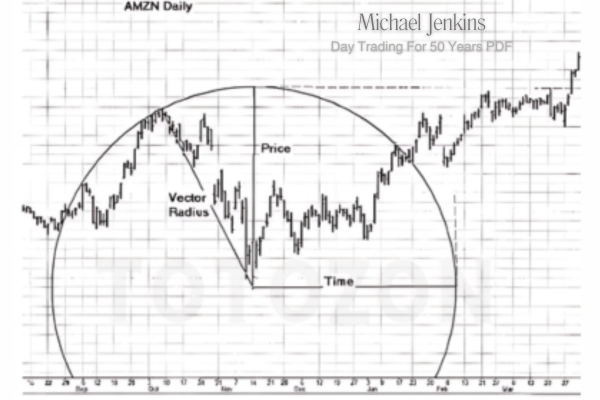 Day Trading For 50 Years PDF with Michael Jenkins
1 × $6.00
Day Trading For 50 Years PDF with Michael Jenkins
1 × $6.00 -
×
 Study Guide for Technical Analysis Explained (1st Edition) with Martin Pring
1 × $6.00
Study Guide for Technical Analysis Explained (1st Edition) with Martin Pring
1 × $6.00 -
×
 Profitable Strategies with Gemify Academy
1 × $10.00
Profitable Strategies with Gemify Academy
1 × $10.00 -
×
 The Orderflow Masterclass with PrimeTrading
1 × $17.00
The Orderflow Masterclass with PrimeTrading
1 × $17.00 -
×
 Technical Analysis 201: From Chart Setups to Trading Execution Methodology Class with Jeff Bierman
1 × $6.00
Technical Analysis 201: From Chart Setups to Trading Execution Methodology Class with Jeff Bierman
1 × $6.00 -
×
 Power FX Xtreme BuySell EA
1 × $23.00
Power FX Xtreme BuySell EA
1 × $23.00 -
×
 Compass Trading System with Right Line Trading
1 × $39.00
Compass Trading System with Right Line Trading
1 × $39.00 -
×
 Trading Short TermSame Day Trades Sep 2023 with Dan Sheridan & Mark Fenton - Sheridan Options Mentoring
1 × $31.00
Trading Short TermSame Day Trades Sep 2023 with Dan Sheridan & Mark Fenton - Sheridan Options Mentoring
1 × $31.00 -
×
 High Probability Trading Using Elliott Wave And Fibonacci Analysis withVic Patel - Forex Training Group
1 × $10.00
High Probability Trading Using Elliott Wave And Fibonacci Analysis withVic Patel - Forex Training Group
1 × $10.00
How To Invest Better
$6.00
File Size: Cooming soon!
Delivery Time: 1–12 hours
Media Type: Online Course
How To Invest Better – Alpesh Patel
Investing wisely is crucial for building wealth and securing financial stability. Alpesh Patel, a renowned trader and author, provides valuable insights on how to invest better. This article explores his strategies and tips for improving your investment approach, ensuring you make informed and profitable decisions.
Introduction to Smart Investing
Investing is more than just putting money into stocks or bonds; it’s about making strategic decisions to grow your wealth over time.
Why Invest?
- Wealth Growth: Investing can significantly increase your wealth over time.
- Financial Security: Provides a safety net for future financial needs.
- Income Generation: Investments can create a passive income stream.
About Alpesh Patel
Alpesh Patel is a respected figure in the trading and investment community. With years of experience and several bestselling books, he offers practical advice for investors at all levels.
Alpesh Patel’s Investment Philosophy
- Continuous Learning: Stay informed about market trends and economic factors.
- Discipline: Stick to your investment strategy and avoid emotional decisions.
- Risk Management: Protect your capital by managing risks effectively.
Getting Started with Investing
Setting Financial Goals
Before you start investing, it’s crucial to define your financial goals. Are you saving for retirement, a major purchase, or simply looking to grow your wealth?
Short-Term vs. Long-Term Goals
- Short-Term Goals: Achievable within 1-3 years.
- Long-Term Goals: Spanning 5-10 years or more.
Understanding Risk Tolerance
Assessing your risk tolerance helps determine the types of investments that are suitable for you.
Factors Influencing Risk Tolerance
- Age: Younger investors can typically afford to take more risks.
- Financial Situation: Your current financial stability and future earning potential.
- Investment Knowledge: Understanding of investment markets and products.
Building a Diversified Portfolio
Importance of Diversification
Diversification reduces risk by spreading investments across various asset classes.
Types of Asset Classes
- Stocks: Equity ownership in companies.
- Bonds: Fixed-income securities.
- Real Estate: Physical property investments.
- Commodities: Physical goods like gold, oil, and agricultural products.
- Cryptocurrencies: Digital currencies like Bitcoin and Ethereum.
Allocating Assets
Proper asset allocation aligns with your risk tolerance and financial goals.
Sample Allocation Strategy
- Aggressive Portfolio: Higher percentage in stocks and real estate.
- Conservative Portfolio: Higher percentage in bonds and fixed-income securities.
Researching Investments
Fundamental Analysis
Evaluating a company’s financial health and market position.
Key Metrics
- Earnings Per Share (EPS): Indicates profitability.
- Price-to-Earnings (P/E) Ratio: Valuation measure.
- Dividend Yield: Income generated from dividends.
Technical Analysis
Using historical price and volume data to forecast future price movements.
Common Tools
- Moving Averages: Identifying trends.
- Relative Strength Index (RSI): Measuring momentum.
- Bollinger Bands: Assessing volatility.
Implementing Investment Strategies
Long-Term Investing
Focuses on holding investments for several years to benefit from compound growth.
Benefits of Long-Term Investing
- Compound Interest: Earning returns on both your initial investment and the accumulated returns.
- Reduced Transaction Costs: Fewer trades mean lower fees.
Short-Term Trading
Involves buying and selling investments within a shorter timeframe.
Types of Short-Term Trading
- Day Trading: Buying and selling within the same day.
- Swing Trading: Holding positions for a few days to weeks.
Risk Management Techniques
Setting Stop-Loss Orders
Automatically sell an investment at a predetermined price to limit losses.
Using Hedging Strategies
Protecting your portfolio from adverse market movements.
Common Hedging Techniques
- Options Contracts: Using options to hedge against potential losses.
- Inverse ETFs: Investments that move opposite to the market.
Monitoring and Adjusting Your Portfolio
Regular Reviews
Periodic reviews help ensure your portfolio stays aligned with your goals.
What to Review
- Performance: Compare against benchmarks.
- Asset Allocation: Rebalance as needed.
- Market Conditions: Adjust based on economic and market trends.
Making Adjustments
Based on your reviews, make necessary adjustments to optimize your portfolio.
Learning from Alpesh Patel
Books and Courses
Alpesh Patel offers a range of books and online courses to help investors enhance their knowledge and skills.
Recommended Reading
- “Trading Online” by Alpesh Patel: A guide to online trading.
- “The Mind of a Trader” by Alpesh Patel: Insights into the psychology of trading.
Webinars and Seminars
Participate in webinars and seminars conducted by Alpesh Patel to gain deeper insights and practical knowledge.
Success Stories
Case Study: Emma’s Investment Journey
- Initial Challenges: Struggled with portfolio diversification.
- Guidance from Alpesh Patel: Improved asset allocation and strategy.
- Outcome: Achieved a balanced, growth-oriented portfolio.
Case Study: John’s Strategy Improvement
- Background: Had a basic understanding but needed advanced strategies.
- Learning from Courses: Applied new techniques learned from Alpesh Patel’s courses.
- Results: Significantly improved investment performance.
Common Mistakes to Avoid
Overtrading
Trading too frequently can lead to increased transaction costs and potential losses.
Ignoring Risk Management
Failing to manage risk can result in significant financial setbacks.
Emotional Investing
Making investment decisions based on emotions rather than logic and strategy.
Conclusion
Investing better with Alpesh Patel’s insights involves continuous learning, disciplined strategy, and effective risk management. By setting clear goals, diversifying your portfolio, and staying informed, you can make smarter investment decisions and achieve your financial objectives.
Frequently Asked Questions
1. What is the first step to better investing?
Start by setting clear financial goals and assessing your risk tolerance.
2. How can I diversify my portfolio?
Spread your investments across various asset classes such as stocks, bonds, real estate, and commodities.
3. What are the benefits of long-term investing?
Long-term investing allows for compound growth and reduces transaction costs.
4. How do I manage investment risks?
Use techniques like stop-loss orders, hedging, and regular portfolio reviews to manage risks.
5. Where can I learn more about investing?
Books and courses by Alpesh Patel offer comprehensive guidance on improving your investment strategies.
Be the first to review “How To Invest Better”
You must be logged in to post a review.
Related products
Forex Trading
Original price was: $797.00.$10.00Current price is: $10.00.

Forex Trading
Original price was: $4,997.00.$27.00Current price is: $27.00.

Forex Trading
Original price was: $999.00.$15.00Current price is: $15.00.

Original price was: $1,800.00.$54.00Current price is: $54.00.

Original price was: $1,200.00.$23.00Current price is: $23.00.

Forex Trading
Original price was: $1,898.00.$10.00Current price is: $10.00.

Original price was: $310.00.$23.00Current price is: $23.00.

Original price was: $497.00.$31.00Current price is: $31.00.

Forex Trading
Original price was: $2,995.00.$31.00Current price is: $31.00.

Original price was: $799.00.$15.00Current price is: $15.00.

Original price was: $649.00.$20.00Current price is: $20.00.

Original price was: $450.00.$23.00Current price is: $23.00.

Original price was: $895.00.$15.00Current price is: $15.00.

Forex Trading
Original price was: $697.00.$5.00Current price is: $5.00.

Forex Trading
Original price was: $499.00.$15.00Current price is: $15.00.

Original price was: $497.00.$11.00Current price is: $11.00.
Forex Trading
Original price was: $850.00.$23.00Current price is: $23.00.
Original price was: $1,849.00.$15.00Current price is: $15.00.

Forex Trading
Quantamentals – The Next Great Forefront Of Trading and Investing with Trading Markets
Original price was: $1,495.00.$8.00Current price is: $8.00.

Forex Trading
Original price was: $550.00.$5.00Current price is: $5.00.

Reviews
There are no reviews yet.