
-
×
 0 DTE Options Trading Workshop with Aeromir Corporation
1 × $15.00
0 DTE Options Trading Workshop with Aeromir Corporation
1 × $15.00 -
×
 Advance Gap Trading with Master Trader
1 × $39.00
Advance Gap Trading with Master Trader
1 × $39.00 -
×
 Trading double Diagonals 2023 with Dan Sheridan - Sheridan Options Mentoring
1 × $39.00
Trading double Diagonals 2023 with Dan Sheridan - Sheridan Options Mentoring
1 × $39.00 -
×
 TradingMind Course with Jack Bernstein
1 × $6.00
TradingMind Course with Jack Bernstein
1 × $6.00 -
×
 Low Timeframe Supply & Demand with RROP
1 × $5.00
Low Timeframe Supply & Demand with RROP
1 × $5.00 -
×
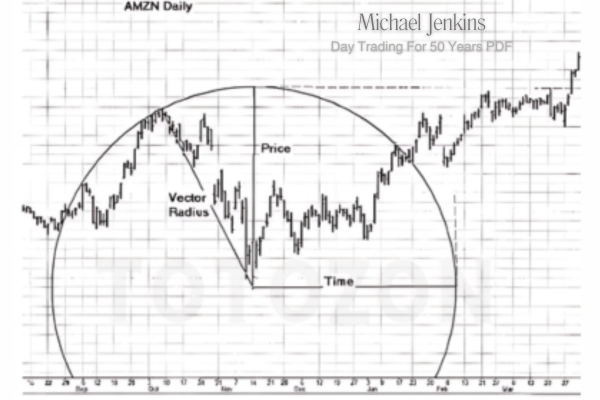 Day Trading For 50 Years PDF with Michael Jenkins
1 × $6.00
Day Trading For 50 Years PDF with Michael Jenkins
1 × $6.00 -
×
 Advanced Trading Course - Footprint Charts, Market Profile & TPO with Jayson Casper
1 × $31.00
Advanced Trading Course - Footprint Charts, Market Profile & TPO with Jayson Casper
1 × $31.00 -
×
 Technical Analysis Entry & Exit with Andrew Baxter
1 × $6.00
Technical Analysis Entry & Exit with Andrew Baxter
1 × $6.00 -
×
 Dan Sheridan 2011 Calendar Workshop
1 × $6.00
Dan Sheridan 2011 Calendar Workshop
1 × $6.00 -
×
 Ultimate Trading Course with Dodgy's Dungeon
1 × $8.00
Ultimate Trading Course with Dodgy's Dungeon
1 × $8.00 -
×
 ETF Strategies & Tactics: Hedge Your Portfolio in a Changing Marke with Laurence Rosenberg
1 × $6.00
ETF Strategies & Tactics: Hedge Your Portfolio in a Changing Marke with Laurence Rosenberg
1 × $6.00 -
×
 Examination Book Morning Section (1999)
1 × $6.00
Examination Book Morning Section (1999)
1 × $6.00 -
×
 TenfoldFX Academy Course with Kenneth John
1 × $17.00
TenfoldFX Academy Course with Kenneth John
1 × $17.00 -
×
 The Market Maker’s Edge with Josh Lukeman
1 × $6.00
The Market Maker’s Edge with Josh Lukeman
1 × $6.00 -
×
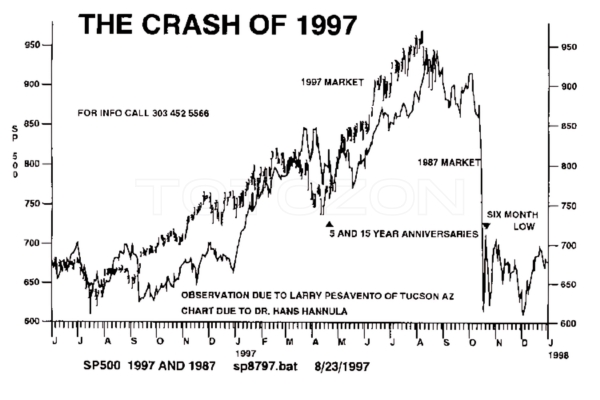 The Crash of 1997 (Article) with Hans Hannula
1 × $6.00
The Crash of 1997 (Article) with Hans Hannula
1 × $6.00 -
×
 AI For Traders with Trading Markets
1 × $31.00
AI For Traders with Trading Markets
1 × $31.00
Measuring & Controlling Interest Rate & Credit Risk (2nd Ed.) with Frank Fabozzi, Steven Mann & Moorad Choudhry
$6.00
File Size: Coming soon!
Delivery Time: 1–12 hours
Media Type: Online Course
Measuring & Controlling Interest Rate & Credit Risk (2nd Ed.)
Introduction
In today’s complex financial landscape, understanding the nuances of interest rate and credit risk is paramount for investors and financial institutions alike. “Measuring & Controlling Interest Rate & Credit Risk (2nd Ed.)” by Frank Fabozzi, Steven Mann, and Moorad Choudhry offers a deep dive into the strategies that professionals use to manage these risks effectively.
Understanding Interest Rate Risk
What is Interest Rate Risk?
Interest rate risk pertains to the volatility in financial positions caused by fluctuations in interest rates. How does it affect your investments? Let’s explore.
Factors Influencing Interest Rate Risk
- Economic Policies: Central bank policies can significantly sway interest rates.
- Market Expectations: Investor expectations about future rates can also cause shifts.
Tools for Managing Interest Rate Risk
Hedging Strategies
Incorporating derivatives like futures, options, and swaps helps mitigate potential losses.
Duration Analysis
Calculating the duration of assets is crucial for understanding sensitivity to rate changes.
Credit Risk Essentials
Defining Credit Risk
Credit risk involves the potential for a loss stemming from a borrower’s failure to meet contractual obligations.
Components of Credit Risk
- Probability of Default: The likelihood that a borrower will default.
- Loss Given Default: The amount lost due to a default.
Analyzing Credit Risk
Credit Scoring Models
These models assess the creditworthiness of borrowers using historical data.
Portfolio Credit Risk Management
Diversification and credit derivatives play roles in managing credit exposure.
Integrated Risk Management Framework
Role of Risk Management
A robust framework not only identifies but also quantifies and mitigates risks.
Regulatory Requirements
Understanding Basel III and other regulatory frameworks is crucial for compliance.
Technological Advances in Risk Management
AI and Machine Learning
These technologies enhance the accuracy of risk assessment models.
Blockchain in Risk Management
Blockchain can increase transparency and reduce fraud in credit transactions.
Case Studies: Successful Risk Management
Global Financial Institutions
How top banks use advanced models to manage their risk portfolios.
Impact of Recent Economic Crises
Lessons learned from the 2008 financial crisis and subsequent market fluctuations.
Conclusion
Mastering the art of measuring and controlling interest rate and credit risk is essential for maintaining financial stability in today’s volatile market. Through the guidance of experts like Fabozzi, Mann, and Choudhry, financial professionals can adopt sophisticated tools and strategies to safeguard their portfolios against unforeseen risks.
FAQs
- What is the best strategy for managing interest rate risk?
- Hedging through derivatives and duration analysis are effective strategies.
- How does credit scoring influence risk management?
- Credit scoring helps in predicting the creditworthiness and potential defaults of borrowers.
- Can technology completely mitigate credit risk?
- While technology can reduce risk, it cannot eliminate it entirely due to unforeseen economic factors.
- What are the key components of a credit risk management framework?
- Key components include assessment, quantification, monitoring, and mitigation of risk.
- How did the 2008 financial crisis change risk management practices?
- It led to stricter regulatory requirements and more sophisticated risk assessment models.
Be the first to review “Measuring & Controlling Interest Rate & Credit Risk (2nd Ed.) with Frank Fabozzi, Steven Mann & Moorad Choudhry”
You must be logged in to post a review.
Related products

Original price was: $649.00.$20.00Current price is: $20.00.

Forex Trading
Original price was: $2,997.00.$23.00Current price is: $23.00.

Original price was: $1,800.00.$54.00Current price is: $54.00.

Original price was: $299.00.$8.00Current price is: $8.00.
Forex Trading
Original price was: $239.00.$8.00Current price is: $8.00.
Forex Trading
Original price was: $999.00.$15.00Current price is: $15.00.

Forex Trading
Original price was: $550.00.$5.00Current price is: $5.00.

Original price was: $997.00.$13.00Current price is: $13.00.
Forex Trading
Original price was: $2,995.00.$31.00Current price is: $31.00.

Original price was: $1,200.00.$23.00Current price is: $23.00.

Forex Trading
Original price was: $1,098.00.$39.00Current price is: $39.00.

Forex Trading
Original price was: $799.00.$15.00Current price is: $15.00.

Forex Trading
Original price was: $4,997.00.$27.00Current price is: $27.00.

Original price was: $197.00.$5.00Current price is: $5.00.

Forex Trading
Original price was: $397.00.$31.00Current price is: $31.00.

Forex Trading
Quantamentals – The Next Great Forefront Of Trading and Investing with Trading Markets
Original price was: $1,495.00.$8.00Current price is: $8.00.

Original price was: $895.00.$15.00Current price is: $15.00.

Original price was: $497.00.$31.00Current price is: $31.00.

Original price was: $450.00.$23.00Current price is: $23.00.

Original price was: $997.00.$8.00Current price is: $8.00.

Reviews
There are no reviews yet.