
-
×
 Option Trading Camp
1 × $15.00
Option Trading Camp
1 × $15.00 -
×
 How To Trade Fundamental News Release 2022 with Patrick Muke
1 × $6.00
How To Trade Fundamental News Release 2022 with Patrick Muke
1 × $6.00 -
×
 The Master Indicator 2023 with Lance Ippolito
1 × $101.00
The Master Indicator 2023 with Lance Ippolito
1 × $101.00 -
×
 Traders Secret Library
1 × $6.00
Traders Secret Library
1 × $6.00 -
×
 The Blockchain Bootcamp 2.0 with Gregory (Dapp University)
1 × $15.00
The Blockchain Bootcamp 2.0 with Gregory (Dapp University)
1 × $15.00 -
×
 How to Use Gann Techniques to Implement a Trading System
1 × $6.00
How to Use Gann Techniques to Implement a Trading System
1 × $6.00 -
×
 Complete Series
1 × $31.00
Complete Series
1 × $31.00 -
×
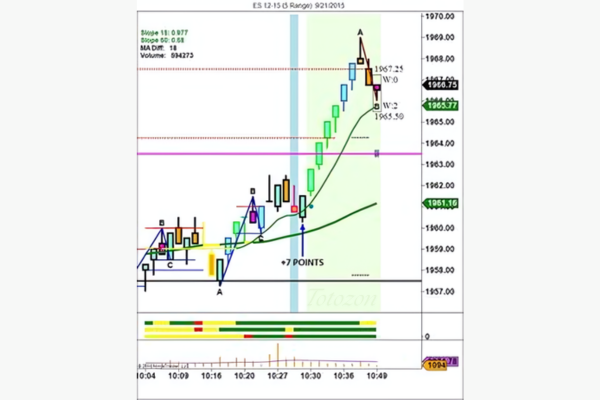 Right Line Trading IndicatorSuite (May 2015)
1 × $31.00
Right Line Trading IndicatorSuite (May 2015)
1 × $31.00 -
×
 Covered Calls Income Generation for Your Stocks With Don Kaufman
1 × $6.00
Covered Calls Income Generation for Your Stocks With Don Kaufman
1 × $6.00 -
×
 Practical Approach to Ninjatrader 8 Platform with Rajandran R
1 × $6.00
Practical Approach to Ninjatrader 8 Platform with Rajandran R
1 × $6.00 -
×
 Introduction to Futures & Options Markets (2nd Ed.)
1 × $6.00
Introduction to Futures & Options Markets (2nd Ed.)
1 × $6.00 -
×
 Crystal Ball Pack PLUS bonus Live Trade By Pat Mitchell - Trick Trades
1 × $20.00
Crystal Ball Pack PLUS bonus Live Trade By Pat Mitchell - Trick Trades
1 × $20.00 -
×
 CM Pivot Power Trade Method with Austin Passamonte
1 × $6.00
CM Pivot Power Trade Method with Austin Passamonte
1 × $6.00 -
×
 D5 Render Course with Nuno Silva
1 × $27.00
D5 Render Course with Nuno Silva
1 × $27.00 -
×
 Forex Secrets Exposed
1 × $15.00
Forex Secrets Exposed
1 × $15.00 -
×
 The Complete 32 Plus Hour Video Course Bundle with Rob Hoffman - Become a Better Trader
1 × $6.00
The Complete 32 Plus Hour Video Course Bundle with Rob Hoffman - Become a Better Trader
1 × $6.00 -
×
 Finding Alpha: The Search for Alpha When Risk and Return Break Down with Eric Falkenstein
1 × $6.00
Finding Alpha: The Search for Alpha When Risk and Return Break Down with Eric Falkenstein
1 × $6.00 -
×
 Intro To Trading - 3 Module Bundle
1 × $23.00
Intro To Trading - 3 Module Bundle
1 × $23.00 -
×
 Path to Profits By Scott Redler - T3 Live
1 × $6.00
Path to Profits By Scott Redler - T3 Live
1 × $6.00 -
×
 Valuing Employee Stock Options with Johnathan Mun
1 × $6.00
Valuing Employee Stock Options with Johnathan Mun
1 × $6.00 -
×
 Trade Like a Pro in Currency Trading with Don Schellenberg
1 × $6.00
Trade Like a Pro in Currency Trading with Don Schellenberg
1 × $6.00 -
×
 Deep Dive Butterfly Trading Strategy Class with SJG Trades
1 × $41.00
Deep Dive Butterfly Trading Strategy Class with SJG Trades
1 × $41.00 -
×
 Support and Resistance Trading with Rob Booker
1 × $6.00
Support and Resistance Trading with Rob Booker
1 × $6.00 -
×
 Marber on Markets – How to Make Money from Charts with Brian Marber
1 × $6.00
Marber on Markets – How to Make Money from Charts with Brian Marber
1 × $6.00 -
×
 Show Tax Losses On Your 1040, Yet Show Lenders You Are Making Money! with Information Services Unlimited
1 × $6.00
Show Tax Losses On Your 1040, Yet Show Lenders You Are Making Money! with Information Services Unlimited
1 × $6.00 -
×
 HandBook of Parametric and Nonparametric Statistical Procedures with David J.Sheskin
1 × $6.00
HandBook of Parametric and Nonparametric Statistical Procedures with David J.Sheskin
1 × $6.00 -
×
 Get 95% Win Rate With The Triple Candy Method - Eden
1 × $5.00
Get 95% Win Rate With The Triple Candy Method - Eden
1 × $5.00 -
×
 Secret Forex Society Economic Reports (2006-2007) with Felix Homogratus
1 × $6.00
Secret Forex Society Economic Reports (2006-2007) with Felix Homogratus
1 × $6.00 -
×
 Geometry of Markets I with Bruce Gilmore
1 × $6.00
Geometry of Markets I with Bruce Gilmore
1 × $6.00 -
×
 MTI - Basics UTP
1 × $6.00
MTI - Basics UTP
1 × $6.00 -
×
 CFA Level 2 - Sample Item Sets 2003
1 × $6.00
CFA Level 2 - Sample Item Sets 2003
1 × $6.00 -
×
 Advanced Pattern Recognition with John Cameron
1 × $23.00
Advanced Pattern Recognition with John Cameron
1 × $23.00 -
×
 Sacredscience - Edward Johndro – Collected Articles
1 × $6.00
Sacredscience - Edward Johndro – Collected Articles
1 × $6.00 -
×
 Hubert Senters’ Squeeze Play Strategy & Tradestation Code with Hubert Senters
1 × $6.00
Hubert Senters’ Squeeze Play Strategy & Tradestation Code with Hubert Senters
1 × $6.00 -
×
 Stock Selection Course with Dave Landry
1 × $6.00
Stock Selection Course with Dave Landry
1 × $6.00 -
×
 Futures & Options from A to Z with Russell Wassendorf
1 × $6.00
Futures & Options from A to Z with Russell Wassendorf
1 × $6.00 -
×
 How to Make 1 Million Per Year Like Larry Williams with Larry Williams
1 × $6.00
How to Make 1 Million Per Year Like Larry Williams with Larry Williams
1 × $6.00 -
×
 Traders Edge with Steven Dux
1 × $5.00
Traders Edge with Steven Dux
1 × $5.00 -
×
 Stock Trader`s Almanac 2012 with Jeffrey Hirsch & Yale Hirsch
1 × $6.00
Stock Trader`s Almanac 2012 with Jeffrey Hirsch & Yale Hirsch
1 × $6.00 -
×
 Foundations of Technical Analysis (Article) with Andrew W.Lo
1 × $6.00
Foundations of Technical Analysis (Article) with Andrew W.Lo
1 × $6.00 -
×
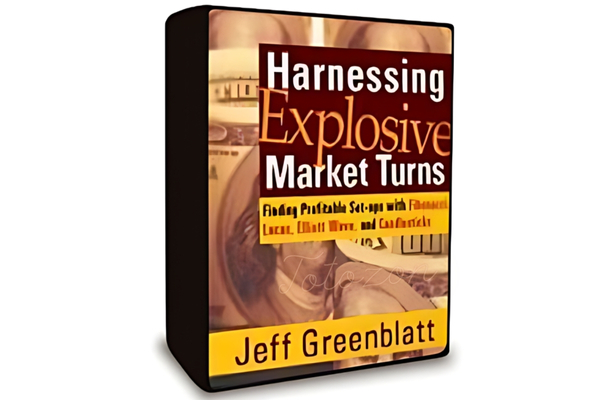 Harnessing Explosive Market Turns - 3 DVD with Jeff Greenblatt
1 × $6.00
Harnessing Explosive Market Turns - 3 DVD with Jeff Greenblatt
1 × $6.00 -
×
 Emini, Forex, Stock Course COMPLETE Series Recorded Seminar 2009 - 49 Modules in 3 DVDs (SpecialistTrading.com)
1 × $78.00
Emini, Forex, Stock Course COMPLETE Series Recorded Seminar 2009 - 49 Modules in 3 DVDs (SpecialistTrading.com)
1 × $78.00 -
×
 Risk Stop Loss and Position Size with Daryl Guppy
1 × $6.00
Risk Stop Loss and Position Size with Daryl Guppy
1 × $6.00 -
×
 Trading From Your Gut with Curtis Faith
1 × $6.00
Trading From Your Gut with Curtis Faith
1 × $6.00 -
×
 Perfect Publishing System Elite with Johnny Andrews
1 × $6.00
Perfect Publishing System Elite with Johnny Andrews
1 × $6.00 -
×
 CMT Association Entire Webinars
1 × $31.00
CMT Association Entire Webinars
1 × $31.00 -
×
 Stock Market Winners with Maria Crawford Scott, John Bajkowski
1 × $6.00
Stock Market Winners with Maria Crawford Scott, John Bajkowski
1 × $6.00 -
×
 SE ELITE COURSE with SE TRADINGX
1 × $5.00
SE ELITE COURSE with SE TRADINGX
1 × $5.00 -
×
 Market Structure Matters with Haim Bodek
1 × $62.00
Market Structure Matters with Haim Bodek
1 × $62.00 -
×
 Stock Market Investing Mastery with Jeremy
1 × $39.00
Stock Market Investing Mastery with Jeremy
1 × $39.00 -
×
 Financial Markets Online – VIP Membership with James Bentley
1 × $6.00
Financial Markets Online – VIP Membership with James Bentley
1 × $6.00 -
×
 Profits in the Stock Market with Harold Gartley
1 × $6.00
Profits in the Stock Market with Harold Gartley
1 × $6.00 -
×
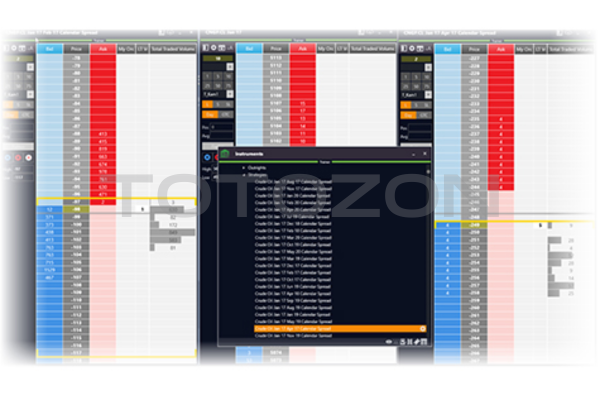 Futures Spread Trading Intro Course with Thetradingframework
1 × $6.00
Futures Spread Trading Intro Course with Thetradingframework
1 × $6.00 -
×
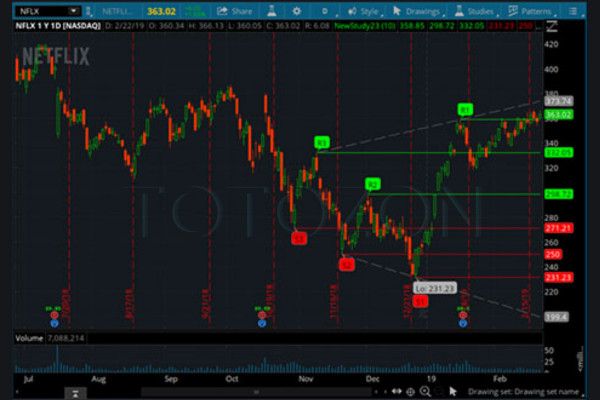 MQ Gravity Lines with Base Camp Trading
1 × $54.00
MQ Gravity Lines with Base Camp Trading
1 × $54.00 -
×
 The Naked Eye: Raw Data Analytics with Edgar Torres - Raw Data Analytics
1 × $8.00
The Naked Eye: Raw Data Analytics with Edgar Torres - Raw Data Analytics
1 × $8.00 -
×
 The Cycles and The Codes with Myles Wilson-Walker
1 × $15.00
The Cycles and The Codes with Myles Wilson-Walker
1 × $15.00 -
×
 RiskDoctor RD2 – Intermediate Course to Options Trading the RiskDoctor Way - Charles Cottle
1 × $6.00
RiskDoctor RD2 – Intermediate Course to Options Trading the RiskDoctor Way - Charles Cottle
1 × $6.00 -
×
 Proven Swing Trading Strat & Multiple Time Frame Analysis - Robert Krausz & Thom Hartle
1 × $6.00
Proven Swing Trading Strat & Multiple Time Frame Analysis - Robert Krausz & Thom Hartle
1 × $6.00 -
×
 Algo Trading Masterclass with Ali Casey - StatOasis
1 × $23.00
Algo Trading Masterclass with Ali Casey - StatOasis
1 × $23.00
How To Invest By Instinct: Instinctively Self Guided Investments with Lin Eldridge
$6.00
File Size: Coming soon!
Delivery Time: 1–12 hours
Media Type: Online Course
Content Proof: Watch Here!
You may check content proof of “How To Invest By Instinct: Instinctively Self Guided Investments with Lin Eldridge” below:

How To Invest By Instinct: Instinctively Self-Guided Investments with Lin Eldridge
Investing can be a daunting task, but what if you could rely on your instincts to guide your investment decisions? Lin Eldridge’s approach to self-guided investments emphasizes the power of intuition. In this article, we’ll explore how to harness your instincts for successful investing.
What is Instinctive Investing?
Instinctive investing involves using your intuition and gut feelings to make investment decisions. It’s about trusting your natural inclinations rather than relying solely on data and analysis.
Why Trust Your Instincts?
- Experience and Knowledge: Your instincts are often based on your experiences and knowledge, even if you’re not consciously aware of it.
- Quick Decision-Making: Instincts allow for faster decision-making, which can be crucial in volatile markets.
- Emotional Intelligence: Instinctive investing taps into your emotional intelligence, helping you navigate market psychology.
Lin Eldridge’s Philosophy on Instinctive Investing
Lin Eldridge advocates for a balanced approach that combines instinct with informed decision-making. According to Eldridge, instincts should complement, not replace, traditional investment strategies.
Understanding Market Trends
- Pattern Recognition: Use your instincts to recognize patterns in market behavior.
- Historical Context: Trust your gut when comparing current trends with historical data.
Diversifying Your Portfolio
Instinctive investors should still diversify their portfolios to mitigate risk. Use your instincts to identify promising sectors and asset classes.
Steps to Develop Your Instincts for Investing
1. Educate Yourself
- Read Widely: Gain a broad understanding of financial markets.
- Follow Experts: Learn from successful investors and financial advisors.
2. Practice Mindfulness
- Stay Present: Mindfulness practices can help you stay in the moment and tune into your instincts.
- Reduce Stress: Lower stress levels to enhance your decision-making abilities.
3. Reflect on Past Decisions
- Analyze Outcomes: Reflect on your past investment decisions to understand your instincts better.
- Identify Patterns: Look for patterns in your successful and unsuccessful investments.
Balancing Instincts with Analysis
While instincts are valuable, they should be balanced with thorough analysis. Use data to support your intuitive decisions.
Quantitative Analysis
- Financial Metrics: Evaluate financial statements and key metrics.
- Market Indicators: Pay attention to market indicators and trends.
Qualitative Analysis
- Company Management: Trust your instincts about a company’s leadership.
- Industry Outlook: Use your intuition to gauge the future potential of industries.
Common Mistakes in Instinctive Investing
Overconfidence
- Risk Awareness: Don’t let overconfidence lead to excessive risk-taking.
- Seek Feedback: Regularly seek feedback from trusted advisors.
Ignoring Data
- Data Integration: Always integrate data with your instincts.
- Stay Informed: Keep up-to-date with market news and reports.
Real-Life Examples of Instinctive Investors
Successful Instinctive Investors
- Warren Buffett: Known for his intuitive investment style, Buffett combines instinct with rigorous analysis.
- George Soros: Soros often trusts his gut feelings about market movements.
Developing Your Instinctive Investment Strategy
Set Clear Goals
- Define Objectives: Know what you want to achieve with your investments.
- Time Horizon: Consider your investment time horizon.
Regularly Review Your Portfolio
- Monitor Performance: Keep an eye on your portfolio’s performance.
- Adjust as Needed: Be willing to make adjustments based on your instincts and analysis.
Conclusion
Investing by instinct is about harnessing your natural inclinations while balancing them with informed decision-making. Lin Eldridge’s approach to self-guided investments can help you develop a more intuitive and effective investment strategy. Trust your instincts, but never ignore the importance of data and analysis.
FAQs
1. Can anyone develop instinctive investing skills?
Yes, with practice and education, anyone can hone their instinctive investing skills.
2. How can I improve my investment instincts?
Educate yourself, practice mindfulness, and reflect on past investment decisions.
3. Are there risks to relying on instincts for investing?
Yes, overconfidence and ignoring data can lead to poor decisions. Balance instincts with analysis.
4. What role does emotional intelligence play in instinctive investing?
Emotional intelligence helps you understand market psychology and make better intuitive decisions.
5. Can instinctive investing replace traditional strategies?
No, it should complement traditional strategies, not replace them.
Be the first to review “How To Invest By Instinct: Instinctively Self Guided Investments with Lin Eldridge”
You must be logged in to post a review.
Related products

Forex Trading
Original price was: $397.00.$31.00Current price is: $31.00.

Original price was: $299.00.$8.00Current price is: $8.00.

Original price was: $497.00.$11.00Current price is: $11.00.

Original price was: $497.00.$31.00Current price is: $31.00.

Forex Trading
Original price was: $239.00.$8.00Current price is: $8.00.

Forex Trading
Original price was: $850.00.$23.00Current price is: $23.00.

Original price was: $700.00.$39.00Current price is: $39.00.
Original price was: $649.00.$20.00Current price is: $20.00.

Original price was: $997.00.$13.00Current price is: $13.00.

Original price was: $310.00.$23.00Current price is: $23.00.

Original price was: $2,120.00.$15.00Current price is: $15.00.

Forex Trading
Original price was: $249.00.$15.00Current price is: $15.00.

Forex Trading
Original price was: $4,997.00.$27.00Current price is: $27.00.

Forex Trading
Original price was: $999.00.$15.00Current price is: $15.00.

Original price was: $799.00.$15.00Current price is: $15.00.

Forex Trading
Original price was: $1,098.00.$39.00Current price is: $39.00.

Forex Trading
Original price was: $499.00.$15.00Current price is: $15.00.
Original price was: $695.00.$41.00Current price is: $41.00.
Original price was: $997.00.$8.00Current price is: $8.00.

Forex Trading
Original price was: $550.00.$5.00Current price is: $5.00.

Reviews
There are no reviews yet.