
-
×
 Best of the Best: Collars with Amy Meissner & Scott Ruble
1 × $15.00
Best of the Best: Collars with Amy Meissner & Scott Ruble
1 × $15.00 -
×
 The Naked Eye: Raw Data Analytics with Edgar Torres - Raw Data Analytics
1 × $8.00
The Naked Eye: Raw Data Analytics with Edgar Torres - Raw Data Analytics
1 × $8.00 -
×
 Sacredscience - Sepharial – Your Personal Diurnal Chart
1 × $6.00
Sacredscience - Sepharial – Your Personal Diurnal Chart
1 × $6.00 -
×
 Ultimate Trading Course with Dodgy's Dungeon
1 × $8.00
Ultimate Trading Course with Dodgy's Dungeon
1 × $8.00 -
×
 Breakouts with Feibel Trading
1 × $5.00
Breakouts with Feibel Trading
1 × $5.00 -
×
 Deep Dive Butterfly Trading Strategy Class with SJG Trades
1 × $41.00
Deep Dive Butterfly Trading Strategy Class with SJG Trades
1 × $41.00 -
×
 Hiden Collective Factors in Speculative Trading with Bertrand Roehner
1 × $6.00
Hiden Collective Factors in Speculative Trading with Bertrand Roehner
1 × $6.00 -
×
 Market Mindfields - 2 DVDs with Ryan Litchfield
1 × $6.00
Market Mindfields - 2 DVDs with Ryan Litchfield
1 × $6.00 -
×
 Mastering the Complex Sale: How to Compete and Win When the Stakes are High! with Jeff Thull
1 × $6.00
Mastering the Complex Sale: How to Compete and Win When the Stakes are High! with Jeff Thull
1 × $6.00 -
×
 The Gold Standard in Trading Education with Six Figure Capital
1 × $5.00
The Gold Standard in Trading Education with Six Figure Capital
1 × $5.00 -
×
 Millionaire Playbook with Jeremy Lefebvre
1 × $62.00
Millionaire Playbook with Jeremy Lefebvre
1 × $62.00 -
×
 Full 2 Day Dark Pool And Market Strategy Training
1 × $6.00
Full 2 Day Dark Pool And Market Strategy Training
1 × $6.00 -
×
 Reality Based Trading with Matt Petrallia - Trading Equilibrium
1 × $17.00
Reality Based Trading with Matt Petrallia - Trading Equilibrium
1 × $17.00 -
×
 Introduction to the Elliot Wave Principle Seminar - Robert Prechter
1 × $6.00
Introduction to the Elliot Wave Principle Seminar - Robert Prechter
1 × $6.00 -
×
 Inside the Mind of Trader Stewie - Art of Trading
1 × $23.00
Inside the Mind of Trader Stewie - Art of Trading
1 × $23.00 -
×
 The Realistic Trader - Crypto Currencies
1 × $31.00
The Realistic Trader - Crypto Currencies
1 × $31.00 -
×
 How to Trade Stock Options Course
1 × $6.00
How to Trade Stock Options Course
1 × $6.00 -
×
 Mathematical Problems in Image Processing with Charles E.Chidume
1 × $6.00
Mathematical Problems in Image Processing with Charles E.Chidume
1 × $6.00 -
×
 Dominate Stocks 2020 with J. Bravo
1 × $6.00
Dominate Stocks 2020 with J. Bravo
1 × $6.00 -
×
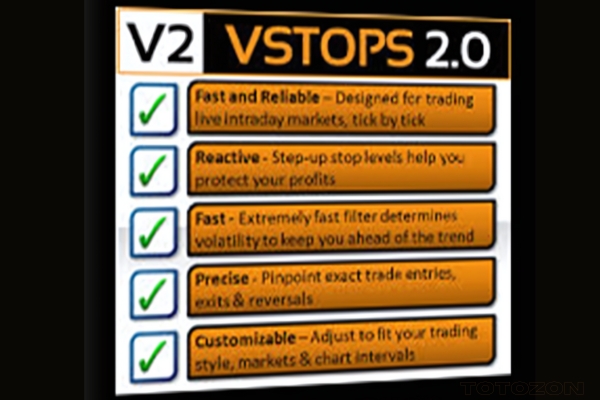 VSTOPS ProTrader Strategy (Nov 2013)
1 × $6.00
VSTOPS ProTrader Strategy (Nov 2013)
1 × $6.00 -
×
 Volume Profile Video Course with Trader Dale
1 × $8.00
Volume Profile Video Course with Trader Dale
1 × $8.00 -
×
 NJAT Trading Course with Not Just A Trade
1 × $6.00
NJAT Trading Course with Not Just A Trade
1 × $6.00 -
×
 The Prop Trading Code with Brannigan Barrett - Axia Futures
1 × $23.00
The Prop Trading Code with Brannigan Barrett - Axia Futures
1 × $23.00 -
×
 MambaFX - Bundle - Trading/Scalping
1 × $23.00
MambaFX - Bundle - Trading/Scalping
1 × $23.00 -
×
 Forex Trend Line Strategy with Kelvin Lee
1 × $6.00
Forex Trend Line Strategy with Kelvin Lee
1 × $6.00 -
×
 Metastock Online Traders Summit
1 × $5.00
Metastock Online Traders Summit
1 × $5.00 -
×
 Middle Market M & A: Handbook for Investment Banking and Business Consulting (1st Edition) - Kenneth Marks
1 × $6.00
Middle Market M & A: Handbook for Investment Banking and Business Consulting (1st Edition) - Kenneth Marks
1 × $6.00 -
×
 Introduction to Probability with Charles M.Grinstead, J.Laurie Snell
1 × $6.00
Introduction to Probability with Charles M.Grinstead, J.Laurie Snell
1 × $6.00 -
×
 MotiveWave Course with Todd Gordon
1 × $23.00
MotiveWave Course with Todd Gordon
1 × $23.00 -
×
 Frank Paul – Fibonacci Swing Trader Foundation Course 2011 (Video, Manuals, 5.1 GB) with Forexmentor
1 × $6.00
Frank Paul – Fibonacci Swing Trader Foundation Course 2011 (Video, Manuals, 5.1 GB) with Forexmentor
1 × $6.00 -
×
 Option Income Stream System 2004
1 × $6.00
Option Income Stream System 2004
1 × $6.00 -
×
 Option Alpha Signals
1 × $15.00
Option Alpha Signals
1 × $15.00 -
×
 Modeling Financial Markets. Using Visual Basic Net & Databases To Create Pricing Trading & Risk Management Models
1 × $6.00
Modeling Financial Markets. Using Visual Basic Net & Databases To Create Pricing Trading & Risk Management Models
1 × $6.00 -
×
 Technical Analysis Entry & Exit with Andrew Baxter
1 × $6.00
Technical Analysis Entry & Exit with Andrew Baxter
1 × $6.00 -
×
 0 DTE Options Trading Workshop with Aeromir Corporation
1 × $15.00
0 DTE Options Trading Workshop with Aeromir Corporation
1 × $15.00 -
×
 TRADING NFX Course with Andrew NFX
1 × $5.00
TRADING NFX Course with Andrew NFX
1 × $5.00 -
×
 How To Read The Market Professionally with TradeSmart
1 × $27.00
How To Read The Market Professionally with TradeSmart
1 × $27.00 -
×
 White Phoenix’s The Smart (Money) Approach to Trading with Jayson Casper
1 × $39.00
White Phoenix’s The Smart (Money) Approach to Trading with Jayson Casper
1 × $39.00 -
×
 Market Wizards with Jack Schwager
1 × $6.00
Market Wizards with Jack Schwager
1 × $6.00 -
×
 Bond Market Course with The Macro Compass
1 × $15.00
Bond Market Course with The Macro Compass
1 × $15.00 -
×
 Options Master Class
1 × $54.00
Options Master Class
1 × $54.00 -
×
 Study Guide for Technical Analysis Explained (1st Edition) with Martin Pring
1 × $6.00
Study Guide for Technical Analysis Explained (1st Edition) with Martin Pring
1 × $6.00 -
×
 The Indices Orderflow Masterclass with The Forex Scalpers
1 × $23.00
The Indices Orderflow Masterclass with The Forex Scalpers
1 × $23.00 -
×
 TradeCraft: Your Path to Peak Performance Trading By Adam Grimes
1 × $15.00
TradeCraft: Your Path to Peak Performance Trading By Adam Grimes
1 × $15.00 -
×
 W. D Gann 's Square Of 9 Applied To Modern Markets with Sean Avidar - Hexatrade350
1 × $23.00
W. D Gann 's Square Of 9 Applied To Modern Markets with Sean Avidar - Hexatrade350
1 × $23.00 -
×
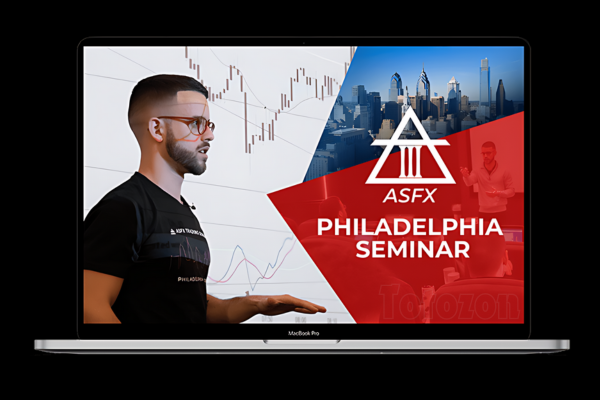 Philadelphia Seminar Replay & PDF Study Guide with ASFX Day Trading
1 × $31.00
Philadelphia Seminar Replay & PDF Study Guide with ASFX Day Trading
1 × $31.00 -
×
 The Hedge Fund Edge. Maximum Profit, Minimum Risk. Global Trading Trend Strategies - Mark Boucher
1 × $6.00
The Hedge Fund Edge. Maximum Profit, Minimum Risk. Global Trading Trend Strategies - Mark Boucher
1 × $6.00 -
×
 Trading Short TermSame Day Trades Sep 2023 with Dan Sheridan & Mark Fenton - Sheridan Options Mentoring
1 × $31.00
Trading Short TermSame Day Trades Sep 2023 with Dan Sheridan & Mark Fenton - Sheridan Options Mentoring
1 × $31.00 -
×
 Forecast 2024 Clarification with Larry Williams
1 × $15.00
Forecast 2024 Clarification with Larry Williams
1 × $15.00 -
×
 The Best Option Trading Course with David Jaffee - Best Stock Strategy
1 × $15.00
The Best Option Trading Course with David Jaffee - Best Stock Strategy
1 × $15.00 -
×
 FXJake Webinars with Walter Peters
1 × $6.00
FXJake Webinars with Walter Peters
1 × $6.00 -
×
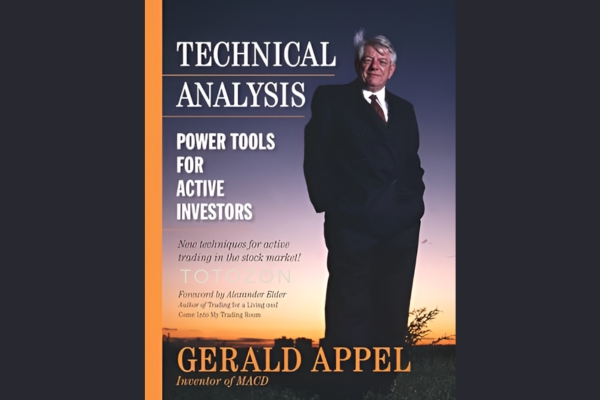 Technical Analysis: Power Tools for Active Investors with Gerald Appel
1 × $6.00
Technical Analysis: Power Tools for Active Investors with Gerald Appel
1 × $6.00
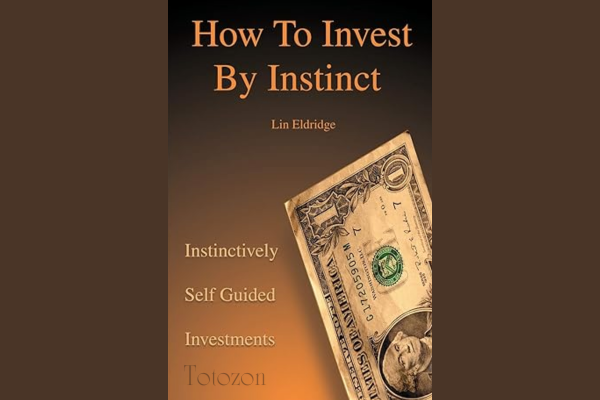
How To Invest By Instinct: Instinctively Self Guided Investments with Lin Eldridge
$6.00
File Size: Coming soon!
Delivery Time: 1–12 hours
Media Type: Online Course
Content Proof: Watch Here!
You may check content proof of “How To Invest By Instinct: Instinctively Self Guided Investments with Lin Eldridge” below:

How To Invest By Instinct: Instinctively Self-Guided Investments with Lin Eldridge
Investing can be a daunting task, but what if you could rely on your instincts to guide your investment decisions? Lin Eldridge’s approach to self-guided investments emphasizes the power of intuition. In this article, we’ll explore how to harness your instincts for successful investing.
What is Instinctive Investing?
Instinctive investing involves using your intuition and gut feelings to make investment decisions. It’s about trusting your natural inclinations rather than relying solely on data and analysis.
Why Trust Your Instincts?
- Experience and Knowledge: Your instincts are often based on your experiences and knowledge, even if you’re not consciously aware of it.
- Quick Decision-Making: Instincts allow for faster decision-making, which can be crucial in volatile markets.
- Emotional Intelligence: Instinctive investing taps into your emotional intelligence, helping you navigate market psychology.
Lin Eldridge’s Philosophy on Instinctive Investing
Lin Eldridge advocates for a balanced approach that combines instinct with informed decision-making. According to Eldridge, instincts should complement, not replace, traditional investment strategies.
Understanding Market Trends
- Pattern Recognition: Use your instincts to recognize patterns in market behavior.
- Historical Context: Trust your gut when comparing current trends with historical data.
Diversifying Your Portfolio
Instinctive investors should still diversify their portfolios to mitigate risk. Use your instincts to identify promising sectors and asset classes.
Steps to Develop Your Instincts for Investing
1. Educate Yourself
- Read Widely: Gain a broad understanding of financial markets.
- Follow Experts: Learn from successful investors and financial advisors.
2. Practice Mindfulness
- Stay Present: Mindfulness practices can help you stay in the moment and tune into your instincts.
- Reduce Stress: Lower stress levels to enhance your decision-making abilities.
3. Reflect on Past Decisions
- Analyze Outcomes: Reflect on your past investment decisions to understand your instincts better.
- Identify Patterns: Look for patterns in your successful and unsuccessful investments.
Balancing Instincts with Analysis
While instincts are valuable, they should be balanced with thorough analysis. Use data to support your intuitive decisions.
Quantitative Analysis
- Financial Metrics: Evaluate financial statements and key metrics.
- Market Indicators: Pay attention to market indicators and trends.
Qualitative Analysis
- Company Management: Trust your instincts about a company’s leadership.
- Industry Outlook: Use your intuition to gauge the future potential of industries.
Common Mistakes in Instinctive Investing
Overconfidence
- Risk Awareness: Don’t let overconfidence lead to excessive risk-taking.
- Seek Feedback: Regularly seek feedback from trusted advisors.
Ignoring Data
- Data Integration: Always integrate data with your instincts.
- Stay Informed: Keep up-to-date with market news and reports.
Real-Life Examples of Instinctive Investors
Successful Instinctive Investors
- Warren Buffett: Known for his intuitive investment style, Buffett combines instinct with rigorous analysis.
- George Soros: Soros often trusts his gut feelings about market movements.
Developing Your Instinctive Investment Strategy
Set Clear Goals
- Define Objectives: Know what you want to achieve with your investments.
- Time Horizon: Consider your investment time horizon.
Regularly Review Your Portfolio
- Monitor Performance: Keep an eye on your portfolio’s performance.
- Adjust as Needed: Be willing to make adjustments based on your instincts and analysis.
Conclusion
Investing by instinct is about harnessing your natural inclinations while balancing them with informed decision-making. Lin Eldridge’s approach to self-guided investments can help you develop a more intuitive and effective investment strategy. Trust your instincts, but never ignore the importance of data and analysis.
FAQs
1. Can anyone develop instinctive investing skills?
Yes, with practice and education, anyone can hone their instinctive investing skills.
2. How can I improve my investment instincts?
Educate yourself, practice mindfulness, and reflect on past investment decisions.
3. Are there risks to relying on instincts for investing?
Yes, overconfidence and ignoring data can lead to poor decisions. Balance instincts with analysis.
4. What role does emotional intelligence play in instinctive investing?
Emotional intelligence helps you understand market psychology and make better intuitive decisions.
5. Can instinctive investing replace traditional strategies?
No, it should complement traditional strategies, not replace them.
Be the first to review “How To Invest By Instinct: Instinctively Self Guided Investments with Lin Eldridge”
You must be logged in to post a review.
Related products

Forex Trading
Original price was: $1,898.00.$10.00Current price is: $10.00.
Forex Trading
Original price was: $4,997.00.$27.00Current price is: $27.00.
Forex Trading
Original price was: $999.00.$15.00Current price is: $15.00.

Original price was: $197.00.$5.00Current price is: $5.00.
Forex Trading
Original price was: $397.00.$31.00Current price is: $31.00.
Original price was: $997.00.$8.00Current price is: $8.00.

Forex Trading
Quantamentals – The Next Great Forefront Of Trading and Investing with Trading Markets
Original price was: $1,495.00.$8.00Current price is: $8.00.
Original price was: $700.00.$39.00Current price is: $39.00.

Forex Trading
Original price was: $550.00.$5.00Current price is: $5.00.

Forex Trading
Original price was: $797.00.$10.00Current price is: $10.00.
Original price was: $4,995.00.$15.00Current price is: $15.00.
Original price was: $139.00.$23.00Current price is: $23.00.

Forex Trading
The Complete Guide to Multiple Time Frame Analysis & Reading Price Action with Aiman Almansoori
Original price was: $1,399.00.$13.00Current price is: $13.00.
Forex Trading
Original price was: $500.00.$5.00Current price is: $5.00.

Forex Trading
Original price was: $850.00.$23.00Current price is: $23.00.

Original price was: $310.00.$23.00Current price is: $23.00.

Original price was: $997.00.$13.00Current price is: $13.00.
Original price was: $1,200.00.$23.00Current price is: $23.00.

Original price was: $497.00.$31.00Current price is: $31.00.

Original price was: $2,120.00.$15.00Current price is: $15.00.

Reviews
There are no reviews yet.