
-
×
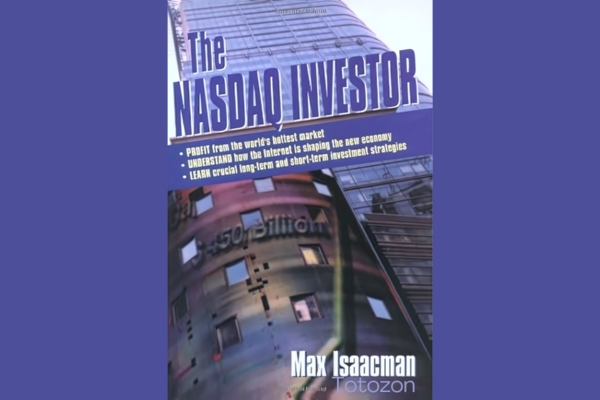 The Nasdaq Investor with Max Isaacman
1 × $6.00
The Nasdaq Investor with Max Isaacman
1 × $6.00 -
×
 Boiler Room Trading
1 × $15.00
Boiler Room Trading
1 × $15.00 -
×
 Simple Setups For Consistent Profits with Base Camp Trading
1 × $6.00
Simple Setups For Consistent Profits with Base Camp Trading
1 × $6.00 -
×
 Order flow self-study training program with iMFtracker
1 × $10.00
Order flow self-study training program with iMFtracker
1 × $10.00 -
×
 Cecil Robles Advent Forex Course & Indicators with Adventforex
1 × $6.00
Cecil Robles Advent Forex Course & Indicators with Adventforex
1 × $6.00 -
×
 Ultimate Trading Course with Dodgy's Dungeon
1 × $8.00
Ultimate Trading Course with Dodgy's Dungeon
1 × $8.00 -
×
 Intro To Trading - 3 Module Bundle
1 × $23.00
Intro To Trading - 3 Module Bundle
1 × $23.00 -
×
 Trading with the Gods Fibonacci Series with Alan Oliver
1 × $6.00
Trading with the Gods Fibonacci Series with Alan Oliver
1 × $6.00 -
×
 War Room Psychology Vol. 2 with Pat Mitchell – Trick Trades
1 × $23.00
War Room Psychology Vol. 2 with Pat Mitchell – Trick Trades
1 × $23.00 -
×
 Make Money While You Sleep with Forex Night Train
1 × $6.00
Make Money While You Sleep with Forex Night Train
1 × $6.00 -
×
 Wyckoff Analysis Series. Module 1. Wyckoff Volume Analysis
1 × $6.00
Wyckoff Analysis Series. Module 1. Wyckoff Volume Analysis
1 × $6.00 -
×
 Ultimate Titan Trader Bootcamp with Silas Peters
1 × $23.00
Ultimate Titan Trader Bootcamp with Silas Peters
1 × $23.00 -
×
 Zulu Trading Method for the Soybeans with Joe Ross
1 × $6.00
Zulu Trading Method for the Soybeans with Joe Ross
1 × $6.00 -
×
 Four Steps to Trading Economic Indicators
1 × $6.00
Four Steps to Trading Economic Indicators
1 × $6.00 -
×
 Quantamentals - The Next Great Forefront Of Trading and Investing with Trading Markets
1 × $8.00
Quantamentals - The Next Great Forefront Of Trading and Investing with Trading Markets
1 × $8.00 -
×
 New York Institute of Finance – Futures. A Personal Seminar
1 × $6.00
New York Institute of Finance – Futures. A Personal Seminar
1 × $6.00 -
×
 HYDRA 3 Day Bootcamp
1 × $5.00
HYDRA 3 Day Bootcamp
1 × $5.00 -
×
 Forex Commander Package by Amin Sadak
1 × $6.00
Forex Commander Package by Amin Sadak
1 × $6.00 -
×
 Long-Term Memory in the Stock Market Prices (Article) with Andrew W.Lo
1 × $6.00
Long-Term Memory in the Stock Market Prices (Article) with Andrew W.Lo
1 × $6.00 -
×
 Forex Options Trading
1 × $6.00
Forex Options Trading
1 × $6.00 -
×
 Risk Management Toolkit with Peter Bain
1 × $6.00
Risk Management Toolkit with Peter Bain
1 × $6.00 -
×
 Phantom Trading Course 2.0
1 × $7.00
Phantom Trading Course 2.0
1 × $7.00 -
×
 4 Class Bundle
1 × $31.00
4 Class Bundle
1 × $31.00 -
×
 Introduction to Futures Trading and Live Trade Demonstration with Hari Swaminathan
1 × $6.00
Introduction to Futures Trading and Live Trade Demonstration with Hari Swaminathan
1 × $6.00 -
×
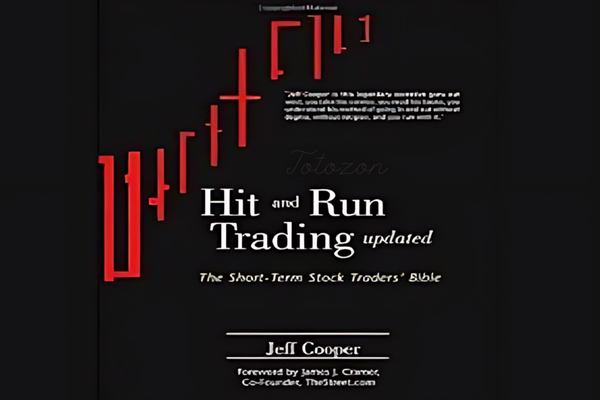 Hit and Run Trading Updated Version with Jeff Cooper
1 × $6.00
Hit and Run Trading Updated Version with Jeff Cooper
1 × $6.00 -
×
 How to Stack Your Trades
1 × $6.00
How to Stack Your Trades
1 × $6.00 -
×
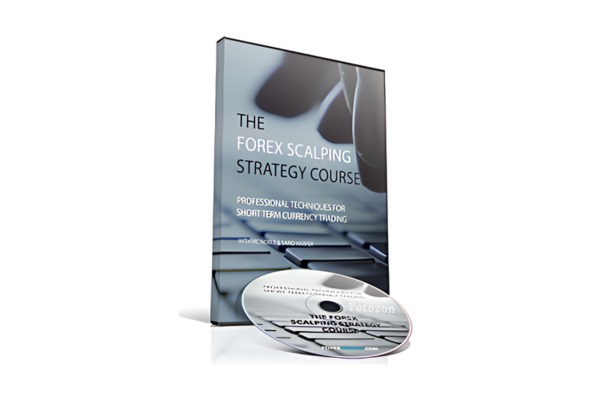 Forex Scalping Strategy Course with Vic Noble & Sarid Harper
1 × $6.00
Forex Scalping Strategy Course with Vic Noble & Sarid Harper
1 × $6.00 -
×
 Classic Trading Tactics Theory and Practice with Linda Raschke
1 × $13.00
Classic Trading Tactics Theory and Practice with Linda Raschke
1 × $13.00 -
×
 War Room Technicals Vol. 3 with Trick Trades
1 × $6.00
War Room Technicals Vol. 3 with Trick Trades
1 × $6.00 -
×
 Perfect Strategy - SPX Daily Options Income with Peter Titus - Marwood Research
1 × $15.00
Perfect Strategy - SPX Daily Options Income with Peter Titus - Marwood Research
1 × $15.00 -
×
 Mastering Intraday Trend Days with Corey Rosenbloom
1 × $6.00
Mastering Intraday Trend Days with Corey Rosenbloom
1 × $6.00 -
×
 Gann Simplified with Clif Droke
1 × $6.00
Gann Simplified with Clif Droke
1 × $6.00 -
×
 Trading NQ At The US Open with TradeSmart
1 × $10.00
Trading NQ At The US Open with TradeSmart
1 × $10.00 -
×
 Lee Gettess’s Package
1 × $6.00
Lee Gettess’s Package
1 × $6.00 -
×
 Pristine - Noble DraKoln – The Complete Liverpool Futures Seminar Series
1 × $6.00
Pristine - Noble DraKoln – The Complete Liverpool Futures Seminar Series
1 × $6.00 -
×
 Going Global 2015
1 × $6.00
Going Global 2015
1 × $6.00 -
×
 Stonhill Forex 201 Advanced Course
1 × $5.00
Stonhill Forex 201 Advanced Course
1 × $5.00 -
×
 Introduction To Market Turning Points Caused - The Demand & Supply Of Big Banks Institution - Golden Bridge Trading
1 × $6.00
Introduction To Market Turning Points Caused - The Demand & Supply Of Big Banks Institution - Golden Bridge Trading
1 × $6.00 -
×
 How To Successfully Trade The Haggerty 1,2,3 Strategy Home Study Trading Course with Kevin Haggerty
1 × $6.00
How To Successfully Trade The Haggerty 1,2,3 Strategy Home Study Trading Course with Kevin Haggerty
1 × $6.00 -
×
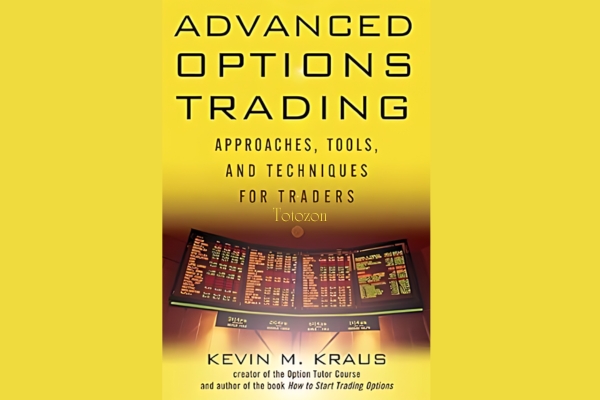 Advanced Options Trading: Approaches, Tools, and Techniques for Professionals Traders with Kevin Kraus
1 × $6.00
Advanced Options Trading: Approaches, Tools, and Techniques for Professionals Traders with Kevin Kraus
1 × $6.00 -
×
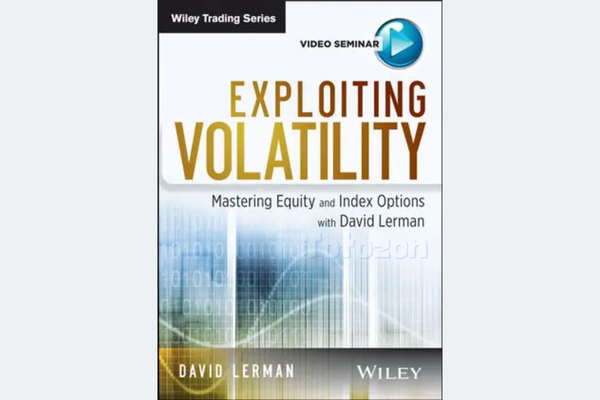 Exploiting Volatility: Mastering Equity and Index Options with David Lerman
1 × $6.00
Exploiting Volatility: Mastering Equity and Index Options with David Lerman
1 × $6.00 -
×
 How to Create & Manage a Mutal Fund or ETF with Melinda Gerber
1 × $6.00
How to Create & Manage a Mutal Fund or ETF with Melinda Gerber
1 × $6.00 -
×
 Essentials For Amibroker with Matt Radtke - Marwood Research
1 × $15.00
Essentials For Amibroker with Matt Radtke - Marwood Research
1 × $15.00 -
×
 The Stock Market Trading Secrets of the Late (1940, scaned)
1 × $6.00
The Stock Market Trading Secrets of the Late (1940, scaned)
1 × $6.00 -
×
 Secrets of Great Investors (Audio Book 471 MB) with Louis Rukeyser
1 × $6.00
Secrets of Great Investors (Audio Book 471 MB) with Louis Rukeyser
1 × $6.00 -
×
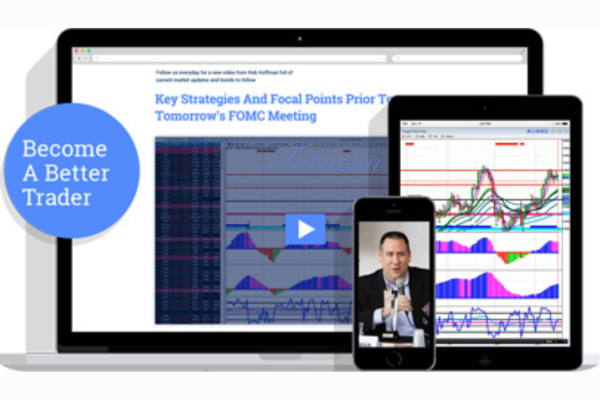 Rob’s 6 Day 21 Set-up Course with Rob Hoffman
1 × $85.00
Rob’s 6 Day 21 Set-up Course with Rob Hoffman
1 × $85.00 -
×
 Advanced Spread Trading with Guy Bower - MasterClass Trader
1 × $15.00
Advanced Spread Trading with Guy Bower - MasterClass Trader
1 × $15.00 -
×
 Building High-Performance Trading Systems. What Works & What Doesn’t with Nelson Freeburg
1 × $6.00
Building High-Performance Trading Systems. What Works & What Doesn’t with Nelson Freeburg
1 × $6.00 -
×
 Forex Master Levels with Nicola Delic
1 × $15.00
Forex Master Levels with Nicola Delic
1 × $15.00 -
×
 PDFT (Price Driven Forex Trading) Course with Avi Frister
1 × $6.00
PDFT (Price Driven Forex Trading) Course with Avi Frister
1 × $6.00 -
×
 Trendfans & Trendline Breaks with Albert Yang
1 × $6.00
Trendfans & Trendline Breaks with Albert Yang
1 × $6.00 -
×
 The 1st Leveraged ETF Trading Strategies Workshop
1 × $54.00
The 1st Leveraged ETF Trading Strategies Workshop
1 × $54.00 -
×
 All About Technical Analysis with Constance Brown
1 × $6.00
All About Technical Analysis with Constance Brown
1 × $6.00 -
×
 How to Find a Trading Strategy with Mike Baehr
1 × $124.00
How to Find a Trading Strategy with Mike Baehr
1 × $124.00 -
×
 Trading Decoded with Axia Futures
1 × $31.00
Trading Decoded with Axia Futures
1 × $31.00 -
×
 FX GOAT FOREX TRADING ACADEMY
1 × $8.00
FX GOAT FOREX TRADING ACADEMY
1 × $8.00 -
×
 Zeus Capital (ZCFX) Full Mentorship Course
1 × $13.00
Zeus Capital (ZCFX) Full Mentorship Course
1 × $13.00 -
×
 Trading Short TermSame Day Trades Sep 2023 with Dan Sheridan & Mark Fenton - Sheridan Options Mentoring
1 × $31.00
Trading Short TermSame Day Trades Sep 2023 with Dan Sheridan & Mark Fenton - Sheridan Options Mentoring
1 × $31.00 -
×
 Trading Freak Academy (Full Course) with JP - Trading Freak
1 × $5.00
Trading Freak Academy (Full Course) with JP - Trading Freak
1 × $5.00 -
×
 Julian Robertson: A Tiger in the Land of Bulls and Bears with Daniel Strachman
1 × $6.00
Julian Robertson: A Tiger in the Land of Bulls and Bears with Daniel Strachman
1 × $6.00 -
×
 WEBINAR series 5 – EXECUTION: A DETAILED PROCESS with FuturesTrader71
1 × $4.00
WEBINAR series 5 – EXECUTION: A DETAILED PROCESS with FuturesTrader71
1 × $4.00 -
×
 Market Fluidity
1 × $6.00
Market Fluidity
1 × $6.00 -
×
 Japanese Trading Systems with Tradesmart University
1 × $9.00
Japanese Trading Systems with Tradesmart University
1 × $9.00 -
×
 Intermediate Stock Course
1 × $54.00
Intermediate Stock Course
1 × $54.00 -
×
 Lazy Gap Trader Course with David Frost
1 × $6.00
Lazy Gap Trader Course with David Frost
1 × $6.00 -
×
 Option Insanity Strategy with PDS Trader
1 × $69.00
Option Insanity Strategy with PDS Trader
1 × $69.00 -
×
 We Fund Traders - The Whale Order
1 × $5.00
We Fund Traders - The Whale Order
1 × $5.00 -
×
 Futures Trading Secrets Home Study Course 2004 with Bill McCready
1 × $7.00
Futures Trading Secrets Home Study Course 2004 with Bill McCready
1 × $7.00 -
×
 A Comparison of Twelve Technical Trading Systems with Louis Lukac
1 × $6.00
A Comparison of Twelve Technical Trading Systems with Louis Lukac
1 × $6.00 -
×
 How To Trade Fundamental News Release 2022 with Patrick Muke
1 × $6.00
How To Trade Fundamental News Release 2022 with Patrick Muke
1 × $6.00 -
×
 Learn to Make Money Trading Options
1 × $6.00
Learn to Make Money Trading Options
1 × $6.00 -
×
 Altucher’s Top 1% Advisory Newsletter 2016 with James Altucher
1 × $6.00
Altucher’s Top 1% Advisory Newsletter 2016 with James Altucher
1 × $6.00 -
×
 Infectious Greed with John Nofsinger & Kenneth Kim
1 × $6.00
Infectious Greed with John Nofsinger & Kenneth Kim
1 × $6.00 -
×
 WondaFX Signature Strategy with WondaFX
1 × $5.00
WondaFX Signature Strategy with WondaFX
1 × $5.00 -
×
 The Naked Eye: Raw Data Analytics with Edgar Torres - Raw Data Analytics
1 × $8.00
The Naked Eye: Raw Data Analytics with Edgar Torres - Raw Data Analytics
1 × $8.00 -
×
 Mindful Trading e-Workbook with Traders State Of Mind
1 × $6.00
Mindful Trading e-Workbook with Traders State Of Mind
1 × $6.00 -
×
 AI For Traders with Trading Markets
1 × $31.00
AI For Traders with Trading Markets
1 × $31.00 -
×
 Crystal Ball Pack PLUS bonus Live Trade By Pat Mitchell - Trick Trades
1 × $20.00
Crystal Ball Pack PLUS bonus Live Trade By Pat Mitchell - Trick Trades
1 × $20.00

Inefficient Markets with Andrei Shleifer
$6.00
File Size: Cooming soon!
Delivery Time: 1–12 hours
Media Type: Online Course
Content Proof: Watch Here!
You may check content proof of “Inefficient Markets with Andrei Shleifer” below:

Inefficient Markets with Andrei Shleifer
Introduction to Inefficient Markets
The concept of market efficiency suggests that asset prices reflect all available information. However, Andrei Shleifer, a prominent economist, challenges this notion, arguing that markets can often be inefficient. This article delves into Shleifer’s insights on inefficient markets, exploring the causes, implications, and strategies for navigating them.
Understanding Market Efficiency
What is Market Efficiency?
Market efficiency, as defined by the Efficient Market Hypothesis (EMH), posits that asset prices fully reflect all available information. According to this theory, it is impossible to consistently achieve higher returns than the overall market through stock selection or market timing.
Degrees of Market Efficiency
- Weak Form Efficiency: All past trading information is reflected in stock prices.
- Semi-Strong Form Efficiency: All publicly available information is reflected in stock prices.
- Strong Form Efficiency: All information, including insider information, is reflected in stock prices.
Critique of Market Efficiency
Shleifer’s Perspective
Andrei Shleifer argues that markets are not always efficient. Behavioral biases, market frictions, and other anomalies can lead to price deviations from their true value.
Behavioral Finance
Shleifer’s work in behavioral finance highlights how psychological factors and cognitive biases influence investor behavior, leading to market inefficiencies.
Common Cognitive Biases
- Overconfidence: Investors overestimate their knowledge and abilities.
- Herd Behavior: Investors follow the crowd rather than making independent decisions.
- Loss Aversion: Investors fear losses more than they value gains, affecting their risk-taking behavior.
Causes of Market Inefficiency
1. Information Asymmetry
When some investors have access to information that others do not, it can lead to mispriced assets.
2. Limited Arbitrage
Arbitrage opportunities can correct mispricings, but when arbitrage is limited by risk, costs, or other factors, inefficiencies persist.
3. Transaction Costs
High transaction costs can prevent investors from exploiting arbitrage opportunities, allowing inefficiencies to remain.
4. Behavioral Factors
Investor psychology and behavior can cause prices to deviate from their fundamental values.
Implications of Inefficient Markets
Investment Opportunities
Inefficient markets can create opportunities for investors to achieve above-average returns by identifying mispriced assets.
Risk Management
Understanding market inefficiencies can help investors develop better risk management strategies by anticipating potential price corrections.
Market Stability
Inefficiencies can lead to market instability, as price corrections may occur suddenly, causing volatility.
Strategies for Navigating Inefficient Markets
1. Fundamental Analysis
Conducting thorough fundamental analysis can help identify mispriced assets and provide investment opportunities.
2. Behavioral Analysis
Incorporating behavioral analysis into investment strategies can help anticipate market movements driven by investor psychology.
3. Diversification
Diversifying investments across different asset classes and markets can help mitigate the risks associated with market inefficiencies.
4. Risk Management
Implementing robust risk management practices, such as stop-loss orders and position sizing, can protect against potential market corrections.
Case Studies in Market Inefficiency
Dot-Com Bubble
The late 1990s dot-com bubble exemplifies market inefficiency, where investor exuberance drove technology stock prices to unsustainable levels, followed by a sharp correction.
2008 Financial Crisis
The 2008 financial crisis highlighted inefficiencies in the housing market and financial sector, driven by poor risk management and information asymmetry.
Future of Market Efficiency
Technological Advances
Advancements in technology and data analytics may help reduce market inefficiencies by improving information dissemination and analysis.
Regulatory Changes
Regulatory changes aimed at increasing transparency and reducing information asymmetry can enhance market efficiency.
Behavioral Insights
Incorporating behavioral insights into economic models and investment strategies can provide a more comprehensive understanding of market dynamics.
Conclusion
Understanding the principles of inefficient markets as explained by Andrei Shleifer can significantly enhance investment strategies. By recognizing the causes and implications of market inefficiencies, investors can better navigate the financial markets and capitalize on opportunities. Embrace these insights, apply them diligently, and refine your approach to achieve better investment outcomes.
Frequently Asked Questions:
What are inefficient markets?
Inefficient markets are markets where asset prices do not fully reflect all available information, leading to mispricings.
Who is Andrei Shleifer?
Andrei Shleifer is a prominent economist known for his work in behavioral finance and market inefficiencies.
What causes market inefficiencies?
Market inefficiencies can be caused by information asymmetry, limited arbitrage, transaction costs, and behavioral factors.
How can investors benefit from market inefficiencies?
Investors can benefit by identifying mispriced assets through fundamental and behavioral analysis and implementing robust risk management strategies.
What are the implications of market inefficiencies?
Market inefficiencies can create investment opportunities, but they can also lead to increased risk and market instability.
Be the first to review “Inefficient Markets with Andrei Shleifer”
You must be logged in to post a review.
Related products

Original price was: $299.00.$8.00Current price is: $8.00.
Original price was: $649.00.$20.00Current price is: $20.00.

Original price was: $497.00.$31.00Current price is: $31.00.

Forex Trading
Original price was: $850.00.$23.00Current price is: $23.00.
Forex Trading
Original price was: $1,898.00.$10.00Current price is: $10.00.

Forex Trading
Original price was: $249.00.$15.00Current price is: $15.00.

Forex Trading
Original price was: $2,000.00.$23.00Current price is: $23.00.

Forex Trading
Original price was: $1,098.00.$39.00Current price is: $39.00.

Forex Trading
Original price was: $697.00.$5.00Current price is: $5.00.

Forex Trading
Original price was: $500.00.$5.00Current price is: $5.00.

Original price was: $310.00.$23.00Current price is: $23.00.

Forex Trading
Original price was: $797.00.$10.00Current price is: $10.00.

Forex Trading
Original price was: $2,997.00.$23.00Current price is: $23.00.

Original price was: $997.00.$13.00Current price is: $13.00.

Original price was: $2,120.00.$15.00Current price is: $15.00.

Original price was: $4,995.00.$15.00Current price is: $15.00.

Original price was: $799.00.$15.00Current price is: $15.00.

Original price was: $1,849.00.$15.00Current price is: $15.00.

Original price was: $700.00.$39.00Current price is: $39.00.
Original price was: $997.00.$8.00Current price is: $8.00.

Reviews
There are no reviews yet.