
-
×
 New Foundations for Auction Market Trading Course with Tom Alexander
1 × $54.00
New Foundations for Auction Market Trading Course with Tom Alexander
1 × $54.00 -
×
 Unsorted Articles about the Psychology of Trading with Brett N.Steenbarger
1 × $6.00
Unsorted Articles about the Psychology of Trading with Brett N.Steenbarger
1 × $6.00 -
×
 Bond Trading Success
1 × $6.00
Bond Trading Success
1 × $6.00 -
×
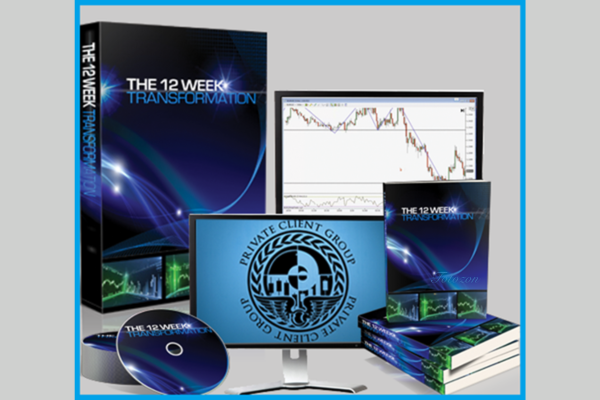 The Complete 12 Week Transformation Course
1 × $31.00
The Complete 12 Week Transformation Course
1 × $31.00 -
×
 Investing Guide For New Investor with Alfred Scillitani
1 × $6.00
Investing Guide For New Investor with Alfred Scillitani
1 × $6.00 -
×
 Contrarian Trading Class with Jeff Bierman
1 × $6.00
Contrarian Trading Class with Jeff Bierman
1 × $6.00 -
×
 The Ticker Investment Digest Articles
1 × $6.00
The Ticker Investment Digest Articles
1 × $6.00 -
×
 Investing in the stock market
1 × $6.00
Investing in the stock market
1 × $6.00 -
×
 Options Made Easy: Learn to Trade Stock Options
1 × $6.00
Options Made Easy: Learn to Trade Stock Options
1 × $6.00 -
×
 Learn To Trade Markets with Karl Richards
1 × $6.00
Learn To Trade Markets with Karl Richards
1 × $6.00 -
×
 Technical Analysis By JC Parets - Investopedia Academy
1 × $15.00
Technical Analysis By JC Parets - Investopedia Academy
1 × $15.00 -
×
 Marder Videos Reports 2019-2022 with Kevin Marder
1 × $104.00
Marder Videos Reports 2019-2022 with Kevin Marder
1 × $104.00 -
×
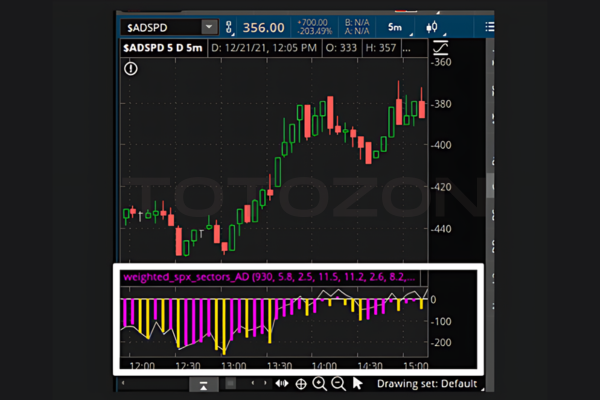 ShadowTrader Weighted S&P Advance Decline Line thinkScript with Peter Reznicek - ShadowTrader
1 × $23.00
ShadowTrader Weighted S&P Advance Decline Line thinkScript with Peter Reznicek - ShadowTrader
1 × $23.00 -
×
 Orderflows Gems 2-Private Sessions with Mike Valtos
1 × $20.00
Orderflows Gems 2-Private Sessions with Mike Valtos
1 × $20.00 -
×
 A Non-Random Walk Down Wall Street with Andrew W.Lo
1 × $6.00
A Non-Random Walk Down Wall Street with Andrew W.Lo
1 × $6.00 -
×
 Market Tide indicator with Alphashark
1 × $54.00
Market Tide indicator with Alphashark
1 × $54.00 -
×
 RROP Course 2023
1 × $5.00
RROP Course 2023
1 × $5.00 -
×
 FOREX MASTER TRADING COURSE with BKFOREX
1 × $5.00
FOREX MASTER TRADING COURSE with BKFOREX
1 × $5.00 -
×
 Trading Online
1 × $6.00
Trading Online
1 × $6.00 -
×
 Millionaire Playbook with Jeremy Lefebvre
1 × $62.00
Millionaire Playbook with Jeremy Lefebvre
1 × $62.00 -
×
 Golden Pips Generator - DMA HACK with Hooman
1 × $62.00
Golden Pips Generator - DMA HACK with Hooman
1 × $62.00 -
×
 Futures Day Trading And Order Flow Course with Trade Pro Academy
1 × $15.00
Futures Day Trading And Order Flow Course with Trade Pro Academy
1 × $15.00 -
×
 Flex EA Correlated Hedge V1.02
1 × $6.00
Flex EA Correlated Hedge V1.02
1 × $6.00 -
×
 Forex Master Method Evolution with Russ Horn
1 × $6.00
Forex Master Method Evolution with Russ Horn
1 × $6.00 -
×
 LARGE CAP MOMENTUM STRATEGY with Nick Radge
1 × $179.00
LARGE CAP MOMENTUM STRATEGY with Nick Radge
1 × $179.00 -
×
 Forex Trading with Ed Ponsi
1 × $6.00
Forex Trading with Ed Ponsi
1 × $6.00 -
×
 Affinity Foundation Stocks Course with Affinitytrading
1 × $6.00
Affinity Foundation Stocks Course with Affinitytrading
1 × $6.00 -
×
 Forex Secrets Exposed
1 × $15.00
Forex Secrets Exposed
1 × $15.00 -
×
 Blank Check Trade
1 × $31.00
Blank Check Trade
1 × $31.00 -
×
 The Binary Trigger (Video, Books) with John Piper
1 × $6.00
The Binary Trigger (Video, Books) with John Piper
1 × $6.00 -
×
 CM APR (A Pivot Reverse) Trade Method with Austin Passamonte
1 × $6.00
CM APR (A Pivot Reverse) Trade Method with Austin Passamonte
1 × $6.00 -
×
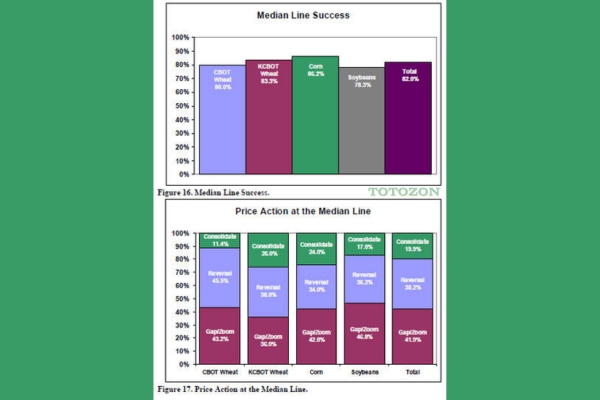 Using Median Lines as a Trading Tool with Greg Fisher
1 × $6.00
Using Median Lines as a Trading Tool with Greg Fisher
1 × $6.00 -
×
 Patterns to Profits with Ryan Mallory - Share Planner
1 × $6.00
Patterns to Profits with Ryan Mallory - Share Planner
1 × $6.00 -
×
 The Psychology of Investing with John Nofsinger
1 × $6.00
The Psychology of Investing with John Nofsinger
1 × $6.00 -
×
 Simple Methods for Detecting Buying and Selling Points in Securities with James Liveright
1 × $6.00
Simple Methods for Detecting Buying and Selling Points in Securities with James Liveright
1 × $6.00 -
×
 Bubbleology: The New Science of Stock Market Winners and Losers with Kevin Hassett
1 × $6.00
Bubbleology: The New Science of Stock Market Winners and Losers with Kevin Hassett
1 × $6.00 -
×
 VWAP Trading course with Trade With Trend
1 × $6.00
VWAP Trading course with Trade With Trend
1 × $6.00 -
×
 Floor Trader Tools 8.2 with Roy Kelly
1 × $6.00
Floor Trader Tools 8.2 with Roy Kelly
1 × $6.00 -
×
 Full Members Area (Icludes 2006 Seminar & Webinars) with Tom Yeomans
1 × $6.00
Full Members Area (Icludes 2006 Seminar & Webinars) with Tom Yeomans
1 × $6.00 -
×
 WD Gann’s Master Time Factor DVD With Miles Wilson Walker
1 × $6.00
WD Gann’s Master Time Factor DVD With Miles Wilson Walker
1 × $6.00 -
×
 Arjoio’s MMT - Essential Package
1 × $5.00
Arjoio’s MMT - Essential Package
1 × $5.00 -
×
 Future DayTrading (German)
1 × $6.00
Future DayTrading (German)
1 × $6.00 -
×
 ETF Trading Strategies Revealed with David Vomund
1 × $6.00
ETF Trading Strategies Revealed with David Vomund
1 × $6.00 -
×
 Fierce 10 with Mandi Rafsendjani
1 × $5.00
Fierce 10 with Mandi Rafsendjani
1 × $5.00 -
×
 John Bollinger on Bollinger Bands
1 × $6.00
John Bollinger on Bollinger Bands
1 × $6.00 -
×
 Secrets of a Winning Trader with Gareth Soloway
1 × $871.00
Secrets of a Winning Trader with Gareth Soloway
1 × $871.00 -
×
![ACD Method [Video (6 MP4s)] with Mark Fisher](https://www.totozon.com/wp-content/uploads/2024/05/ACD-Method-Video-6-MP4s-with-Mark-Fisher.jpg) ACD Method [Video (6 MP4s)] with Mark Fisher
1 × $6.00
ACD Method [Video (6 MP4s)] with Mark Fisher
1 × $6.00 -
×
 The Market Matrix
1 × $6.00
The Market Matrix
1 × $6.00 -
×
 Momentum Signals Training Course with Fulcum Trader
1 × $5.00
Momentum Signals Training Course with Fulcum Trader
1 × $5.00 -
×
 The Trading Blueprint with Brad Goh - The Trading Geek
1 × $5.00
The Trading Blueprint with Brad Goh - The Trading Geek
1 × $5.00 -
×
 Evolutionary Decision Trees for Stock Index Options and Futures Arbitrage by S.Markose, E.Tsang,H.Er
1 × $6.00
Evolutionary Decision Trees for Stock Index Options and Futures Arbitrage by S.Markose, E.Tsang,H.Er
1 × $6.00 -
×
 Boomer Quick Profits Day Trading Course
1 × $23.00
Boomer Quick Profits Day Trading Course
1 × $23.00 -
×
 Quarterly Theory with Trader Daye
1 × $20.00
Quarterly Theory with Trader Daye
1 × $20.00 -
×
 A New Look at Exit Strategies with Charles LeBeau
1 × $6.00
A New Look at Exit Strategies with Charles LeBeau
1 × $6.00 -
×
 Imperial FX Academy
1 × $5.00
Imperial FX Academy
1 × $5.00 -
×
 Self-Destructing Trader with Ryan Jonesc
1 × $6.00
Self-Destructing Trader with Ryan Jonesc
1 × $6.00 -
×
 Pristine - Noble DraKoln – The Complete Liverpool Futures Seminar Series
1 × $6.00
Pristine - Noble DraKoln – The Complete Liverpool Futures Seminar Series
1 × $6.00 -
×
 ACB Forex Trading Suite with ACB Forex Trading Solutions
1 × $6.00
ACB Forex Trading Suite with ACB Forex Trading Solutions
1 × $6.00 -
×
 Advanced Strategies in Forex Trading with Don Schellenberg
1 × $6.00
Advanced Strategies in Forex Trading with Don Schellenberg
1 × $6.00 -
×
 Optionpit - Mastering Iron Condors and Butterflies
1 × $15.00
Optionpit - Mastering Iron Condors and Butterflies
1 × $15.00 -
×
 The Orderflows Trade Opportunities Encyclopedia with Michael Valtos
1 × $8.00
The Orderflows Trade Opportunities Encyclopedia with Michael Valtos
1 × $8.00 -
×
 Trading Price Action Trading Ranges (Kindle) with Al Brooks
1 × $6.00
Trading Price Action Trading Ranges (Kindle) with Al Brooks
1 × $6.00 -
×
 Activedaytrader - Mastering Technicals
1 × $15.00
Activedaytrader - Mastering Technicals
1 × $15.00 -
×
 A-Z Course with InvestiTrade Academy
1 × $5.00
A-Z Course with InvestiTrade Academy
1 × $5.00 -
×
 Trading Mindset, and Three Steps To Profitable Trading with Bruce Banks
1 × $6.00
Trading Mindset, and Three Steps To Profitable Trading with Bruce Banks
1 × $6.00 -
×
 Neural Networks in Trading with Dr. Ernest P. Chan
1 × $31.00
Neural Networks in Trading with Dr. Ernest P. Chan
1 × $31.00 -
×
 Scalp Strategy and Flipping Small Accounts with Opes Trading Group
1 × $5.00
Scalp Strategy and Flipping Small Accounts with Opes Trading Group
1 × $5.00 -
×
 The Traders Battle Plan
1 × $6.00
The Traders Battle Plan
1 × $6.00 -
×
 The Bond Book (2nd Ed.) with Annette Thau
1 × $6.00
The Bond Book (2nd Ed.) with Annette Thau
1 × $6.00 -
×
 Patterns of Speculation with Bertrand M.Roehner
1 × $6.00
Patterns of Speculation with Bertrand M.Roehner
1 × $6.00 -
×
 Put Option Strategies for Smarter Trading with Michael Thomsett
1 × $6.00
Put Option Strategies for Smarter Trading with Michael Thomsett
1 × $6.00 -
×
 Advances in International Investments: Traditional and Alternative Approaches with Hung-Gay Fung, Xiaoqing Eleanor Xu & Jot Yau
1 × $6.00
Advances in International Investments: Traditional and Alternative Approaches with Hung-Gay Fung, Xiaoqing Eleanor Xu & Jot Yau
1 × $6.00 -
×
 Forex Trading for Newbies Complete Course with Chuck Low
1 × $6.00
Forex Trading for Newbies Complete Course with Chuck Low
1 × $6.00 -
×
 Proven Swing Trading Strat & Multiple Time Frame Analysis - Robert Krausz & Thom Hartle
1 × $6.00
Proven Swing Trading Strat & Multiple Time Frame Analysis - Robert Krausz & Thom Hartle
1 × $6.00 -
×
 Most Woke Trading Methods with Hunter FX
1 × $5.00
Most Woke Trading Methods with Hunter FX
1 × $5.00 -
×
 Seven Trading Systems for The S&P Futures with David Bean
1 × $6.00
Seven Trading Systems for The S&P Futures with David Bean
1 × $6.00 -
×
 Lepus Proprietary Trading with Richard Jackson
1 × $6.00
Lepus Proprietary Trading with Richard Jackson
1 × $6.00 -
×
 Advanced Spread Trading with Guy Bower - MasterClass Trader
1 × $15.00
Advanced Spread Trading with Guy Bower - MasterClass Trader
1 × $15.00 -
×
 The Orderflow Masterclass with PrimeTrading
1 × $17.00
The Orderflow Masterclass with PrimeTrading
1 × $17.00 -
×
 Home Run Options Trading Course with Dave Aquino - Base Camp Trading
1 × $11.00
Home Run Options Trading Course with Dave Aquino - Base Camp Trading
1 × $11.00 -
×
 The Handbook of Equity Style Management (3rd Ed) with Daniel Coggin & Frank Fabozzi
1 × $6.00
The Handbook of Equity Style Management (3rd Ed) with Daniel Coggin & Frank Fabozzi
1 × $6.00 -
×
 The Trading Vault with Anne-Marie Baiynd
1 × $54.00
The Trading Vault with Anne-Marie Baiynd
1 × $54.00 -
×
 Future Energy with Bill Paul
1 × $6.00
Future Energy with Bill Paul
1 × $6.00 -
×
 Targeting Profitable Entry & Exit Points with Alan Farley
1 × $6.00
Targeting Profitable Entry & Exit Points with Alan Farley
1 × $6.00 -
×
 Professional Sniper FX
1 × $6.00
Professional Sniper FX
1 × $6.00 -
×
 Onyx Platinum Trading Accelerator 2.0 with Nick Deflorio
1 × $6.00
Onyx Platinum Trading Accelerator 2.0 with Nick Deflorio
1 × $6.00 -
×
 0 DTE Options Trading Workshop with Aeromir Corporation
1 × $15.00
0 DTE Options Trading Workshop with Aeromir Corporation
1 × $15.00

Inefficient Markets with Andrei Shleifer
$6.00
File Size: Cooming soon!
Delivery Time: 1–12 hours
Media Type: Online Course
Content Proof: Watch Here!
You may check content proof of “Inefficient Markets with Andrei Shleifer” below:

Inefficient Markets with Andrei Shleifer
Introduction to Inefficient Markets
The concept of market efficiency suggests that asset prices reflect all available information. However, Andrei Shleifer, a prominent economist, challenges this notion, arguing that markets can often be inefficient. This article delves into Shleifer’s insights on inefficient markets, exploring the causes, implications, and strategies for navigating them.
Understanding Market Efficiency
What is Market Efficiency?
Market efficiency, as defined by the Efficient Market Hypothesis (EMH), posits that asset prices fully reflect all available information. According to this theory, it is impossible to consistently achieve higher returns than the overall market through stock selection or market timing.
Degrees of Market Efficiency
- Weak Form Efficiency: All past trading information is reflected in stock prices.
- Semi-Strong Form Efficiency: All publicly available information is reflected in stock prices.
- Strong Form Efficiency: All information, including insider information, is reflected in stock prices.
Critique of Market Efficiency
Shleifer’s Perspective
Andrei Shleifer argues that markets are not always efficient. Behavioral biases, market frictions, and other anomalies can lead to price deviations from their true value.
Behavioral Finance
Shleifer’s work in behavioral finance highlights how psychological factors and cognitive biases influence investor behavior, leading to market inefficiencies.
Common Cognitive Biases
- Overconfidence: Investors overestimate their knowledge and abilities.
- Herd Behavior: Investors follow the crowd rather than making independent decisions.
- Loss Aversion: Investors fear losses more than they value gains, affecting their risk-taking behavior.
Causes of Market Inefficiency
1. Information Asymmetry
When some investors have access to information that others do not, it can lead to mispriced assets.
2. Limited Arbitrage
Arbitrage opportunities can correct mispricings, but when arbitrage is limited by risk, costs, or other factors, inefficiencies persist.
3. Transaction Costs
High transaction costs can prevent investors from exploiting arbitrage opportunities, allowing inefficiencies to remain.
4. Behavioral Factors
Investor psychology and behavior can cause prices to deviate from their fundamental values.
Implications of Inefficient Markets
Investment Opportunities
Inefficient markets can create opportunities for investors to achieve above-average returns by identifying mispriced assets.
Risk Management
Understanding market inefficiencies can help investors develop better risk management strategies by anticipating potential price corrections.
Market Stability
Inefficiencies can lead to market instability, as price corrections may occur suddenly, causing volatility.
Strategies for Navigating Inefficient Markets
1. Fundamental Analysis
Conducting thorough fundamental analysis can help identify mispriced assets and provide investment opportunities.
2. Behavioral Analysis
Incorporating behavioral analysis into investment strategies can help anticipate market movements driven by investor psychology.
3. Diversification
Diversifying investments across different asset classes and markets can help mitigate the risks associated with market inefficiencies.
4. Risk Management
Implementing robust risk management practices, such as stop-loss orders and position sizing, can protect against potential market corrections.
Case Studies in Market Inefficiency
Dot-Com Bubble
The late 1990s dot-com bubble exemplifies market inefficiency, where investor exuberance drove technology stock prices to unsustainable levels, followed by a sharp correction.
2008 Financial Crisis
The 2008 financial crisis highlighted inefficiencies in the housing market and financial sector, driven by poor risk management and information asymmetry.
Future of Market Efficiency
Technological Advances
Advancements in technology and data analytics may help reduce market inefficiencies by improving information dissemination and analysis.
Regulatory Changes
Regulatory changes aimed at increasing transparency and reducing information asymmetry can enhance market efficiency.
Behavioral Insights
Incorporating behavioral insights into economic models and investment strategies can provide a more comprehensive understanding of market dynamics.
Conclusion
Understanding the principles of inefficient markets as explained by Andrei Shleifer can significantly enhance investment strategies. By recognizing the causes and implications of market inefficiencies, investors can better navigate the financial markets and capitalize on opportunities. Embrace these insights, apply them diligently, and refine your approach to achieve better investment outcomes.
Frequently Asked Questions:
What are inefficient markets?
Inefficient markets are markets where asset prices do not fully reflect all available information, leading to mispricings.
Who is Andrei Shleifer?
Andrei Shleifer is a prominent economist known for his work in behavioral finance and market inefficiencies.
What causes market inefficiencies?
Market inefficiencies can be caused by information asymmetry, limited arbitrage, transaction costs, and behavioral factors.
How can investors benefit from market inefficiencies?
Investors can benefit by identifying mispriced assets through fundamental and behavioral analysis and implementing robust risk management strategies.
What are the implications of market inefficiencies?
Market inefficiencies can create investment opportunities, but they can also lead to increased risk and market instability.
Be the first to review “Inefficient Markets with Andrei Shleifer”
You must be logged in to post a review.
Related products

Forex Trading
Original price was: $2,000.00.$23.00Current price is: $23.00.

Original price was: $1,800.00.$54.00Current price is: $54.00.
Original price was: $497.00.$11.00Current price is: $11.00.

Forex Trading
Original price was: $2,995.00.$31.00Current price is: $31.00.

Forex Trading
Original price was: $4,997.00.$27.00Current price is: $27.00.

Forex Trading
Original price was: $1,098.00.$39.00Current price is: $39.00.

Forex Trading
Original price was: $799.00.$15.00Current price is: $15.00.

Forex Trading
Original price was: $500.00.$5.00Current price is: $5.00.
Original price was: $895.00.$15.00Current price is: $15.00.

Original price was: $1,200.00.$23.00Current price is: $23.00.

Forex Trading
Original price was: $499.00.$15.00Current price is: $15.00.

Original price was: $4,995.00.$15.00Current price is: $15.00.

Forex Trading
Original price was: $797.00.$10.00Current price is: $10.00.
Forex Trading
Original price was: $125.00.$17.00Current price is: $17.00.

Forex Trading
Original price was: $239.00.$8.00Current price is: $8.00.

Original price was: $139.00.$23.00Current price is: $23.00.

Forex Trading
Original price was: $1,898.00.$10.00Current price is: $10.00.

Forex Trading
Quantamentals – The Next Great Forefront Of Trading and Investing with Trading Markets
Original price was: $1,495.00.$8.00Current price is: $8.00.

Original price was: $1,849.00.$15.00Current price is: $15.00.

Original price was: $450.00.$23.00Current price is: $23.00.

Reviews
There are no reviews yet.