
-
×
 HYDRA 3 Day Bootcamp
1 × $5.00
HYDRA 3 Day Bootcamp
1 × $5.00 -
×
 Short Skirt Trading, the Most Bang for the Buck with Linda Raschke
1 × $6.00
Short Skirt Trading, the Most Bang for the Buck with Linda Raschke
1 × $6.00 -
×
 Quantitative Technical Analysis: An integrated approach to trading system development and trading management
1 × $6.00
Quantitative Technical Analysis: An integrated approach to trading system development and trading management
1 × $6.00 -
×
 Trading Mindset, and Three Steps To Profitable Trading with Bruce Banks
1 × $6.00
Trading Mindset, and Three Steps To Profitable Trading with Bruce Banks
1 × $6.00 -
×
 The New Goldrush Of 2021 with Keith Dougherty
1 × $46.00
The New Goldrush Of 2021 with Keith Dougherty
1 × $46.00 -
×
 Advanced Trading Course with John Person
1 × $6.00
Advanced Trading Course with John Person
1 × $6.00 -
×
 Compound Stock Earnings Advanced Charting (Video 1.19 GB)
1 × $15.00
Compound Stock Earnings Advanced Charting (Video 1.19 GB)
1 × $15.00 -
×
 Fx Engine Trading Course with Adeh Mirzakhani
1 × $6.00
Fx Engine Trading Course with Adeh Mirzakhani
1 × $6.00 -
×
 Timing Techniques for Commodity Futures Markets with Colin Alexander
1 × $6.00
Timing Techniques for Commodity Futures Markets with Colin Alexander
1 × $6.00 -
×
 Objective Evaluation of Indicators with Constance Brown
1 × $6.00
Objective Evaluation of Indicators with Constance Brown
1 × $6.00 -
×
 The Compleat Day Trader with Jake Bernstein
1 × $6.00
The Compleat Day Trader with Jake Bernstein
1 × $6.00 -
×
 Definitive Guide to Order Execution Class with Don Kaufman
1 × $6.00
Definitive Guide to Order Execution Class with Don Kaufman
1 × $6.00 -
×
 Order Flow Mastery Course with OrderFlowForex
1 × $6.00
Order Flow Mastery Course with OrderFlowForex
1 × $6.00 -
×
 Tradingmarkets - Introduction to AmiBroker Programming
1 × $15.00
Tradingmarkets - Introduction to AmiBroker Programming
1 × $15.00 -
×
 Advanced Daytrading Seminar with Ken Calhoun
1 × $155.00
Advanced Daytrading Seminar with Ken Calhoun
1 × $155.00 -
×
 The Hidden Order Within Stock Prices with Clay Allen
1 × $6.00
The Hidden Order Within Stock Prices with Clay Allen
1 × $6.00 -
×
 Coulda, woulda, shoulda with Charles Cottle
1 × $6.00
Coulda, woulda, shoulda with Charles Cottle
1 × $6.00 -
×
 Forex Breakthrough Academy
1 × $31.00
Forex Breakthrough Academy
1 × $31.00 -
×
 Stock Market Winners with Maria Crawford Scott, John Bajkowski
1 × $6.00
Stock Market Winners with Maria Crawford Scott, John Bajkowski
1 × $6.00 -
×
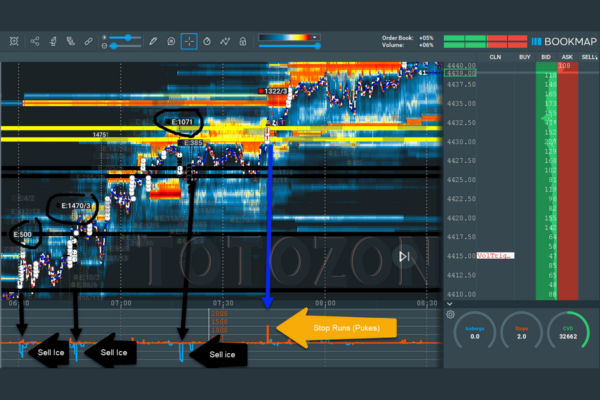 SI Indicator Course 2023 with Scott Pulcini
1 × $15.00
SI Indicator Course 2023 with Scott Pulcini
1 × $15.00 -
×
 Algo Trading Masterclass with Ali Casey - StatOasis
1 × $23.00
Algo Trading Masterclass with Ali Casey - StatOasis
1 × $23.00 -
×
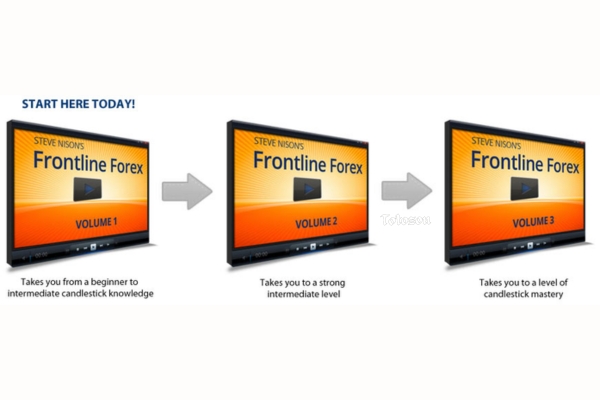 Frontline Forex Vol 1-3 with Steve Nison - Candle Charts
1 × $54.00
Frontline Forex Vol 1-3 with Steve Nison - Candle Charts
1 × $54.00 -
×
 YouAreTheIndicator Online Course 1.0
1 × $6.00
YouAreTheIndicator Online Course 1.0
1 × $6.00 -
×
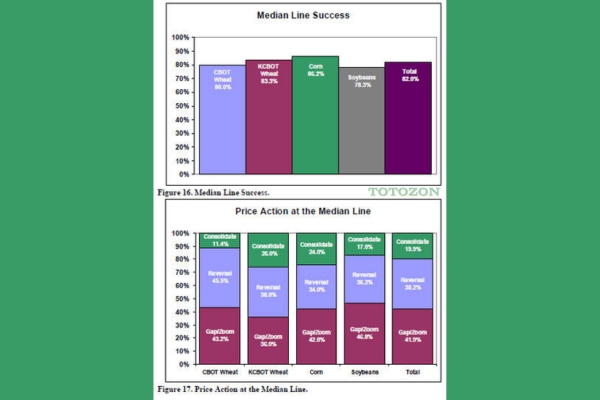 Using Median Lines as a Trading Tool with Greg Fisher
1 × $6.00
Using Median Lines as a Trading Tool with Greg Fisher
1 × $6.00 -
×
 Introduction to Macro Investing with Mike Singleton
1 × $31.00
Introduction to Macro Investing with Mike Singleton
1 × $31.00 -
×
 Empirical Market Microstructure
1 × $6.00
Empirical Market Microstructure
1 × $6.00 -
×
 Trader BO Divergence System with Aleg A.Bot
1 × $6.00
Trader BO Divergence System with Aleg A.Bot
1 × $6.00 -
×
 Mindful Trading e-Workbook with Traders State Of Mind
1 × $6.00
Mindful Trading e-Workbook with Traders State Of Mind
1 × $6.00 -
×
 Common Sense on Mutual Funds: Fully Updated 10th Anniversary Edition with John Bogle
1 × $6.00
Common Sense on Mutual Funds: Fully Updated 10th Anniversary Edition with John Bogle
1 × $6.00 -
×
 Artificial Neural Networks Technology with Dave Anderson, George McNeill
1 × $6.00
Artificial Neural Networks Technology with Dave Anderson, George McNeill
1 × $6.00 -
×
 Trading Power Tools with Ryan Litchfield
1 × $6.00
Trading Power Tools with Ryan Litchfield
1 × $6.00 -
×
 The Great Divergence: China, Europe, and the Making of the Modern World Economy with Kenneth Pomeranz
1 × $6.00
The Great Divergence: China, Europe, and the Making of the Modern World Economy with Kenneth Pomeranz
1 × $6.00 -
×
 Deep Reinforcement Learning in Trading with Dr. Thomas Starke
1 × $62.00
Deep Reinforcement Learning in Trading with Dr. Thomas Starke
1 × $62.00 -
×
 TRADING NFX Course with Andrew NFX
1 × $5.00
TRADING NFX Course with Andrew NFX
1 × $5.00 -
×
 Quantifiable Edges VIX Trading Course with Amibroker Code - Quantifiable Edges
1 × $15.00
Quantifiable Edges VIX Trading Course with Amibroker Code - Quantifiable Edges
1 × $15.00 -
×
 A Convicted Stock Manipulators Guide to Investing with Marino Specogna
1 × $6.00
A Convicted Stock Manipulators Guide to Investing with Marino Specogna
1 × $6.00 -
×
 VectorVest - Options Course - 4 CD Course + PDF Workbook
1 × $6.00
VectorVest - Options Course - 4 CD Course + PDF Workbook
1 × $6.00 -
×
 6 Dynamic Trader Real Time and End Of Day
1 × $39.00
6 Dynamic Trader Real Time and End Of Day
1 × $39.00 -
×
 Forex Libra Code Software
1 × $31.00
Forex Libra Code Software
1 × $31.00 -
×
 SWING TRADING WITH CONFIDENCE
1 × $31.00
SWING TRADING WITH CONFIDENCE
1 × $31.00 -
×
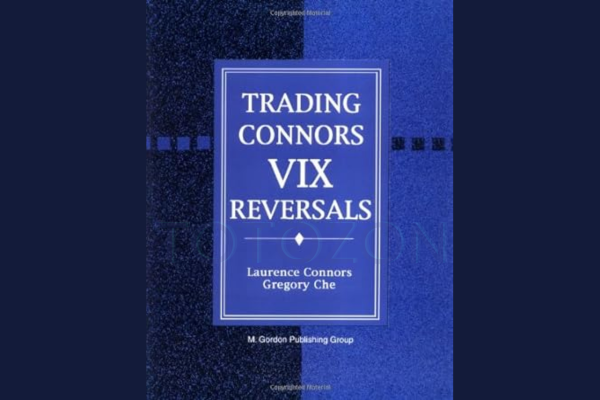 Trading Connors VIX Reversals Tradestation Files with Laurence A. Connors & Gregory J. Che
1 × $6.00
Trading Connors VIX Reversals Tradestation Files with Laurence A. Connors & Gregory J. Che
1 × $6.00 -
×
 Crystal Ball Pack PLUS bonus Live Trade By Pat Mitchell - Trick Trades
1 × $20.00
Crystal Ball Pack PLUS bonus Live Trade By Pat Mitchell - Trick Trades
1 × $20.00 -
×
 Inside the Mind of Trader Stewie - Art of Trading
1 × $23.00
Inside the Mind of Trader Stewie - Art of Trading
1 × $23.00 -
×
 Strategic Swing Trader with Sami Abusaad
1 × $6.00
Strategic Swing Trader with Sami Abusaad
1 × $6.00 -
×
 Technical Analysis 201: From Chart Setups to Trading Execution Methodology Class with Jeff Bierman
1 × $6.00
Technical Analysis 201: From Chart Setups to Trading Execution Methodology Class with Jeff Bierman
1 × $6.00 -
×
 Note Buying Blueprint with Scott Carson - We Close Notes
1 × $6.00
Note Buying Blueprint with Scott Carson - We Close Notes
1 × $6.00 -
×
 Exclusive Footprint and Market Profile with Adam Set
1 × $5.00
Exclusive Footprint and Market Profile with Adam Set
1 × $5.00 -
×
 Jtrader - A+ Setups Small Caps
1 × $23.00
Jtrader - A+ Setups Small Caps
1 × $23.00 -
×
 How to Spot Trading Opportunities
1 × $6.00
How to Spot Trading Opportunities
1 × $6.00 -
×
 High Probability Continuation and Reversal Patterns
1 × $23.00
High Probability Continuation and Reversal Patterns
1 × $23.00 -
×
 You AreThe Indicator Online Course
1 × $31.00
You AreThe Indicator Online Course
1 × $31.00 -
×
 Investments (6th Ed.)
1 × $6.00
Investments (6th Ed.)
1 × $6.00 -
×
 Market Evolution
1 × $6.00
Market Evolution
1 × $6.00 -
×
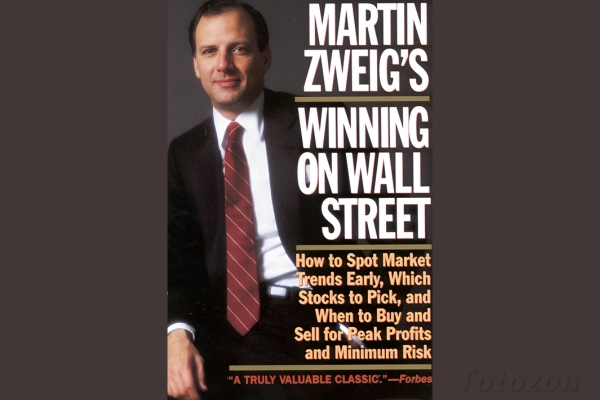 Winning on Wall Street (Updated & Revised Ed.) with Martin Zweig
1 × $6.00
Winning on Wall Street (Updated & Revised Ed.) with Martin Zweig
1 × $6.00 -
×
 Options Professional Online Webinar (2010-01 – 2010-02) with J.L.Lord
1 × $6.00
Options Professional Online Webinar (2010-01 – 2010-02) with J.L.Lord
1 × $6.00 -
×
 The Alvarez Factor
1 × $23.00
The Alvarez Factor
1 × $23.00 -
×
 Galactic Trader Seminar
1 × $15.00
Galactic Trader Seminar
1 × $15.00 -
×
 Edge Trading Group with Edge Elite
1 × $6.00
Edge Trading Group with Edge Elite
1 × $6.00 -
×
 The Prop Trading Code with Brannigan Barrett - Axia Futures
1 × $23.00
The Prop Trading Code with Brannigan Barrett - Axia Futures
1 × $23.00

Inefficient Markets with Andrei Shleifer
$6.00
File Size: Cooming soon!
Delivery Time: 1–12 hours
Media Type: Online Course
Content Proof: Watch Here!
You may check content proof of “Inefficient Markets with Andrei Shleifer” below:

Inefficient Markets with Andrei Shleifer
Introduction to Inefficient Markets
The concept of market efficiency suggests that asset prices reflect all available information. However, Andrei Shleifer, a prominent economist, challenges this notion, arguing that markets can often be inefficient. This article delves into Shleifer’s insights on inefficient markets, exploring the causes, implications, and strategies for navigating them.
Understanding Market Efficiency
What is Market Efficiency?
Market efficiency, as defined by the Efficient Market Hypothesis (EMH), posits that asset prices fully reflect all available information. According to this theory, it is impossible to consistently achieve higher returns than the overall market through stock selection or market timing.
Degrees of Market Efficiency
- Weak Form Efficiency: All past trading information is reflected in stock prices.
- Semi-Strong Form Efficiency: All publicly available information is reflected in stock prices.
- Strong Form Efficiency: All information, including insider information, is reflected in stock prices.
Critique of Market Efficiency
Shleifer’s Perspective
Andrei Shleifer argues that markets are not always efficient. Behavioral biases, market frictions, and other anomalies can lead to price deviations from their true value.
Behavioral Finance
Shleifer’s work in behavioral finance highlights how psychological factors and cognitive biases influence investor behavior, leading to market inefficiencies.
Common Cognitive Biases
- Overconfidence: Investors overestimate their knowledge and abilities.
- Herd Behavior: Investors follow the crowd rather than making independent decisions.
- Loss Aversion: Investors fear losses more than they value gains, affecting their risk-taking behavior.
Causes of Market Inefficiency
1. Information Asymmetry
When some investors have access to information that others do not, it can lead to mispriced assets.
2. Limited Arbitrage
Arbitrage opportunities can correct mispricings, but when arbitrage is limited by risk, costs, or other factors, inefficiencies persist.
3. Transaction Costs
High transaction costs can prevent investors from exploiting arbitrage opportunities, allowing inefficiencies to remain.
4. Behavioral Factors
Investor psychology and behavior can cause prices to deviate from their fundamental values.
Implications of Inefficient Markets
Investment Opportunities
Inefficient markets can create opportunities for investors to achieve above-average returns by identifying mispriced assets.
Risk Management
Understanding market inefficiencies can help investors develop better risk management strategies by anticipating potential price corrections.
Market Stability
Inefficiencies can lead to market instability, as price corrections may occur suddenly, causing volatility.
Strategies for Navigating Inefficient Markets
1. Fundamental Analysis
Conducting thorough fundamental analysis can help identify mispriced assets and provide investment opportunities.
2. Behavioral Analysis
Incorporating behavioral analysis into investment strategies can help anticipate market movements driven by investor psychology.
3. Diversification
Diversifying investments across different asset classes and markets can help mitigate the risks associated with market inefficiencies.
4. Risk Management
Implementing robust risk management practices, such as stop-loss orders and position sizing, can protect against potential market corrections.
Case Studies in Market Inefficiency
Dot-Com Bubble
The late 1990s dot-com bubble exemplifies market inefficiency, where investor exuberance drove technology stock prices to unsustainable levels, followed by a sharp correction.
2008 Financial Crisis
The 2008 financial crisis highlighted inefficiencies in the housing market and financial sector, driven by poor risk management and information asymmetry.
Future of Market Efficiency
Technological Advances
Advancements in technology and data analytics may help reduce market inefficiencies by improving information dissemination and analysis.
Regulatory Changes
Regulatory changes aimed at increasing transparency and reducing information asymmetry can enhance market efficiency.
Behavioral Insights
Incorporating behavioral insights into economic models and investment strategies can provide a more comprehensive understanding of market dynamics.
Conclusion
Understanding the principles of inefficient markets as explained by Andrei Shleifer can significantly enhance investment strategies. By recognizing the causes and implications of market inefficiencies, investors can better navigate the financial markets and capitalize on opportunities. Embrace these insights, apply them diligently, and refine your approach to achieve better investment outcomes.
Frequently Asked Questions:
What are inefficient markets?
Inefficient markets are markets where asset prices do not fully reflect all available information, leading to mispricings.
Who is Andrei Shleifer?
Andrei Shleifer is a prominent economist known for his work in behavioral finance and market inefficiencies.
What causes market inefficiencies?
Market inefficiencies can be caused by information asymmetry, limited arbitrage, transaction costs, and behavioral factors.
How can investors benefit from market inefficiencies?
Investors can benefit by identifying mispriced assets through fundamental and behavioral analysis and implementing robust risk management strategies.
What are the implications of market inefficiencies?
Market inefficiencies can create investment opportunities, but they can also lead to increased risk and market instability.
Be the first to review “Inefficient Markets with Andrei Shleifer”
You must be logged in to post a review.
Related products

Original price was: $997.00.$13.00Current price is: $13.00.

Forex Trading
Original price was: $1,898.00.$10.00Current price is: $10.00.
Original price was: $1,200.00.$23.00Current price is: $23.00.

Forex Trading
Original price was: $999.00.$15.00Current price is: $15.00.

Original price was: $1,800.00.$54.00Current price is: $54.00.

Original price was: $999.00.$5.00Current price is: $5.00.

Original price was: $4,995.00.$15.00Current price is: $15.00.
Original price was: $649.00.$20.00Current price is: $20.00.

Forex Trading
Original price was: $550.00.$5.00Current price is: $5.00.

Original price was: $310.00.$23.00Current price is: $23.00.

Forex Trading
Quantamentals – The Next Great Forefront Of Trading and Investing with Trading Markets
Original price was: $1,495.00.$8.00Current price is: $8.00.

Forex Trading
Original price was: $1,098.00.$39.00Current price is: $39.00.

Forex Trading
Original price was: $397.00.$31.00Current price is: $31.00.

Original price was: $799.00.$15.00Current price is: $15.00.

Original price was: $299.00.$8.00Current price is: $8.00.

Forex Trading
The Complete Guide to Multiple Time Frame Analysis & Reading Price Action with Aiman Almansoori
Original price was: $1,399.00.$13.00Current price is: $13.00.

Original price was: $139.00.$23.00Current price is: $23.00.

Original price was: $497.00.$11.00Current price is: $11.00.
Forex Trading
Original price was: $2,000.00.$23.00Current price is: $23.00.

Forex Trading
Original price was: $2,997.00.$23.00Current price is: $23.00.

Reviews
There are no reviews yet.