
-
×
 Crystal Ball Pack PLUS bonus Live Trade By Pat Mitchell - Trick Trades
1 × $20.00
Crystal Ball Pack PLUS bonus Live Trade By Pat Mitchell - Trick Trades
1 × $20.00 -
×
 8 Strategies for Day Trading
1 × $31.00
8 Strategies for Day Trading
1 × $31.00 -
×
 AI For Traders with Trading Markets
1 × $31.00
AI For Traders with Trading Markets
1 × $31.00 -
×
 Best of the Best: Collars with Amy Meissner & Scott Ruble
1 × $15.00
Best of the Best: Collars with Amy Meissner & Scott Ruble
1 × $15.00 -
×
 Passages To Profitability: A Comprehensive Guide To Channel Trading with Professor Jeff Bierman, CMT
1 × $6.00
Passages To Profitability: A Comprehensive Guide To Channel Trading with Professor Jeff Bierman, CMT
1 × $6.00 -
×
 Sacredscience - W.T.Foster – Sunspots and Weather
1 × $6.00
Sacredscience - W.T.Foster – Sunspots and Weather
1 × $6.00 -
×
 WondaFX Signature Strategy with WondaFX
1 × $5.00
WondaFX Signature Strategy with WondaFX
1 × $5.00 -
×
 Crypto Trading Academy with Cheeky Investor - Aussie Day Trader
1 × $13.00
Crypto Trading Academy with Cheeky Investor - Aussie Day Trader
1 × $13.00 -
×
 Four Dimensional Stock Market Structures & Cycles with Bradley Cowan
1 × $6.00
Four Dimensional Stock Market Structures & Cycles with Bradley Cowan
1 × $6.00 -
×
 Butterfly and Condor Workshop with Aeromir
1 × $15.00
Butterfly and Condor Workshop with Aeromir
1 × $15.00 -
×
 Cash Flow Investing Course
1 × $20.00
Cash Flow Investing Course
1 × $20.00 -
×
 The Trading Blueprint with Brad Goh - The Trading Geek
1 × $5.00
The Trading Blueprint with Brad Goh - The Trading Geek
1 × $5.00 -
×
 Setups of a Winning Trader with Gareth Soloway
1 × $521.00
Setups of a Winning Trader with Gareth Soloway
1 × $521.00 -
×
 Essentials in Quantitative Trading QT01 By HangukQuant's
1 × $23.00
Essentials in Quantitative Trading QT01 By HangukQuant's
1 × $23.00 -
×
 TRADING NFX Course with Andrew NFX
1 × $5.00
TRADING NFX Course with Andrew NFX
1 × $5.00 -
×
 TradeCraft: Your Path to Peak Performance Trading By Adam Grimes
1 × $15.00
TradeCraft: Your Path to Peak Performance Trading By Adam Grimes
1 × $15.00 -
×
 Advanced Spread Trading with Guy Bower - MasterClass Trader
1 × $15.00
Advanced Spread Trading with Guy Bower - MasterClass Trader
1 × $15.00 -
×
 Order flow self-study training program with iMFtracker
1 × $10.00
Order flow self-study training program with iMFtracker
1 × $10.00 -
×
 Scalp Strategy and Flipping Small Accounts with Opes Trading Group
1 × $5.00
Scalp Strategy and Flipping Small Accounts with Opes Trading Group
1 × $5.00 -
×
 $20 – 52k 20 pips a day challange with Rafał Zuchowicz - TopMasterTrader
1 × $5.00
$20 – 52k 20 pips a day challange with Rafał Zuchowicz - TopMasterTrader
1 × $5.00 -
×
 How I've Achieved Triple-Digit Returns Daytrading: 4 Hours A Day with David Floyd
1 × $6.00
How I've Achieved Triple-Digit Returns Daytrading: 4 Hours A Day with David Floyd
1 × $6.00 -
×
 Practical Applications of Candlestick Charts with Gary Wagner
1 × $6.00
Practical Applications of Candlestick Charts with Gary Wagner
1 × $6.00 -
×
 How Do You Read Charts? A Guide to Classic Price Pattern Recognition Class with Professor Jeff Bierman
1 × $6.00
How Do You Read Charts? A Guide to Classic Price Pattern Recognition Class with Professor Jeff Bierman
1 × $6.00 -
×
 Equity Trader 101 Course with KeyStone Trading
1 × $6.00
Equity Trader 101 Course with KeyStone Trading
1 × $6.00 -
×
 Bond Market Course with The Macro Compass
1 × $15.00
Bond Market Course with The Macro Compass
1 × $15.00 -
×
 W. D Gann 's Square Of 9 Applied To Modern Markets with Sean Avidar - Hexatrade350
1 × $23.00
W. D Gann 's Square Of 9 Applied To Modern Markets with Sean Avidar - Hexatrade350
1 × $23.00 -
×
 4 Strategies That Will Make You a Professional Day Trader with Jerremy Newsome
1 × $6.00
4 Strategies That Will Make You a Professional Day Trader with Jerremy Newsome
1 × $6.00 -
×
 The Compleat Day Trader with Jake Bernstein
1 × $6.00
The Compleat Day Trader with Jake Bernstein
1 × $6.00 -
×
 Core Concepts Mastery with DreamsFX
1 × $5.00
Core Concepts Mastery with DreamsFX
1 × $5.00 -
×
 Investor’s Guide to Charting By Alistair Blair
1 × $6.00
Investor’s Guide to Charting By Alistair Blair
1 × $6.00 -
×
 The Prop Trading Code with Brannigan Barrett - Axia Futures
1 × $23.00
The Prop Trading Code with Brannigan Barrett - Axia Futures
1 × $23.00 -
×
 Investment Fables with Aswath Damodaran
1 × $6.00
Investment Fables with Aswath Damodaran
1 × $6.00 -
×
 3 Hour Calendar Class With Bonus 3 Months Daily Analysis!
1 × $23.00
3 Hour Calendar Class With Bonus 3 Months Daily Analysis!
1 × $23.00 -
×
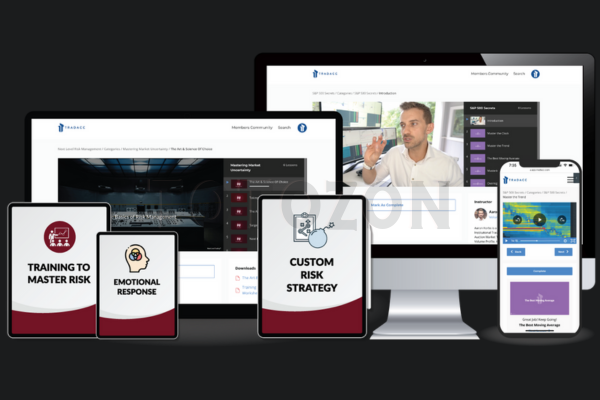 S&P 500 Secrets + Next Level Risk Management with Tradacc
1 × $8.00
S&P 500 Secrets + Next Level Risk Management with Tradacc
1 × $8.00 -
×
 Home Run Options Trading Course with Dave Aquino - Base Camp Trading
1 × $11.00
Home Run Options Trading Course with Dave Aquino - Base Camp Trading
1 × $11.00 -
×
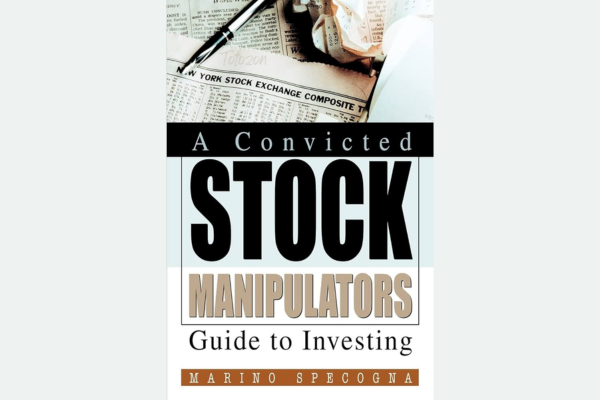 A Convicted Stock Manipulators Guide to Investing with Marino Specogna
1 × $6.00
A Convicted Stock Manipulators Guide to Investing with Marino Specogna
1 × $6.00 -
×
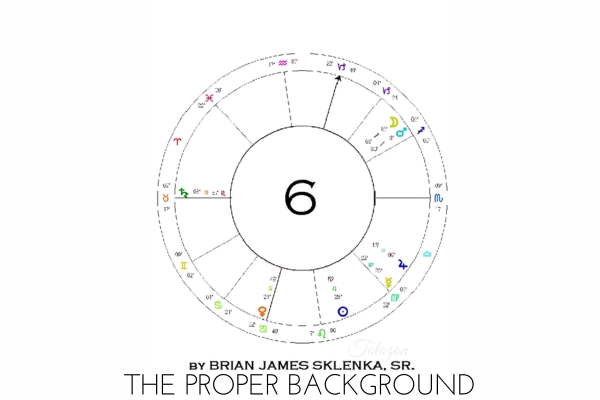 6 (The Proper BackGround)
1 × $6.00
6 (The Proper BackGround)
1 × $6.00 -
×
 How To Become StressFree Trader with Jason Starzec
1 × $4.00
How To Become StressFree Trader with Jason Starzec
1 × $4.00 -
×
 Investment Performance Measurement with Bruce Feibel
1 × $6.00
Investment Performance Measurement with Bruce Feibel
1 × $6.00

The Index Trading Course Workbook: Step-by-Step Exercises and Tests to Help You Master The Index Trading Course with George Fontanills & Tom Gentile
$6.00
File Size: Coming soon!
Delivery Time: 1–12 hours
Media Type: Online Course
Content Proof: Watch Here!
You may check content proof of “The Index Trading Course Workbook: Step-by-Step Exercises and Tests to Help You Master The Index Trading Course with George Fontanills & Tom Gentile” below:
The Index Trading Course Workbook: Step-by-Step Exercises and Tests to Help You Master The Index Trading Course with George Fontanills & Tom Gentile
Investing in index trading can seem overwhelming, especially for beginners. Fortunately, “The Index Trading Course Workbook” by George Fontanills and Tom Gentile provides a structured, step-by-step approach to mastering this form of trading. This comprehensive guide is packed with exercises, tests, and practical insights designed to enhance your trading skills. In this article, we will delve into the key components of the workbook, explore its exercises, and highlight the strategies it offers for successful index trading.
Introduction to The Index Trading Course Workbook
About the Authors
George Fontanills
George Fontanills is a renowned financial educator and options trader known for his expertise in trading strategies.
Tom Gentile
Tom Gentile is a leading trading expert with extensive experience in options and index trading, making him a valuable co-author for this workbook.
Purpose of the Workbook
The workbook aims to provide hands-on learning through exercises and tests, helping traders of all levels to master index trading concepts and techniques.
Understanding Index Trading
What is Index Trading?
Index trading involves trading a group of stocks, known as an index, rather than individual stocks. This can include popular indices like the S&P 500, Dow Jones, and NASDAQ.
Benefits of Index Trading
- Diversification: Reduces risk by spreading investments across multiple stocks.
- Liquidity: High trading volume ensures ease of buying and selling.
- Market Representation: Provides a snapshot of market performance.
Key Concepts in The Index Trading Course Workbook
1. Types of Indices
1.1 Price-Weighted Indices
Indices like the Dow Jones Industrial Average, where stocks with higher prices have more influence.
1.2 Market Capitalization-Weighted Indices
Indices like the S&P 500, where companies with larger market capitalizations have more influence.
2. Index Trading Strategies
2.1 Buy and Hold Strategy
Investing in an index and holding it over a long period to gain from overall market growth.
2.2 Swing Trading
Taking advantage of market volatility to make short to medium-term profits by buying low and selling high.
3. Technical Analysis for Index Trading
3.1 Moving Averages
Using moving averages to identify trends and make informed trading decisions.
3.2 Relative Strength Index (RSI)
Using RSI to measure the speed and change of price movements, helping to identify overbought or oversold conditions.
Step-by-Step Exercises
Exercise 1: Understanding Index Components
- Step 1: Choose an index and list its components.
- Step 2: Research the companies included in the index.
- Step 3: Analyze their performance and impact on the index.
Exercise 2: Calculating Moving Averages
- Step 1: Gather historical price data for the chosen index.
- Step 2: Calculate the 50-day and 200-day moving averages.
- Step 3: Plot these averages on a chart to identify trends.
Exercise 3: Using RSI in Trading
- Step 1: Select an index and obtain its price data.
- Step 2: Calculate the RSI for the chosen period.
- Step 3: Use the RSI to identify potential buy or sell signals.
Tests to Reinforce Learning
Test 1: Index Knowledge Quiz
- Question 1: What is a price-weighted index?
- Question 2: How does market capitalization affect an index?
- Question 3: What are the benefits of using moving averages in trading?
Test 2: Practical Application
- Scenario 1: Given a historical price chart, identify buy and sell points using moving averages.
- Scenario 2: Analyze an index using RSI and determine trading actions based on the results.
Practical Tips for Index Traders
1. Stay Updated on Market News
- Follow financial news and updates on indices.
- Be aware of economic indicators that can impact market performance.
2. Practice Risk Management
- Set stop-loss orders to limit potential losses.
- Diversify your investments to reduce risk.
3. Continuous Learning and Adaptation
- Regularly review and adjust your trading strategies.
- Stay informed about new trading techniques and market trends.
Conclusion
“The Index Trading Course Workbook” by George Fontanills and Tom Gentile is an essential resource for anyone looking to master index trading. Through its structured exercises and comprehensive tests, the workbook equips traders with the knowledge and skills needed to succeed in the market. Whether you are a novice or an experienced trader, this workbook offers valuable insights and practical strategies to enhance your trading journey.
FAQs
1. What is the primary goal of The Index Trading Course Workbook?
The primary goal is to provide hands-on learning through exercises and tests to help traders master index trading.
2. How does a price-weighted index differ from a market capitalization-weighted index?
In a price-weighted index, stocks with higher prices have more influence, while in a market capitalization-weighted index, companies with larger market caps have more influence.
3. What are the benefits of using moving averages in index trading?
Moving averages help identify trends, making it easier to make informed trading decisions.
4. How can I manage risk when trading indices?
You can manage risk by setting stop-loss orders, diversifying your investments, and staying updated on market news.
5. What is the role of RSI in index trading?
RSI measures the speed and change of price movements, helping traders identify overbought or oversold conditions.
Be the first to review “The Index Trading Course Workbook: Step-by-Step Exercises and Tests to Help You Master The Index Trading Course with George Fontanills & Tom Gentile”
You must be logged in to post a review.
Related products
Forex Trading
Original price was: $850.00.$23.00Current price is: $23.00.

Forex Trading
Original price was: $239.00.$8.00Current price is: $8.00.

Forex Trading
Original price was: $125.00.$17.00Current price is: $17.00.
Original price was: $999.00.$5.00Current price is: $5.00.
Forex Trading
Original price was: $2,995.00.$31.00Current price is: $31.00.

Forex Trading
Original price was: $797.00.$10.00Current price is: $10.00.

Original price was: $299.00.$8.00Current price is: $8.00.
Original price was: $497.00.$11.00Current price is: $11.00.
Forex Trading
Original price was: $499.00.$15.00Current price is: $15.00.
Forex Trading
Original price was: $1,898.00.$10.00Current price is: $10.00.
Original price was: $649.00.$20.00Current price is: $20.00.
Original price was: $197.00.$5.00Current price is: $5.00.
Forex Trading
Original price was: $799.00.$15.00Current price is: $15.00.

Forex Trading
Original price was: $4,997.00.$27.00Current price is: $27.00.

Original price was: $1,800.00.$54.00Current price is: $54.00.

Forex Trading
Quantamentals – The Next Great Forefront Of Trading and Investing with Trading Markets
Original price was: $1,495.00.$8.00Current price is: $8.00.
Original price was: $139.00.$23.00Current price is: $23.00.
Original price was: $4,995.00.$15.00Current price is: $15.00.

Forex Trading
Original price was: $999.00.$15.00Current price is: $15.00.

Original price was: $497.00.$31.00Current price is: $31.00.

Reviews
There are no reviews yet.