
-
×
 The Master Indicator 2023 with Lance Ippolito
1 × $101.00
The Master Indicator 2023 with Lance Ippolito
1 × $101.00 -
×
 Pring on Price Patterns with Martin Pring
1 × $6.00
Pring on Price Patterns with Martin Pring
1 × $6.00 -
×
 TECHNICAL ANALYSIS MODULE
1 × $6.00
TECHNICAL ANALYSIS MODULE
1 × $6.00 -
×
 Finding Alpha: The Search for Alpha When Risk and Return Break Down with Eric Falkenstein
1 × $6.00
Finding Alpha: The Search for Alpha When Risk and Return Break Down with Eric Falkenstein
1 × $6.00 -
×
 Fibonacci Ratios with Pattern Recognition - Larry Pesavento & Steven Shapiro
1 × $6.00
Fibonacci Ratios with Pattern Recognition - Larry Pesavento & Steven Shapiro
1 × $6.00 -
×
 Wealth, War & Wisdom with Barton Biggs
1 × $6.00
Wealth, War & Wisdom with Barton Biggs
1 × $6.00 -
×
 Secret Forex Society Economic Reports (2006-2007) with Felix Homogratus
1 × $6.00
Secret Forex Society Economic Reports (2006-2007) with Felix Homogratus
1 × $6.00 -
×
 Infectious Greed with John Nofsinger & Kenneth Kim
1 × $6.00
Infectious Greed with John Nofsinger & Kenneth Kim
1 × $6.00 -
×
 MACK - PATS Simple ES Scalping Strategy
1 × $15.00
MACK - PATS Simple ES Scalping Strategy
1 × $15.00 -
×
 Divorcing the Dow: Using Revolutionary Market Indicators to Profit from the Stealth Boom Ahead - Jim Troup & Sharon Michalsky
1 × $6.00
Divorcing the Dow: Using Revolutionary Market Indicators to Profit from the Stealth Boom Ahead - Jim Troup & Sharon Michalsky
1 × $6.00 -
×
 Options On Futures Class By Mark Fenton - Sheridan Options Mentoring
1 × $6.00
Options On Futures Class By Mark Fenton - Sheridan Options Mentoring
1 × $6.00 -
×
 Planetary Economic Forecasting with Bill Meridian
1 × $6.00
Planetary Economic Forecasting with Bill Meridian
1 × $6.00 -
×
 The A14 Weekly Option Strategy Workshop with Amy Meissner
1 × $23.00
The A14 Weekly Option Strategy Workshop with Amy Meissner
1 × $23.00 -
×
 A Mathematician Plays The Stock Market with John Allen Paulos
1 × $6.00
A Mathematician Plays The Stock Market with John Allen Paulos
1 × $6.00 -
×
 Algo Wizard Essentials Course with Srategy Quant
1 × $13.00
Algo Wizard Essentials Course with Srategy Quant
1 × $13.00 -
×
 Bird Watch in Lion Country 2010 Ed with Dirk Du Toit
1 × $6.00
Bird Watch in Lion Country 2010 Ed with Dirk Du Toit
1 × $6.00 -
×
 Catching the Big Moves with Jack Bernstein
1 × $6.00
Catching the Big Moves with Jack Bernstein
1 × $6.00 -
×
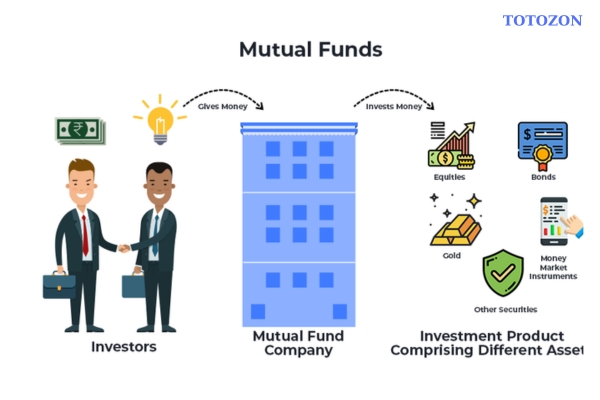 Mutual Funds: Fifty Years of Research Findings by Seth C. Anderson
1 × $6.00
Mutual Funds: Fifty Years of Research Findings by Seth C. Anderson
1 × $6.00 -
×
 Predicting Next Weeks’s Range with Charles Drummond
1 × $6.00
Predicting Next Weeks’s Range with Charles Drummond
1 × $6.00 -
×
 The Inve$tment A$trology Articles with Alan Richter
1 × $6.00
The Inve$tment A$trology Articles with Alan Richter
1 × $6.00 -
×
 Quant Edge with T3 Live
1 × $6.00
Quant Edge with T3 Live
1 × $6.00 -
×
 Investing Classroom 2022 with Danny Devan
1 × $15.00
Investing Classroom 2022 with Danny Devan
1 × $15.00 -
×
 Simple Sector Trading Strategies with John Murphy
1 × $6.00
Simple Sector Trading Strategies with John Murphy
1 × $6.00 -
×
 Compass Trading System with Right Line Trading
1 × $39.00
Compass Trading System with Right Line Trading
1 × $39.00 -
×
 Confidence Game. How a Hadge Fund Manager Called Wall Street’s Bluff with Christine Richard
1 × $6.00
Confidence Game. How a Hadge Fund Manager Called Wall Street’s Bluff with Christine Richard
1 × $6.00 -
×
 Intra-Day Trading Nasdaq Futures Class with Tony Rago
1 × $6.00
Intra-Day Trading Nasdaq Futures Class with Tony Rago
1 × $6.00 -
×
 Advanced Get 12.0.3485 x86 (August 2014) (+ open code efs, dll's) for Any eSignal Account
1 × $23.00
Advanced Get 12.0.3485 x86 (August 2014) (+ open code efs, dll's) for Any eSignal Account
1 × $23.00 -
×
 Essentials in Quantitative Trading QT01 By HangukQuant's
1 × $23.00
Essentials in Quantitative Trading QT01 By HangukQuant's
1 × $23.00 -
×
 Reminiscences of a Stock Operator (75th Aniversary Ed.) with Edwin Lefevre
1 × $6.00
Reminiscences of a Stock Operator (75th Aniversary Ed.) with Edwin Lefevre
1 × $6.00 -
×
 Forex Trading Advice & Intro to The Natural Flow
1 × $6.00
Forex Trading Advice & Intro to The Natural Flow
1 × $6.00 -
×
 Advanced Spread Trading with Guy Bower - MasterClass Trader
1 × $15.00
Advanced Spread Trading with Guy Bower - MasterClass Trader
1 × $15.00 -
×
 Cobra (aka Viper Crude)
1 × $23.00
Cobra (aka Viper Crude)
1 × $23.00 -
×
 Artificial Neural Networks Technology with Dave Anderson, George McNeill
1 × $6.00
Artificial Neural Networks Technology with Dave Anderson, George McNeill
1 × $6.00 -
×
 Scalp Strategy and Flipping Small Accounts with Opes Trading Group
1 × $5.00
Scalp Strategy and Flipping Small Accounts with Opes Trading Group
1 × $5.00 -
×
 Masterclass 5.0 with RockzFX
1 × $5.00
Masterclass 5.0 with RockzFX
1 × $5.00 -
×
 Sure Fire Forex Trading with Mark McRae
1 × $6.00
Sure Fire Forex Trading with Mark McRae
1 × $6.00 -
×
 Daryl Guppy Tutorials In Technical Analysis (2000-2001-2003-2004)
1 × $6.00
Daryl Guppy Tutorials In Technical Analysis (2000-2001-2003-2004)
1 × $6.00 -
×
 Analysis of Equity Investments: Valuation with John Stowe, Thomas Robinson, Jerald Pinto & Dennis McLeavey
1 × $6.00
Analysis of Equity Investments: Valuation with John Stowe, Thomas Robinson, Jerald Pinto & Dennis McLeavey
1 × $6.00 -
×
 Inner Circle Trader
1 × $6.00
Inner Circle Trader
1 × $6.00 -
×
 Outsmarting Wall Street (3rd Ed) with Daniel Alan Seiver
1 × $6.00
Outsmarting Wall Street (3rd Ed) with Daniel Alan Seiver
1 × $6.00 -
×
 Trading MoneyTides & Chaos in the Stock Market with Hans Hannula
1 × $6.00
Trading MoneyTides & Chaos in the Stock Market with Hans Hannula
1 × $6.00 -
×
 Profiletraders - MARKET PROFILE TACTICAL STRATEGIES FOR DAY TRADING
1 × $23.00
Profiletraders - MARKET PROFILE TACTICAL STRATEGIES FOR DAY TRADING
1 × $23.00 -
×
 Emini, Forex, Stock Course COMPLETE Series Recorded Seminar 2009 - 49 Modules in 3 DVDs (SpecialistTrading.com)
1 × $78.00
Emini, Forex, Stock Course COMPLETE Series Recorded Seminar 2009 - 49 Modules in 3 DVDs (SpecialistTrading.com)
1 × $78.00 -
×
 Best of the Best: Collars with Amy Meissner & Scott Ruble
1 × $15.00
Best of the Best: Collars with Amy Meissner & Scott Ruble
1 × $15.00 -
×
 Plunketts Investment & Securities Industry Almanac 2010 with Jack W.Plunkett
1 × $6.00
Plunketts Investment & Securities Industry Almanac 2010 with Jack W.Plunkett
1 × $6.00 -
×
 Prometheus Course with QuantProgram
1 × $13.00
Prometheus Course with QuantProgram
1 × $13.00 -
×
 Order flow self-study training program with iMFtracker
1 × $10.00
Order flow self-study training program with iMFtracker
1 × $10.00 -
×
 The Instagram DM Automation Playbook with Natasha Takahashi
1 × $6.00
The Instagram DM Automation Playbook with Natasha Takahashi
1 × $6.00 -
×
 Complete Series
1 × $31.00
Complete Series
1 × $31.00 -
×
 Trading Calendar Spreads with Option Pit
1 × $39.00
Trading Calendar Spreads with Option Pit
1 × $39.00 -
×
 Behavior and Performance of Investment Newsletter Analysts (Article) with Alok Kumar
1 × $6.00
Behavior and Performance of Investment Newsletter Analysts (Article) with Alok Kumar
1 × $6.00 -
×
 The Kiloby Inquiries Online with Scott Kiloby
1 × $39.00
The Kiloby Inquiries Online with Scott Kiloby
1 × $39.00 -
×
 White Phoenix’s The Smart (Money) Approach to Trading with Jayson Casper
1 × $39.00
White Phoenix’s The Smart (Money) Approach to Trading with Jayson Casper
1 × $39.00 -
×
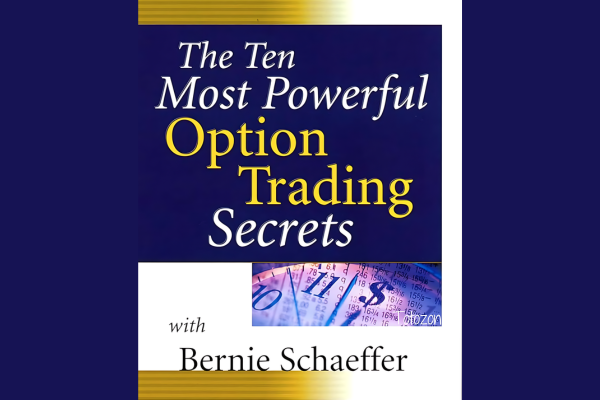 The Ten Most Powerful Option Trading Secrets with Bernie Schaeffer
1 × $6.00
The Ten Most Powerful Option Trading Secrets with Bernie Schaeffer
1 × $6.00 -
×
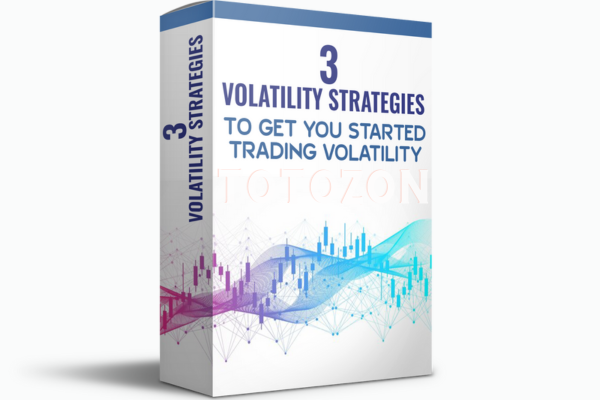 3 Volatility Strategies with Quantified Strategies
1 × $23.00
3 Volatility Strategies with Quantified Strategies
1 × $23.00 -
×
 Stock Traders Almanac 2008 with Jeffrey Hirsch & Yale Hirsch
1 × $6.00
Stock Traders Almanac 2008 with Jeffrey Hirsch & Yale Hirsch
1 × $6.00 -
×
 Power Price Action Trading - 8 Weeks Online Training
1 × $6.00
Power Price Action Trading - 8 Weeks Online Training
1 × $6.00 -
×
 Wyckoff Stock Market Institute
1 × $5.00
Wyckoff Stock Market Institute
1 × $5.00 -
×
 Put Option Strategies for Smarter Trading with Michael Thomsett
1 × $6.00
Put Option Strategies for Smarter Trading with Michael Thomsett
1 × $6.00 -
×
 Investment Titans: Investment Insights from the Minds that Move Wall Street with Jonathan Burton
1 × $6.00
Investment Titans: Investment Insights from the Minds that Move Wall Street with Jonathan Burton
1 × $6.00
How Stocks Work with David L.Scott
$6.00
File Size: Coming soon!
Delivery Time: 1–12 hours
Media Type: Online Course
Content Proof: Watch Here!
You may check content proof of “How Stocks Work with David L.Scott” below:

How Stocks Work with David L. Scott
Introduction
Stocks are a fundamental aspect of the financial markets, offering opportunities for investment and growth. David L. Scott’s insights provide a comprehensive understanding of how stocks work, making this complex subject accessible. In this article, we will explore the mechanics of stocks, their benefits, risks, and how to invest wisely.
What are Stocks?
Stocks represent ownership in a company. When you purchase a stock, you buy a piece of the company, known as a share.
Types of Stocks
There are two main types of stocks:
- Common Stocks: These give shareholders voting rights and dividends.
- Preferred Stocks: These offer fixed dividends but usually do not provide voting rights.
Common Stocks
Common stocks are the most widely held type of stock. They entitle shareholders to vote at shareholder meetings and receive dividends.
Preferred Stocks
Preferred stocks provide fixed dividends and have priority over common stocks in the event of a liquidation. However, they typically do not come with voting rights.
How Stocks Are Traded
Stocks are bought and sold on stock exchanges, such as the New York Stock Exchange (NYSE) and NASDAQ.
Stock Exchanges
Stock exchanges are platforms where buyers and sellers meet to trade stocks. They provide liquidity and ensure fair pricing.
Major Stock Exchanges
- NYSE: Known for its stringent listing requirements.
- NASDAQ: Home to many technology companies and has less stringent requirements compared to NYSE.
How to Buy and Sell Stocks
Buying and selling stocks can be done through brokerage accounts. Investors place orders through brokers, who execute trades on their behalf.
Types of Orders
- Market Orders: Execute immediately at the current market price.
- Limit Orders: Execute only at a specified price or better.
- Stop Orders: Execute once the stock reaches a certain price.
Why Invest in Stocks?
Investing in stocks can provide significant returns and help build wealth over time.
Benefits of Investing in Stocks
- Potential for High Returns: Historically, stocks have provided higher returns compared to other investments.
- Ownership in Companies: Shareholders have a stake in the company’s success.
- Dividend Income: Many stocks pay dividends, providing a regular income stream.
Potential for High Returns
Stocks have historically outperformed other investment vehicles like bonds and savings accounts, offering greater potential for capital appreciation.
Dividend Income
Dividends are payments made by companies to shareholders, usually on a quarterly basis. They provide a source of passive income.
Risks of Investing in Stocks
While stocks offer high returns, they also come with risks.
Market Risk
The value of stocks can fluctuate due to market conditions, economic changes, and company performance.
Volatility
Stock prices can be highly volatile, with prices moving sharply in short periods.
Company Risk
Individual companies can face financial difficulties, impacting their stock prices.
Bankruptcy
If a company goes bankrupt, shareholders are the last to be paid, often resulting in significant losses.
How to Analyze Stocks
Analyzing stocks involves evaluating a company’s financial health and market position.
Fundamental Analysis
Fundamental analysis looks at financial statements, earnings, and other qualitative factors.
Key Metrics
- Earnings Per Share (EPS): Indicates profitability.
- Price-to-Earnings Ratio (P/E): Compares the company’s stock price to its earnings.
- Dividend Yield: Shows the dividend income relative to the stock price.
Technical Analysis
Technical analysis uses historical price and volume data to predict future price movements.
Common Technical Indicators
- Moving Averages: Smooth out price data to identify trends.
- Relative Strength Index (RSI): Measures the speed and change of price movements.
- Bollinger Bands: Indicate volatility and price levels.
Building a Stock Portfolio
Diversification is key to managing risk and achieving long-term growth.
Diversification
Spreading investments across different sectors and industries reduces risk.
Sector Diversification
Invest in various sectors such as technology, healthcare, and finance to mitigate sector-specific risks.
Rebalancing
Regularly adjust your portfolio to maintain your desired asset allocation.
Rebalancing Strategies
- Periodic Rebalancing: Adjusting the portfolio at regular intervals.
- Threshold Rebalancing: Adjusting when asset weights deviate significantly from targets.
David L. Scott’s Tips for Stock Investing
David L. Scott offers practical advice for investing in stocks.
Start with a Plan
Define your investment goals and risk tolerance.
Investment Goals
Identify whether you are looking for growth, income, or preservation of capital.
Do Your Research
Thoroughly research companies before investing.
Research Sources
- Financial Statements
- Analyst Reports
- News Articles
Stay Informed
Keep up with market trends and company news.
Market News Sources
- Financial News Websites
- Company Press Releases
- Stock Analysis Platforms
Conclusion
Understanding how stocks work is crucial for making informed investment decisions. With insights from David L. Scott, you can navigate the stock market with confidence, leveraging both the benefits and managing the risks effectively.
FAQs
1. What are common and preferred stocks?
Common stocks offer voting rights and dividends, while preferred stocks provide fixed dividends and usually do not offer voting rights.
2. How are stocks traded?
Stocks are traded on stock exchanges through brokerage accounts. Investors place orders that brokers execute on their behalf.
3. What are the benefits of investing in stocks?
Stocks offer potential for high returns, ownership in companies, and dividend income.
4. What are the risks of investing in stocks?
Stocks are subject to market risk and company risk, including volatility and potential bankruptcy.
5. How can I analyze stocks before investing?
Use fundamental analysis to evaluate financial health and technical analysis to predict price movements.
Be the first to review “How Stocks Work with David L.Scott”
You must be logged in to post a review.
Related products

Forex Trading
Original price was: $697.00.$5.00Current price is: $5.00.

Forex Trading
Original price was: $550.00.$5.00Current price is: $5.00.

Forex Trading
Original price was: $499.00.$15.00Current price is: $15.00.

Original price was: $299.00.$8.00Current price is: $8.00.

Forex Trading
Quantamentals – The Next Great Forefront Of Trading and Investing with Trading Markets
Original price was: $1,495.00.$8.00Current price is: $8.00.

Original price was: $497.00.$31.00Current price is: $31.00.

Forex Trading
Original price was: $397.00.$31.00Current price is: $31.00.
Original price was: $895.00.$15.00Current price is: $15.00.

Forex Trading
Original price was: $2,997.00.$23.00Current price is: $23.00.

Forex Trading
Original price was: $4,997.00.$27.00Current price is: $27.00.

Original price was: $139.00.$23.00Current price is: $23.00.

Original price was: $997.00.$8.00Current price is: $8.00.

Forex Trading
Original price was: $797.00.$10.00Current price is: $10.00.

Forex Trading
Original price was: $2,995.00.$31.00Current price is: $31.00.

Original price was: $1,200.00.$23.00Current price is: $23.00.

Forex Trading
Original price was: $799.00.$15.00Current price is: $15.00.
Original price was: $799.00.$15.00Current price is: $15.00.

Forex Trading
The Complete Guide to Multiple Time Frame Analysis & Reading Price Action with Aiman Almansoori
Original price was: $1,399.00.$13.00Current price is: $13.00.
Original price was: $310.00.$23.00Current price is: $23.00.

Forex Trading
Original price was: $999.00.$15.00Current price is: $15.00.
Reviews
There are no reviews yet.