
-
×
 Market Structure Matters with Haim Bodek
1 × $62.00
Market Structure Matters with Haim Bodek
1 × $62.00 -
×
 CFA Level 1,2 & 3 Complete Course 2010 48 CD’s with Schweser
1 × $6.00
CFA Level 1,2 & 3 Complete Course 2010 48 CD’s with Schweser
1 × $6.00 -
×
 WondaFX Signature Strategy with WondaFX
1 × $5.00
WondaFX Signature Strategy with WondaFX
1 × $5.00 -
×
 Professional Trader Course
1 × $5.00
Professional Trader Course
1 × $5.00 -
×
 Market Analysis Companion for Metastock with Martin Pring
1 × $6.00
Market Analysis Companion for Metastock with Martin Pring
1 × $6.00 -
×
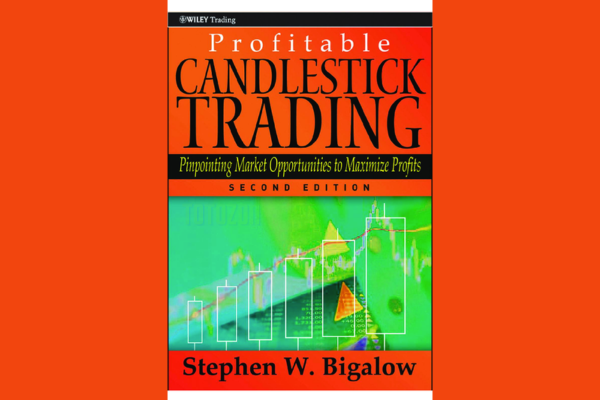 Candlestick Trading Forum Trading Seminar with Stephen W.Bigalow
1 × $4.00
Candlestick Trading Forum Trading Seminar with Stephen W.Bigalow
1 × $4.00 -
×
 Zap Seminar - Ablesys
1 × $6.00
Zap Seminar - Ablesys
1 × $6.00 -
×
 Super Conference 2020 - Premier Coaching Package with Vince Vora
1 × $109.00
Super Conference 2020 - Premier Coaching Package with Vince Vora
1 × $109.00 -
×
 Mean Reversion Strategy with The Chartist
1 × $78.00
Mean Reversion Strategy with The Chartist
1 × $78.00 -
×
 CMT Association Entire Webinars
1 × $31.00
CMT Association Entire Webinars
1 × $31.00 -
×
 Portfolio Management using Machine Learning: Hierarchical Risk Parity
1 × $39.00
Portfolio Management using Machine Learning: Hierarchical Risk Parity
1 × $39.00 -
×
 Computerized Trading. Maximizing Day Trading and Overnight Profits with Mark Jurik
1 × $6.00
Computerized Trading. Maximizing Day Trading and Overnight Profits with Mark Jurik
1 × $6.00 -
×
 Bootcamp and eBook with Jjwurldin
1 × $24.00
Bootcamp and eBook with Jjwurldin
1 × $24.00 -
×
 The Prop Trading Code with Brannigan Barrett - Axia Futures
1 × $23.00
The Prop Trading Code with Brannigan Barrett - Axia Futures
1 × $23.00 -
×
 Currency Trading for Dummies with Mark Galant
1 × $6.00
Currency Trading for Dummies with Mark Galant
1 × $6.00 -
×
 Winning Stock Selection Simplified (Vol I, II & III) with Peter Worden
1 × $6.00
Winning Stock Selection Simplified (Vol I, II & III) with Peter Worden
1 × $6.00 -
×
 Examination Book Morning Section (1999)
1 × $6.00
Examination Book Morning Section (1999)
1 × $6.00 -
×
 Mao, Marx & the Market: Capitalist Adventures in Russia and China with Dean LeBaro
1 × $6.00
Mao, Marx & the Market: Capitalist Adventures in Russia and China with Dean LeBaro
1 × $6.00 -
×
 How Big Money Trades A Key Aspect of Systems Thinking - Van Tharp and Chuck Whitman – Van Tharp
1 × $46.00
How Big Money Trades A Key Aspect of Systems Thinking - Van Tharp and Chuck Whitman – Van Tharp
1 × $46.00 -
×
 Investment Psychology. Explained Classic Strategies to Beat the Markets with Martin Pring
1 × $6.00
Investment Psychology. Explained Classic Strategies to Beat the Markets with Martin Pring
1 × $6.00 -
×
 Elliott Wave Street Course with Juan Maldonado
1 × $17.00
Elliott Wave Street Course with Juan Maldonado
1 × $17.00 -
×
 A- Z Educational Trading Course with InvestiTrade
1 × $39.00
A- Z Educational Trading Course with InvestiTrade
1 × $39.00 -
×
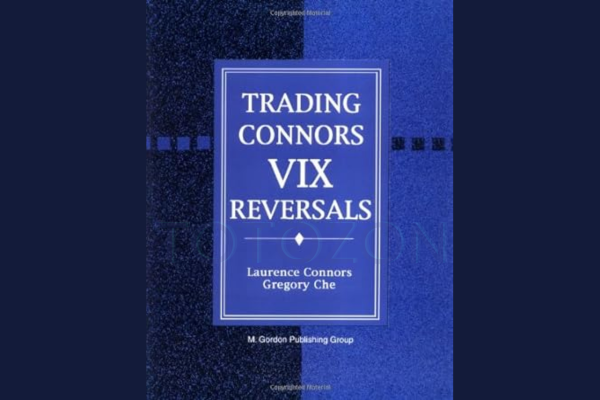 Trading Connors VIX Reversals Tradestation Files with Laurence A. Connors & Gregory J. Che
1 × $6.00
Trading Connors VIX Reversals Tradestation Files with Laurence A. Connors & Gregory J. Che
1 × $6.00 -
×
 The EAP Training Program (Apr 2019)
1 × $6.00
The EAP Training Program (Apr 2019)
1 × $6.00 -
×
 Astro Models (techedgecycles.com) with Yuri Shramenko
1 × $6.00
Astro Models (techedgecycles.com) with Yuri Shramenko
1 × $6.00 -
×
 Fantastic 4 Trading Strategies
1 × $15.00
Fantastic 4 Trading Strategies
1 × $15.00 -
×
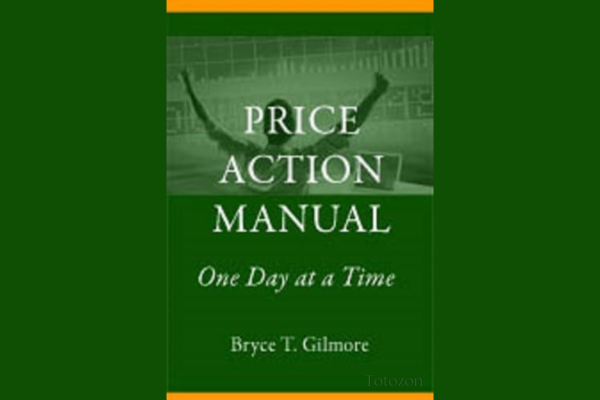 The Price Action Manual, 2nd Ed 2008 with Bryce Gilmore
1 × $4.00
The Price Action Manual, 2nd Ed 2008 with Bryce Gilmore
1 × $4.00 -
×
 Fractal Markets FX (SMC)
1 × $5.00
Fractal Markets FX (SMC)
1 × $5.00 -
×
 The Complete Guide to Option Selling with James Cordier
1 × $6.00
The Complete Guide to Option Selling with James Cordier
1 × $6.00 -
×
 Fibonacci Swing Trader 2.0 with Frank Paul - Forexmentor
1 × $6.00
Fibonacci Swing Trader 2.0 with Frank Paul - Forexmentor
1 × $6.00 -
×
 PDFT (Price Driven Forex Trading) Course with Avi Frister
1 × $6.00
PDFT (Price Driven Forex Trading) Course with Avi Frister
1 × $6.00 -
×
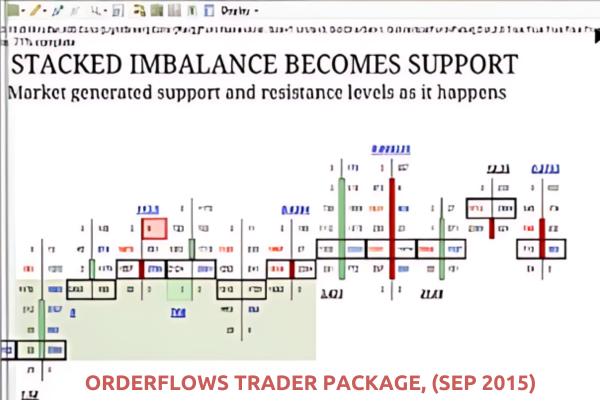 OrderFlows Trader Package, (Sep 2015)
1 × $54.00
OrderFlows Trader Package, (Sep 2015)
1 × $54.00 -
×
 Pattern Recognition & Trading Decisions with Chris Satchwell
1 × $6.00
Pattern Recognition & Trading Decisions with Chris Satchwell
1 × $6.00 -
×
 SQX Mentorship with Tip Toe Hippo
1 × $23.00
SQX Mentorship with Tip Toe Hippo
1 × $23.00 -
×
 How to Collect Income Being Short with Don Kaufman
1 × $6.00
How to Collect Income Being Short with Don Kaufman
1 × $6.00 -
×
 Stock Market Winners with Maria Crawford Scott, John Bajkowski
1 × $6.00
Stock Market Winners with Maria Crawford Scott, John Bajkowski
1 × $6.00 -
×
 The Illustrated Guide to Technical Analysis Signals and Phrases with Constance Brown
1 × $6.00
The Illustrated Guide to Technical Analysis Signals and Phrases with Constance Brown
1 × $6.00 -
×
 Crystal Ball Pack PLUS bonus Live Trade By Pat Mitchell - Trick Trades
1 × $20.00
Crystal Ball Pack PLUS bonus Live Trade By Pat Mitchell - Trick Trades
1 × $20.00 -
×
 Futures Spread Trading Intro Course with Thetradingframework
1 × $6.00
Futures Spread Trading Intro Course with Thetradingframework
1 × $6.00 -
×
 Candlesticks Explained with Martin Pring
1 × $6.00
Candlesticks Explained with Martin Pring
1 × $6.00 -
×
 The Dick Davis Dividend: Straight Talk on Making Money from 40 Years on Wall Street with Dick Davis
1 × $6.00
The Dick Davis Dividend: Straight Talk on Making Money from 40 Years on Wall Street with Dick Davis
1 × $6.00 -
×
 How to Trade a Vertical Market
1 × $93.00
How to Trade a Vertical Market
1 × $93.00 -
×
 Ron Wagner - Creating a Profitable Trading & Investing Plan + Techniques to Perfect Your Intraday GAP
1 × $6.00
Ron Wagner - Creating a Profitable Trading & Investing Plan + Techniques to Perfect Your Intraday GAP
1 × $6.00 -
×
 Optionetics 2007 - Home Study Course, MP3
1 × $6.00
Optionetics 2007 - Home Study Course, MP3
1 × $6.00 -
×
 Forex Avenger Trading System with David Curran
1 × $6.00
Forex Avenger Trading System with David Curran
1 × $6.00 -
×
 Algo Wizard Essentials Course with Srategy Quant
1 × $13.00
Algo Wizard Essentials Course with Srategy Quant
1 × $13.00 -
×
 Short Swing Trading v6.0 with David Smith
1 × $6.00
Short Swing Trading v6.0 with David Smith
1 × $6.00 -
×
 Fibonacci Mastery Course: Complete Guide to Trading with Fib By Todd Gordon
1 × $62.00
Fibonacci Mastery Course: Complete Guide to Trading with Fib By Todd Gordon
1 × $62.00 -
×
 Just What I Said: Bloomberg Economics Columnist Takes on Bonds, Banks, Budgets, and Bubbles with Caroline Baum
1 × $6.00
Just What I Said: Bloomberg Economics Columnist Takes on Bonds, Banks, Budgets, and Bubbles with Caroline Baum
1 × $6.00 -
×
 Stealth Trader (Ebook) with Andy Jordan - Trading Educators
1 × $132.00
Stealth Trader (Ebook) with Andy Jordan - Trading Educators
1 × $132.00 -
×
 The Aftermath + Jack Savage Extras (How To Trade Gold) with FXSavages
1 × $6.00
The Aftermath + Jack Savage Extras (How To Trade Gold) with FXSavages
1 × $6.00 -
×
 Precision Timing Your Options Trades Using Fibonacci with Trading Analysis
1 × $15.00
Precision Timing Your Options Trades Using Fibonacci with Trading Analysis
1 × $15.00 -
×
 Elite Core Advance Course with Urban Forex
1 × $5.00
Elite Core Advance Course with Urban Forex
1 × $5.00 -
×
 Practical Applications of Candlestick Charts with Gary Wagner
1 × $6.00
Practical Applications of Candlestick Charts with Gary Wagner
1 × $6.00 -
×
 OFA - Intensive Boot Camp 5 Day Course
1 × $6.00
OFA - Intensive Boot Camp 5 Day Course
1 × $6.00 -
×
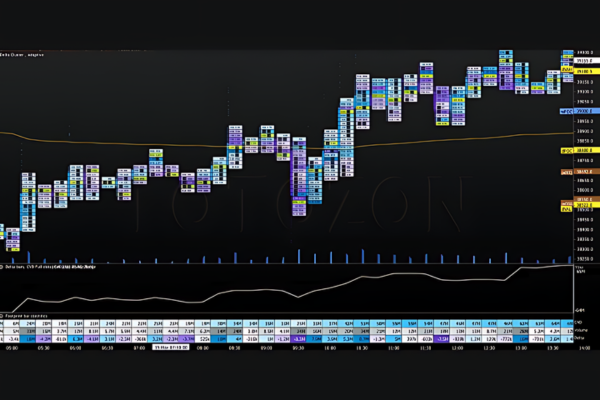 Advanced Trading Course - Footprint Charts, Market Profile & TPO with Jayson Casper
1 × $31.00
Advanced Trading Course - Footprint Charts, Market Profile & TPO with Jayson Casper
1 × $31.00 -
×
 Option Hydra - Mar 2020 Edition - Basics with Rajandran R
1 × $23.00
Option Hydra - Mar 2020 Edition - Basics with Rajandran R
1 × $23.00 -
×
 Peter Borish Online Trader Program
1 × $15.00
Peter Borish Online Trader Program
1 × $15.00 -
×
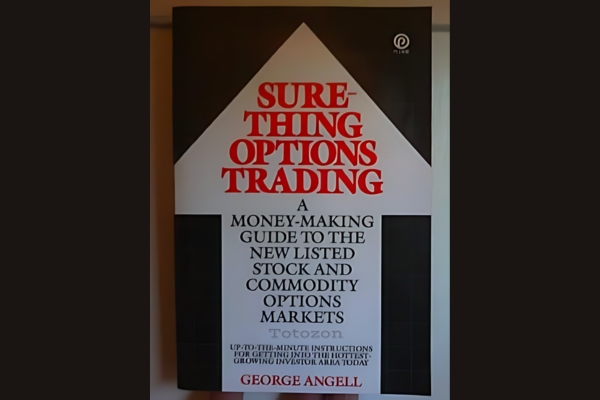 Sure-thing Options Trading: A Money-Making Guide to the New Listed Stock and Commodity Options Markets - George Angell
1 × $6.00
Sure-thing Options Trading: A Money-Making Guide to the New Listed Stock and Commodity Options Markets - George Angell
1 × $6.00 -
×
 Advanced Spread Trading with Guy Bower - MasterClass Trader
1 × $15.00
Advanced Spread Trading with Guy Bower - MasterClass Trader
1 × $15.00 -
×
 Market Energy Trader with Top Trade Tools
1 × $5.00
Market Energy Trader with Top Trade Tools
1 × $5.00 -
×
 How To Read The Market Professionally with TradeSmart
1 × $27.00
How To Read The Market Professionally with TradeSmart
1 × $27.00
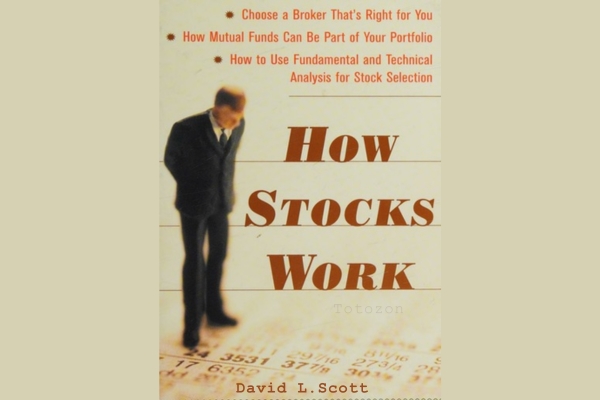
How Stocks Work with David L.Scott
$6.00
File Size: Coming soon!
Delivery Time: 1–12 hours
Media Type: Online Course
Content Proof: Watch Here!
You may check content proof of “How Stocks Work with David L.Scott” below:

How Stocks Work with David L. Scott
Introduction
Stocks are a fundamental aspect of the financial markets, offering opportunities for investment and growth. David L. Scott’s insights provide a comprehensive understanding of how stocks work, making this complex subject accessible. In this article, we will explore the mechanics of stocks, their benefits, risks, and how to invest wisely.
What are Stocks?
Stocks represent ownership in a company. When you purchase a stock, you buy a piece of the company, known as a share.
Types of Stocks
There are two main types of stocks:
- Common Stocks: These give shareholders voting rights and dividends.
- Preferred Stocks: These offer fixed dividends but usually do not provide voting rights.
Common Stocks
Common stocks are the most widely held type of stock. They entitle shareholders to vote at shareholder meetings and receive dividends.
Preferred Stocks
Preferred stocks provide fixed dividends and have priority over common stocks in the event of a liquidation. However, they typically do not come with voting rights.
How Stocks Are Traded
Stocks are bought and sold on stock exchanges, such as the New York Stock Exchange (NYSE) and NASDAQ.
Stock Exchanges
Stock exchanges are platforms where buyers and sellers meet to trade stocks. They provide liquidity and ensure fair pricing.
Major Stock Exchanges
- NYSE: Known for its stringent listing requirements.
- NASDAQ: Home to many technology companies and has less stringent requirements compared to NYSE.
How to Buy and Sell Stocks
Buying and selling stocks can be done through brokerage accounts. Investors place orders through brokers, who execute trades on their behalf.
Types of Orders
- Market Orders: Execute immediately at the current market price.
- Limit Orders: Execute only at a specified price or better.
- Stop Orders: Execute once the stock reaches a certain price.
Why Invest in Stocks?
Investing in stocks can provide significant returns and help build wealth over time.
Benefits of Investing in Stocks
- Potential for High Returns: Historically, stocks have provided higher returns compared to other investments.
- Ownership in Companies: Shareholders have a stake in the company’s success.
- Dividend Income: Many stocks pay dividends, providing a regular income stream.
Potential for High Returns
Stocks have historically outperformed other investment vehicles like bonds and savings accounts, offering greater potential for capital appreciation.
Dividend Income
Dividends are payments made by companies to shareholders, usually on a quarterly basis. They provide a source of passive income.
Risks of Investing in Stocks
While stocks offer high returns, they also come with risks.
Market Risk
The value of stocks can fluctuate due to market conditions, economic changes, and company performance.
Volatility
Stock prices can be highly volatile, with prices moving sharply in short periods.
Company Risk
Individual companies can face financial difficulties, impacting their stock prices.
Bankruptcy
If a company goes bankrupt, shareholders are the last to be paid, often resulting in significant losses.
How to Analyze Stocks
Analyzing stocks involves evaluating a company’s financial health and market position.
Fundamental Analysis
Fundamental analysis looks at financial statements, earnings, and other qualitative factors.
Key Metrics
- Earnings Per Share (EPS): Indicates profitability.
- Price-to-Earnings Ratio (P/E): Compares the company’s stock price to its earnings.
- Dividend Yield: Shows the dividend income relative to the stock price.
Technical Analysis
Technical analysis uses historical price and volume data to predict future price movements.
Common Technical Indicators
- Moving Averages: Smooth out price data to identify trends.
- Relative Strength Index (RSI): Measures the speed and change of price movements.
- Bollinger Bands: Indicate volatility and price levels.
Building a Stock Portfolio
Diversification is key to managing risk and achieving long-term growth.
Diversification
Spreading investments across different sectors and industries reduces risk.
Sector Diversification
Invest in various sectors such as technology, healthcare, and finance to mitigate sector-specific risks.
Rebalancing
Regularly adjust your portfolio to maintain your desired asset allocation.
Rebalancing Strategies
- Periodic Rebalancing: Adjusting the portfolio at regular intervals.
- Threshold Rebalancing: Adjusting when asset weights deviate significantly from targets.
David L. Scott’s Tips for Stock Investing
David L. Scott offers practical advice for investing in stocks.
Start with a Plan
Define your investment goals and risk tolerance.
Investment Goals
Identify whether you are looking for growth, income, or preservation of capital.
Do Your Research
Thoroughly research companies before investing.
Research Sources
- Financial Statements
- Analyst Reports
- News Articles
Stay Informed
Keep up with market trends and company news.
Market News Sources
- Financial News Websites
- Company Press Releases
- Stock Analysis Platforms
Conclusion
Understanding how stocks work is crucial for making informed investment decisions. With insights from David L. Scott, you can navigate the stock market with confidence, leveraging both the benefits and managing the risks effectively.
FAQs
1. What are common and preferred stocks?
Common stocks offer voting rights and dividends, while preferred stocks provide fixed dividends and usually do not offer voting rights.
2. How are stocks traded?
Stocks are traded on stock exchanges through brokerage accounts. Investors place orders that brokers execute on their behalf.
3. What are the benefits of investing in stocks?
Stocks offer potential for high returns, ownership in companies, and dividend income.
4. What are the risks of investing in stocks?
Stocks are subject to market risk and company risk, including volatility and potential bankruptcy.
5. How can I analyze stocks before investing?
Use fundamental analysis to evaluate financial health and technical analysis to predict price movements.
Be the first to review “How Stocks Work with David L.Scott”
You must be logged in to post a review.
Related products

Forex Trading
Original price was: $249.00.$15.00Current price is: $15.00.

Forex Trading
Quantamentals – The Next Great Forefront Of Trading and Investing with Trading Markets
Original price was: $1,495.00.$8.00Current price is: $8.00.

Original price was: $1,800.00.$54.00Current price is: $54.00.

Forex Trading
Original price was: $500.00.$5.00Current price is: $5.00.

Original price was: $997.00.$13.00Current price is: $13.00.

Forex Trading
Original price was: $850.00.$23.00Current price is: $23.00.

Forex Trading
Original price was: $2,000.00.$23.00Current price is: $23.00.
Original price was: $1,200.00.$23.00Current price is: $23.00.

Forex Trading
Original price was: $1,898.00.$10.00Current price is: $10.00.
Forex Trading
Original price was: $2,997.00.$23.00Current price is: $23.00.

Original price was: $299.00.$8.00Current price is: $8.00.

Original price was: $997.00.$8.00Current price is: $8.00.

Forex Trading
Original price was: $397.00.$31.00Current price is: $31.00.

Forex Trading
Original price was: $697.00.$5.00Current price is: $5.00.

Original price was: $700.00.$39.00Current price is: $39.00.

Original price was: $497.00.$31.00Current price is: $31.00.

Original price was: $450.00.$23.00Current price is: $23.00.

Original price was: $695.00.$41.00Current price is: $41.00.

Original price was: $2,120.00.$15.00Current price is: $15.00.

Original price was: $197.00.$5.00Current price is: $5.00.
Reviews
There are no reviews yet.