
-
×
 Compass Trading System with Right Line Trading
1 × $39.00
Compass Trading System with Right Line Trading
1 × $39.00 -
×
 Forecast 2024 Clarification with Larry Williams
1 × $15.00
Forecast 2024 Clarification with Larry Williams
1 × $15.00 -
×
 Technical Analysis & Options Strategies with K.H.Shaleen
1 × $6.00
Technical Analysis & Options Strategies with K.H.Shaleen
1 × $6.00 -
×
 Ultimate Trading Course with Dodgy's Dungeon
1 × $8.00
Ultimate Trading Course with Dodgy's Dungeon
1 × $8.00 -
×
 FXStreet Unrecorded Webinars Sept & Oct, 2011 with Sam Seiden
1 × $6.00
FXStreet Unrecorded Webinars Sept & Oct, 2011 with Sam Seiden
1 × $6.00 -
×
 The Art Of Adaptive Trading Using Market Profile & Market Delta
1 × $23.00
The Art Of Adaptive Trading Using Market Profile & Market Delta
1 × $23.00 -
×
 ICT Prodigy Trading Course – $650K in Payouts with Alex Solignani
1 × $15.00
ICT Prodigy Trading Course – $650K in Payouts with Alex Solignani
1 × $15.00 -
×
 The Best Option Trading Course with David Jaffee - Best Stock Strategy
1 × $15.00
The Best Option Trading Course with David Jaffee - Best Stock Strategy
1 × $15.00 -
×
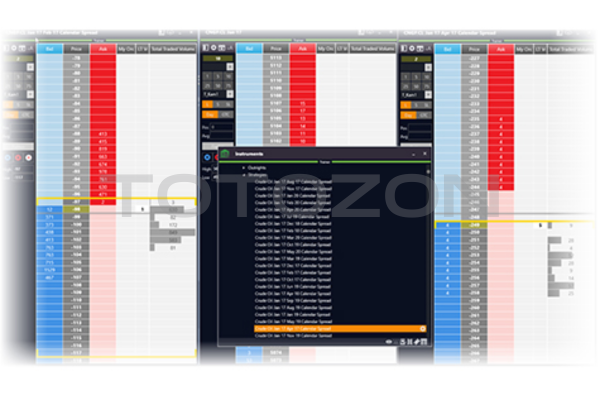 Futures Spread Trading Intro Course with Thetradingframework
1 × $6.00
Futures Spread Trading Intro Course with Thetradingframework
1 × $6.00 -
×
 The Trading Blueprint with Brad Goh - The Trading Geek
1 × $5.00
The Trading Blueprint with Brad Goh - The Trading Geek
1 × $5.00 -
×
 Follow the Fed to Investment Success with Douglas Roberts
1 × $6.00
Follow the Fed to Investment Success with Douglas Roberts
1 × $6.00 -
×
 The Prop Trading Code with Brannigan Barrett - Axia Futures
1 × $23.00
The Prop Trading Code with Brannigan Barrett - Axia Futures
1 × $23.00 -
×
 High Probability Option Trading - Seasonal Straddles
1 × $6.00
High Probability Option Trading - Seasonal Straddles
1 × $6.00 -
×
 Lee Gettess’s Package
1 × $6.00
Lee Gettess’s Package
1 × $6.00 -
×
 Professional Swing Trading College with Steven Primo
1 × $15.00
Professional Swing Trading College with Steven Primo
1 × $15.00 -
×
 Safety in the Market. Smarter Starter Pack 1st Edition
1 × $6.00
Safety in the Market. Smarter Starter Pack 1st Edition
1 × $6.00 -
×
 Elliott Wave Indicator Suite for ThinkorSwim
1 × $15.00
Elliott Wave Indicator Suite for ThinkorSwim
1 × $15.00 -
×
 The Orderflow Masterclass with PrimeTrading
1 × $17.00
The Orderflow Masterclass with PrimeTrading
1 × $17.00 -
×
 Better Trading with the Guppy Multiple Moving Average WorkBook with Daryl Guppy
1 × $6.00
Better Trading with the Guppy Multiple Moving Average WorkBook with Daryl Guppy
1 × $6.00 -
×
 Mastering the Geometry of Market Energy with Charles Drummond
1 × $6.00
Mastering the Geometry of Market Energy with Charles Drummond
1 × $6.00 -
×
 3 Day Master Advanced Workshop Seminar (Video & Manuals 8.48 GB)
1 × $6.00
3 Day Master Advanced Workshop Seminar (Video & Manuals 8.48 GB)
1 × $6.00 -
×
 Zulu Trading Method for the Soybeans with Joe Ross
1 × $6.00
Zulu Trading Method for the Soybeans with Joe Ross
1 × $6.00 -
×
 Advanced Course with Jtrader
1 × $6.00
Advanced Course with Jtrader
1 × $6.00 -
×
 Scalp Strategy and Flipping Small Accounts with Opes Trading Group
1 × $5.00
Scalp Strategy and Flipping Small Accounts with Opes Trading Group
1 × $5.00 -
×
 Butterfly's Guide to Weekly Returns with Don Kaufman
1 × $6.00
Butterfly's Guide to Weekly Returns with Don Kaufman
1 × $6.00 -
×
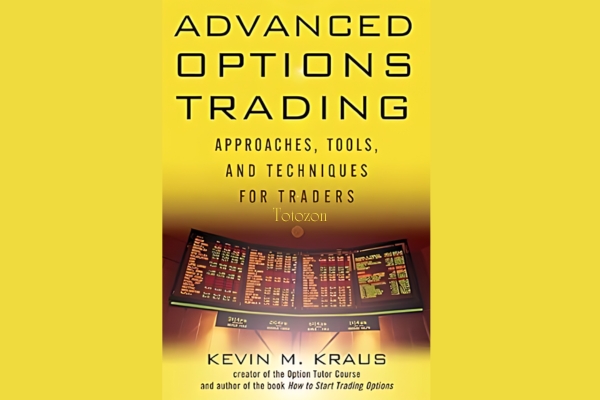 Advanced Options Trading: Approaches, Tools, and Techniques for Professionals Traders with Kevin Kraus
1 × $6.00
Advanced Options Trading: Approaches, Tools, and Techniques for Professionals Traders with Kevin Kraus
1 × $6.00 -
×
 Superstructure Trading - 5 DVDs + Manual + 1 BONUS DVD 2010 Live Trading Webinars with Ken Chow
1 × $6.00
Superstructure Trading - 5 DVDs + Manual + 1 BONUS DVD 2010 Live Trading Webinars with Ken Chow
1 × $6.00
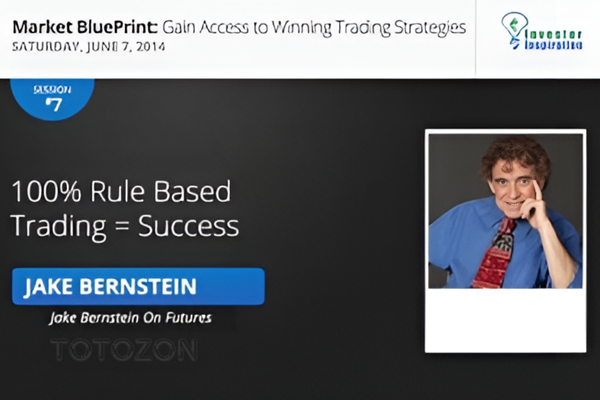
High Probability Patterns and Rule Based Trading with Jake Bernstein
$6.00
File Size: Coming soon!
Delivery Time: 1–12 hours
Media Type: Online Course
Content Proof: Watch Here!
You may check content proof of “High Probability Patterns and Rule Based Trading with Jake Bernstein” below:

High Probability Patterns and Rule-Based Trading with Jake Bernstein
Introduction
In the realm of trading, success often hinges on recognizing high-probability patterns and adhering to a rule-based strategy. Jake Bernstein, a renowned trading expert, has mastered these aspects, and here we delve into his approach to guide both novice and experienced traders towards greater success.
What is Rule-Based Trading?
Defining Rule-Based Trading
Rule-based trading involves the application of a set of predefined rules or criteria to make trading decisions. This method reduces emotional decision-making and ensures consistency in trading actions.
Benefits of Rule-Based Trading
By sticking to specific rules, traders can maintain discipline, manage risk more effectively, and improve their overall trading performance.
Understanding High Probability Patterns
Identifying High Probability Patterns
High-probability patterns are those market formations that statistically lead to predictable outcomes more often than not. Bernstein focuses on teaching traders how to recognize and capitalize on these patterns.
Types of High Probability Patterns
Explore the key patterns like head and shoulders, double tops, and bull and bear flags that Bernstein identifies as crucial for successful trading.
Developing a Rule-Based Trading System
Setting Entry and Exit Rules
One of the core aspects of rule-based trading is determining when to enter and exit trades. Bernstein outlines methods to set clear, objective criteria for both.
Risk Management Rules
Learn to establish rules for risk management, including stop-loss orders and position sizing, to protect capital and lock in profits.
Tools and Techniques for Effective Trading
Technical Indicators in Rule-Based Systems
Technical indicators play a vital role in rule-based trading. Discover which indicators Bernstein recommends and how to use them effectively.
The Role of Backtesting
Backtesting involves testing your trading system using historical data to ensure its effectiveness before applying it live. Bernstein emphasizes the importance of this step in refining any trading system.
Automating Trading Decisions
With advancements in trading technology, Bernstein discusses the benefits of automating trading decisions to execute trades precisely and efficiently.
Case Studies and Practical Examples
Successful Trades Using High Probability Patterns
We provide detailed case studies on successful trades that utilized high probability patterns, offering insights into the thought processes and strategies used.
Common Mistakes to Avoid in Rule-Based Trading
Identify typical pitfalls in rule-based trading and learn Bernstein’s advice on how to avoid them.
Integrating Fundamental Analysis
Combining Technical and Fundamental Analysis
While focusing on technical analysis, Bernstein also touches on the importance of integrating fundamental analysis for a more holistic trading strategy.
Adapting to Market Changes
Flexibility Within Rules
Learn how Bernstein advises to maintain flexibility within your trading rules to adapt to changing market conditions effectively.
Conclusion
Rule-based trading and the use of high-probability patterns, as taught by Jake Bernstein, provide a robust framework for achieving consistent trading success. By adopting these methods, traders can enhance their ability to navigate the complexities of the markets with greater confidence and precision.
Frequently Asked Questions
- What makes a pattern high probability according to Jake Bernstein?
- A pattern is considered high probability when it consistently leads to predictable outcomes across different market conditions.
- How long should I backtest a trading strategy before using it?
- Bernstein recommends backtesting over various market phases to ensure the strategy’s effectiveness across different conditions.
- Can rule-based trading be applied to any market?
- Yes, rule-based trading can be effective in any financial market, from stocks to forex.
- What is the most important rule in a trading system?
- According to Bernstein, the most crucial rule is always the one that manages risk to preserve capital.
- How often should I review and adjust my trading rules?
- Review and adjust your rules regularly, at least annually or whenever there are significant changes in market dynamics.
Be the first to review “High Probability Patterns and Rule Based Trading with Jake Bernstein”
You must be logged in to post a review.
Related products

Original price was: $497.00.$31.00Current price is: $31.00.

Original price was: $799.00.$15.00Current price is: $15.00.

Original price was: $649.00.$20.00Current price is: $20.00.

Forex Trading
Original price was: $797.00.$10.00Current price is: $10.00.

Original price was: $310.00.$23.00Current price is: $23.00.

Forex Trading
Original price was: $1,898.00.$10.00Current price is: $10.00.

Forex Trading
Original price was: $550.00.$5.00Current price is: $5.00.
Forex Trading
Original price was: $1,098.00.$39.00Current price is: $39.00.

Forex Trading
Original price was: $2,995.00.$31.00Current price is: $31.00.

Original price was: $497.00.$11.00Current price is: $11.00.

Forex Trading
Original price was: $2,997.00.$23.00Current price is: $23.00.
Original price was: $999.00.$5.00Current price is: $5.00.

Original price was: $895.00.$15.00Current price is: $15.00.

Original price was: $700.00.$39.00Current price is: $39.00.

Forex Trading
Original price was: $799.00.$15.00Current price is: $15.00.

Forex Trading
Original price was: $397.00.$31.00Current price is: $31.00.

Forex Trading
The Complete Guide to Multiple Time Frame Analysis & Reading Price Action with Aiman Almansoori
Original price was: $1,399.00.$13.00Current price is: $13.00.
Original price was: $1,200.00.$23.00Current price is: $23.00.

Forex Trading
Original price was: $999.00.$15.00Current price is: $15.00.
Forex Trading
Original price was: $125.00.$17.00Current price is: $17.00.

Reviews
There are no reviews yet.